 Bangladesh Defense

Saif
Senior Member
- Joined
- Jan 24, 2024
- Messages
- 22,387
- Likes
- 9,875
- Nation

- Axis Group

Multiple proposals emerge on caretaker govt structure
Constitutional experts have put forward several alternative proposals regarding the formation, size and scope of a caretaker government, including the possible role of an upper chamber of parliament and the appointment of a Speaker or Vice-President as its head. Chairman of the Special Committee o
Multiple proposals emerge on caretaker govt structure
Constitutional experts have put forward several alternative proposals regarding the formation, size and scope of a caretaker government, including the possible role of an upper chamber of parliament and the appointment of a Speaker or Vice-President as its head.
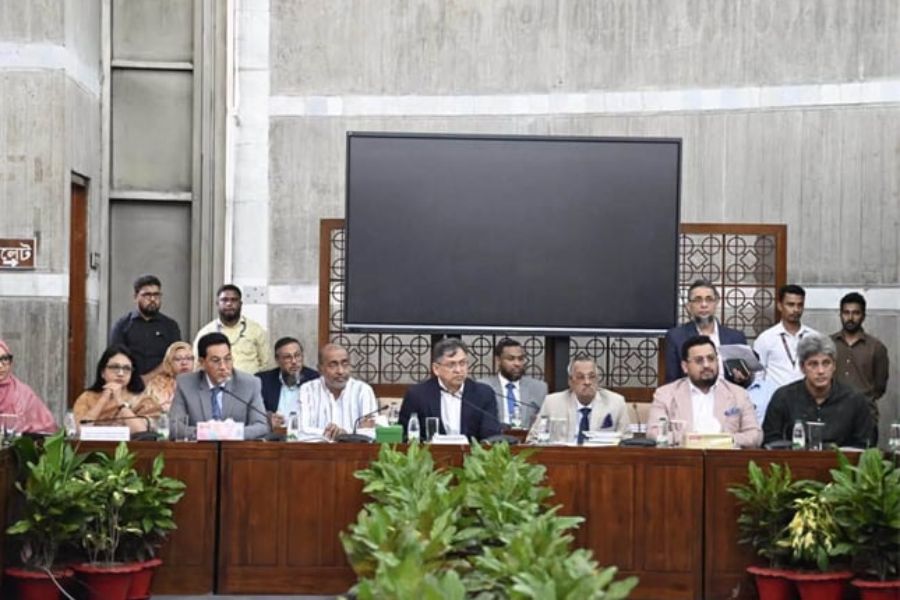
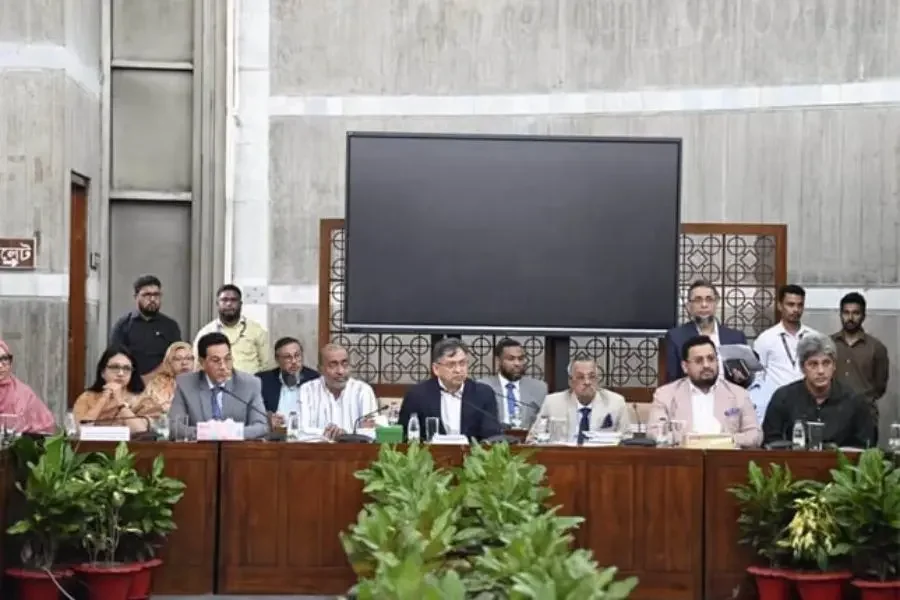
Chairman of the Special Committee on Constitutional Amendment and Home Minister Salahuddin Ahmed disclosed the proposals while briefing journalists after the eighth meeting of the committee at the National Parliament Building on Saturday, reports BSS.
He said constitutional experts had discussed whether an upper chamber could play a role in forming a caretaker government and whether the process could be incorporated into the Constitution. They also offered opinions on the possibility of appointing the Speaker or Vice-President as the head of the interim administration.
Salahuddin said one proposal involved creating the post of Vice-President if an upper chamber was not dissolved or a bill was not passed within the same parliamentary term. Another suggestion was to appoint a Speaker elected with the consent of both the ruling and opposition parties as the head of the caretaker government.
"Setting aside the President's last option, how a caretaker government can be formed based on the consent of the House is an important consideration," he said, adding that putting the caretaker government formation process in writing would be beneficial.
The minister said the committee would consider the proposals when preparing its report and that further alternatives could emerge from the discussions.
"We have requested everyone to give their opinions on the process of forming a caretaker government. Once we receive their views, we will be able to develop a clearer idea," he added.
The meeting was held in the Cabinet Room of the National Parliament Building under the chairmanship of Salahuddin Ahmed.
Eminent constitutional experts, Supreme Court lawyers and law professors from different universities took part in the meeting. Of the invited experts, 44 attended and presented their written and oral opinions and proposals on constitutional amendments.
The meeting discussed constitutional amendments, implementation of the July National Charter and proposed changes to several important articles of the Constitution. Particular attention was given to the fundamental structure of the Constitution, judicial review and judicial independence.
The proposed amendment to Article 70 also came under discussion. It envisages allowing members of parliament to express their opinions and vote freely on issues other than four specified areas: confidence motions, money bills, constitutional amendments, and national security or wartime matters.
The meeting also considered proposals to maintain a balance of power between the President and the Prime Minister, introduce a law governing the appointment of judges, establish a Supreme Court Secretariat and define the independent scope of work of statutory bodies.
In addition, the participants discussed the possible role of an upper chamber in the caretaker government system and the nomination of opposition representatives as chairpersons of parliamentary standing committees under Article 76 of the Constitution.
Jatiya Sangsad Chief Whip Nurul Islam Moni, Law Minister Md. Asaduzzaman, Chairman of the Parliamentary Standing Committee on the Ministry of Home Affairs Joynul Abedin, State Minister for Planning Md. Zunaid Abdur Rahim Saki, State Minister for Land Mir Mohammed Helal Uddin, State Minister for Social Welfare Farzana Sharmin and MP Shakila Farzana attended the meeting.

