Bangladesh Defense

Saif
Senior Member
- Joined
- Jan 24, 2024
- Messages
- 22,423
- Likes
- 9,875
- Nation

- Axis Group

Samanta Shermeen resigns from NCP
Former joint convener says the party has abandoned its founding values, criticises its alliance with Jamaat, election strategy and treatment of women
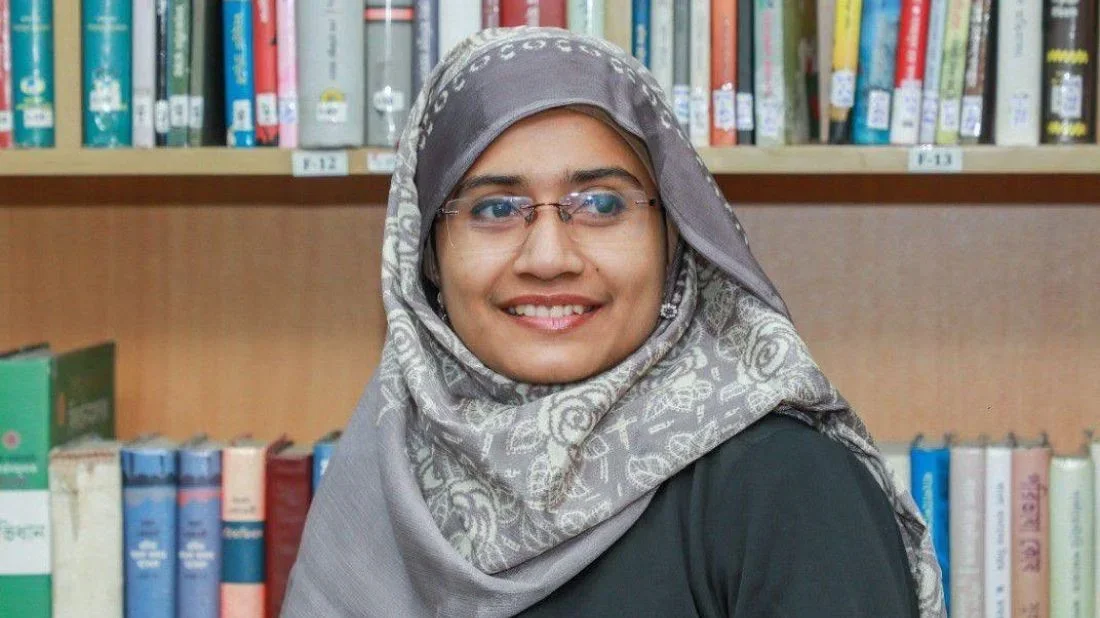
Photo: Collected
Samanta Shermeen has resigned from the National Citizen Party (NCP), saying the party has moved away from its founding values and failed to pursue the political reforms it had promised.
She announced her resignation in a Facebook post on Thursday, saying she had spent nearly a year trying to change the party’s direction from within.
“I had taken a different position on the question of the NCP forming an alliance about a year ago. I said Jamaat-e-Islami was not a suitable ally, either ideologically or strategically, and that the NCP would have to pay a heavy price for forming an alliance with the party,” she wrote.
Shermeen was named only a joint convener in the NCP’s new committee announced on October 23, a change that prompted discussion on social media about her apparent demotion.
In her post, she said that over the past 11 months she had submitted written complaints and proposals and taken part in discussions and debates at different levels of the party, based on her political understanding of its past actions and future direction.
She said she had considered it her political responsibility to try to prevent the party from taking the wrong course. She chose to pursue an ideological struggle within the organisation because challenging its policies through recognised forums was the only democratic way to bring about change.
“Today, I am bringing this nearly year-long struggle to an end because I no longer believe the NCP can remain sincere to the values on which it was founded,” she wrote.
Shermeen said she could have waited for a more opportune moment to resign, when her decision might have been linked to a specific party decision or action. But she considered such a wait pointless.
Even if the NCP eventually withdrew from an alliance with Jamaat, she said, she did not believe it could develop an independent identity, political outlook and programme outside the traditional political model.
She argued that political parties operating within the old system would obstruct, rather than facilitate, efforts to establish a new state order.
In her post, Shermeen outlined four major areas of disagreement with the party: its position on Jamaat and reform, its election strategy, women's political participation and its internal restructuring without a council.
Jamaat and the reform agenda
Shermeen said the NCP had emerged with a commitment to reform and needed to ensure that existing power structures did not obstruct the transition to a democratic state.
She identified three areas requiring reform: constitutional changes to remove authoritarian and fascist foundations; legal reforms to make laws serve public welfare; and reforms to political parties and their structures to move away from colonial-era political practices.
She alleged that Jamaat-e-Islami did not consider any of these reforms part of its own political agenda and did not genuinely embrace reformist politics.
According to Shermeen, the party's ideological foundations and proposed state model were incompatible with democracy. She claimed Jamaat's support for reform was largely a way to appropriate the aspirations of the 2024 uprising.
She further alleged that Jamaat used democratic institutions and freedoms to pursue a political project that was contrary to democratic governance. She also criticised the party for not acknowledging its role in 1971 as a crime or apologising to the nation.
Shermeen said the NCP's decision to view Jamaat as an ally in the reform process had alienated ordinary Bangladeshis who supported liberal and democratic values.
She argued that the NCP's unclear political position had allowed Jamaat to overshadow its own identity, pushing it into reactive and supportive roles on various issues.
Election strategy
Shermeen said the 2026 election had the potential to become a political election that could bring structural change, rather than merely a transfer of power between parties.
She cited the elections of 1946, 1954, 1970 and 1990 as examples of polls that had brought broader political changes.
She argued that established political parties had sought to strip the 2026 election of the political character of the uprising and turn it into a conventional contest for power.
According to her, the NCP could have joined forces with those seeking to challenge the old political order or contested independently, even after the failures of the Consensus Commission, Election Commission and interim government's reform initiatives.
She claimed the party could have achieved a stronger result by pursuing that course, rather than joining an alliance led by a larger political party.
Shermeen said she had proposed five alternative ways for the NCP to increase its political influence without joining an electoral alliance such as the 11-party unity. However, the leadership did not follow those proposals.
She argued that prioritising electoral victory over broader political gains had also weakened the party's credibility in questioning election results under an unreformed system.
Referring to the death of Shaheed Osman Hadi, she said his candidacy in a challenging Dhaka constituency had been used as a justification for joining an alliance with a larger party, which she described as unreasonable and politically motivated.
Women's role in the uprising
Shermeen said women had played a decisive role in the 2024 mass uprising, serving as frontline protesters, protectors and catalysts for the movement.
Their participation, she wrote, was driven by political aspirations and demands for a fair share of power, equality and an end to oppression.
She accused conservative political groups of trying to push women out of the political space after the uprising, using social restrictions that had failed to prevent their participation during the movement.
Shermeen said the NCP had an opportunity to establish a different political culture based on gender equality, but had failed to ensure women's meaningful representation in leadership, decision-making and organisational power.
She alleged that the party had aligned itself with conservative, anti-women political tendencies and had marginalised women's voices in its decision-making process.
Women account for around 51% of Bangladesh's population, she noted, arguing that ignoring their voices meant excluding the political aspirations and experiences of more than half the population.
She said achieving equality in a society such as Bangladesh required more than equal opportunities. Women needed greater representation, authority and meaningful participation in decision-making to overcome entrenched power structures.
Shermeen also questioned whether women had been encouraged to stand at the forefront of the uprising because their leadership was recognised or because their presence was used as a protective shield in moments of danger.
If their courage and sacrifices were accepted during the movement but their political rights and share of power were denied after victory, she asked, what did recognition of their participation mean?
Restructuring without a council
Shermeen said people had expected the NCP to establish a political structure different from those of traditional parties, with transparency in its finances and democratic practices within the organisation.
She criticised the party for restructuring its convening committee without holding a council, saying the move undermined internal democracy.
She argued that timely councils were essential for ensuring leadership legitimacy, accountability and representation. Without them, decision-making risked becoming concentrated in the hands of a small group.
According to Shermeen, the NCP had adopted the same practices it had criticised in older political parties, including suppressing dissent and limiting internal debate.
She said the restructuring had raised questions about the party's commitment to internal democracy and could undermine its credibility when demanding a fair and neutral electoral system at the national level.
After repeatedly urging the party to reconsider its positions on these issues, Shermeen said she had decided to resign because the leadership showed no willingness to change course.
Calls for unity-based politics
In the final section of her statement, Shermeen called for a political movement based on national unity rather than division.
She said post-uprising Bangladesh needed a shared political vision that could bring people together despite differences in opinion, belief and identity.
The NCP, she said, had the opportunity to build such a political force under young leadership, but narrow political calculations had gradually weakened that possibility.
However, she added, the failure of one party or a group of leaders did not mean the end of the political aspirations that had brought people together.
Shermeen said a new political force should place Bangladesh's interests and the welfare of its people at the centre of its policies, rather than serving narrow interests or aligning itself with foreign powers.
She argued that the country's foreign policy should be guided by sovereignty and national interests, applying the same standards to agreements with India, the United States, China and other countries.
She also called for women's independent political participation, leadership and decision-making authority to be integral to the political structure.
Other priorities, she said, should include protecting and developing national capital, expanding domestic production and employment, reducing economic inequality and ensuring that public resources and policymaking serve the people.
Shermeen said young people now faced the challenge of building a political alliance that could accommodate differences without allowing division to dominate politics.
“I am committed to working as part of this effort,” she wrote, inviting those interested in discussing the ideas to contact her and join the effort to build a democratic Bangladesh.
Former joint convener says the party has abandoned its founding values, criticises its alliance with Jamaat, election strategy and treatment of women
Photo: Collected
Samanta Shermeen has resigned from the National Citizen Party (NCP), saying the party has moved away from its founding values and failed to pursue the political reforms it had promised.
She announced her resignation in a Facebook post on Thursday, saying she had spent nearly a year trying to change the party’s direction from within.
“I had taken a different position on the question of the NCP forming an alliance about a year ago. I said Jamaat-e-Islami was not a suitable ally, either ideologically or strategically, and that the NCP would have to pay a heavy price for forming an alliance with the party,” she wrote.
Shermeen was named only a joint convener in the NCP’s new committee announced on October 23, a change that prompted discussion on social media about her apparent demotion.
In her post, she said that over the past 11 months she had submitted written complaints and proposals and taken part in discussions and debates at different levels of the party, based on her political understanding of its past actions and future direction.
She said she had considered it her political responsibility to try to prevent the party from taking the wrong course. She chose to pursue an ideological struggle within the organisation because challenging its policies through recognised forums was the only democratic way to bring about change.
“Today, I am bringing this nearly year-long struggle to an end because I no longer believe the NCP can remain sincere to the values on which it was founded,” she wrote.
Shermeen said she could have waited for a more opportune moment to resign, when her decision might have been linked to a specific party decision or action. But she considered such a wait pointless.
Even if the NCP eventually withdrew from an alliance with Jamaat, she said, she did not believe it could develop an independent identity, political outlook and programme outside the traditional political model.
She argued that political parties operating within the old system would obstruct, rather than facilitate, efforts to establish a new state order.
In her post, Shermeen outlined four major areas of disagreement with the party: its position on Jamaat and reform, its election strategy, women's political participation and its internal restructuring without a council.
Jamaat and the reform agenda
Shermeen said the NCP had emerged with a commitment to reform and needed to ensure that existing power structures did not obstruct the transition to a democratic state.
She identified three areas requiring reform: constitutional changes to remove authoritarian and fascist foundations; legal reforms to make laws serve public welfare; and reforms to political parties and their structures to move away from colonial-era political practices.
She alleged that Jamaat-e-Islami did not consider any of these reforms part of its own political agenda and did not genuinely embrace reformist politics.
According to Shermeen, the party's ideological foundations and proposed state model were incompatible with democracy. She claimed Jamaat's support for reform was largely a way to appropriate the aspirations of the 2024 uprising.
She further alleged that Jamaat used democratic institutions and freedoms to pursue a political project that was contrary to democratic governance. She also criticised the party for not acknowledging its role in 1971 as a crime or apologising to the nation.
Shermeen said the NCP's decision to view Jamaat as an ally in the reform process had alienated ordinary Bangladeshis who supported liberal and democratic values.
She argued that the NCP's unclear political position had allowed Jamaat to overshadow its own identity, pushing it into reactive and supportive roles on various issues.
Election strategy
Shermeen said the 2026 election had the potential to become a political election that could bring structural change, rather than merely a transfer of power between parties.
She cited the elections of 1946, 1954, 1970 and 1990 as examples of polls that had brought broader political changes.
She argued that established political parties had sought to strip the 2026 election of the political character of the uprising and turn it into a conventional contest for power.
According to her, the NCP could have joined forces with those seeking to challenge the old political order or contested independently, even after the failures of the Consensus Commission, Election Commission and interim government's reform initiatives.
She claimed the party could have achieved a stronger result by pursuing that course, rather than joining an alliance led by a larger political party.
Shermeen said she had proposed five alternative ways for the NCP to increase its political influence without joining an electoral alliance such as the 11-party unity. However, the leadership did not follow those proposals.
She argued that prioritising electoral victory over broader political gains had also weakened the party's credibility in questioning election results under an unreformed system.
Referring to the death of Shaheed Osman Hadi, she said his candidacy in a challenging Dhaka constituency had been used as a justification for joining an alliance with a larger party, which she described as unreasonable and politically motivated.
Women's role in the uprising
Shermeen said women had played a decisive role in the 2024 mass uprising, serving as frontline protesters, protectors and catalysts for the movement.
Their participation, she wrote, was driven by political aspirations and demands for a fair share of power, equality and an end to oppression.
She accused conservative political groups of trying to push women out of the political space after the uprising, using social restrictions that had failed to prevent their participation during the movement.
Shermeen said the NCP had an opportunity to establish a different political culture based on gender equality, but had failed to ensure women's meaningful representation in leadership, decision-making and organisational power.
She alleged that the party had aligned itself with conservative, anti-women political tendencies and had marginalised women's voices in its decision-making process.
Women account for around 51% of Bangladesh's population, she noted, arguing that ignoring their voices meant excluding the political aspirations and experiences of more than half the population.
She said achieving equality in a society such as Bangladesh required more than equal opportunities. Women needed greater representation, authority and meaningful participation in decision-making to overcome entrenched power structures.
Shermeen also questioned whether women had been encouraged to stand at the forefront of the uprising because their leadership was recognised or because their presence was used as a protective shield in moments of danger.
If their courage and sacrifices were accepted during the movement but their political rights and share of power were denied after victory, she asked, what did recognition of their participation mean?
Restructuring without a council
Shermeen said people had expected the NCP to establish a political structure different from those of traditional parties, with transparency in its finances and democratic practices within the organisation.
She criticised the party for restructuring its convening committee without holding a council, saying the move undermined internal democracy.
She argued that timely councils were essential for ensuring leadership legitimacy, accountability and representation. Without them, decision-making risked becoming concentrated in the hands of a small group.
According to Shermeen, the NCP had adopted the same practices it had criticised in older political parties, including suppressing dissent and limiting internal debate.
She said the restructuring had raised questions about the party's commitment to internal democracy and could undermine its credibility when demanding a fair and neutral electoral system at the national level.
After repeatedly urging the party to reconsider its positions on these issues, Shermeen said she had decided to resign because the leadership showed no willingness to change course.
Calls for unity-based politics
In the final section of her statement, Shermeen called for a political movement based on national unity rather than division.
She said post-uprising Bangladesh needed a shared political vision that could bring people together despite differences in opinion, belief and identity.
The NCP, she said, had the opportunity to build such a political force under young leadership, but narrow political calculations had gradually weakened that possibility.
However, she added, the failure of one party or a group of leaders did not mean the end of the political aspirations that had brought people together.
Shermeen said a new political force should place Bangladesh's interests and the welfare of its people at the centre of its policies, rather than serving narrow interests or aligning itself with foreign powers.
She argued that the country's foreign policy should be guided by sovereignty and national interests, applying the same standards to agreements with India, the United States, China and other countries.
She also called for women's independent political participation, leadership and decision-making authority to be integral to the political structure.
Other priorities, she said, should include protecting and developing national capital, expanding domestic production and employment, reducing economic inequality and ensuring that public resources and policymaking serve the people.
Shermeen said young people now faced the challenge of building a political alliance that could accommodate differences without allowing division to dominate politics.
“I am committed to working as part of this effort,” she wrote, inviting those interested in discussing the ideas to contact her and join the effort to build a democratic Bangladesh.