| Global Defense, OSINT & Geopolitics Wire

[🇧🇩] City Buses, Metro Rail, Urban Transport & City Road Infra

[🇧🇩] City Buses, Metro Rail, Urban Transport & City Road Infra
196
14K
More threads by Bilal9

G Bangladesh Defense

Cabinet okays tax relief for imports of electric buses, trucks

Proposal cleared at sixth cabinet meeting in Sangsad Bhaban

UNB, Dhaka

1777855242021.webp

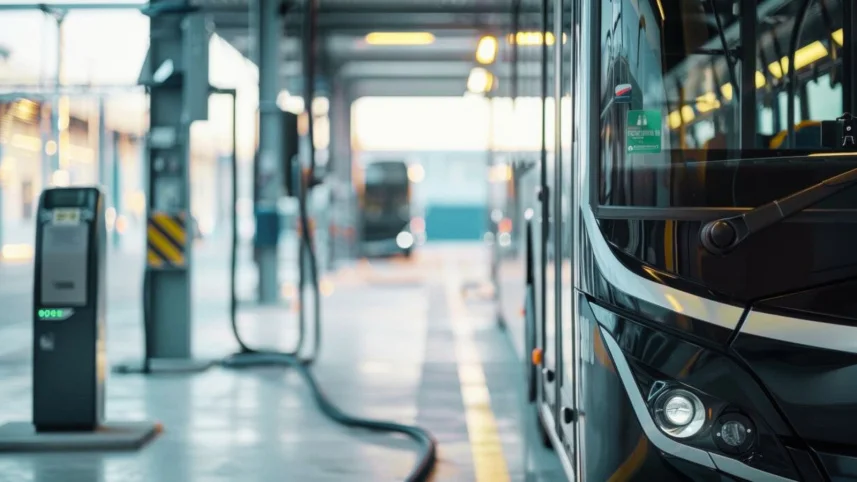
Representational image

The cabinet today approved a proposal granting a massive waiver of customs duties and taxes on the import of brand new electric buses and trucks in a bid for an eco-friendly transportation system in the country.

The Cabinet approved the proposal at its sixth meeting held at the Cabinet Room in the Sangsad Bhaban in Dhaka last evening, with Prime Minister Tarique Rahman in the chair.

According to the decision, this facility will be applicable to the import of completely new electric buses with a minimum of 17 seats.

In addition, 15 percent Value Added Tax (VAT) has been retained for these buses imported for purposes other than student transportation.

However, all types of customs duty (CD), regulatory duty (RD), supplementary duty (SD), advance tax (AT) and advance income tax (AIT) except VAT have been exempted.

As a result, the total tax burden on importers will be only 15 percent.

In addition to buses, it has also been decided to provide similar duty exemptions and benefits for the import of new electric trucks with a capacity of 5 tons or more.

This special tariff benefit will remain effective until June 30, 2026. As per the cabinet decision, the Internal Resources Department will soon issue a formal notification in this regard.​
 

Dhaka’s Metro Rail: Why are we paying so much?

Kallol Mustafa

1777948110763.webp


For two new metro routes in Dhaka, Japanese contractors quoted costs per kilometre more than double those of the Uttara–Motijheel line. FILE PHOTO: STAR

The issue of abnormally high costs in metro rail construction in Bangladesh has long been a subject of discussion and criticism. During the tenure of the Awami League government, the metro rail line from Uttara to Motijheel (MRT-6), built with loans from the Japan International Cooperation Agency (JICA), was alleged to have cost several times more per kilometre compared to similar projects constructed in other countries during the same period.

There was an expectation that after the fall of the AL government, the practice of excessive spending in infrastructure projects like metro rail would come to an end. However, as reported by Prothom Alo, for two new metro routes in Dhaka, Japanese contractors are now quoting costs per kilometre more than double those of the Uttara–Motijheel line.The cost per kilometre for MRT-6 was Tk 1,574 crore, whereas for the planned MRT-1 from Kamalapur to the airport to Purbachal and MRT-5 (North) from Hemayetpur to Bhatara, the estimated cost per kilometre would be Tk 3,618 crore .Such high costs will not only increase fare pressure on passengers but also add to the country’s debt burden.

A significant portion of Bangladesh’s infrastructure development projects relies on foreign loans. These lending agencies are often referred to as “development partners,” and their loans as “assistance.” However, there is an ongoing debate about whether these loans truly support the recipient country’s development or primarily serve to expand the lender country’s business and exports.

In many cases, institutions from the lending country are involved in planning the project, conducting feasibility studies, consultations, and even implementation as contractors. Most procurement is also sourced from the lender country. This creates a conflict of interest, undermines objective cost assessment, and leads to inflated project costs. While corporations from the lending country benefit, the people of the borrowing country bear the burden due to high costs and questionable feasibility. Bangladesh’s metro rail projects are a prime example of this dynamic.

JICA finances metro rail construction in Bangladesh. A Japanese consultancy firm, Nippon Koei, plays a key role in preparing and evaluating tender documents. According to a report by Prothom Alo, loan and tender conditions appear to be structured to make it easier for Japanese companies to secure contracts, effectively excluding competitors from other countries.

For instance, MRT-1 tender documents require the use of the “one-pass joint” method for tunnel construction, which is favourable to Japanese contractors. Similarly, only specific types of Japanese steel, produced by only three companies in Japan, are allowed for bridge construction. Even if contractors wish to use equivalent steel from other countries, they must obtain approval from the Japan Road Association.

Due to these conditions, even open tenders fail to attract contractors from outside Japan. Typically, only two or three Japanese firms participate in the final bidding process, and their quoted prices must be accepted. As a result, metro rail construction costs under JICA financing are several times higher than comparable projects in neighbouring countries.

For example, MRT-6 in Dhaka had cost Tk 1,574 crore per kilometre. In contrast, similar elevated metro systems in India cost about Tk 150 crore per kilometre, and underground systems cost up to Tk 450 crore per kilometre. In other countries, costs are also significantly lower. According to an analysis by Dhaka Mass Transit Company Limited (DMTCL) cited by Prothom Alo, metro construction costs per kilometre are Tk 672 crore in Turkey, Tk 448 crore in the Ivory Coast, Tk 784 crore in South Korea’s Seoul, and Tk 740 crore in Thailand’s Bangkok. However, as already stated above, under the current JICA conditions for MRT Lines 1 and 5, costs in Dhaka are projected at Tk 3,618 crore per kilometre, which is much higher than global benchmarks and more than double that of MRT-6.

India also implements infrastructure projects using foreign loans, but does not accept conditions that undermine competitive bidding. As a result, local contractors often secure contracts, keeping costs lower. For example, metro construction in Patna, Bihar—also financed by JICA—is being executed by Indian contractors at a cost of Tk 450 crore per kilometre for underground sections. In contrast, Bangladesh’s acceptance of restrictive loan conditions creates a severe conflict of interest in which the same country’s entities plan, finance, study, consult, and execute the project.

JICA justifies higher costs by citing superior quality standards, arguing that higher upfront costs reduce maintenance and repair expenses in the long run. This argument is unconvincing. First, if JICA can maintain quality in Patna at Tk 450 crore per kilometre, why is Bangladesh’s cost projected to be eight times higher?

Second, according to a DMTCL report, the Uttara–Motijheel metro system has 45 defects and deficiencies, which contradict claims of superior quality. These include 10 issues in signalling and telecommunications, 16 in electrical systems, 10 in civil engineering, and nine related to trains and associated systems. The report also notes water leakage at 89 locations across 16 stations. Trains sometimes fail to stop precisely at designated points. Rust has appeared on tracks in depot areas. Sensor malfunctions have disrupted operations. Air conditioning systems have frequently failed. Ticket vending machines and energy storage systems often break down. Due to substandard bearing pads and design flaws, a bearing pad detached in the Farmgate area, causing the death of a pedestrian.

JICA also attributes cost escalation to expanded project scope, currency depreciation, and rising material costs. However, to verify these claims, open competitive bidding is essential. Currency fluctuations and global price increases affect all contractors, not just Japanese firms. Only through genuine international competition can the true cost be determined.

There is no doubt that the metro rail is necessary to address traffic congestion in a densely populated capital like Dhaka. However, constructing such infrastructure at abnormally inflated costs is unacceptable. There should be no obligation to accept unreasonable conditions out of gratitude towards a foreign lender. Loan repayments ultimately come from taxpayers, and higher construction costs translate into higher fares for the public.

Therefore, metro rail projects must ensure open tendering and fair competition, control excessive costs compared to global standards, and rely on domestic experts and institutions in decision-making. Otherwise, under the guise of development, public funds will continue to serve the commercial interests of foreign entities rather than the people of Bangladesh.

Kallol Mustafa is an engineer and writer who focuses on power, energy, environment, and development economics.​
 

Building expressway bypassing Dhaka traffic

Published :
May 09, 2026 01:08
Updated :
May 09, 2026 01:08

1778283321888.webp


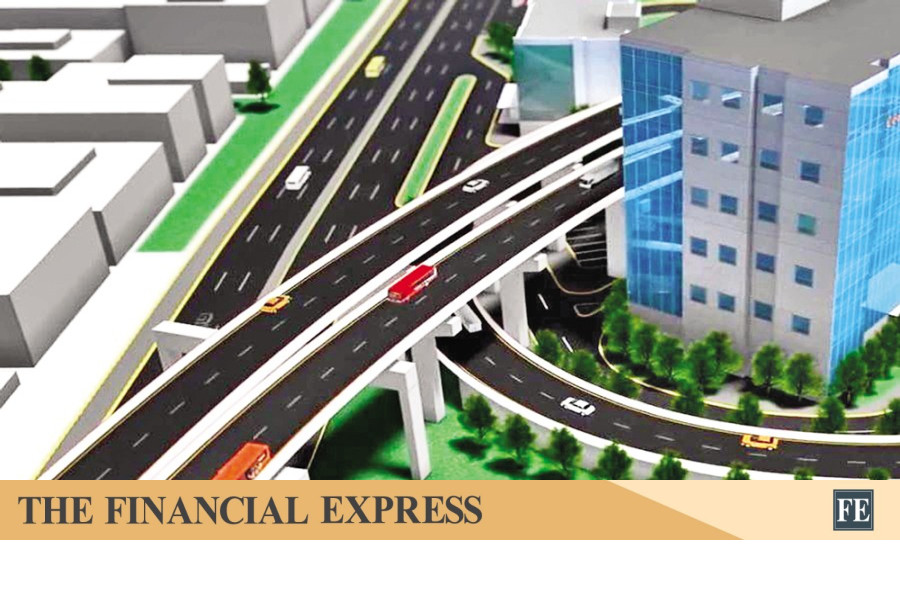
Dhaka's crippling traffic, driven by rapid urbanisation and poor infrastructure cannot simply afford any more highways passing through it, even if those are for the sake of improving regional connectivity. In that case, such highways, if built, should be the elevated types on which the high speed, cross-national vehicular traffic would pass over the city without adding to the city's existing traffic chaos. In this connection, the incumbent BNP government is learnt to have given the go-ahead to the proposed 39-km Dhaka East-West Elevated Expressway (DEWEE) public-private partnership (ppp) project which would connect three major national highways, namely, the Dhaka-Aricha, the Dhaka-Mawa and Dhaka-Chattogram highways. As envisaged, the project is expected to improve regional connectivity and provide faster access to the Padma Bridge.

Evidently, this would allow vehicles from eastern and south-western regions to bypass the capital city. On this score, a high-level stakeholder consultation workshop organised by the Bangladesh Bridge Authority (BBA) was held recently in the city where an update of the previous feasibility report on the DEWEE project was discussed. Notably, the cost of the DEWEE in the updated feasibility report has been estimated at around Tk430 billion with the suggestion that there would be a change in the original design so as to develop an elevated corridor facilitating high-speed travel of up to 120 km per hour. It is worthwhile to note at this point that the project was initiated 15 years ago to alleviate traffic congestion in the capital city by providing a signal-free expressway linking major adjacent highways. So, it is reassuring that finally the project is under active considering of the incumbent government for its execution. If implemented, it would no doubt bring about a transformative change in the transport sector of Bangladesh. However, given the not-so-agreeable experiences of inordinate delays in the case of some mega infrastructure projects leading to irrational cost-escalation in implementing those in the past, it needs to be ensured that DEWEE is not weighed down by such encumbrances.

This is why the Road Transport and Bridges, Railways and Shipping Minister Shaikh Rabiul Alam who attended the workshop as the chief guest pointed out that such delays in project implementation including land acquisition often increase costs and turn development projects into an economic burden. Hurdles like bureaucratic tangles and attendant corruption also stand in the way of timely implementation of such projects. Some officials of the DEWEE project reportedly told the media that depreciation of BDT against USD and design improvement are likely to raise the project cost.

Aware that such constraints have delayed the execution of big projects in the past, the incumbent government is expected to avoid such impediments on way to implementation of the DEWEE project. However, once the DEWEE project is implemented by braving the challenges, traffic from 20 districts will be able to move between the north and west without entering the Dhaka city, according to the project proposal. What is more, the proposed expressway will be able to connect the Asian Highway, a cooperative project among countries in Asia and the United Nations Economic and Social Commission for Asia and the Pacific to improve their connectivity via highways systems. Other potential benefits of the project, which is designed for a 120km/h top speed in some sections and 80km/h in others will enhance the mobility of goods and services helping reduce transportation costs and boosting trade efficiency. Last but not least, the project's contribution to the environment and quality of life would be immense through reduced city traffic that would bring down levels of pollution and noise in the city. That would desirably lead to a healthier living environment.​
 
Recent introduction of AI cameras in Dhaka and digitally registered cases against vehicle license plates that follow law-breaking activity (without involvement of corrupt police sergeants) have helped quite a bit in traffic law conformance.


Franchise-based bus routes can reduce traffic chaos

FE

Published :
May 19, 2026 23:59
Updated :
May 19, 2026 23:59

1779234011707.webp


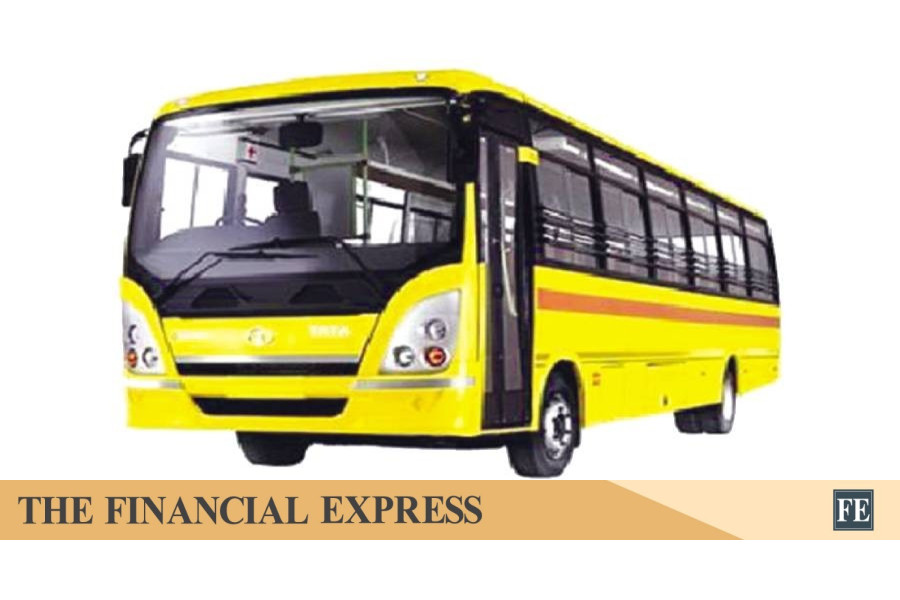
All efforts undertaken during past governments including the previous interim administration to fix the capital city's chaotic traffic seem to have come to naught. Even if the recent launching of the AI-based traffic rules violation monitoring system by the Dhaka Metropolitan Police (DMP) has to some extent left its disciplinary impact on the behaviour of the city's rather unruly traffic, especially on the errant bikers, the non-roadworthy, ramshackle buses that do not care about any rules still rule the city's roads. According to the Bangladesh Road Transport Authority (BRTA) data, 30 per cent of the registered buses and minibuses have long past their operating life with the expiry of their route permits and fitness certificates. So, bringing the fragmented stakeholders under a single, organised franchise is a daunting challenge. Under the system, these companies and their owners would lose their individual power and lucrative daily-contract operations. Even worse, they pressurise the authorities to alter routes to suit their traditional, chaotic business models, rendering scientific routing ineffective.

Despite years of planning, the authorities continue to approve unscientific and overlapping bus routes. The special committee responsible for approving bus route permits in Dhaka has reportedly been continuing to allow what experts term 'unscientific' routes for both air-conditioned and non-air-conditioned buses over the past one and a half years. During this period, the authorities also failed to decommission run-down passenger buses and trucks including covered vans following the expiry of their 20-year and 25-year operating lifespan respectively. Many new routes (like AC bus franchises) fail to launch on the pretext of their commercial unviability.

That is said to be holding operators from securing the necessary financing or putting new vehicles on the road. Reports have it that transport owners so far have hardly showed any interest to operate on the newly approved routes, including those meant for AC services. The Dhaka Metro Passengers and Goods Transportation (DMPGT) Committee, which is headed by the Dhaka Metropolitan Police commissioner, reportedly approved 690 AC buses on 10 routes following its last meeting held in November last year. It is worthwhile to note that the Committee was formed during the interim government under the Section 27 of Road Transport Act 2018, with the objective of introducing a franchise-based public transport system in the city. But not a single company that had approval could start their AC service within the six months' stipulated period. What is more, they did not even apply for bank loans to purchase buses, though they were assured of support for financing from transport association leaders, who are members of the Committee. Unsurprisingly, the authorities have been in a tight spot to run a scientific franchise-based bus system due to institutional overlap, resistance from powerful transport syndicates and failure to remove unauthorised vehicles from the roads.

The franchise system strictly requires standardised, roadworthy buses and designated stopping points. However, in the prevailing condition, it has to operate in the same space as thousands of dilapidated, unregulated, and unfit buses occupy. Commuters are deeply habituated to stopping buses anywhere by raising a hand. At the same time, unregulated buses aggressively undercut franchise schedules, picking up passengers outside designated stations and causing massive financial losses to the franchise operators. Traffic congestion in Dhaka, on the other hand, has slowed vehicle speeds down to just 7 km per hour. With such slow turnaround times, operating a bus service in the city has obviously become highly unprofitable that discourages new capital investment from the private sector. Under the current model, operators carry all operational risks while government support remains limited. Given these roadblocks, the way out is to replace unscientific bus routes with franchise-based system as was earlier conceived under the Bus Route Rationalisation (BRR) Initiative, relocate existing bus terminals and completely transition to a unified, single-operator franchise system.​