| Global Defense, OSINT & Geopolitics Wire

[🇧🇩] Energy Security of Bangladesh

[🇧🇩] Energy Security of Bangladesh
837
37K
More threads by Saif

G Bangladesh Defense

Govt aims to meet 20pc of power demand from renewables by 2030: Amit

1794871045867.webp


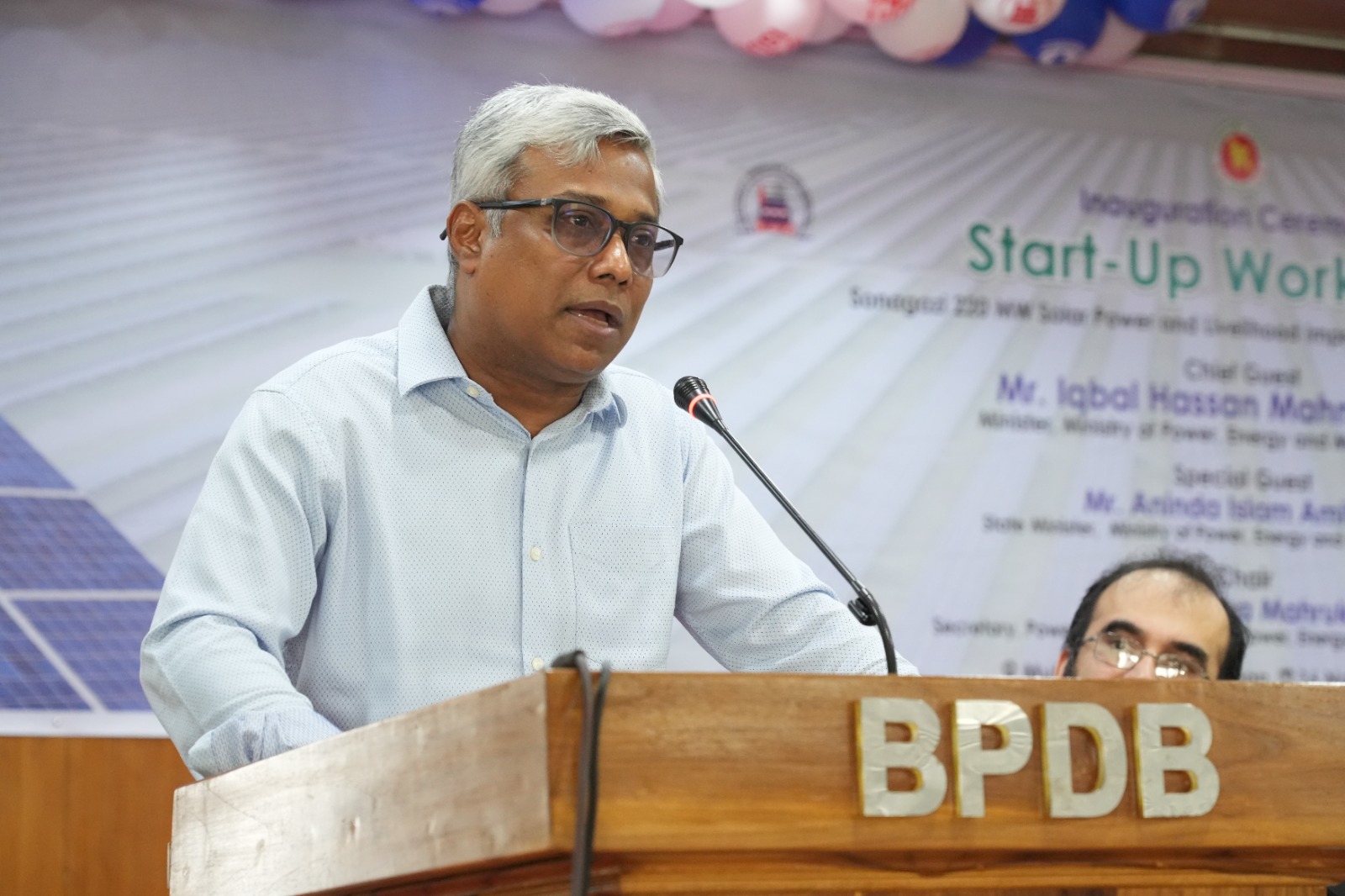
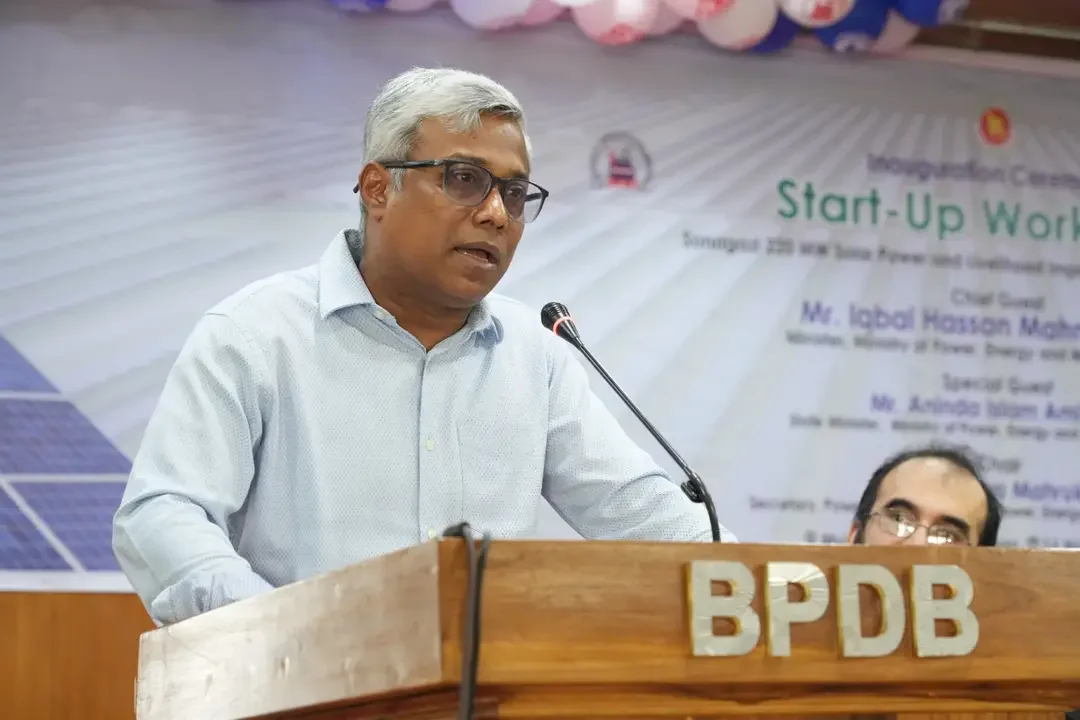
The government plans to meet 20 per cent of the country's electricity demand from renewable energy by 2030, State Minister for Power, Energy and Mineral Resources Anindya Islam Amit said on Monday.

He was speaking at the inaugural session of a start-up workshop for the 220-megawatt (MW) Sonagazi solar power project at Bidyut Bhaban in Dhaka.

“Our target is to generate 10,000 MW of electricity from renewable sources by 2030,” the state minister said. He said the government has formulated supportive policies for this.

The Sonagazi 220MW solar project will contribute to achieving the target, he added.​
 

ADB to support 6 solar projects with over 1,000MW capacity


1794958085924.webp


Asian Development Bank (ADB) on Tuesday announced that it will provide transaction advisory services for five additional solar and battery energy storage projects in Bangladesh, expanding a programme that will reach more than 1,000 megawatts (MW) of combined capacity.

The proposed expansion builds on ADB’s advisory support for the 130-MW Sonagazi solar project to a three-phase program, covering six projects in total, according to a UNB report citing an ADB press release.

The projects will enable reliable and regulated access to renewable energy, cutting reliance on imported fuel, and improving the country’s energy security.

ADB Country Director for Bangladesh Qingfeng Zhang said Bangladesh has an opportunity to build a more secure, sustainable, and investment-ready energy future.

“The expansion of ADB’s transaction advisory services mandate reflects a shared ambition to move beyond individual projects and create a scalable market for clean energy investment. By strengthening project preparation, competitive procurement, and the enabling environment for private investment, we can help mobilise the capital, technology, and expertise Bangladesh needs to power its next phase of development.”

The advisory services will help mobilise more than $1 billion in private sector investment and support the government’s target of generating at least 20% of its electricity from renewable sources by 2030, rising to 30% by 2040.

The first phase centres on the 130MW Sonagazi solar photovoltaic project in Feni District, including a 26-megawatt-hour battery storage system. The tender for the project is expected to be launched within this year.

As the first project under the agreement, it will set the precedent for structuring and procuring the remaining five projects in phases 2 and 3, applying lessons learned across subsequent phases.

Under the expanded mandate, ADB will support the Invest Bangladesh Authority and the Bangladesh Power Development Board in assessing the suitability of government-owned land for the five additional projects.

ADB’s advisory support will cover the entire development cycle, including project preparation, technical and financial assessments, market sounding, tender document preparation, and support for the competitive bidding and award process.

Invest Bangladesh Chairman Ashik Chowdhury said the Government of Bangladesh seeks to accelerate private sector investment and participation, particularly foreign direct investment, in renewable energy projects.

“We value our partnership with ADB in developing this pipeline of projects and look forward to working together to expand the country’s clean energy capacity, diversify the energy mix, and strengthen Bangladesh’s long-term energy security.”

The memorandum of understanding was signed by Mostafa Kamal, Additional Secretary, Invest Bangladesh; Afroza Sultana, Secretary, Bangladesh Power Development Board; and Mr Zhang.​
 

BPC seeks Tk 50 billion more in subsidy to ensure fuel supply until December


1795221519882.webp


State-owned Bangladesh Petroleum Corporation (BPC) is seeking another Tk 50 billion in subsidy to ensure fuel supply in the country until December.

The government agency, under the Ministry of Power, Energy and Mineral Resources, is responsible for importing, storing, refining and marketing fuel oil and petroleum products in the country.

Since the US and Israel launched a war with Iran in February this year, the cost of fuel purchasing has jumped significantly due to an increase in diesel prices in the global market and the rising exchange rate of the US dollar.

As a result, the BPC is bearing significant losses.

Under the circumstances, the Finance Division issued Tk 45 billion as an interest-free loan on Sept 29 to cover the company's fiscal deficit.

BPC officials say the company's losses from March to October due to subsidising fuel oil sales have reached Tk 276.99 billion.

This means, on average, it has to bear losses of Tk 34.59 billion every month. As a result, the BPC sent a proposal to the Ministry of Finance seeking an additional subsidy of Tk 50 billion to cover the urgent cost of purchasing fuel oil until December. The proposal also raises the issue of adjusting the price of fuel oil.

BPC Chairman Rafiqul Islam told bdnews24.com, “We have requested a subsidy of Tk 50 billion on an urgent basis to ensure fuel supply until December. A proposal in this regard has been sent to the Ministry of Finance.

“The ministry has not yet announced anything in this regard. Perhaps it will be announced in a few days.”

When asked about adjusting the price of fuel oil, the BPC chairman said: “We do not want the people to suffer. Therefore, the proposal asks whether the price can be adjusted based on the situation on the ground.”​