| Global Defense, OSINT & Geopolitics Wire

[🇧🇩] Save the Rivers/Forests/Hills-----Save the Environment

[🇧🇩] Save the Rivers/Forests/Hills-----Save the Environment
661
28K
More threads by Saif

G Bangladesh Defense

New law to be formulated to protect trees
Says Rizwana

1735690500916.webp

File photo

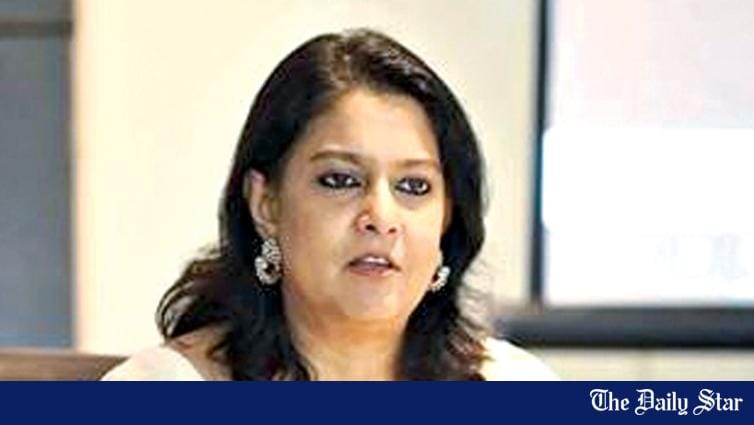
Environment Adviser Syeda Rizwana Hasan yesterday announced that a new law is being formulated to protect trees, which will include special provisions against using nails on trees for advertisements.

Stressing the need for public cooperation to stop this harmful practice, she said once the law is enacted, violators will face penalties.

She made the remarks while inaugurating a tree protection campaign by removing nails from trees on the road adjacent to the south gate of Abahani field in the capital.

She said driving nails into trees disrupts their growth, ultimately leading to their death. Such actions harm the environment.

Rizwana also attended a workshop for executive magistrates involved in mobile court operations. She directed them to take strict measures against those responsible for air pollution.​
 

The imperative of plastic waste management
Wasi Ahmed
Published :
Dec 31, 2024 21:41
Updated :
Dec 31, 2024 21:41

1735693122656.webp

Women process plastic waste at a dumping site in Dhaka, Bangladesh on January 8, 2020 — Xinhua photo


The fact that one of the main reasons for environmental pollution in the country is plastic need not be over-emphasised. A recent study by the Environment and Social Development Organisation (ESDO) titled "Environmental Impact of Single-use Plastic Bottles: Pollution and Health Risks" reveals alarming data on the country's use and disposal of plastic. Bangladesh annually consumes approximately 3.15 to 3.84 billion single-use plastic bottles, of which only 21.4 per cent are recycled, says the study. The remaining 78.6 per cent find their way into rivers, seas, and landfills, posing severe environmental and health risks.

The study highlights that single-use plastic bottles can persist in the environment for up to 450 years, releasing microplastics and toxic chemicals into ecosystems and food chains. Urban areas in Bangladesh primarily use water bottles, while rural regions lean towards soft drink bottles. However, awareness of the associated health and environmental risks remains dismally low. Only 18.4 per cent of urban consumers and 5.5 per cent of rural consumers understand the health risks posed by these plastics, while a mere 3.4 per cent are aware of their environmental impact. Alarmingly, 51 per cent of urban consumers and 42 per cent of rural consumers discard plastic bottles after a single use. Chemicals such as Bisphenol A (BPA), commonly found in these plastics, pose significant health risks, including hormonal disruption and chronic diseases like cancer.

Although pollution, for the most part, is manmade let loose by poor waste management and inadequate application of recycling methods, the fact remains that plastic pollution is a catastrophe on a scale that is difficult to grasp. Across the world, humans are exposed to harmful plastic through consumption of particles in fish, swallowing it with drinking water and even breathing it in from the air.

ESDO in its study report has recommended for promoting environment-friendly and sustainable alternatives, encouraging the use of reusable bottles, reducing the production and consumption of single-use plastic bottles, developing and enforcing comprehensive policies and regulatory guidelines, supporting manufacture of alternative materials, ensuring environmentally responsible recycling practices, imposing a ban on the reuse of harmful chemicals and preventing the trade of hazardous plastic waste.

High volume of waste, not properly disposed or recycled, deprives the country of substantial earnings which could be well over Tk 60 billion annually, according to another study by a private research body, Waste Concern. The yearly production of the country's plastic factories, from more than 5,000 units, is approximately 4.0 million tonnes, of which more than 1.0 million tonne turns into waste. But the volume of waste recycled, according to the study, is only around 28 per cent. Although the government is providing tax exemption for initiatives for recycling, and reduced bank loans are also being availed of by enterprises for the purpose, recycling is appallingly low.

This, no doubt, explains the urgency of collaborative efforts of the government and the private sector towards working on an effective waste recycling and management policy. Experts believe that effective waste management is the key to flourishing the prospects of the country's plastic industry. While improvements in infrastructure, product development are integral to the growth of the industry to desired levels, waste management and recycling are critical areas in need of immediate attention. It has been found that of all the waste accumulated on a daily basis in the country, the share of plastic is more than 60 per cent. However, doing away with the waste is relatively easier compared with various types from other sources due to the user-friendly recycling technology. But in the absence of systematic methods of collecting waste and recycling facilities, the bulk of the refuse is left to pollute the environment.

One of the main benefits that most countries derive from recycled plastic waste is substantial saving on procuring raw materials and increased earnings from recycled products. Findings of the study by the research body--Waste Concern say that if the refuse of plastic factories in and around Dhaka alone are recycled with appropriate technology, 75 per cent of it could be tuned into fresh products, which would amount to around Tk 7.0 billion in foreign exchange. This indeed explains that an added focus on recycling and growth of the country's plastic sector are mutually inclusive and reinforcing.

An important point that needs to be mentioned here is that not all grades of plastic are recyclable. So, the problem associated with recycling lies in the various grades of plastic that are in use. This is a problem all over the world, including in the advanced countries. There are thus talks of banning use of those grades of plastic that cannot be recycled. An alternative suggestion forwarded by experts is to allow only a few (preferably one or two) recyclable grades for manufacturing plastic products. Given the dangers looming not too far, it is likely that most countries will agree to work on such a common agenda-to cut pollution on the one hand, and benefit from the immense possibilities of plastic, on the other.​
 

Can we ever curb Dhaka's air pollution?
Lack of progress under interim government has been frustrating

1735862624534.webp

VISUAL: STAR

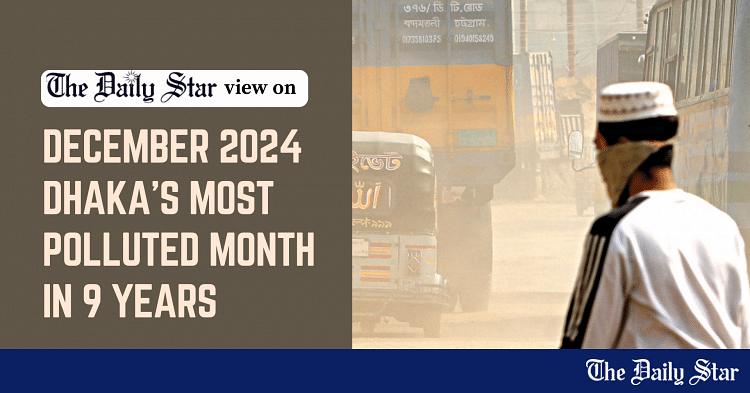
It is alarming to learn that this December marked the most polluted month in Dhaka in the past nine years. According to the Center for Atmospheric Pollution Studies (CAPS), over these nine years, the months of December have seen 17 days of "hazardous" air, with 11 of those days being in last December. Research by CAPS found that the average Air Quality Index (AQI) last month was 288—the worst since 2016. On December 14, the pollution level reached an unprecedented 880 AQI at 11 PM.

Thus, Dhaka has suffered from consistently poor air quality over the years. While the air quality slightly improves during the monsoon season, it deteriorates to "unhealthy" and "very unhealthy" levels during winter. But 11 days of "hazardous" air in a single month indicates a tipping point that demands decisive action.

The failure of the previous government has undoubtedly contributed to the current situation. Many projects were undertaken over the past decade to improve air quality, but these failed to deliver results, with allegations of funds being misappropriated by the relevant authorities. But has anything changed since the political transition in August? Reportedly, no significant initiatives have been undertaken to address major pollution sources such as brick kilns, factory emissions, unfit vehicles, indiscriminate waste burning, and unchecked construction activities. We do not need additional projects to curb these illegal activities—what we need is active, consistent monitoring which is sorely lacking at present. The environment ministry must be held accountable for this failure.

It is known that political influence hindered efforts when Awami League was in power, but how to explain the lack of progress since the interim government took charge? After assuming the role of environment adviser, Syeda Rizwana Hasan announced a National Air Quality Management Action Plan to address pollution sources, improve air monitoring, and strengthen enforcement mechanisms. Months have passed, yet there has been no tangible progress. As a result, Dhaka's hospitals are now overwhelmed with patients suffering from pollution-related diseases.

We do not expect a dramatic change under the interim government, but Dhaka's residents at least deserve to see some measurable progress in curbing its air pollution. The authorities must not fail them again.​
 

Anti-polythene drive: Tk 29 lakh fined, 60,000kg polythene seized

1736038592895.webp

Photo: UNB

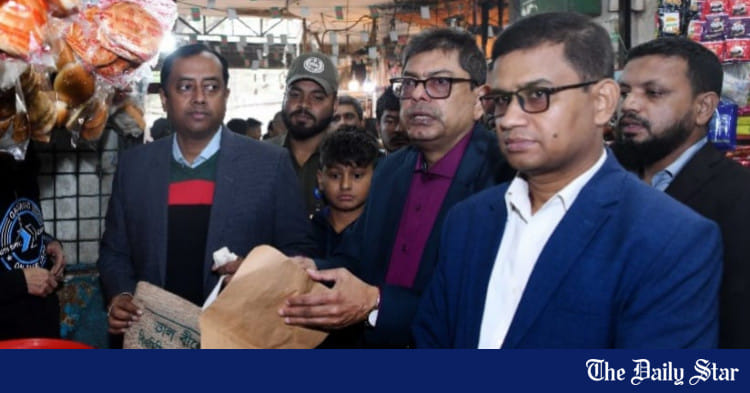
The Ministry of Environment, Forest, and Climate Change has intensified its crackdown on illegal polythene bag production, imposing fines of approximately Tk 29 lakh and seizing nearly 60,000 kilogrammes of polythene during nationwide operations since November 3.

Tapan Kumar Biswas, additional secretary and chairpersn of the Ministry's Monitoring Committee stated that a total of 216 mobile court operations have been carried out nationwide.

The operations targeted 438 establishments, leading to the seizure of 59,959 kilograms of polythene.

"The number of mobile courts has been increased to enforce stricter measures. Legal actions will be taken against offenders," he said during a media briefing following a monitoring operation at Hatirpool and Palashi markets in Dhaka.

Highlighting the environmental damage caused by polythene, Tapan noted its role in severe pollution, obstruction of rivers and canals, and soil degradation.

He stressed the importance of enforcing the ban effectively and urged citizens to adopt reusable alternatives such as jute, fabric, or wax-coated paper bags.

"We need everyone's cooperation to make this initiative a success," he said, calling for public awareness and media support.

The monitoring operation was conducted by officials from the ministry, the Department of Environment, law enforcement agencies, and market committee representatives.

The team inspected shops for compliance and encouraged traders to switch to eco-friendly alternatives like jute and fabric bags.​
 

Prevent start of illegal brick kilns’ operations in hill districts: HC to govt


1736123511295.webp

File photo of Bangladesh High Court

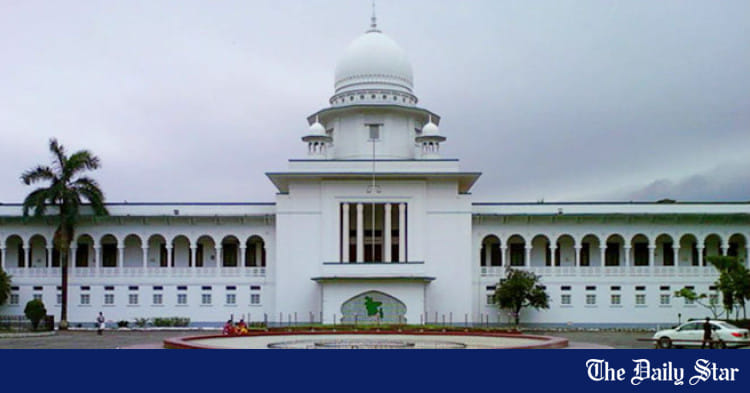
The High Court today ordered the government to take necessary steps in a week in order to prevent the illegal brick kilns in different places of the three hill districts--Khagrachhari, Bandarban and Rangamati--from starting their activities.

The HC asked the deputy commissioners of the three districts to comply with the directives and to submit compliance reports before it in two weeks.

The bench of Justice Farah Mahbub and Justice Debasish Roy Chowdhury delivered the order after hearing a writ petition filed by in 2022 by Human Rights and Peace for Bangladesh (HRPB) seeking necessary directives to stop the activities of illegal brick kilns without licenses in the three hill districts.

Petitioner's lawyer Manzill Murshid told the court that the season for production of brick kilns has already started.

If illegal brick kilns start operations, it will harm the environment and public health, he said.

Advocate Manzill Murshid also mentioned that if directives are not given from the HC to prevent illegal brick kilns from starting operations, those will start the seasonal works again and therefore, it will be very harmful to the environment.​