Bangladesh Defense

Saif
Senior Member
- Joined
- Jan 24, 2024
- Messages
- 22,262
- Likes
- 9,869
- Nation

- Axis Group

Bangladesh’s sinking delta faces $52b climate-funding gap
Bangladesh faces a growing climate-financing challenge as sinking delta land and rising sea levels threaten coastal communities, infrastructure and economic activity. The country's Delta Plan 2100 requires an estimated US$52 billion in investment through 2040, but with 99 per cent of the expenditu
Bangladesh’s sinking delta faces $52b climate-funding gap
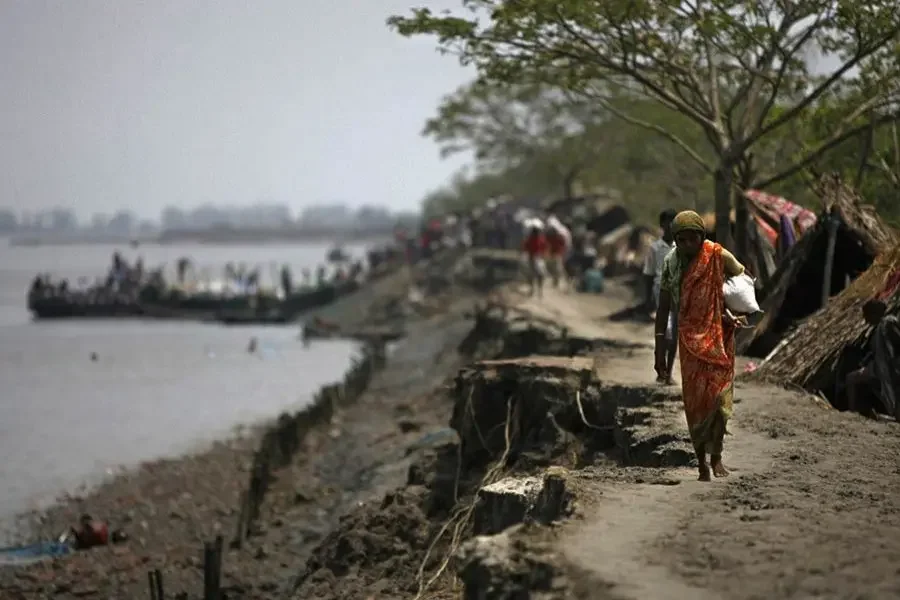
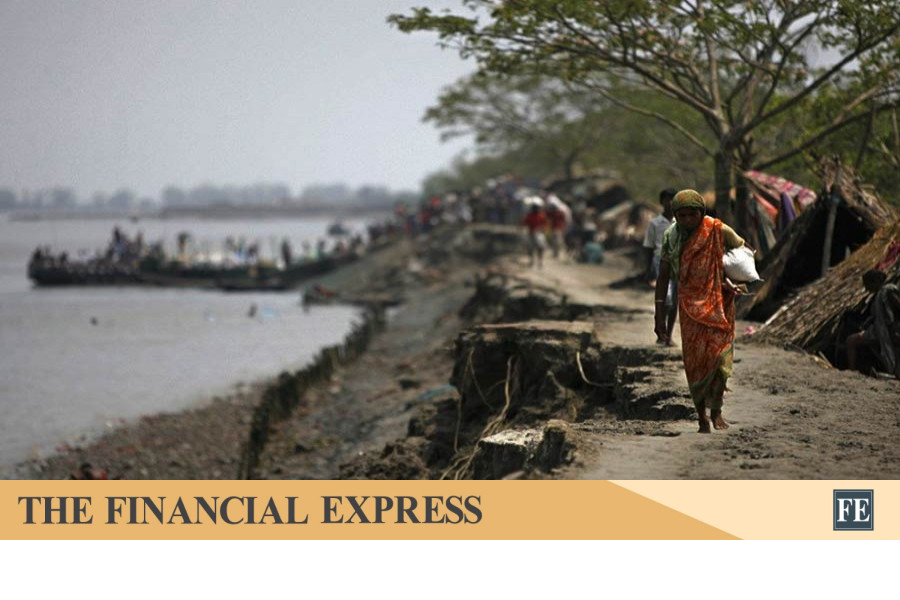
Representational image
Bangladesh faces a growing climate-financing challenge as sinking delta land and rising sea levels threaten coastal communities, infrastructure and economic activity.
The country's Delta Plan 2100 requires an estimated US$52 billion in investment through 2040, but with 99 per cent of the expenditure expected to come from public resources, securing the necessary funding remains a formidable task.
The challenge is compounded by land subsidence, which can accelerate the relative rise in sea levels and worsen coastal flooding.
"Land subsidence is exceeding sea level rise in major river delta systems," says the Asian Development Bank (ADB) in its Asia-Pacific Climate Report 2026: Coastal Risks on the Rise -- Actions for a Resilient Future, released on Wednesday.
The Delta Plan 2100 envisages 80 projects, with estimated implementation costs of around $52 billion, including operation and maintenance, through 2040.
Financing the plan remains a major challenge, as the report estimates that 99 per cent of total expenditure will need to come from public resources.
Delta-related expenditure would need to reach 2.5 per cent of gross domestic product (GDP) annually, according to the report.
Against existing adaptation spending of around 0.8 per cent of GDP a year, Bangladesh would require an additional 1.2 per cent of GDP in public finance and 0.5 per cent in private investment.
The funding requirement comes as the country faces mounting risks from coastal flooding, erosion and saltwater intrusion, which threaten settlements, infrastructure, livelihoods and economic activity.
The report estimates that around 17.45 million people in Bangladesh could be affected by coastal flooding by 2100 under a high-emissions scenario.
It identifies Bangladesh and Vietnam as countries facing both high absolute exposure and a high relative population burden from coastal flooding.
The risks extend beyond damage to homes and farmland. Flooding and salinity can disrupt transport, undermine agricultural production, threaten freshwater supplies and damage infrastructure, increasing pressure on public expenditure and the wider economy.
Land subsidence adds another layer of risk. The report says the Ganges-Brahmaputra-Meghna delta has a mean subsidence rate of 4 millimetres a year, while the maximum rate in some locations reaches 55 millimetres a year.
Subsidence is driven by factors including groundwater extraction, sediment compaction and reduced sediment supply.
As a result, some areas can experience a faster rise in relative sea levels than projections based on ocean levels alone would suggest, intensifying the risks of flooding, erosion and saltwater intrusion.
The report's regional projections underline the potential economic cost of delaying adaptation. Across 30 coastal economies in Asia and the Pacific, annual coastal flood damage is estimated at around $27 billion today.
Without adequate adaptation, it could rise to between $172 billion and $199 billion by 2050, and between $520 billion and $739 billion by 2100.
The ADB estimates that annual investment of $9 billion to $19 billion in coastal protection across the economies covered could keep damage close to current levels and avert between $178 billion and $360 billion in losses each year.
These are regional estimates, not Bangladesh-specific costs, but they indicate the potential economic benefits of investing in coastal resilience before disasters cause further damage.
More than 400 million people in the ADB's developing member economies with coastlines live within 10 kilometres of the sea.
The region's coastal areas generate an estimated $7.0 trillion in economic output annually, making the protection of coastal settlements and infrastructure an economic as well as an environmental priority.
The report also highlights a gap in climate finance. International adaptation finance for coastal economies rose from around $5 billion in 2015 to an annual average of $11.4 billion in 2022-23, but financing needs remain substantial.
For Bangladesh, the challenge is to turn long-term planning into funded, coordinated and implementable investments while managing competing demands on public resources.
The Delta Plan's reliance on public funding makes the mobilisation of government resources and the effective prioritisation of projects particularly important.
The report calls for long-term, adaptive and risk-informed approaches to coastal protection that take account of differences in local geography and exposure.
Such approaches can help governments plan investments in advance and adjust them as risks change, rather than relying mainly on emergency responses after disasters.
For Bangladesh, where the delta supports a large population and significant economic activity, the task is not only to finance the proposed investment but also to ensure that resources are deployed effectively to reduce risks to people, infrastructure and the economy over the coming decades.