War Archive

Saif
Senior Member
- Joined
- Jan 24, 2024
- Messages
- 22,387
- Likes
- 9,875
- Nation

- Axis Group


The Financial Express | First Financial Daily of Bangladesh
Get latest stock share market news, financial news, economy news, politics news, breaking news, Bangladesh economy news at The Financial Express.
US-Iran conflict: Diplomacy is indispensable
Mir Mostafizur Rahaman
Published :
Apr 14, 2026 00:00
Updated :
Apr 14, 2026 00:00
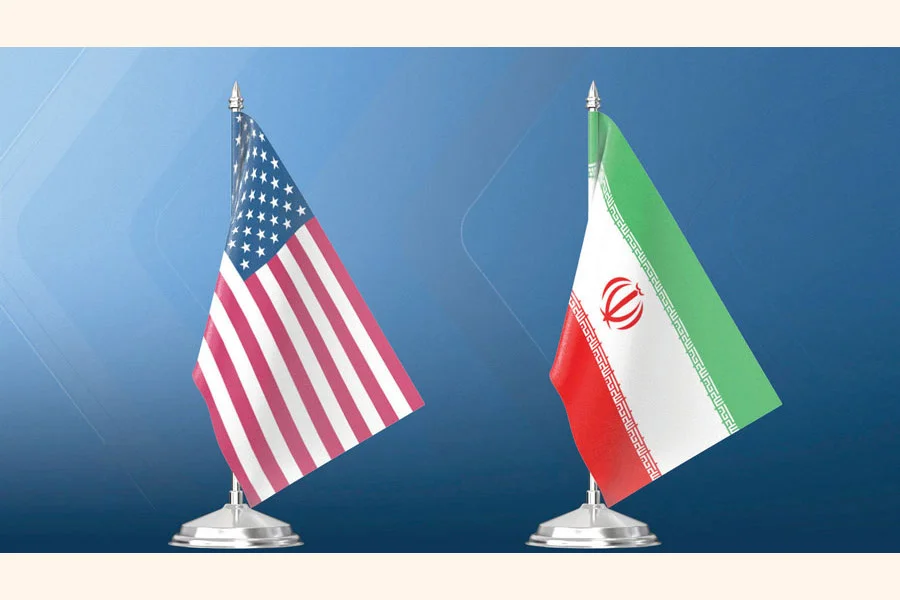
The inconclusive end of the Islamabad talks between the United States and Iran is, depending on how one looks at it, either a disappointment or a fragile sign of hope. There was no agreement, no grand announcement, no handshake moment to mark a turning point. Yet to dismiss the negotiations as a failure would be to misunderstand the nature of diplomacy itself. In conflicts as deep-rooted and combustible as that between Washington and Tehran, progress rarely arrives in sweeping gestures. More often, it emerges haltingly, through persistence, restraint and the willingness to keep talking even when agreement seems distant.
That the two countries sat across the table at all is significant. It was the first direct engagement at such a high level since the Iranian Revolution severed formal ties and entrenched decades of hostility. The shadows of that rupture still loom large, shaping mutual suspicion and constraining political imagination on both sides. But history, while powerful, is not destiny. If anything, the current crisis underscores the urgent need to break free from its grip.
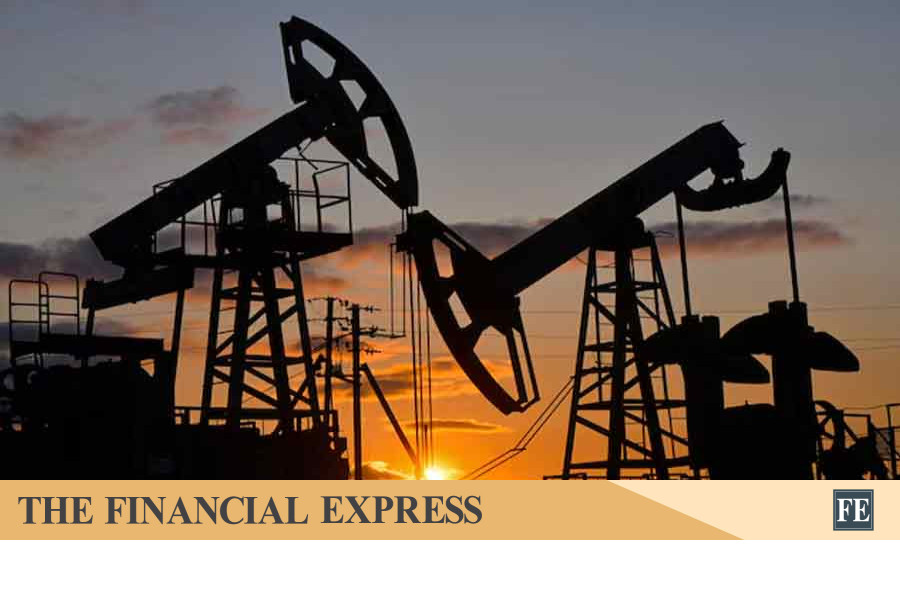
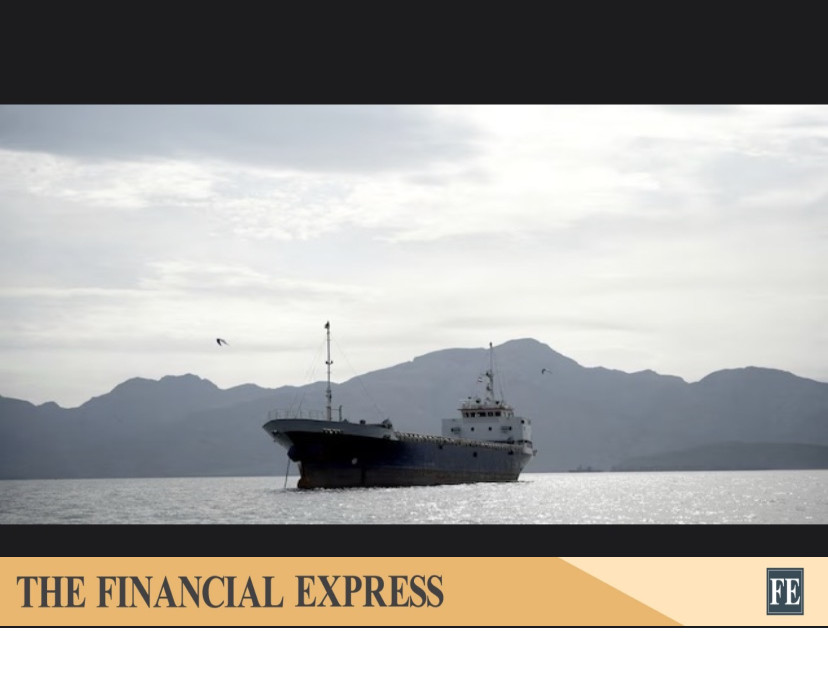
The stakes could hardly be higher. Since the outbreak of war on February 28, the strategic Strait of Hormuz has effectively fallen under Iranian control. The result has been nothing short of seismic. Roughly one-fifth of the world’s crude oil passes through this narrow waterway, and its disruption has triggered a global energy shock, sending prices soaring and financial markets into anxiety. For countries across Asia and beyond, the crisis is not abstract. It has translated into fuel shortages, inflationary pressure and austerity measures that weigh heavily on ordinary citizens.
This is why diplomacy is not merely desirable; it is indispensable. War between the United States and Iran is not a contained conflict. It radiates outward, destabilising regions, distorting markets and endangering millions of lives far removed from the battlefield. There are no winners in such a conflict—only varying degrees of loss.
Washington’s frustration with the Islamabad talks is rooted in a familiar demand: that Iran must provide a clear and enforceable commitment not to develop nuclear weapons. From the American perspective, this is non-negotiable. The fear is not only that Iran might build a bomb, but that it could acquire the capability to do so rapidly, thereby shifting the strategic balance in the Middle East.
Tehran, for its part, rejects these allegations. Iranian officials insist that their nuclear programme is peaceful, designed for civilian energy needs rather than military purposes. They have, however, signalled a willingness to accept limits provided sanctions are lifted and their rights are respected. According to them, it is Washington that has undermined trust, particularly through its withdrawal from the Joint Comprehensive Plan of Action under the administration of Donald Trump.
That decision continues to cast a long shadow. The 2015 agreement, negotiated under Barack Obama, placed strict limits on Iran’s uranium enrichment—capping it at 3.67 per cent—in exchange for sanctions relief. Its collapse not only revived economic pressure on Iran but also eroded the trust necessary for future negotiations. Since then, Iran has increased enrichment levels to 60 per cent, a technically alarming development even if it falls short of the 90 per cent required for weaponisation.
The cycle is familiar and self-reinforcing: mistrust breeds escalation, escalation justifies further mistrust. Breaking that cycle demands political courage — something that has often been in short supply.
The decision by Donald Trump to send JD Vance to Islamabad suggests that Washington recognises the importance of engagement, even if its rhetoric remains firm. High-level representation signals intent. But intent must be matched by flexibility. Diplomacy cannot succeed if it is reduced to the presentation of ultimatums.
Equally, Iran must calibrate its approach. While it is right to insist on its sovereign rights, it cannot ignore the concerns its nuclear activities generate internationally. Transparency and verifiable commitments are not concessions to American pressure; they are prerequisites for rebuilding global confidence.
Nowhere is the cost of continued conflict more visible than in the Strait of Hormuz. Iran’s suggestion that it could impose transit fees on passing ships has been met with firm opposition from the United States, which insists the waterway must remain open and toll-free. This is not a trivial disagreement. It goes to the heart of global economic stability. The near-blockade of the strait has already disrupted approximately 20 million barrels of oil per day — far exceeding the impact of the 1973 oil embargo, which removed 4.5 million barrels from supply and plunged the world into recession.
The comparison is sobering. If the current situation persists, the economic fallout could be even more severe, particularly for developing economies that lack the buffers to absorb sustained price shocks. Bangladesh, India and other Asian countries are already feeling the strain, forced to make difficult choices between fiscal stability and social protection.
Against this backdrop, the argument for diplomacy becomes overwhelming. War is not only destructive; it is economically irrational. It undermines the very interests it purports to defend.
Yet the obstacles to a negotiated settlement remain formidable. Domestic politics in both countries complicate compromise. In the United States, any agreement with Iran is likely to face intense scrutiny, if not outright opposition. In Iran, hardline factions view engagement with suspicion, wary of repeating what they see as the mistakes of the past.
This is where international mediation can play a crucial role. Countries like Oman, which has previously facilitated back-channel talks, offer a neutral platform for dialogue. Their involvement underscores an important truth: diplomacy is rarely a bilateral endeavour. It is sustained by a network of actors committed to de-escalation.
But mediation alone cannot resolve the crisis. Ultimately, the responsibility lies with Washington and Tehran. Both must recognise that maximalist positions are a dead end. The United States cannot expect unconditional capitulation, and Iran cannot assume it can defy international concerns without consequence.
Instead, a phased approach may offer a way forward. Incremental steps — such as limited sanctions relief in exchange for verifiable restrictions on enrichment — could help rebuild trust. Confidence-building measures, including transparency initiatives and humanitarian cooperation, could create space for more substantive agreements.
Crucially, both sides must resist the temptation to conflate diplomacy with weakness. Engaging an adversary is not a sign of weakness; it is a recognition of reality. The alternative — prolonged conflict — serves no one.
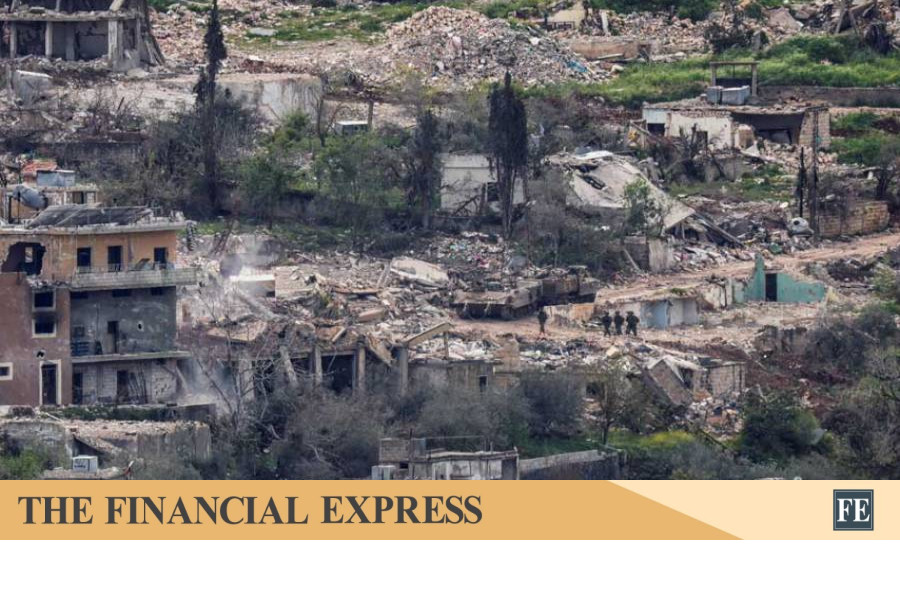
The human cost of the current war is already significant, though often overshadowed by geopolitical analysis. Lives have been lost, communities disrupted and futures uncertain. These are not abstract consequences. They are the everyday realities of those caught in the crossfire.
It is worth recalling that even at the height of the Cold War, bitter adversaries found ways to negotiate arms control agreements and avoid direct conflict. The lesson is clear: dialogue is possible even under the most challenging circumstances.
The Islamabad talks, for all their limitations, should be seen in this light. They are not the end of a process but the beginning of one. Disappointment is understandable, but it must not give way to despair. Diplomacy is, by its nature, iterative. It requires patience, persistence and a willingness to accept incremental progress.
There is, as ever, a choice to be made. The United States and Iran can continue down the path of confrontation, with all its attendant risks and costs. Or they can commit — genuinely and consistently — to the difficult work of negotiation.
The world has a stake in that choice. From the crisis in energy markets to the broader quest for regional stability, the consequences will be felt far beyond Washington and Tehran. This is not a bilateral issue; it is a global one.
For now, the absence of an agreement should not obscure the presence of an opportunity. Talks have begun. Channels of communication are open. These are fragile gains, but they are gains nonetheless. They must not be squandered.
If there is one lesson to draw from the current moment, it is this: diplomacy may be slow, imperfect and frustrating, but it remains the only path that offers a sustainable future. The United States and Iran would do well to remember that and act accordingly.
Mir Mostafizur Rahaman
Published :
Apr 14, 2026 00:00
Updated :
Apr 14, 2026 00:00
The inconclusive end of the Islamabad talks between the United States and Iran is, depending on how one looks at it, either a disappointment or a fragile sign of hope. There was no agreement, no grand announcement, no handshake moment to mark a turning point. Yet to dismiss the negotiations as a failure would be to misunderstand the nature of diplomacy itself. In conflicts as deep-rooted and combustible as that between Washington and Tehran, progress rarely arrives in sweeping gestures. More often, it emerges haltingly, through persistence, restraint and the willingness to keep talking even when agreement seems distant.
That the two countries sat across the table at all is significant. It was the first direct engagement at such a high level since the Iranian Revolution severed formal ties and entrenched decades of hostility. The shadows of that rupture still loom large, shaping mutual suspicion and constraining political imagination on both sides. But history, while powerful, is not destiny. If anything, the current crisis underscores the urgent need to break free from its grip.
The stakes could hardly be higher. Since the outbreak of war on February 28, the strategic Strait of Hormuz has effectively fallen under Iranian control. The result has been nothing short of seismic. Roughly one-fifth of the world’s crude oil passes through this narrow waterway, and its disruption has triggered a global energy shock, sending prices soaring and financial markets into anxiety. For countries across Asia and beyond, the crisis is not abstract. It has translated into fuel shortages, inflationary pressure and austerity measures that weigh heavily on ordinary citizens.
This is why diplomacy is not merely desirable; it is indispensable. War between the United States and Iran is not a contained conflict. It radiates outward, destabilising regions, distorting markets and endangering millions of lives far removed from the battlefield. There are no winners in such a conflict—only varying degrees of loss.
Washington’s frustration with the Islamabad talks is rooted in a familiar demand: that Iran must provide a clear and enforceable commitment not to develop nuclear weapons. From the American perspective, this is non-negotiable. The fear is not only that Iran might build a bomb, but that it could acquire the capability to do so rapidly, thereby shifting the strategic balance in the Middle East.
Tehran, for its part, rejects these allegations. Iranian officials insist that their nuclear programme is peaceful, designed for civilian energy needs rather than military purposes. They have, however, signalled a willingness to accept limits provided sanctions are lifted and their rights are respected. According to them, it is Washington that has undermined trust, particularly through its withdrawal from the Joint Comprehensive Plan of Action under the administration of Donald Trump.
That decision continues to cast a long shadow. The 2015 agreement, negotiated under Barack Obama, placed strict limits on Iran’s uranium enrichment—capping it at 3.67 per cent—in exchange for sanctions relief. Its collapse not only revived economic pressure on Iran but also eroded the trust necessary for future negotiations. Since then, Iran has increased enrichment levels to 60 per cent, a technically alarming development even if it falls short of the 90 per cent required for weaponisation.
The cycle is familiar and self-reinforcing: mistrust breeds escalation, escalation justifies further mistrust. Breaking that cycle demands political courage — something that has often been in short supply.
The decision by Donald Trump to send JD Vance to Islamabad suggests that Washington recognises the importance of engagement, even if its rhetoric remains firm. High-level representation signals intent. But intent must be matched by flexibility. Diplomacy cannot succeed if it is reduced to the presentation of ultimatums.
Equally, Iran must calibrate its approach. While it is right to insist on its sovereign rights, it cannot ignore the concerns its nuclear activities generate internationally. Transparency and verifiable commitments are not concessions to American pressure; they are prerequisites for rebuilding global confidence.
Nowhere is the cost of continued conflict more visible than in the Strait of Hormuz. Iran’s suggestion that it could impose transit fees on passing ships has been met with firm opposition from the United States, which insists the waterway must remain open and toll-free. This is not a trivial disagreement. It goes to the heart of global economic stability. The near-blockade of the strait has already disrupted approximately 20 million barrels of oil per day — far exceeding the impact of the 1973 oil embargo, which removed 4.5 million barrels from supply and plunged the world into recession.
The comparison is sobering. If the current situation persists, the economic fallout could be even more severe, particularly for developing economies that lack the buffers to absorb sustained price shocks. Bangladesh, India and other Asian countries are already feeling the strain, forced to make difficult choices between fiscal stability and social protection.
Against this backdrop, the argument for diplomacy becomes overwhelming. War is not only destructive; it is economically irrational. It undermines the very interests it purports to defend.
Yet the obstacles to a negotiated settlement remain formidable. Domestic politics in both countries complicate compromise. In the United States, any agreement with Iran is likely to face intense scrutiny, if not outright opposition. In Iran, hardline factions view engagement with suspicion, wary of repeating what they see as the mistakes of the past.
This is where international mediation can play a crucial role. Countries like Oman, which has previously facilitated back-channel talks, offer a neutral platform for dialogue. Their involvement underscores an important truth: diplomacy is rarely a bilateral endeavour. It is sustained by a network of actors committed to de-escalation.
But mediation alone cannot resolve the crisis. Ultimately, the responsibility lies with Washington and Tehran. Both must recognise that maximalist positions are a dead end. The United States cannot expect unconditional capitulation, and Iran cannot assume it can defy international concerns without consequence.
Instead, a phased approach may offer a way forward. Incremental steps — such as limited sanctions relief in exchange for verifiable restrictions on enrichment — could help rebuild trust. Confidence-building measures, including transparency initiatives and humanitarian cooperation, could create space for more substantive agreements.
Crucially, both sides must resist the temptation to conflate diplomacy with weakness. Engaging an adversary is not a sign of weakness; it is a recognition of reality. The alternative — prolonged conflict — serves no one.
The human cost of the current war is already significant, though often overshadowed by geopolitical analysis. Lives have been lost, communities disrupted and futures uncertain. These are not abstract consequences. They are the everyday realities of those caught in the crossfire.
It is worth recalling that even at the height of the Cold War, bitter adversaries found ways to negotiate arms control agreements and avoid direct conflict. The lesson is clear: dialogue is possible even under the most challenging circumstances.
The Islamabad talks, for all their limitations, should be seen in this light. They are not the end of a process but the beginning of one. Disappointment is understandable, but it must not give way to despair. Diplomacy is, by its nature, iterative. It requires patience, persistence and a willingness to accept incremental progress.
There is, as ever, a choice to be made. The United States and Iran can continue down the path of confrontation, with all its attendant risks and costs. Or they can commit — genuinely and consistently — to the difficult work of negotiation.
The world has a stake in that choice. From the crisis in energy markets to the broader quest for regional stability, the consequences will be felt far beyond Washington and Tehran. This is not a bilateral issue; it is a global one.
For now, the absence of an agreement should not obscure the presence of an opportunity. Talks have begun. Channels of communication are open. These are fragile gains, but they are gains nonetheless. They must not be squandered.
If there is one lesson to draw from the current moment, it is this: diplomacy may be slow, imperfect and frustrating, but it remains the only path that offers a sustainable future. The United States and Iran would do well to remember that and act accordingly.