Bangladesh Defense

Saif
Senior Member
- Joined
- Jan 24, 2024
- Messages
- 22,266
- Likes
- 9,869
- Nation

- Axis Group

Envoy: EU sees Bangladesh as growing strategic partner
EU ambassador says bloc seeks deeper trade and investment ties with Bangladesh ahead of LDC graduation
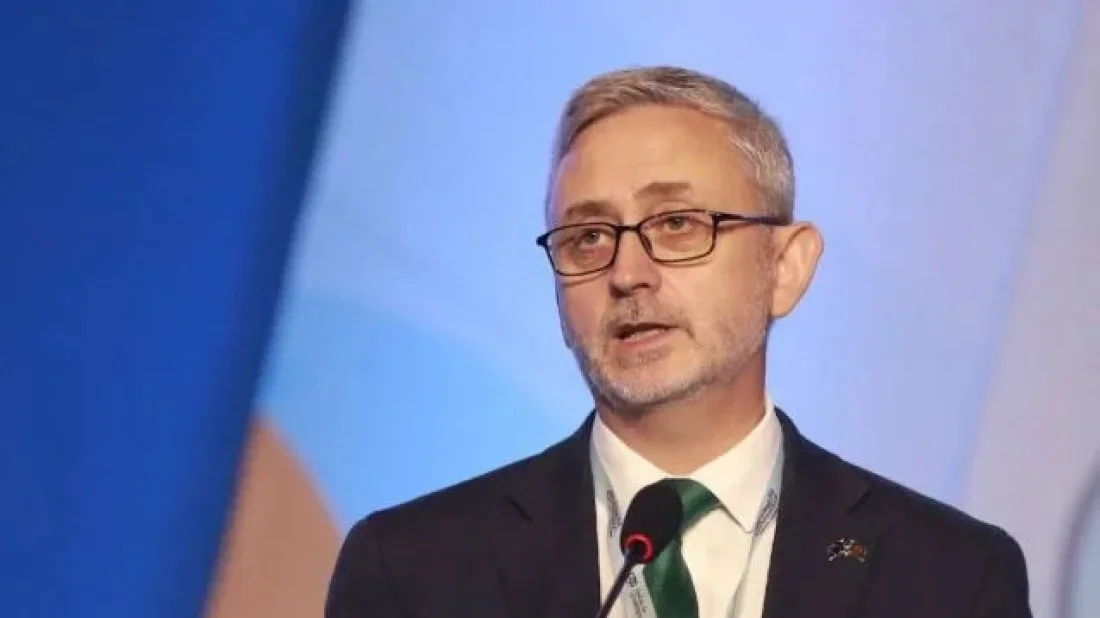
Ambassador and Head of the EU Delegation to Bangladesh, Michael Miller. Photo: Collected
The European Union views Bangladesh as a partner of growing strategic importance and wants to elevate ties beyond the traditional donor-recipient relationship, its ambassador said on Sunday.
Speaking at the Bay of Bengal Conversation in the capital, the Ambassador and Head of the EU Delegation to Bangladesh, Michael Miller, said the bloc was looking at Bangladesh with a "different level of ambition" British High Commissioner to Bangladesh Sarah Cook on Sunday met Prime Minister Tarique Rahman and discussed the overall state of Bangladesh-UK relations, including prospects for greater trade and investment, economic cooperation and human resource development.
The meeting was held at the Prime Minister’s Office in the Cabinet Division of the Bangladesh Secretariat, said a press release issued by the PM’s Press Wing.
During the meeting, they exchanged views on various issues of bilateral relations and matters of mutual interest.
They stressed the importance of further strengthening and broadening the longstanding and friendly relations between Bangladesh and the UK.
The country approaches graduation from least developed country (LDC) status.
"We are looking at Bangladesh as a partner of growing strategic importance," he said while sharing his thoughts through the "Diplomatic Lens" at the international conference.
He described Bangladesh as a country of "scale, ambition and consequence", saying its importance extended across South Asia, the Bay of Bengal and the wider Indo-Pacific.
The envoy said the relationship was moving beyond the traditional donor-recipient framework that had characterized an important part of Bangladesh-EU cooperation over the past decades.
He acknowledged the contribution of the EU's Everything But Arms (EBA) trade preference scheme to Bangladesh's development progress, including its role in expanding employment opportunities for millions of people, particularly women.
As Bangladesh prepares for LDC graduation, he said the EU was ready to work with Dhaka to ensure a smooth and successful transition while exploring the prospect of a future Free Trade Agreement (FTA).
The envoy said the offer to explore such an agreement with a country yet to graduate from LDC status was unprecedented for the European Union.
"The key message is: we are ready to match the level of speed and ambition demonstrated by Bangladesh," he said.
He, however, said the two sides would first have to determine whether sufficient common ground existed for a balanced, reciprocal and mutually beneficial agreement.
The ambassador stressed the importance of ensuring a level playing field for businesses under any future trade arrangement.
He said the success of deeper Bangladesh-EU economic engagement would depend on strong and accountable institutions, rule of law, labour rights, human rights, environmental protection and good governance. "These issues are central; they are not peripheral," he said.
The EU envoy said Bangladesh was navigating an important phase in its development journey amid LDC graduation, political transition, economic pressure, climate vulnerability and an increasingly complex external environment.
He said stronger institutions, independent oversight mechanisms and predictable and inclusive decision-making would help Bangladesh withstand geopolitical, geoeconomic, climate, social and technological pressures.
The ambassador also underlined the importance of constitutional reform, greater political consensus, skilled human resources, green growth, diversified exports and reliable infrastructure for the country's future development.
"If this country is to attract investment, both foreign and domestic, and to create meaningful jobs for its youth, it will require strong institutions and oversight mechanisms," he said.
He said critical infrastructure needed to be safeguarded while data management should remain transparent.
Highlighting the EU's investment approach, the envoy said European engagement sought to combine investment with technology, international standards, long-term capital and innovation.
He cited the Laldia Container Terminal in Chittagong and green bond initiatives as examples of areas where European engagement could bring additional value.
The ambassador said the EU could also share its experience in public administration and political and economic transition with Bangladesh.
He said Europe itself had gone through major transformations from autocratic systems towards democratic governance and modern economic institutions.
The EU, he said, wanted to help Bangladesh navigate increasing global competition while remaining "open, sovereign, resilient and connected".
Earlier in his speech, the envoy said the EU's own response to growing global uncertainty had been to strengthen its strategic autonomy while remaining open, cooperative and committed to international law and multilateralism.
He said the EU sought partnerships based on mutual interest, respect, fairness and a level playing field, while offering rules-based trade, sustainable investment and cooperation in climate, connectivity, digital transformation and human development.
The Bay of Bengal Conversation is being held at the Pan Pacific Sonargaon Hotel in Dhaka.
EU ambassador says bloc seeks deeper trade and investment ties with Bangladesh ahead of LDC graduation
Ambassador and Head of the EU Delegation to Bangladesh, Michael Miller. Photo: Collected
The European Union views Bangladesh as a partner of growing strategic importance and wants to elevate ties beyond the traditional donor-recipient relationship, its ambassador said on Sunday.
Speaking at the Bay of Bengal Conversation in the capital, the Ambassador and Head of the EU Delegation to Bangladesh, Michael Miller, said the bloc was looking at Bangladesh with a "different level of ambition" British High Commissioner to Bangladesh Sarah Cook on Sunday met Prime Minister Tarique Rahman and discussed the overall state of Bangladesh-UK relations, including prospects for greater trade and investment, economic cooperation and human resource development.
The meeting was held at the Prime Minister’s Office in the Cabinet Division of the Bangladesh Secretariat, said a press release issued by the PM’s Press Wing.
During the meeting, they exchanged views on various issues of bilateral relations and matters of mutual interest.
They stressed the importance of further strengthening and broadening the longstanding and friendly relations between Bangladesh and the UK.
The country approaches graduation from least developed country (LDC) status.
"We are looking at Bangladesh as a partner of growing strategic importance," he said while sharing his thoughts through the "Diplomatic Lens" at the international conference.
He described Bangladesh as a country of "scale, ambition and consequence", saying its importance extended across South Asia, the Bay of Bengal and the wider Indo-Pacific.
The envoy said the relationship was moving beyond the traditional donor-recipient framework that had characterized an important part of Bangladesh-EU cooperation over the past decades.
He acknowledged the contribution of the EU's Everything But Arms (EBA) trade preference scheme to Bangladesh's development progress, including its role in expanding employment opportunities for millions of people, particularly women.
As Bangladesh prepares for LDC graduation, he said the EU was ready to work with Dhaka to ensure a smooth and successful transition while exploring the prospect of a future Free Trade Agreement (FTA).
The envoy said the offer to explore such an agreement with a country yet to graduate from LDC status was unprecedented for the European Union.
"The key message is: we are ready to match the level of speed and ambition demonstrated by Bangladesh," he said.
He, however, said the two sides would first have to determine whether sufficient common ground existed for a balanced, reciprocal and mutually beneficial agreement.
The ambassador stressed the importance of ensuring a level playing field for businesses under any future trade arrangement.
He said the success of deeper Bangladesh-EU economic engagement would depend on strong and accountable institutions, rule of law, labour rights, human rights, environmental protection and good governance. "These issues are central; they are not peripheral," he said.
The EU envoy said Bangladesh was navigating an important phase in its development journey amid LDC graduation, political transition, economic pressure, climate vulnerability and an increasingly complex external environment.
He said stronger institutions, independent oversight mechanisms and predictable and inclusive decision-making would help Bangladesh withstand geopolitical, geoeconomic, climate, social and technological pressures.
The ambassador also underlined the importance of constitutional reform, greater political consensus, skilled human resources, green growth, diversified exports and reliable infrastructure for the country's future development.
"If this country is to attract investment, both foreign and domestic, and to create meaningful jobs for its youth, it will require strong institutions and oversight mechanisms," he said.
He said critical infrastructure needed to be safeguarded while data management should remain transparent.
Highlighting the EU's investment approach, the envoy said European engagement sought to combine investment with technology, international standards, long-term capital and innovation.
He cited the Laldia Container Terminal in Chittagong and green bond initiatives as examples of areas where European engagement could bring additional value.
The ambassador said the EU could also share its experience in public administration and political and economic transition with Bangladesh.
He said Europe itself had gone through major transformations from autocratic systems towards democratic governance and modern economic institutions.
The EU, he said, wanted to help Bangladesh navigate increasing global competition while remaining "open, sovereign, resilient and connected".
Earlier in his speech, the envoy said the EU's own response to growing global uncertainty had been to strengthen its strategic autonomy while remaining open, cooperative and committed to international law and multilateralism.
He said the EU sought partnerships based on mutual interest, respect, fairness and a level playing field, while offering rules-based trade, sustainable investment and cooperation in climate, connectivity, digital transformation and human development.
The Bay of Bengal Conversation is being held at the Pan Pacific Sonargaon Hotel in Dhaka.