[🇧🇩] Bangladesh Tourism

Afghanistan Albania Algeria Andorra Angola Antigua Austria Azerbaijan Bahamas Bahrain Bangladesh Barbados Canada China Egypt Finland Germany India Iran Israel Japan Lebanon North Macedonia Pakistan Palestine Qatar Russia Syria Turkey Ukraine United Kingdom United States Yemen
[🇧🇩] Bangladesh Tourism
82
5K
More threads by Saif

G Bangladesh Defense

PM wants ShareTrip to emerge as global travel brand​


Published: July 14, 2026 | 10:57 PM

2 min read
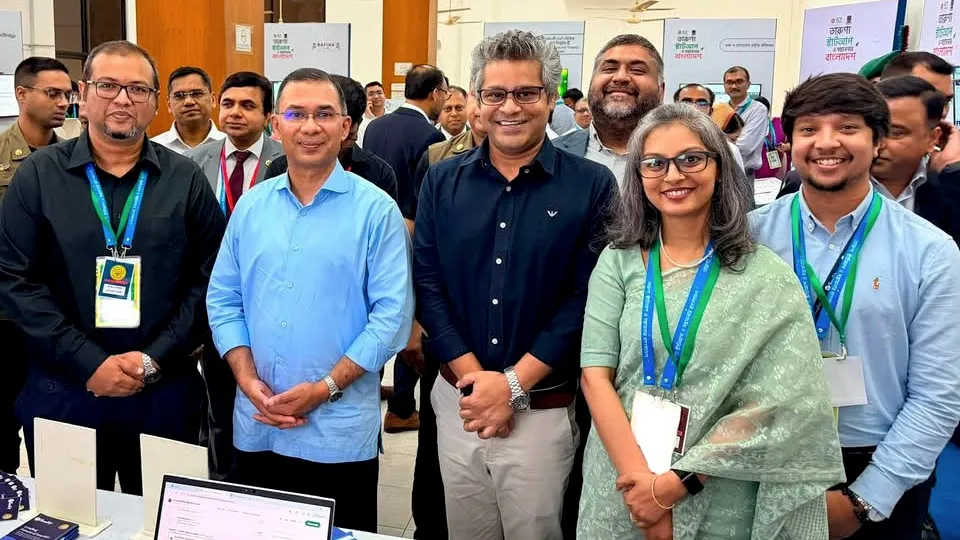
PM wants ShareTrip to emerge as global travel brand

Dhaka: Prime Minister Tarek Rahman has pledged government backing to help ShareTrip, the country's leading homegrown travel-tech platform, grow into a globally recognized brand, saying policy support would be extended to help local startups expand abroad.

He made the remarks on July 14 as chief guest at the "Youth, Startups and the Bangladesh of Opportunities" event, organized by the ICT Division at the University of Dhaka.

The Prime Minister said a national startup policy is being prepared and that steps are underway to let Bangladeshi diplomatic missions abroad actively support companies seeking overseas expansion.

Speaking about ShareTrip specifically, he said, "We want to take this company to the global stage. ShareTrip has worked hard and deserves it."

He added that a successful global push by ShareTrip could pave the way for similar backing to be extended to other Bangladeshi startups and tech firms.

Observers see the comments as a strong government endorsement of the country's expanding travel-tech sector and part of a wider push to diversify exports and strengthen digital services.

ICT Adviser Rehan Asad said he had suggested ShareTrip focus its expansion efforts on the Middle East, calling it the region with the most promising growth prospects for Bangladeshi travel-tech firms.

ShareTrip Co-Founder and CEO Sadia Haque also spoke at the event, walking attendees through the company's growth story and outlining policy changes she believes are needed to help Bangladeshi tech firms compete globally.

Haque said startups need more than capital to thrive, pointing to the importance of supportive regulation and an ecosystem that treats young companies as partners rather than rivals.

She also called on the government to introduce a comprehensive national startups and innovation policy and proposed formal recognition of local online travel agencies along with a streamlined e-visa system to support tourism.

Launched in 2019, ShareTrip has grown into the country's largest homegrown travel-tech company, with a user base exceeding 2.7 million. It is also one of the few travel platforms worldwide with direct integration into Saudi Arabia's Nusuk system, run under the Ministry of Hajj and Umrah.

The company counts Japan's Marubeni Corporation and state-backed Startup Bangladesh Limited among its investors.

Industry stakeholders say the Prime Minister's public support for ShareTrip could boost investor sentiment toward Bangladesh's digital travel space, and that follow-through on policy reform and overseas-expansion assistance would help local travel-tech firms build a stronger footprint across regional and global markets.
 

PM outlines plans to boost Bangladesh's tourism sector​


Published: July 15, 2026 | 02:21 PM

3 min read

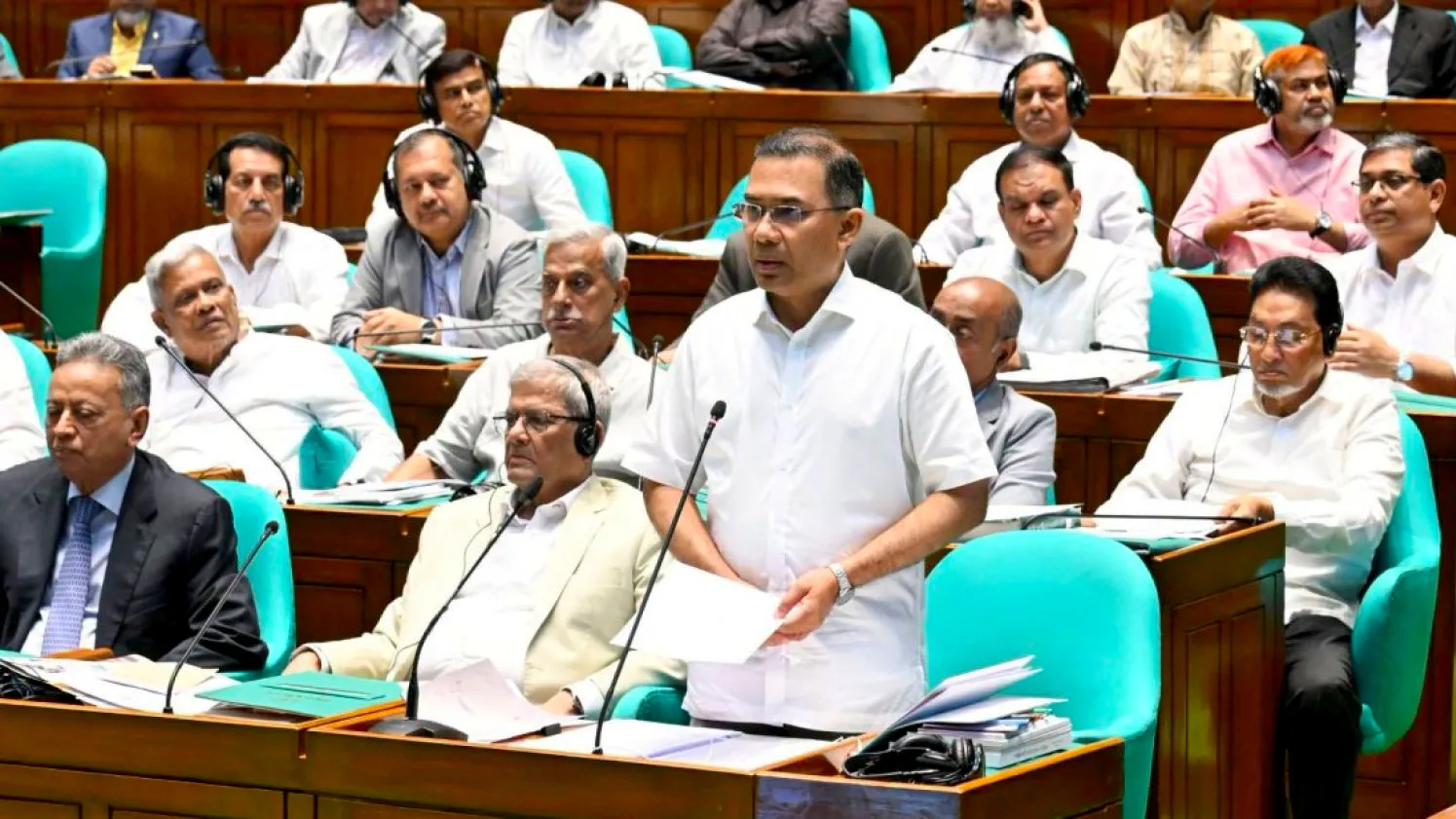
PM outlines plans to boost Bangladesh's tourism sector

Dhaka: Prime Minister Tarique Rahman said the government considers tourism a central pillar for driving economic growth, creating jobs, and reducing poverty in Bangladesh, adding that authorities are drafting a long-term Tourism Master Plan to make the sector sustainable and better connected to the mainstream economy.

He said the upcoming master plan, based on the government's specific electoral pledges, will serve as the foundation for prioritizing and implementing future development projects. Simultaneously, work is progressing to update the National Tourism Policy to keep pace with shifting global trends.

The Prime Minister added that the Bangladesh Parjatan Corporation is working across the country to upgrade tourism infrastructure, expand facilities, and identify new destinations for visitors.

He made the comments on July 15 while answering a question from Cox's Bazar-3 Member of Parliament Lutfur Rahman during the 25th sitting of parliament's ongoing budget session.

The Prime Minister said the government has taken steps to transform Cox's Bazar into a world-class tourist destination, with international-standard tourism facilities planned on 132.44 acres of Bangladesh Parjatan Corporation land under a public-private partnership (PPP) model.

Alongside this, construction is underway on a modern Tourism Training Institute at the Motel Laboni compound in Cox's Bazar, intended to build a skilled, international-standard workforce for the tourism and hospitality industry.

He noted that plans for international-standard hotels on Bangladesh Parjatan Corporation land in Cox's Bazar, Sylhet, and Khulna have moved forward significantly, with demand and feasibility studies already completed by Dhaka University's Institute of Business Administration (IBA) through the Bangladesh Investment Development Authority (BIDA).

The Prime Minister said new Tourist Information Centers have opened at Hazrat Shahjalal International Airport and at Benapole, the nation's largest land port, to assist domestic and international travelers.

LED information boards are also being installed at major airports, land ports, and railway stations nationwide to make tourism-related information more accessible.

To keep visitors safe, volunteer teams have been deployed at popular tourist spots, and CCTV coverage is being expanded at these locations, the Prime Minister said, adding that feasibility studies for additional projects are ongoing, while virtual tours are also being prepared to promote the country's attractions to audiences abroad.

The government is working to create a more investment-friendly environment for both local and foreign investors in tourism, offering policy support to entrepreneurs while pushing major projects forward through public-private partnerships (PPP).

The Prime Minister added that efforts have also been intensified to promote eco-tourism, community-based tourism, and heritage and cultural tourism, alongside digital campaigns to strengthen Bangladesh's tourism brand internationally.

Participation in global tourism fairs and organized familiarization trips are also helping introduce the country's tourism offerings to audiences overseas, he said.

On improving service standards, the Prime Minister said the government regularly runs specialized training for tour operators, tourism entrepreneurs, amusement park staff, accommodation providers, and transport workers. Field-level training is also being offered to support community tourism, ethnic tourism, and water-based tourism, he said.

The National Hotel and Tourism Training Institute, run under Bangladesh Parjatan Corporation, remains the country's leading body for training tourism professionals. It currently offers programs such as a Diploma in Hotel Management, Tourism and Hospitality Management, Professional Chef Training, Front Office Operations, Housekeeping, and Food and Beverage Service.

The Prime Minister said the government has also launched an initiative to professionalize tour guiding, training guides specifically for archaeological, ethnic, and ecotourism sites. Under this program, the Parjatan Corporation trained 101 participants in May 2026.

He concluded by saying the government is coordinating closely with all relevant institutions to transform the country’s tourism sector into a modern, technology-driven, and foreign exchange-earning industry.
 

Tourism for development of creative economy in Bangladesh


1784330540376.webp


Creative economy means the development of products and services through the merit, creativity, imagination, and innovation capacity of the people, blending their values, beliefs, and willingness for the well-being of humans. This economic sector is contributing US$ 2 trillion to the global economy and is accountable for 5 crore global jobs. Our neighbouring countries, such as India (2.5 per cent), Indonesia (7.28 per cent), and the Philippines (7.34 per cent), have contributed to their GDP through the creative economy.

The common examples of creative economic activities are folk and traditional song, filmmaking, content creation, mobile games, YouTubing, local arts and crafts, traditional souvenirs, and traditional handicrafts. The main sectors for the creative economy are drama and film, song and performing arts, fashion and design, graphics and digital design, advertising, books and publications, photography, interior design, sports and entertainment, digital content, printing and sculpture, folk art and craft, and tourism activities.

The Government of Bangladesh (GOB) has allocated a special fund of Tk. 300 crores in the national budget of the 2026-2027 fiscal year for creative economy development in the country. This special allocation will be spent for digital service, entrepreneurship development, export facilitation in creative products, establishing creative zones and hubs, and a creative skill development programme based on arts, culture, and technology. The GOB has targeted that creative economy will contribute 1.5 per cent to GDP through diversification of the economy, new employment opportunities, and earning foreign currency. National Creative Centre (Creative Hub) and Shilpokola Academy of every district and upazila will take necessary initiatives according to government instructions in this regard. Moreover, the GOB will establish the 'Bangladesh Creative Development Authority' for promoting and highlighting the creative economy as well as special branding of the country.

Creative tourism needs to develop new concepts in ecotourism, cultural tourism, heritage tourism, festival tourism, and archeological tourism through innovation, creativity, and tangible and intangible contents. This tourism development involves the wider value chain network among the relevant stakeholders rather than a limited scope of collaboration. It gives experience in new technology, creative content, developing new products, as well as creative lifestyles. Linking tourism and creative industries through innovation, creative experiences, and collaborative support can make a significant contribution to the development of the creative economy. The government can play a vital role in creative tourism in terms of tourism cluster development, supporting introducing new products and services, enhancing innovation in networking, and creative entrepreneurship development. The tourism stakeholders support in skill and knowledge development for creative content development and displays on different platforms for creative tourism promotion. Tourists also share their creative experiences with others for flourishing and enhancing creative tourism development.

The GOB has identified tourism as a significant sector for creative economy development in the country. Several tourism segments, such as ecotourism, cultural tourism, heritage tourism, festival tourism, and archeological tourism have been selected as potential contributing tools for the creative economy. Special attention will be given to develop cultural tourism through highlighting tangible and intangible heritages, archeological treasures, and preparing the 'National Festival Calendar'. The GOB will promote potters, weaving shitalpati, prepare wood toys, ornaments, and terracotta, and other rural products to attract tourists under the 'One village one product' initiative.

Several challenges remain to the effective contribution of tourism to the development of the creative economy in Bangladesh. Firstly, lack of policy initiatives, proper regulation, accurate statistics, and coordination among the related government organisations. Secondly, necessary financing, investment opportunities, loan facilities, venture capital, and creative funds are absent to support the entrepreneurs. Thirdly, effective branding of the country is essential for creative tourism development. Moreover, proper marketing strategies and copyright trade are also important in this regard. Fourthly, a weak supply chain network and lack of creative infrastructure such as studios, lab facilities, and digital platform utilisation are creating challenges to creative tourism development. Fifthly, Bangladesh needs trained and qualified human resources for developing creative tourism in the country.

Bangladesh Tourism Board (BTB) would be included in the development of creative economy-related tourism segments in its upcoming 'Tourism Master Plan' for effective policy formulation and implementation of necessary initiatives. Moreover, this national tourism organisation is branding Bangladesh as a hub of creative tourism for tourists from home and abroad. Furthermore, BTB can take initiatives to build the capacity of tourism stakeholders for segment-based tourism development to contribute to the creative economy. The collaboration efforts between tourism administrations, regional authorities, and tourism stakeholders can ensure proper implementation of creative tourism development initiatives.

Bangladesh Investment Development Authority (BIDA) is the government organisation for seeking and facilitating investment in the country from home and abroad. The authority can formulate specific policies and strategies on the development and utilisation of growth opportunities in creative tourism. BIDA can prioritise the necessary initiatives for attracting local and international investments in creative tourism.

ICT Division is the concerned government authority for building a developed Bangladesh through prioritised technical support, broader application and use of ICT at all levels of the country. This division can connect the creative activities through digital platforms and online tools for creative tourism development and properly brand them. The government authority should be facilitated by creative marketing campaign for creative tourism content and experiences by using modern technologies. This authority can connect various creative tourism value chain activities by applying effective technologies and delivering them in digital media.

The National University is the largest affiliating authority of higher education in Bangladesh providing quality education to about 4 million students under around 2300 educational institutions, which is 70 per cent of higher education in the country. The university made an ICT course compulsory to increase the technical efficiency of the students and prepare them for the job market. Moreover, the university established multi language learning institute to teach the students a third language. Again, the university aims to produce 5,000 freelancers annually, using the resources and facilities of NU. Along these initiatives, the university can include tourism and hospitality-related courses in all degree-level curricula to increase the abilities of students towards creativity and innovation.

The GOB can arrange start-up funding for the entrepreneurs of creative tourism with financial support from development partners such as the World Bank, ADB, and other international organisations. The GOB also influences the private and financial institutions for monetary support in creative tourism development. Finally, the national strategy and policy framework should harmonise the creative tourism development in the country to contribute to GDP, employment generation, and sustainable development.

Dr. Md. Anowar Hossain Bhuiyan is an associate professor and deputy director of the Innovation and Sustainability Lab (ISL) at National University, Bangladesh.

Manzuma Sharmin Munne is a lecturer and member of the operational body of the Innovation and Sustainability Lab (ISL) at National University, Bangladesh.​
 

Latest Posts

Back