[🇧🇩] Building a Modern Defense Industry in Bangladesh

[🇧🇩] Building a Modern Defense Industry in Bangladesh
25
3K
More threads by Saif

G Bangladesh Defense

Saif

Senior Member
Joined
Jan 24, 2024
Messages
22,172
Likes
9,869
Nation

Axis Group

Building defence industry in Bangladesh​

Mohammad Abdur Razzak | Published: 00:00, Aug 09,2023
facebook sharing button

twitter sharing button
208890_138.jpg

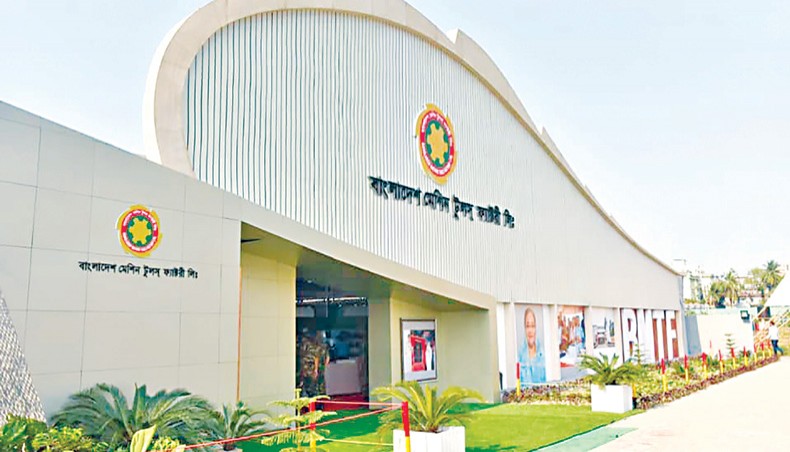
— BMTF Facebook page

THE defence industry is a commercial enterprise involved in research and development, engineering, production, servicing military materials, equipment and facilities. A military establishment, an entrepreneur or a joint venture, can hold the ownership of a manufacturing facility. There are many companies that produce dual-use items for the military and civilian population.

For example, medicine produced in pharmaceutical factories has both civilian and military uses. But a pharmaceutical factory, whoever holds the ownership, is not called a ‘defence enterprise’. Factories producing materials or equipment for sole military purposes are included in the defence industry. In Bangladesh, there are a couple of commercial enterprises, but all of them are not typical ‘defence industry.’

Industrial enterprises owned by the military are the Bangladesh Ordnance Factory, Bangladesh Machine Tools Factory, Bangladesh Diesel Plant, Khulna Shipyard Ltd, Chattogram Dry Dock Ltd and the Dockyard Engineering Works in Narayanganj. These are state-owned enterprises managed and operated by the army and the navy.
The Bangladesh Ordnance Factory is the only factory that manufactures products for military use only. The Ordnance Factory has been in production since 1977. After its modernisation in 1982, the annual production target was set at 2,500 rifles and 15 million rounds of ammunition. In 2005, the Ordnance Factory set up three production plants: the TNT filling plant, the grenade production plant and the induction furnace plant. The Automatic Assault Rifle (BD 08) plant was set up in 2008. Today, the Ordnance Factory has the capacity to produce 90 million rounds of small-arms ammunition. It also has the capacity to produce grenades and high-calibre munition (www.bof.gov.bd, accessed July 19, 2023).

The Bangladesh Machine Tools Factory is one of the largest commercial enterprises in the country. It was built in 1967 ‘with the objective of functioning as the mother industry to support small enterprises dealing with minor engineering products.’ The Machine Tools Factory produces a range of commercial products. Its major products having relevance to the defence use are military vehicles, military, para-military, formal, casual and sports footgear as well as leather products, metallic and non-metallic craft, decorative items (ie military ranks, badges), sports items (ie medals, crests, trophies), gift items (ie lapel pins, key rings, souvenir items) etc, tools and spares and so forth (www.bmtf.com.bd, accessed July 20, 2023).

The shipyards managed by the navy produce ships and components for both military and civilian purposes. Military products built in the Khulna Shipyard are patrol craft, tug and hydrographic survey vessel, etc, repairing warship, merchant ship, etc. The shipyard’s most notable achievement in warship construction was in 2011 and 2023 with China’s technical assistance. The Chattogram Dry Dock and the Dockyard Engineering Works also build small-to-medium commercial ships and service naval vessels.

Analysis of open source information reveals that Bangladesh’s domestic industrial capacity to produce defence hardware and software is far less than the ‘demand fulfilled through import.’ Bangladesh’s defence development and modernisation is import-dependent. Defence industrial enterprises can secure a very small part of defence allocations for acquisition. The fundamental reason is that the industry’s present capacity is not adequate to meet large and diverse defence demands.

Bangladesh adopted a military modernisation programme in 2009 called Forces Goal 2030. ‘The primary focus of the modernisation programme is the reformation of the military organisation, expansion of the forces, the transformation of the indigenous defence sector to support research and manufacturing, and acquisition of modern military weapons’ (Wikipedia, accessed July 21, 2023).

Since the launch of the programme, the navy is yet make major breakthrough in modern warship programmes. The air force’s programme has been a combination of import-based third and fourth generation aircraft and with eyes on fifth generation platforms and avionics.

The Ordnance Factory and the Machine Tools Factory need wider capacities to support the army’s diverse material needs. ‘The transformation of the indigenous defence sector’ with research and manufacturing needs an added impetus. Indigenous arms production under certain conditions is cost-effective compared with foreign purchase.

While indigenous arms industries could reduce developing countries’ import dependence, many could not adopt or sustain long term consistent indigenisation policy.

According to Professor E Looney, development of the defence industrial base grows through seven stages of development.

Stage 1: Arms are imported, but are serviced and maintained domestically.

Stage 2: A license to produce arms is required and production facilities are built, but requiring huge technical and personal assistance from supplier.

Stage 3: Production starts and to begin with, involves local assembly of imported sub-assemblies.

Stage 4: Sub-assemblies are assembled locally from imported components and sometimes re-exported to the licenser.

Stage 5: Components are manufactured locally from imported raw materials.

Stage 6: Local production of raw materials.

Stage 7: A complete indigenous production including design, raw materials and manufacture.

Stage 1 has been the most common form of development and modernisation in majority of countries around the world. Stage 2 to Stage 7 need SMART (specific, measurable, achievable, realistic and time-bound) planning backed by immutable political resolve and robust defence industrial policy because defence modernisation in any form faces multi-pronged challenges from both internal and external actors.

The initiative of transforming the indigenous defence sector taken in 2009 looks relevant in socio-economic and military context. The predicted domestic market size is likely to be strong enough for the survival of a growing defence industry. To move things on track, any potential disconnect between components of development approaches and links between the transformation plans and entrepreneurship, investment, technology collaboration, research, academicians and the military — the end user of defence articles — should be shored up.

Last but not the least, the application of ‘defence off-set contract’ in defence acquisition programmes could be an ‘initiative multiplier’ towards building a defence industry in Bangladesh.

Mohammad Abdur Razzak, a retired commodore of the Bangladesh navy, is a security analyst.​
 

Bangladesh Defense Market Report Overview​


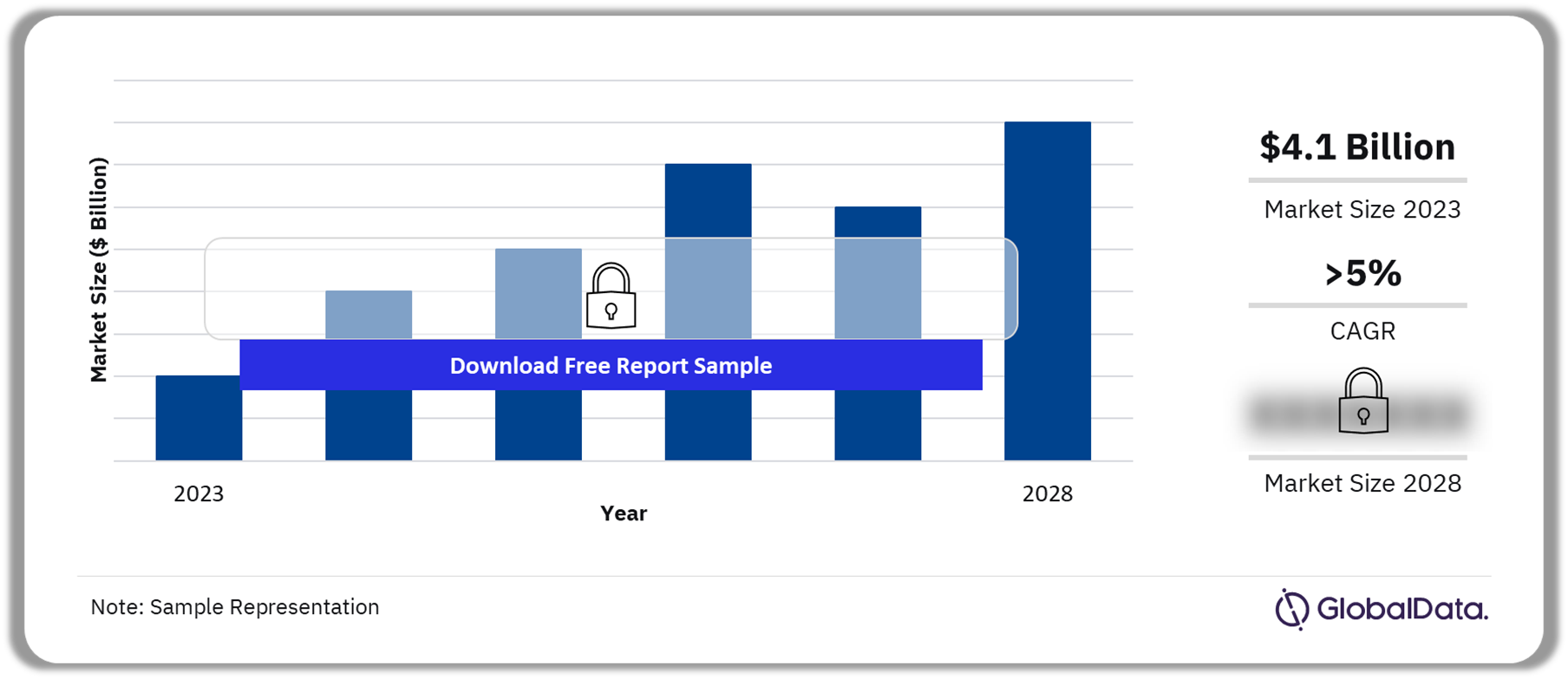
The Bangladesh defense budget is worth $4.1 billion. The country’s defense budget is set to see high levels of growth, registering a CAGR of more than 5% between 2024 and 2028. The increase in Bangladesh defense expenditure is attributed to the government’s strategic military modernization plan, ‘Forces Goal 2030,’ that is aimed at enhancing the armed forces’ capabilities. The country’s needs to upgrade its existing arsenal of armed forces, participate in peacekeeping missions, and combat its territorial disputes with neighboring regions are also factors for increasing the defense budget.


Bangladesh Defense Market Outlook, 2023-2028 ($ Billion)


Bangladesh Defense Market Outlook, 2023-2028 ($ Billion)


The Bangladesh defense market research report provides the market size forecast and the projected growth rate for the next five years. Furthermore, our analysts have carried out a comprehensive industry analysis to determine key market drivers, emerging technology trends, key sectors, and major challenges faced by market participants, in this report. The Bangladesh defense market study has also assessed key factors and government programs that are expected to influence the demand for military platforms over the forecast period.
​
Market Size (2023)​
$4.1 Billion​
CAGR (2024-2028)​
>5%​
Forecast Period​
2024-2028​
Historical Period​
2019-2023​
Key Drivers​
· Military Modernization

· Peacekeeping Missions​
Key Sectors​
· Naval Vessels and Surface Combatants

· Tactical Communication Systems
· Military Land Vehicles
· Electronic Warfare Systems
· Military Rotorcraft​
Leading Companies​
· Bangladesh Machine Tools Factory Ltd

· Chittagong Dry Dock Ltd
· Ministry of Defence (Bangladesh)
· Boeing
· Irkut Corp​
Enquire & Decide​
Discover the perfect solution for your business needs. Enquire now and let us help you make an informed decision before making a purchase.​
​

Bangladesh Defense Market Drivers​


The key factors driving the Bangladesh defense market growth are military modernization and peacekeeping missions.


Military Modernization: The increasing instability in neighbouring countries, coupled with the country’s ongoing disputes with Myanmar and India, has compelled the Bangladeshi government to focus on a defense modernization program. In 2009, ‘Forces Goal 2030’, introduced by the Bangladeshi government, involved the massive modernization and expansion of the Bangladeshi Army, Air Force, and Navy. Under this plan, the Bangladeshi government has procured several military helicopters, frigates, and armored protection vehicles, among other equipment. The Bangladeshi government is continuously investing in its defense sector. A major procurement deal involving SU-30SME and Mig-35 multirole combat aircraft from Russia is a significant step toward the achievement of the ‘Forces 2030’ program’s objectives, which will bolster the country’s air capabilities.
​

Bangladesh Military Doctrines and Defense Strategies​


The Armed Forces Division (AFD) is the principal administrative organization formulating and executing military policies in Bangladesh. The primary mission of the regular armed forces is to defend the nation’s territorial integrity against external attack. During a period of war, the armed forces are accountable for mobilizing the nation’s resources by assuming direct control over police forces, paramilitary, and defense industries.

The Directorate General of Defense Procurement (DGDP) manages procurements for the Ministry of Defense. Bangladesh’s defense procurement policy is a comprehensive multi-stage process designed to acquire equipment and technology for its armed forces. The initial stage involves a thorough Needs Assessment conducted by the various branches of the Armed Forces, considering strategic priorities, current equipment capabilities, and budgetary constraints. Following this assessment, technical specifications are formulated to define the desired equipment’s type, functionalities, performance standards, and compatibility with existing systems. In the past few years, Bangladesh has signed numerous defense procurement agreements with European countries such as Italy, Turkey, and the UK. The country’s defense ties with the US and Russia have also strengthened over the past decade.
​

Bangladesh Defense Market Segmentation by Sectors​


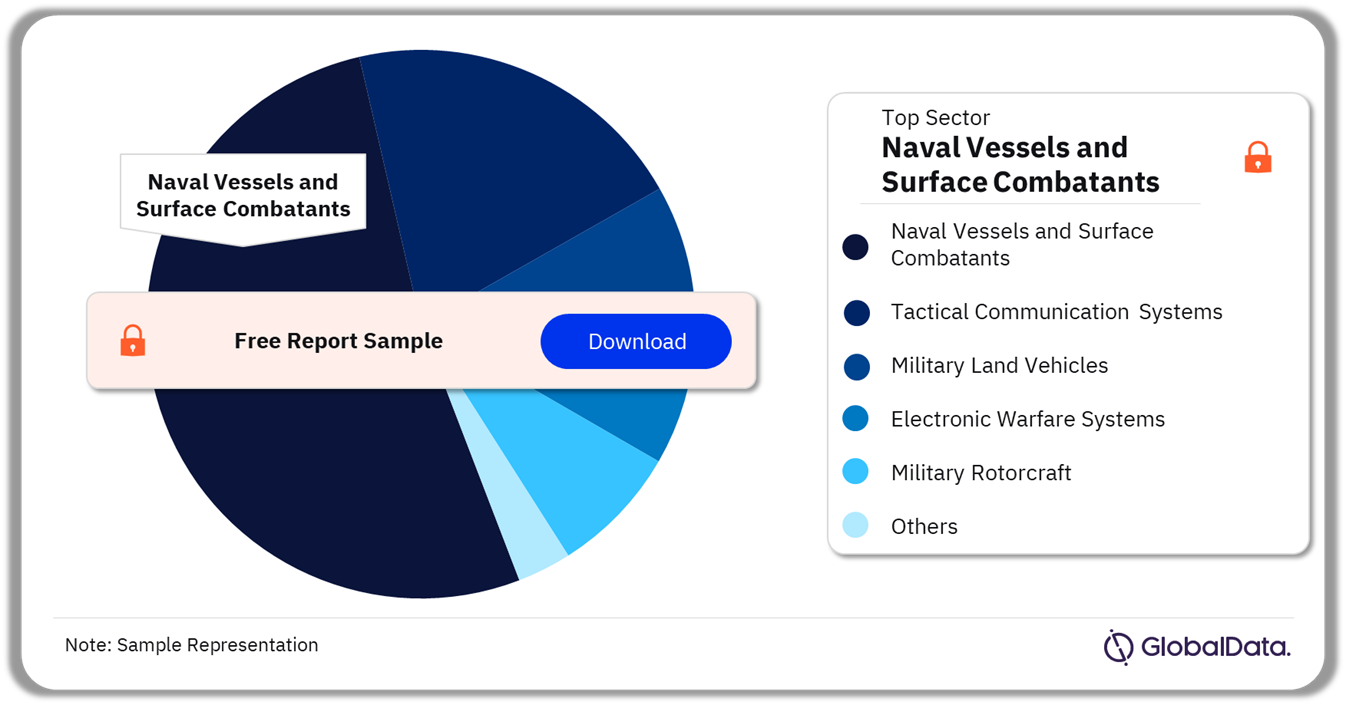
The key sectors in the Bangladesh defense market are naval vessels and surface combatants, tactical communication systems, military land vehicles, electronic warfare systems, and military rotorcraft among others. In 2023, the most attractive sector in Bangladesh’s defense market was the naval vessels and surface combatants.

The growth of this segment is attributed to the surge in investments in frigates and light combat vessels. For instance, Bangladesh is expected to invest $181.6 million in light combat vessels from 2023 to 2028. Furthermore, companies are taking up contracts to construct new naval vessels and surface combatants. For instance, Chittagong Dry Dock Limited (CDDL) has received a contract to build six new offshore patrol vessels (OPVs) for the Bangladeshi Navy.


Bangladesh Defense Market Analysis by Sectors, 2023 (%)


Bangladesh Defense Market Analysis by Sectors, 2023 (%)

​

Bangladesh Defense Market - Competitive Landscape​


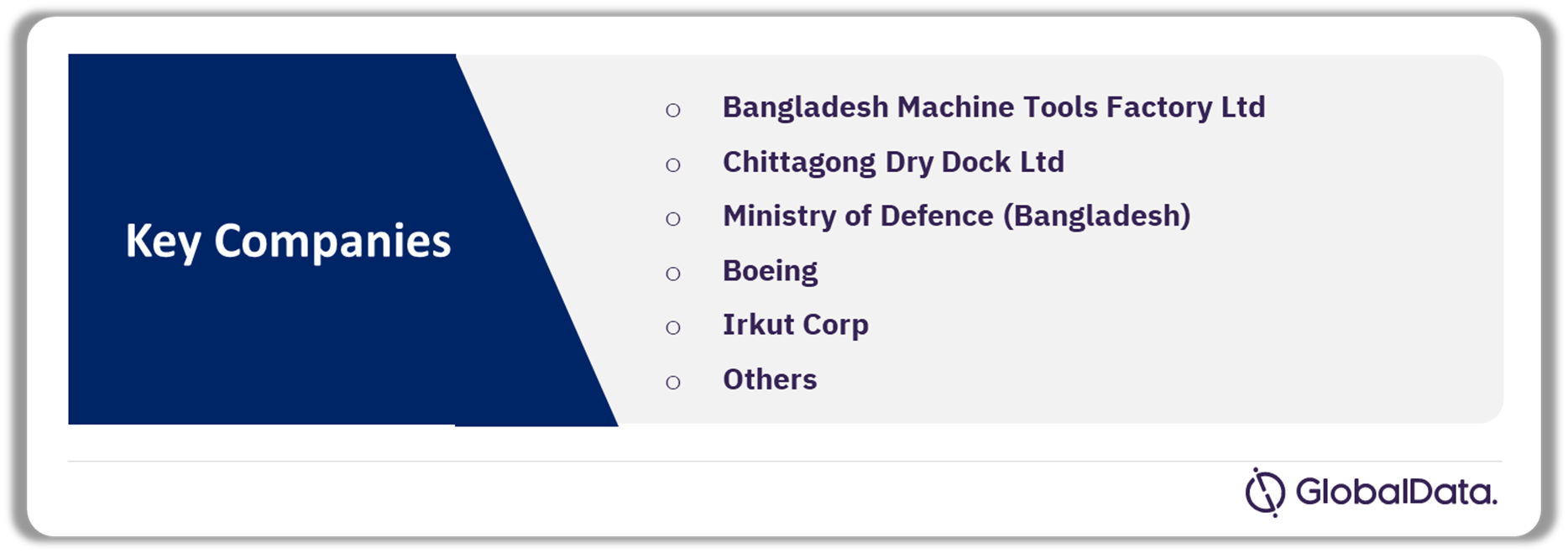
The leading defense companies operating in Bangladesh are Bangladesh Machine Tools Factory Ltd, Chittagong Dry Dock Ltd, Ministry of Defence (Bangladesh), Boeing, and Irkut Corp among others.


Chittagong Dry Dock Ltd: CDDL is headquartered in Chattogram, Chittagong, Bangladesh. The company is a state-owned shipbuilding company that constructs naval and commercial ships for domestic and international markets. It manufactures and supplies various products including steel bridges, and steel rollers, bleaching vessels, among others. Furthermore, the company’s service offerings include dry docking repairs, installation, surface preparation and painting, replacement, rubber fitting and fixing, and electrical services. CDDL’s projects include the Ashrayan Project, Chittagong Port Authority, Bagerhat RHD, and Sabrang Tourism Park, among others. It provides its products to sugar mills, paper and pulp mills, steel and re-rolling mills, fertilizer, and chemical plants.


Bangladesh Defense Market Analysis by Companies


Bangladesh Defense Market Analysis by Companies​
 
অস্ত্র-গোলাবারুদ রপ্তানি করতে চায় বাংলাদেশ
ফখরুল ইসলাম

অস্ত্র ও গোলাবারুদ রপ্তানি করতে চায় বাংলাদেশ সমরাস্ত্র কারখানা (বিওএফ)। এ ব্যাপারে অনুমোদন চেয়ে বাণিজ্য মন্ত্রণালয়ের কাছে চিঠি পাঠিয়েছে বিওএফ। তবে সরকার এখন পর্যন্ত চূড়ান্ত সিদ্ধান্ত নেয়নি।

১৯৮৪ সালে বাংলাদেশ প্রথম চার কোটি ডলারের অস্ত্র ও গোলাবারুদ রপ্তানি করেছিল। ৩০ বছর পর আবার এই উদ্যোগ নেওয়া হলেও বর্তমানে অস্ত্র ও গোলাবারুদ রপ্তানির কোনো আইন বা নীতিমালা নেই। পণ্য রপ্তানির ক্ষেত্রে বাংলাদেশ 'অস্ত্র ছাড়া সবকিছু' (এভরিথিং বাট আর্মস)—এই নীতি অনুসরণ করে আসছে।

বাণিজ্যসচিব মাহবুব আহমেদ বলেন, 'আমরা আগে বুঝতে চেষ্টা করছি, অস্ত্র ও গোলাবারুদ রপ্তানি করে কত বৈদেশিক মুদ্রা আয় হতে পারে।'

গত ২৪ ফেব্রুয়ারি সেনাসদর অস্ত্র রপ্তানির বিষয়টির অনুমোদন দেয়। এর আগে অনুমোদন দিয়েছে আগের সরকারের আমলের প্রতিরক্ষা মন্ত্রণালয়-সম্পর্কিত স্থায়ী কমিটি। তৎকালীন কমিটির প্রধান ইদ্রিস আলী প্রথম আলোকে বলেন, 'আমি এখনো মনে করি, অস্ত্র ও গোলাবারুদ রপ্তানি করা যেতে পারে।'

বিওএফের চিঠি সূত্রে জানা যায়, সশস্ত্র বাহিনী বিভাগের প্রশাসন ও ব্যবস্থাপনা পরিদপ্তর ২০১৩ সালের ২৮ জুলাই বাংলাদেশ থেকে অস্ত্র ও গোলাবারুদ রপ্তানির ব্যাপারে প্রথম আগ্রহ দেখায়। এরপর ২১ জানুয়ারি এই আগ্রহের সূত্র ধরে 'বিওএফ কর্তৃক অস্ত্র ও গোলাবারুদ রপ্তানিকরণের লক্ষ্যে মতামত প্রসঙ্গে' শীর্ষক বাণিজ্য মন্ত্রণালয়কে চিঠি দেয় বিওএফ।

চিঠিতে বলা হয়, বাংলাদেশ সশস্ত্র বাহিনী বিভাগের সমরাস্ত্র উৎপাদনে সক্ষমতা অর্জনের লক্ষ্যে বিওএফ তার উৎপাদন পরিসর অনেক সম্প্রসারিত করেছে। ২০১২ সালে আন্তর্জাতিক মান সংস্থার (আইএসও) সনদ পেয়েছে বিওএফ। অস্ত্র ও গোলাবারুদ রপ্তানির অনুমোদন পাওয়া গেলে বিপুল পরিমাণ বৈদেশিক মুদ্রা অর্জন করা যাবে। এ বিষয়ে পরনির্ভরশীলতা কমবে এবং কর্মসংস্থানের সুযোগ তৈরি হবে।

বিষয়টি নিয়ে বাণিজ্য মন্ত্রণালয় কোনো সিদ্ধান্ত নিতে পারছে না বলে জানা গেছে। কারণ, অস্ত্র রপ্তানির সুযোগ দেওয়া হলে কী পরিমাণ রপ্তানি আয় হবে, কর্মসংস্থানই বা হবে কত লোকের, তারও কোনো উল্লেখ নেই এতে। এখন অস্ত্র রপ্তানির অনুমোদন দিতে গেলে সংশোধন করতে হবে বিদ্যমান রপ্তানি নীতি আদেশ ২০১২-১৫। এই সংশোধনের জন্য দরকার অর্থনৈতিক বিষয়সংক্রান্ত মন্ত্রিসভা কমিটির নীতিগত অনুমোদনের।

এ বিষয়ে জানতে চাইলে সাবেক সেনাপ্রধান কে এম সফিউল্লাহ বলেন, অস্ত্র ও গোলাবারুদ রপ্তানি দেশের অর্থনীতির প্রসারের জন্য ইতিবাচক হবে। তবে এমন কোনো দেশে রপ্তানি করা যাবে না, যারা সন্ত্রাসের সঙ্গে যুক্ত।

আরেক সাবেক সেনাপ্রধান মাহবুবুর রহমান বলেন, অস্ত্র রপ্তানি করলে বন্ধুপ্রতিম দেশে করা উচিত। নইলে জটিলতা তৈরি হতে পারে।

সংশ্লিষ্ট সূত্রগুলো জানায়, গাজীপুরের জয়দেবপুরে অবস্থিত সমরাস্ত্র কারখানাটির আনুষ্ঠানিক যাত্রা শুরু ১৯৭০ সালে। সশস্ত্র বাহিনী বিভাগ পরিচালিত এই কারখানা মুক্তিযুদ্ধে ক্ষতিগ্রস্ত হয়। ১৯৮২ সালে এর আধুনিকায়নের কাজ শুরু হয়। বর্তমানে পাঁচটি কারখানা পরিচালনা করছে বিওএফ। চীন, অস্ট্রিয়া, অস্ট্রেলিয়া, বেলজিয়াম, জার্মানি ও ইতালির প্রযুক্তি সহায়তায় বিওএফ বর্তমানে একটি স্বয়ংসম্পূর্ণ সংস্থা।
 

বাংলাদেশ সমরাস্ত্র কারখানা ও প্রতিরক্ষা শিল্পের বিকাশ
প্রকাশিত: ১২:৩০, ২৮ এপ্রিল ২০১৯

বসন্তের শেষ সময়ে সবুজবেষ্টিত ভাওয়াল গাজীপুরের গজারি বনে ফুল ফুটেছে। সাদা মেঘের মতো অপরূপ ফুলের সমারোহ। ১৯৭০ সালের এই সময়েই গাজীপুরে এ দেশের 'শিল্প বাগানে' সমরাস্ত্র কারখানা নামে প্রতিরক্ষা শিল্পের প্রথম সুরভিত ফুল ফুটেছিল। বাংলাদেশ সমরাস্ত্র কারখানা, (বাংলাদেশ অর্ডন্যান্স ফ্যাক্টরি-বিওএফ) বাংলাদেশের একমাত্র প্রতিরক্ষা শিল্প প্রতিষ্ঠান যা বাংলাদেশের সামরিক, আধা সামরিক ও সহায়ক বাহিনীর জন্য অস্ত্র, গোলাবারুদ ও সরঞ্জামাদি তৈরি করে থাকে। পাক-ভারত যুদ্ধের প্রেক্ষাপটে তদানীন্তন পূর্বপাকিস্তানের নিরাপত্তার কথা বিবেচনা করে ১৯৬৮ সালে গাজীপুর সেনানিবাসে একটি সমরাস্ত্র কারখানা স্থাপনের কাজ শুরু হয়। প্রকল্পটি চীন সরকারের আর্থিক ও কারিগরি সহায়তায় বাস্তবায়িত হয়। এই দেশের মেধাবী সন্তান, প্রকৌশলী মোহাম্মদ জহুর-উল ইসলাম এই প্রতিষ্ঠানের প্রকল্প পরিচালক হিসেবে অসাধারণ ভূমিকা পালন করেন। কারখানাটি আনুষ্ঠানিকভাবে ৬ এপ্রিল ১৯৭০ সালে উদ্বোধন করা হয়। গাজীপুর জেলার চতর মৌজার ৩০৩ একর জমির ওপর কারখানা এবং আবাসিক এলাকা নিয়ে সমরাস্ত্র কারখানা স্থাপিত। তৎকালীন সময়ে শুধুমাত্র রাইফেল এবং এর কার্তুজ তৈরির পরিকল্পনা নিয়ে এই কারখানা স্থাপিত হলেও বর্তমানে এখানে আর্টিলারি শেল এ্যাসেম্বলি কারখানা, গ্রেনেড তৈরির কারখানা এবং পূর্ববর্তী পুরাতন রাইফেলের মডেল পরিবর্তন করে আধুনিক রাইফেল তৈরির কারখানা স্থাপন করা হয়েছে। চলছে নতুন নতুন অস্ত্র, গোলাবারুদ ও যুগোপযোগী সরঞ্জামাদি তৈরির অবিরাম কর্মযজ্ঞ। বিওএফ প্রতিরক্ষা মন্ত্রণালয়ের আওতাধীন একটি রাষ্ট্রীয় প্রতিষ্ঠান, যা ১৯৮৮ সাল পর্যন্ত 'বাংলাদেশ অর্ডন্যান্স ফ্যাক্টরি বোর্ড' কর্তৃক পরিচালিত হয়ে আসছিল। তবে ৪ ডিসেম্বর ১৯৮৮ সাল থেকে কারখানাটি সরাসরি বাংলাদেশ সেনাবাহিনীর নিয়ন্ত্রণে ও তত্ত্বাবধানে পরিচালিত হচ্ছে। ব্রিগেডিয়ার এম করিম উল্লাহ ছিলেন এই কারখানার প্রথম পরিচালক।
To be continued...........​
 
দীর্ঘকাল থেকেই বাংলাদেশের এই অঞ্চলে একটি সমরাস্ত্র কারখানা প্রতিষ্ঠার দাবি ছিল। ১৯৫৪ সালে যুক্তফ্রন্টের ২১ দফার অন্যতম দাবি ছিল সমরাস্ত্র কারখানা প্রতিষ্ঠা। আমাদের জাতির পিতা বঙ্গবন্ধু শেখ মুজিবুর রহমান ১৯৬৬ সালে তার ঐতিহাসিক ৬ দফায় পূর্বপাকিস্তানে একটি সমরাস্ত্র কারখানা প্রতিষ্ঠার জোর দাবি করেন। ১৯৬৯ সালে ছাত্রদের বিখ্যাত ১১ দফায়ও সমরাস্ত্র কারখানা প্রতিষ্ঠার দাবি তোলা হয়। সম্ভবত পৃথিবীর অন্য কোন সমরাস্ত্র কারখানা প্রতিষ্ঠার দাবি এমন জনপ্রিয় গণদাবিতে পরিণত হয়নি। ১৯৬৬ সালের ফেব্রুয়ারি মাসে বঙ্গবন্ধুর স্বাক্ষরিত ও আব্দুল মমিন, প্রচার সম্পাদক পূর্বপাকিস্তান আওয়ামী লীগ কর্তৃক প্রচারিত ছয় দফার একটি ব্যাখ্যা দেশব্যাপী বিলি করা হয়। ৬ দফার ওই প্রচারপত্রে ৬ষ্ঠ দফার এক জায়গায় বঙ্গবন্ধু বলেছিলেন...'পূর্বপাকিস্তানে অস্ত্র কারখানা ও নৌবাহিনীর হেডকোয়ার্টার স্থাপন করতঃ এ অঞ্চলকে আত্মরক্ষায় আত্মনির্ভর করার দাবি একুশ দফার দাবি। কিন্তু কেন্দ্রীয় সরকার বার বছরেও আমাদের একটি দাবিও পূরণ করেন নাই...। মাত্র সতের দিনের পাক-ভারত যুদ্ধই কি প্রমাণ করে নাই আমরা কত নিরুপায়? শত্রুর দয়া ও মর্জির ওপর তো আমরা বাঁচিয়া থাকিতে পারি না ...। সঙ্গে সঙ্গে এও চাই যে, কেন্দ্রীয় সরকার পূর্বপাকিস্তানকে এ বিষয়ে আত্মনির্ভর করবার জন্য এখানে উপযুক্ত পরিমাণ দেশরক্ষা বাহিনী গঠন করুন। অস্ত্র কারখানা স্থাপন করুন। নৌ-বাহিনীর দফতর এখানে নিয়া আসুন'। বঙ্গবন্ধুর সমর দর্শন, প্রতিরক্ষা চিন্তা ও দূরদর্শিতার কথা ভাবলে আজও বিস্মিত হতে হয়। সূচনালগ্নে চীন থেকে পাওয়া প্রযুক্তি সহায়তা দিয়ে এই কারখানা চালু হয়েছিল। পরবর্তী সময়ে বেশ কিছু পশ্চিমা দেশ থেকে আনা প্রযুক্তির সঙ্গে যুক্ত হলে পুরোদমে অস্ত্র ও গোলাবারুদ তৈরি শুরু হয়। বর্তমানে এই কারখানা প্রচলিত এবং উন্নত শিল্পমান সম্পন্ন কম্পিউটার চালিত পদ্ধতির মিশ্রণে অস্ত্র ও গোলাবারুদ তৈরি করে যাচ্ছে। ১৯৭১ সালে স্বাধীনতা যুদ্ধে বাংলাদেশ সমরাস্ত্র কারখানার অবদান অবিস্মরণীয়। মহান স্বাধীনতা যুদ্ধে বিওএফ এ কর্মরত বেশকিছু সদস্য গুরুত্বপূর্ণ ও গৌরবোজ্জ্বল ভূমিকা রাখেন। ২৬ মার্চের পর সমরাস্ত্র কারখানার মুক্তিযোদ্ধারা কারখানার অভ্যন্তরে বিদ্রোহ করে অস্ত্র ও গোলাবারুদ নিজেদের দখলে নিয়ে সশস্ত্র সংগ্রামের ডাক দিয়েছিলেন। ২৮ মার্চ কারখানার স্বাধীনতাকামী কর্মচারীরা রাইফেল তৈরির প্রধান কারখানা দখলে নিয়ে সবগুলো স্বয়ংক্রিয় চাইনিজ রাইফেল ও গোলাবারুদ করায়ত্ব করে সশস্ত্র সংগ্রামীদের মাঝে বিতরণ করেন। এ যুদ্ধে বিওএফ এর ৩০ কর্মকর্তা/কর্মচারী শহীদ হন। ১৯৭১ এর ১৯ মার্চ পাকিস্তানীদের বিরুদ্ধে প্রথম সশস্ত্র প্রতিরোধ গড়ে উঠেছিল গাজীপুর জেলার জয়দেবপুরে। হানাদার পাকিস্তানীদের বিরুদ্ধে এখানেই প্রথম গর্জে ওঠে বীর বাঙালীর অস্ত্র, যা পরবর্তীকালে আমাদের স্বাধীনতা যুদ্ধে বিরাট অনুপ্রেরণা হিসেবে কাজ করে।

To be continued...................​
 
১৯ মার্চ ঢাকার ব্রিগেড কমান্ডার ব্রিগেডিয়ার জাহানজেবের সৈন্যদল কর্তৃক জয়দেবপুরের রাজবাড়ীর বাঙালী ইউনিট ২ ইস্ট বেঙ্গলের অস্ত্র জমা নেয়াকে কেন্দ্র করে জয়দেবপুরে হাজার হাজার মানুষের ব্যাপক প্রতিবাদ ও প্রতিরোধ গড়ে ওঠে। এলাকার তিনটি বৃহৎ প্রতিষ্ঠান মেশিন টুলস, ফ্যাক্টরী, ডিজেল প্ল্যান্ট ও সমরাস্ত্র কারখানার হাজার হাজার শ্রমিক কর্মচারীরা মিছিল করে সমাবেশে অংশগ্রহণ করে। রাজবাড়ীর পশ্চিম দিকে অবস্থিত বাজার বটতলায় মুখোমুখি অবস্থানে থাকা পাকিস্তানী বাহিনী এক পর্যায় বিক্ষুব্ধ জনতার উদ্দেশে গুলি ছুড়লে জনতার মধ্যে থেকেও পাল্টা গুলিবর্ষণ করা হয়। বাঙালীদের পক্ষ থেকে পাকিস্তানী বাহিনীর ওপর সরাসরি গুলিবর্ষণের ঘটনা সেটাই প্রথম। ২য় ইস্ট বেঙ্গল রেজিমেন্টের দেশপ্রেমিক অফিসার ও সৈনিকগণ পরোক্ষভাবে ও কৌশলে পাকিস্তানী কর্তৃপক্ষের আদেশ অমান্য করে স্বাধীনতাকামী জনতার সঙ্গে সংহতি প্রকাশ করে ইতিহাস সৃষ্টি করে। পাকিস্তানী হানাদার বাহিনীর বিরুদ্ধে যারা গুলিবর্ষণ করেন তাদের মধ্যে অন্যতম ছিলেন সমরাস্ত্র কারখানার দেশপ্রেমিক ও সাহসী সদস্য সৈয়দ এ কে এম মনিরুজ্জামান। বিবিসিসহ বিভিন্ন আন্তর্জাতিক সংবাদ মাধ্যমসমূহ জয়দেবপুরের প্রতিরোধ সংগ্রামের সংবাদ প্রচার করেছিল। ২০ মার্চ প্রকাশিত দেশের সকল সংবাদপত্রে এ সশস্ত্র সংগ্রামের সংবাদ প্রকাশিত হয় এবং সারাদেশে স্লোগান ওঠে-'জয়দেবপুরের পথ ধর, বাংলাদেশ স্বাধীন কর'। স্বাধীনতার পর একেবারে বিধ্বস্ত অবস্থা থেকে ফ্যাক্টরি পুনরায় চালুর উদ্যোগ নেয়া হয়। ১৯৭২ সালে বঙ্গবন্ধু-সরকার বিওএফের প্রতিষ্ঠাতা-প্রকল্প পরিচালক প্রকৌশলী মোহাম্মদ জহুর-উল ইসলামকে বিওএফের পরিচালক হিসেবে নিয়োগ দিয়েছিল। পরবর্তীতে কীর্তিমান সেনা কর্মকর্তা ব্রিগেডিয়ার আব্দুল কুদ্দুসকে পরিচালক নিয়োগ দেয়া হয়। এভাবে ধীরে ধীরে স্বাধীন বাংলাদেশে অর্ডন্যান্স ফ্যাক্টরি চালু হয়। ১৯৭৬ সালে পুনরায় চীনা বিশেষজ্ঞ দল আসে এবং তাদের কারিগরি সহায়তায় ১৯৭৭ সালে ফ্যাক্টরিতে পূর্ণাঙ্গরূপে উৎপাদন শুরু করে। বিওএফে উৎপাদিত প্রতিরক্ষা সামগ্রী বাংলাদেশের অর্থনীতিতে ব্যাপক ভূমিকা রেখে চলছে।

To be continued...................​
 
কারখানায় উৎপাদিত অস্ত্র ও গোলাবারুদ দেশের পরনির্ভরশীলতা বহুলাংশে কমিয়ে বিপুল পরিমাণ বৈদেশিক মুদ্রা সাশ্রয় করছে। এই প্রতিষ্ঠানে কর্মরত সকল সদস্য এবং তাদের পরিবারসহ প্রায় দুই সহ¯্রাধিক পরিবারের জীবিকা নির্বাহ সম্ভব হয়েছে। সর্বোপরি দেশের সরকারী, বেসরকারী ও অন্যান্য শিল্প কারখানার ন্যায় এই প্রতিষ্ঠানের কর্মকর্তা ও কর্মচারীরাও নিজ নিজ দায়িত্ব পালনের মাধ্যমে দেশীয় অর্থনীতিতে মূল্যবান অবদান রাখছে। বাংলাদেশ কন্টিনজেন্টসমূহ বৈদেশিক মিশনে বিওএফে উৎপাদিত অস্ত্র ও গোলাবারুদ ব্যবহার করছে; ফলে সরকার জাতিসংঘ হতে রিইমবার্সমেন্ট পাচ্ছে। সেনাবাহিনী ছাড়াও প্রতিরক্ষা খাতের অধীনে বিভিন্ন বাহিনীতেও বিওএফ কর্তৃক উৎপাদিত অস্ত্র-শস্ত্র ও গোলাবারুদ সরবরাহ করা হচ্ছে। এছাড়াও রাষ্ট্রীয় কাজে নিয়োজিত পুলিশ, র‌্যাব, বিজিবি, কোস্টগার্ড, আনসার ও অন্যান্য নিরাপত্তা সংস্থাও বিওএফে তৈরিকৃত অস্ত্র ব্যবহার করছে। কারখানায় কর্মরত কর্মকর্তা ও কারিগরগণ তাদের মেধা ও দক্ষতার মাধ্যমে কারখানার অভ্যন্তরে বিভিন্ন মেশিন মেরামত, রক্ষণাবেক্ষণ ও যন্ত্রাংশ তৈরি করে থাকেন যা দেশের অর্থনৈতিক উন্নয়নে সহায়ক ভূমিকা পালন করছে। এই কারখানাকে কেন্দ্র করে বেশকিছু সহায়ক শিল্পও গড়ে উঠেছে। এই কারখানার কাজে সংযুক্ত থাকতে পেরে দেশের অন্য প্রকৌশলী ও টেকনিশিয়ানগণ দক্ষতা অর্জনের সুযোগ পাচ্ছে ও তাদের প্রযুক্তিগত বিশেষ জ্ঞান ও দক্ষতা বৃদ্ধি পাচ্ছে। কিছু উদ্যামী কর্মকর্তার সমন্বয়ে বিওএফের দক্ষ কারিগরদের দ্বারা বেশকিছু গবেষণামূলক প্রকল্প হাতে নেয়া হয়েছে এবং সফলতার সঙ্গে পরীক্ষামূলক ফায়ার সম্পন্ন করে উৎপাদন শুরু হয়েছে। বর্তমানে বিওএফে একটি শক্তিশালী রিচার্স এ্যান্ড ডেভেলোপমেন্ট (আরএন্ডডি) এর সাংগঠনিক কাঠামো গড়ে তোলা হচ্ছে, যেন ভবিষ্যতে বিভিন্ন ধরনের অস্ত্র ও গোলাবারুদ দেশীয় প্রযুক্তিতে তৈরি করা সম্ভব হয়।

To be continued...................​
 
এখানে উল্লেখ্য, আরএন্ডডি'র মাধ্যমে কোন অস্ত্র বা সরঞ্জামাদি উন্নয়ন করলে তুলনামূলকভাবে অনেক কম মূল্যে দেশে (বিদেশী) টেকনোলজি ট্রান্সফার করা সম্ভব হয়। বিওএফের মূলমন্ত্র হলো-'সমর সম্ভারে করিব স্বনির্ভর'। বিওএফ এখন গুরুত্বপূর্ণ কিছু প্রতিরক্ষা সামগ্রীর ক্ষেত্রে স্বয়ংসম্পূর্ণতা অর্জনের জন্য কাজ করে যাচ্ছে। ধীরে ধীরে এই অর্ডন্যান্স ফ্যাক্টরি বাংলাদেশ সশস্ত্র বাহিনীতে অস্ত্র ও গোলাবারুদ সরবরাহে সক্ষমতা এবং এক্ষেত্রে আত্মনির্ভরশীলতা অর্জনের পাশাপাশি আন্তর্জাতিক বাজারে কিছু পণ্য রফতানি করার জন্যও তৈরি হচ্ছে। সম্প্রতি বিওএফ তার উৎপাদিত পণ্য সামগ্রী বিদেশে রফতানির জন্য প্রয়োজনীয় কার্যক্রম গ্রহণের প্রচেষ্টা অব্যাহত রেখেছে। উল্লেখ্য, কিছু সংখ্যক দেশ/প্রতিষ্ঠান বিওএফে উৎপাদিত অস্ত্র গোলাবারুদ আমদানির জন্য আগ্রহ প্রকাশ করেছে। এই সমরাস্ত্র কারখানাটি দেশের এমনই এক অনন্য প্রতিষ্ঠান যেখানে সামরিক ও অসামরিক কর্মকর্তা/কর্মচারীগণ চমৎকার মেল বন্ধনে আবদ্ধ থেকে কাজ করেন। বিওএফ সদস্যদের জন্য সুরক্ষিত ক্যাম্পাসে রয়েছে চমৎকার শপিং সেন্টার, স্বাস্থ্য, শিক্ষা, কল্যাণ এবং বিনোদনমূলক সুবিধাদি। সমরাস্ত্র কারখানার সবুজ চত্বর জুড়ে আছে পর্যাপ্ত খেলার মাঠ, পার্ক, উদ্যান, নয়নাভিরাম গল্ফ কোর্স, সুন্দর লেক, ঝুলন্ত সেতু, বৃক্ষরাজি এবং পাখি ও জীবজন্তু মিলে শ্যামলিমা ঢাকা এক স্বাস্থ্যকর পরিবেশ। এই পরিবেশে মনের প্রশান্তি, পরিবেশের নিরাপত্তার ভেতর দিয়ে প্রফুল্ল চিত্তে বিওএফের সকল সদস্য নিষ্ঠা ও পেশাগত দক্ষতার সঙ্গে কাজ করেন। কারখানার কয়েকশ' নারী সদস্য অস্ত্র-গোলাবারুদ তৈরিতেও দক্ষতা প্রদর্শনের মাধ্যমে অন্য নারীদের জন্য অনুপ্রেরণাময় উদাহরণ সৃষ্টি করেছে। একটি আধুনিক যুগোপযোগী ও শক্তিশালী সশস্ত্র বাহিনী গঠনের প্রয়োজনীয়তা অনস্বীকার্য।

To be continued....................​
 
বর্তমান সরকার জাতির পিতা বঙ্গবন্ধু শেখ মুজিবুর রহমান প্রণীত প্রতিরক্ষা নীতি-১৯৭৪ এবং প্রধানমন্ত্রী শেখ হাসিনা অনুমোদিত প্রতিরক্ষা নীতি-২০১৮ এর আলোকে সশস্ত্রবাহিনীর উন্নয়ন, সম্প্রসারণ ও আধুনিকায়নে কাজ করছে। সে লক্ষ্য সামনে রেখে সেনাবাহিনী ফোর্সেস গোল-২০৩০ প্রণয়ন ও বাস্তবায়নের অংশ হিসেবে সেনাবাহিনীর সাংগঠনিক কাঠামো বিন্যাস ও পরিবর্তনের পাশাপাশি আধুনিকায়নের প্রক্রিয়া চলমান রয়েছে। বর্তমানে সরকারের 'ভিশন ২০২১' ও ফোর্সেস গোল-২০৩০ বাস্তবায়নের নিমিত্তে সেনাবাহিনীর চাহিদা অনুযায়ী যুগোপযোগী অস্ত্র উৎপাদন, ক্ষুদ্রাস্ত্র ও গোলাবারুদে স্বনির্ভরতা অর্জন এবং বিশ্বউন্নয়ন ধারার সঙ্গে সামঞ্জস্য রেখে বিওএফে বিভিন্ন প্লান্ট/প্রজেক্ট বাস্তবায়ন করা হচ্ছে। সেই ধারাবাহিকতায় বিওএফ আধুনিক অস্ত্র গোলাবারুদ ও সরঞ্জামাদি তৈরির বিভিন্ন মেয়াদভিত্তিক পরিকল্পনা গ্রহণ করেছে। চতুর্থ শিল্প বিপ্লবের (ইন্ডাস্ট্রি ৪.০) দ্বারপ্রান্তে দাঁড়িয়ে এর সঙ্গে তাল মিলাতে বিওএফও প্রয়োজনীয় অবকাঠামোগত ও প্রযুক্তিগত প্রস্তুতি নিচ্ছে। বাংলাদেশ সেনাবাহিনী প্রধান জেনারেল আজিজ আহমেদ গত ২৮ জানুয়ারি ২০১৯ তারিখে বিওএফ পরিদর্শন করেন। পরিদর্শনকালে সেনাবাহিনী প্রধান বিওএফের ভবিষ্যত পরিকল্পনা বিষয়ে তার দিকনির্দেশনা প্রদান করেন। রাজধানীর তেজগাঁওয়ের পুরাতন বিমানবন্দরের জাতীয় প্যারেড গ্রাউন্ডে সমরাস্ত্র প্রদর্শনী (২৪ মার্চ হতে ৩১ মার্চ ২০১৯) অনুষ্ঠিত হয়। মাননীয় প্রধানমন্ত্রী শেখ হাসিনা গত ২৪ মার্চ সমরাস্ত্র প্রদর্শনী ২০১৯ এর শুভ উদ্বোধন করেন এবং এক পর্যায়ে তিনি বিওএফের স্টলটি ঘুরে দেখেন।

To be continued..........​
 
মাননীয় প্রধানমন্ত্রী বর্তমানে উৎপাদিত অস্ত্র-গোলাবারুদের পাশাপাশি আরও অত্যাধুনিক অস্ত্র-গোলাবারুদ তৈরির কার্যক্রম গ্রহণের জন্য দিকনির্দেশনা প্রদান করেন। সমরাস্ত্র প্রদর্শনীতে বিভিন্ন পর্যায়ের শিক্ষর্থীসহ হাজার হাজার সাধারণ দর্শক আগমন করে। সকলেই বিপুল আগ্রহের সঙ্গে বিওএফের স্টল ঘুরে দেখেন। স্টলে মাননীয় প্রধানমন্ত্রীর উপস্থিতি বিওএফ পরিবারের সদস্যদের জন্য একটি অত্যন্ত অনুপ্রেরণাময় ঘটনা। কারখানাটি বাংলাদেশের সার্বিক নিরাপত্তা জোরদার করার জন্য সশস্ত্র বাহিনীর চাহিদা পূরণ ও সরবরাহের জন্য অস্ত্র ও গোলাবারুদ উৎপাদন চালিয়ে যাচ্ছে। বাংলাদেশ সমরাস্ত্র কারখানার সকল সদস্য এই সংস্থার উৎকর্ষ সাধনের জন্য প্রাণান্ত চেষ্টা চালিয়ে যাচ্ছে। দেশপ্রেমে উদ্বুদ্ধ এই কারখানার সদস্যগণ এই কারখানাকে দক্ষিণ এশিয়ার একটি শ্রেষ্ঠ প্রতিরক্ষা শিল্প হিসেবে রূপান্তরের জন্য নিবেদিত প্রাণে কাজ করে যাচ্ছে। এই অনন্য প্রতিষ্ঠানটি দেশমাতৃকার প্রতিরক্ষায় নিরলসভাবে অবদান রাখছে। বিগত ৪৯ বছরের সকল প্রাপ্তি এবং অর্জনকে পুঁজি করে অতীতের চ্যালেঞ্জ, সীমাবদ্ধতা-ব্যর্থতাগুলো আত্মজিজ্ঞাসা ও আত্মসমালোচনামূলক দৃষ্টিতে বিবেচনা করে যথাযথ শিক্ষা নিয়ে এই কারখানাকে সামনের দিকে এগিয়ে নিতে বিওএফের সকল সদস্য একযোগে কাঁধে কাঁধ মিলিয়ে কাজ করতে দৃঢ় প্রতিজ্ঞাবদ্ধ। অন্যান্য শিল্পের মতো প্রতিরক্ষা শিল্পেও এগিয়ে যাওয়ার সময় এখন বাংলাদেশের। দেশীয় প্রতিরক্ষা শিল্পের বিকাশ কৌশলগত দিক বিবেচনায় একটি স্বাধীন ও মর্যাদাপূর্ণ দেশের জন্য দেশীয় প্রতিরক্ষা শিল্পের (ইনডিজিনিয়াস ডিফেন্স ইন্ডাস্ট্রি) বিকাশ একটি গুরুত্বপূর্ণ বিষয়। ইতিহাস শিক্ষা দেয়, একটি দেশের সঙ্কটকালে/যুদ্ধকালীন পরিস্থিতিতে অনেক সময় পরীক্ষিত বন্ধু দেশসমূহও অস্ত্র/গোলাবারুদের জরুরী সাহায্য নিয়ে এগিয়ে আসে না। কৌশলগত ও বাজেট ঘাটতির কারণে কোন কোন দেশ পুরনো হওয়া প্রযুক্তির ডাম্পিং গ্রাউন্ডে পরিণত হয়। অত্যাধিক আমদানি নির্ভরতা যুদ্ধ/সঙ্কটকালে খুবই ঝুঁকিপূর্ণ। তাই নির্দিষ্ট কিছু অতিপ্রয়োজনীয় অস্ত্র/গোলাবারুদ সরঞ্জামাদির (মিলিটারি হার্ডওয়্যার) ক্ষেত্রে দেশীয় স্বনির্ভরতা অর্জন খুবই গুরুত্বপূর্ণ। সেজন্যই দেখা যায় কুয়েত, সংযুক্ত আরব আমিরাত ও নেপালের মতো দেশও নিজস্ব সমরাস্ত্র কারখানা তৈরি করেছে।

To be continued..............​
 
বাংলাদেশের প্রযুক্তিগত ও ম্যানুফ্যাকচারিং সক্ষমতা/মানবিবেচনা করে এখনই হয়তো স্থানীয়ভাবে খুবই উন্নতমানের সমরাস্ত্র (মিলিটারি হার্ডওয়্যার) উৎপাদন আশা করা যায় না। তবে কিছু কিছু ক্ষেত্রে ডিফেন্স প্রোডাক্ট উৎপাদনে স্বনির্ভরতা অর্জন প্রয়োজন। বিওএফ ছাড়াও বাংলাদেশ মেশিন টুলস্ ফ্যাক্টরি লিমিটেড, খুলনা শিপইয়ার্ড লিমিটেড, বাংলাদেশ ডিজেল প্লান্ট লিমিটেড, চট্টগ্রাম ড্রাই ডক লিমিটেড, বঙ্গবন্ধু এ্যারোনোটিক্যাল সেন্টার ইত্যাদি প্রতিষ্ঠান সীমিত আকারে প্রতিরক্ষা সামগ্রী উৎপাদন করছে এবং আংশিকভাবে স্থানীয় চাহিদা পূরণ করছে। এগুলো পুরোপুরি শিল্প আকারে বিকশিত হওয়ার প্রক্রিয়ায় চলমান রয়েছে। বাংলাদেশ প্রতিরক্ষা সামগ্রীর ক্ষেত্রে ক্ষুদ্রাস্ত্র ও ক্ষুদ্রাস্ত্র গোলাবারুদ, স্টোর ও ক্লোদিং আইটেম, ওষুধ ও কিছু প্রতিরক্ষা সরঞ্জামাদি উৎপাদনে মোটামুটি স্বনির্ভরতা অর্জন করেছে। সর্বাধুনিক সমরাস্ত্রের ক্ষেত্রে (মিলিটারি ও হার্ডওয়্যার) অধিকাংশ সামগ্রী বিদেশ থেকে আমদানি করতে হচ্ছে। সাম্প্রতিকালে আন্তর্জাতিক ও আঞ্চলিক পরিস্থিতি বিশেষত বাংলাদেশের দক্ষিণ-পূর্ব সীমান্তে রোহিঙ্গা ইস্যু নিয়ে অবনতিশীল পরিস্থিতি, বাংলাদেশের ভূ-কৌশলগত গুরুত্ব বৃদ্ধি, বাংলাদেশের বৈপ্লবিক অর্থনৈতিক উন্নয়ন, সশস্ত্র বাহিনীর ব্যাপক আধুনিকায়ন ও শান্তিরক্ষা অভিযানে বাংলাদেশের অংশগ্রহণ ইত্যাদি বিবেচনা করে দেশীয় প্রতিরক্ষা শিল্প বিকাশের উদ্যোগ গড়ে তোলা এখন সময়ের দাবি। দেশীয় প্রতিরক্ষা শিল্পের টেকসই উন্নয়ন ও বিকাশের জন্য প্রয়োজন একটি সমন্বিত জাতীয় উৎপাদন নীতিমালা। প্রয়োজন উন্নতমানের সামরিক গবেষণা প্রতিষ্ঠান গড়ে তোলা। দক্ষিণ এশিয়ার দেশ ভারতে (ডিফেন্স রিসার্চ এ্যান্ড ডেভেলোপমেন্ট অর্গানাইজেশন) ও পাকিস্তানে (ডিফেন্স সায়েন্স অর্গানাইজেশন) এই ধরনের উন্নতমানের সামরিক গবেষণা প্রতিষ্ঠান রয়েছে। দক্ষিণ এশিয়ার এই দুটি দেশ প্রতিরক্ষা শিল্পে ব্যাপক স্বনির্ভরতা অর্জন করেছে। এখানে বিশেষভাবে উল্লেখ যে, স্বাধীনতার পর পরই বাংলাদেশে সেই সময়ের সীমিত সামর্থ্যরে মধ্যেও প্রতিরক্ষা মন্ত্রণালয়ের অধীনে 'প্রতিরক্ষা বিজ্ঞান সংস্থা' (ডিফেন্স সায়েন্স অর্গানাইজেশন-ডিএসও) নামে একটি সামরিক গবেষণা প্রতিষ্ঠান গড়ে ওঠে।

To be continued............​
 
১৯৭৪ সালের প্রথম দিকে বিদেশ সফর শেষে প্রধানমন্ত্রী বঙ্গবন্ধু শেখ মুজিবুর রহমান বাংলাদেশে ফিরে সেনাবাহিনীর সদস্যদের জন্য কম্ব্যাট ইউনিফর্ম (পোশাক) চালু করার কথা বলেন। লে. কর্নেল এস এ এম খালেদের নেতৃত্বাধীন ডিএসওর একটি দল সেনাবাহিনীর উপযোগী কম্ব্যাট পোশাক উন্নয়ন করেন। ৪৬ স্বতন্ত্র পদাতিক ব্রিগেডের এক প্লাটুন সৈনিককে উন্নয়নকৃত কম্ব্যাট ইউনিফর্ম পরিয়ে গণভবনে বঙ্গবন্ধুকে দেখানো হয়। তৎকালীন খাকি ইউনিফর্মের বিপরীতে কম্ব্যাট ইউনিফর্ম শোভিত স্মার্ট সৈনিক দল দেখে বঙ্গবন্ধু মুগ্ধ হন ও বিষয়টি অনুমোদন করেন। বঙ্গবন্ধু তাৎক্ষণিকভাবে ডিএসও প্রধানকেও পুরস্কৃত করেন। ১৯৯৯ এর এক বসন্তের সন্ধ্যায়, ঢাকা সেনানিবাসে নিজ বাসভবনে কর্নেল খালেদ এই লেখককে রোমাঞ্চকর এই ঘটনাটির বর্ণনা করেছিলেন। পরবর্তীতে প্রয়োজনীয় টেস্ট এ্যান্ড ট্রায়ালের মাধ্যমে উন্নয়নকৃত কম্ব্যাট পোশাক ১৯৮০ দশকের প্রথমদিকে সেনাবাহিনীতে চালু করা হয়। ১৯৮০ এর দশকে এই 'প্রতিরক্ষা বিজ্ঞান সংস্থা'কে বিলুপ্ত করা হয়। বর্তমান বাস্তবতার আলোকে বাংলাদেশ প্রতিরক্ষা মন্ত্রণালয়/আর্মড ফোর্সেস ডিভিশনের অধীনে একটি প্রতিরক্ষা গবেষণা প্রতিষ্ঠান (বাংলাদেশ ডিফেন্স রিসার্চ অর্গানাইজেশন) গড়ে তোলা খুবই গুরুত্বপূর্ণ। যারা অস্ত্র বা সরঞ্জামাদির প্রটোটাইপ (মূল নমুনা) তৈরি করবে এবং পরবর্তীতে সমরাস্ত্র কারখানায় বা অন্যকোন প্রতিরক্ষা প্রতিষ্ঠানে সেই প্রোডাক্ট বাণিজ্যিকভাবে উৎপাদন করা হবে। এখানে উল্লেখ্য যে, গত পঞ্চাশ ও ষাটের দশকে উল্লেখযোগ্য সংখ্যক অনেক মেধাবী বাঙালী বিজ্ঞানী/প্রকৌশলী/অধ্যাপক প্রতিরক্ষা গবেষণায় নিয়োজিত ছিলেন এবং ব্যাপক সুনাম অর্জন করেছিলেন। এদের মধ্যে অন্যতম হলেন ড. কুদরত ই খুদা (প্রতিরক্ষা মন্ত্রণালয়ের সাইনটিফিক এ্যাডভাইজার) ও ড. আবদুল মতিন চৌধুরী (প্রতিরক্ষা মন্ত্রণালয়ের চীফ সাইনটিস্ট)। অন্যদিকে ভারতে 'মিসাইল ম্যান' খ্যাত সাবেক প্রেসিডেন্ট এ পি জে আবদুল কালাম প্রতিরক্ষা বিজ্ঞানী হিসেবে অসামান্য অবদান রেখেছিলেন। বাংলাদেশের শিল্প প্রতিষ্ঠানগুলোর সঙ্গে বিশ্ববিদ্যালয় পরিচালিত গবেষণা কর্মসূচীকে সমন্বিত করা প্রয়োজন।

To be continued...............​
 
প্রতিরক্ষা গবেষণার বিষয়ও এতে অন্তর্ভুক্ত করা যেতে পারে। এখানে বিশেষভাবে উল্লেখ্য যে, ঐতিহ্যগতভাবে সমরাস্ত্র কারখানা ও সামরিক গবেষণা প্রতিষ্ঠানে অসামরিক প্রকৌশলী, বিজ্ঞানী, গবেষক, প্রযুক্তিবিদ ও কারিগরগণই মূলধারার কাজে অবদান রেখে থাকেন। সমরাস্ত্র কারখানাসহ দেশে যেসব প্রোডাকশন ফ্যাসিলিটি/প্রতিষ্ঠান রয়েছে সেগুলোর সম্প্রসারণ ও আধুনিকায়ন প্রয়োজন। এর মাধ্যমে উল্লেখযোগ্য স্বনির্ভরতা অর্জন সম্ভব। অদ্যাবধি শুধু পাবলিক সেক্টরেই সমরাস্ত্র কারখানা/প্রতিষ্ঠান গড়ে উঠেছে। ভবিষ্যতে বেসরকারী খাতেও ডিফেন্স প্রোডাক্ট তৈরির কথা ভাবা যেতে পারে। দেশীয় উৎপাদিত প্রতিরক্ষা সামগ্রীকে প্রণোদনা দেয়া ও অগ্রগতিতে সহায়তা করা প্রয়োজন। সে ক্ষেত্রে প্রতিরক্ষা ক্রয়নীতিতেও পরিবর্তন আনা যেতে পারে। বাংলাদেশী ও বিদেশী শিল্পের মধ্যে কৌশলগত অংশীদারিত্ব গড়ে উঠতে পারে। এই সেক্টরে বিদেশী বিনিয়োগ আকর্ষণের কথাও ভাবা যেতে পারে। প্রতিরক্ষা উৎপাদনে স্পিন অব ইফেক্ট আছে। যেমন বাংলাদেশ অস্ত্র গোলাবারুদ বিদেশে রফতানি করলে দেশ অর্থনৈতিকভাবে লাভবান হবে। তাই এক্ষেত্রে বাংলাদেশ সমরাস্ত্র কারখানাকে অস্ত্র গোলাবারুদ রফতানির অনুমতি দেয়া যেতে পারে। প্রতিরক্ষা খাতে আরএন্ডডি'র জন্য প্রয়োজনীয় বাজেট বরাদ্দ করাও গুরুত্বপূর্ণ। প্রতিরক্ষা শিল্পের উন্নয়ন ও বিকাশের জন্য এ ধরনের নতুন নতুন চিন্তা ভাবনা এখন সময়ের দাবি। যুদ্ধ নয়, শান্তির জন্য প্রয়োজন প্রস্তুতির। প্রতিরক্ষা শিল্প ও সামরিক গবেষণার ক্ষেত্রে এক ভবিষ্যত চিত্র কল্পনা করে... গড়ে উঠেছে নতুন নতুন সমরাস্ত্র কারখানা, সামরিক গবেষণা প্রতিষ্ঠান...। শত শত তরুণ সামরিক/অসামরিক কর্মকর্তা, প্রকৌশলী, বিজ্ঞানী, প্রযুক্তিবিদ গবেষণায় নিয়োজিত, রিভার্স ইঞ্জিনিয়ারিং..., টেকনোলজি ট্রান্সফার...। মিসাইল, ট্যাঙ্ক, যুদ্ধজাহাজ ও স্টেট অব আর্ট মানের অস্ত্র সরঞ্জামাদি এখন নিজেদের কারখানাতেই তৈরি হচ্ছে। মেড ইন বাংলাদেশ। রফতানিতে গার্মেন্টস, ওষুধের মতো অস্ত্র গোলাবারুদও নতুন বাংলাদেশী ব্রান্ড...। এখন এক নতুন সময়। জেগে উঠেছে আমাদের প্রিয় দেশ। এখন বাংলাদেশ উন্নয়নের মহাসড়কে। এ নেশন অন মুভ। এমন সুবর্ণ সময়ে অন্যান্য সেক্টরের শিল্পের মতো ভবিষ্যতে আমাদের প্রতিরক্ষা শিল্পও অনেক দূরে এগিয়ে যাবে। কোন প্রতিবন্ধকতাই আমাদের দাবিয়ে রাখতে পারবে না। লেখক : সমরাস্ত্র কারখানার এনডিসি ডেপুটি কমান্ড্যান্ট।​
 
Turkey can play a vital role in developing Bangladesh's domestic defense industry. The video is in Bengali.


Turkey is helping Bangladesh in establishing a 105mm and 155mm artillery shell producing factory. The video is in Bengali.


Bangladesh govt mulls attracting FDI in defence industry
UAE-based DP World for free trade zone

Staff Correspondent 09 April, 2025, 20:17

Bangladesh is planning to attract foreign direct investment in production of defence hardware, said Bangladesh Investment Development Authority executive chairman Chowdhury Ashik Mahmud Bin Harun on Wednesday.

‘We have an initiative to allow foreign investors to transfer technology here,’ he said at a briefing on the third day of the Bangladesh Investment Summit 2025 at a hotel in the capital Dhaka.

Side by side, foreign investors will be allowed to export defence hardware, he added while responding to a question whether the BIDA had plans to open the door of the defence industry to foreign investment.

FDI in defence hardware is not permitted in Bangladesh as it has been prioritising sectors like textiles and garments, infrastructure development, energy and power, IT, agro-processing, leather and footwear, pharmaceuticals, and tourism and hospitality for FDI.

Chowdhury Ashik observed that small defence hardware like radio, binoculars, and survival tools had a huge market.

He, however, said that the establishment of a military economic zone was a long journey.

Earlier, he stated they were talking with the army, the navy and the air force about the issue since the country’s existing ordinance factories were operated by the entities.

On the day’s events, the BIDA chairman said that the investment summit attracted an overwhelming number of visitors and DP World, a United Arab Emirates-based logistics company, had proposed the establishment of a free trade zone in Bangladesh as part of a long-term investment plan.

The announcement was made during a presentation by DP officials at the summit venue.

The DP World chairman and CEO, Sultan Ahmed bin Sulayem, called on Bangladesh interim government’s chief adviser Muhammad Yunus at the state guest house Jamuna on the same day.

The BIDA executive chairman said that DP World wanted to operate a port like the one it had been operating in the UAE capital Dubai since 1985.

DP World calls it Jebel Ali Free Zone or Jafza in short and it is one of the world’s leading free trade zones that generated trade worth $104 billion in 2019, according to DP World.

Chowdhury Ashik also said that DP World would prefer an area close to Matarbari in Cox’s Bazar to establish the free trade zone because of close proximity of the under-construction deep sea port there.

He said that a Bangladeshi team would visit the UAE soon to gather knowledge about the free trade zone, a designated geographic area where goods can be imported, stored, handled, manufactured, or reconfigured, and then re-exported, generally without customs duties or other taxes.

He also said that three political parties — Bangladesh Nationalist Party, Bangladesh Jamaat-e-Islami and newly launched National Citizen Party — participated in the summit on the day and gave answers to queries from foreign investors.

Today is the fourth and final day of the summit.​
 
এবার মিসাইল ও রকেট লঞ্চার বানাবে বাংলাদেশ । আরও বাড়ছে সামরিক সক্ষমতা | (Bangladesh army is all set to manufacture various weapons and armored vehicles with Chinese help. The current government has taken bold initiative to build a domestic defense industry to bolster defense capabilities of Bangladesh armed forces.)

 
The Bangladesh Machine Tools Factory (BMTF), a commercial enterprise managed by the Bangladesh Army, is indeed collaborating with a foreign partner to assemble advanced tanks and armored combat vehicles. This initiative is part of BMTF's expansion into the automobile sector and aims to indigenously produce military equipment.

BMTF's involvement in assembling tanks and armored vehicles is a significant step in Bangladesh's defense industry development. Here's a more detailed look:
  • Collaboration:
    BMTF is partnering with a foreign entity, though the specific partner is not publicly disclosed.

  • Focus on Advanced Vehicles:
    The project focuses on assembling "advanced" tanks and armored combat vehicles, indicating a move towards more sophisticated military technology.

  • Indigenization:
    This initiative is part of a broader effort to reduce reliance on foreign imports and build up local defense manufacturing capabilities.

  • BMTF's Role:
    BMTF, a state-owned enterprise, is taking the lead in this project, leveraging its experience in manufacturing and assembling various military equipment, including the Arunima Boliyan military truck.

  • Potential Impact:
    The project has the potential to modernize the Bangladesh Army's equipment and boost the local defense industry.

  • Beyond Assembly:
    While the initial focus is on assembly, there's potential for future development of design and integration capabilities.
 

Bangladesh-Turkey defence ties deepen with Industrial Complex plans, raising eyebrows in India
Ujjal Roy
June 6, 2025

1763258963697.webp


Even as the Bangladesh Army continues to import significant volumes of military hardware from China, the country is now forging deeper strategic defence ties with Turkey — a move that is drawing attention in New Delhi.

According to official sources, Bangladesh Investment Development Authority (BIDA) is planning to establish defence industrial complexes in Chittagong and Narayanganj in partnership with Turkish defence firms. This development emerged during a recent five-day visit to Turkey by BIDA Executive Chairman Chowdhury Ashik Mahmud Bin Harun, where extensive discussions were held with Turkish officials.

Harun and his delegation were given exclusive access to Makine ve Kimya Endustrisi (MKE) — Turkey’s state-owned defence manufacturer based in Kirikkale, in Central Anatolia. The visit included classified briefings and on-site exposure to production and testing facilities, focusing on artillery systems, energetics, and small arms.

BIDA’s objective was to pursue co-production, technology transfer, and capacity-building agreements as part of a long-term plan to strengthen Bangladesh’s indigenous defence manufacturing capabilities.

This is not Bangladesh’s first engagement with MKE. In late 2024, the Bangladesh Army acquired 18 units of the MKE Boran 105mm howitzers, with the intent to expand that to 200 units. The country is also reportedly in talks to acquire TRG-230/300 rocket systems and Otokar Tulpar light tanks from Turkish manufacturers.

Defence cooperation between Bangladesh and Turkey has grown substantially since 2018, when Dhaka procured 15 types of military equipment, including Bayraktar TB2 drones, widely known for their battlefield effectiveness.

New defence clusters under evaluation

According to officials, the proposed defence industrial clusters in Chittagong and Narayanganj — both strategically located with access to ports or river systems — would be developed under the Bangladesh Economic Zones Act 2010, which offers tax holidays, customs exemptions, and flexible operating conditions for foreign investors.

MKE is expected to dispatch technical evaluation teams to conduct on-ground site assessments in the coming weeks. Sources also indicate that formal negotiations between Bangladesh and Turkey are underway to finalise a memorandum of understanding (MoU) and institutionalise a Defence Industrial Working Group to coordinate policy, planning and implementation of joint projects.

India’s rising strategic concern

The growing alignment between Dhaka and Ankara in the defence sector — coupled with Bangladesh’s continued dependency on Chinese military supplies — is being closely monitored by Indian defence and diplomatic circles.

India views Bangladesh as a critical regional partner, and the emergence of Turkey, a close ally of Pakistan, as a defence collaborator with Bangladesh could reshape the regional strategic calculus.

While India has traditionally maintained strong bilateral and military ties with Bangladesh, including joint military exercises and border cooperation, the parallel deepening of ties with China and Turkey is likely to raise concerns in South Block about Bangladesh’s evolving defence posture and strategic independence.

Though there has been no official statement from India, analysts suggest New Delhi may seek greater engagement with Dhaka in defence diplomacy to avoid strategic surprises in its eastern neighbourhood.​
 
Bangladesh and Turkey are in a new era of strategic defense cooperation focused on industrial collaboration, capacity-building, and technology transfer, moving beyond simple procurement to support Bangladesh's indigenous defense industry growth.

Key aspects of this collaboration include:

Joint Production & Technology Transfer: Turkey has pledged support for modernizing the state-owned Bangladesh Ordnance Factories (BOF) and the Bangladesh Machine Tools Factory (BMTF). A Turkish company has already transferred technology for manufacturing artillery shells to BMTF. Proposals for technology transfer for producing naval and coast guard patrol vessels are also on the table.

Defense Industrial Complexes: The Bangladesh Investment Development Authority (BIDA) is planning to establish defense industrial zones in Chittagong and Narayanganj in partnership with Turkish defense firms. These complexes aim to facilitate co-production and attract Turkish investment, with a focus on areas like shipbuilding, electronics, and energy infrastructure.

Acquisitions & Co-production: Recent and ongoing deals involve the procurement of Turkish military hardware with potential for local assembly/co-production, including:

Air Defense: Finalizing the acquisition of the Turkish SİPER long-range air defense system.

Drones: Potential co-production of Turkish combat drones, such as the Bayraktar TB2.

Armored Systems: Negotiations for 26 Turkish-made Tulpar light tanks and Otokar Cobra-II armored vehicles.

Small Arms & Munitions: MoUs with Turkish firm CANiK for heavy machine guns and cannons.

Strategic Alignment: This partnership is part of Bangladesh's "Forces Goal 2030" modernization plan to diversify its suppliers, reduce dependence on traditional partners like China, and enhance its strategic autonomy.

Turkey's model of gradual indigenization serves as a template for Bangladesh's own industrial ambitions.

High-Level Engagements: The deepening ties are marked by frequent high-level visits between defense and government officials from both nations, solidifying the new phase of cooperation.

Overall, the collaboration is transforming the relationship, aiming to turn Bangladesh from a mere consumer of defense equipment into a producer with local manufacturing capabilities.​
 

BNP promises strong, professional army free from political influence

Manifesto stresses sovereignty, modern warfare readiness, and self-reliance


1770425842552.webp

File photo: army.mil.bd

BNP Chairman Tarique Rahman has expressed his vision for a professional and strong military, free from political influence, in line with the party's defence policy outlined during the announcement of its election manifesto.

Speaking at the Pan Pacific Sonargaon Hotel in Dhaka this afternoon, Tarique emphasised the need to maintain the armed forces' integrity by keeping them out of controversies.

"If we truly want to build a strong military, we must focus on professionalism, and it is essential to keep them free from any political influence."

Tarique, eldest son of former army chief and president Ziaur Rahman, also reiterated the party’s commitment to introducing the “One Rank, One Pension” (OROP) policy for retired military personnel, aiming to enhance the welfare of veterans.


In line with its national security goals, BNP plans to build a self-reliant “Made in Bangladesh” defence industry to meet the needs of the armed forces. This initiative aligns with the party’s broader vision of bolstering the country’s military capabilities and ensuring sustainable security, says the manifesto.

According to the manifesto, BNP believes a modern, professional, and strong military is crucial for ensuring the country’s safety, particularly in the context of national sovereignty, regional stability, and the evolving global security landscape.

Additionally, BNP aims to build a self-sufficient, four-dimensional military force capable of protecting national sovereignty and maintaining credible deterrence capabilities.


Key areas of focus include multi-domain warfare, the strengthening of land, naval, and air forces, and fostering domestic research and development in military technologies.

The manifesto also emphasizes the importance of a strong air force for national security.


BNP considers the development and enhancement of the air force's capacity as a “nationally important” matter and plans to expedite the process through a fast-track approach.​
 

The defence industry model from which Bangladesh has lessons to learn

Galib Ibn Anwarul Azim
Published: 08 Apr 2026, 08: 07

1775694833740.webp

Bangladesh has a new opportunity to prepare itself for participating in the global defence industry market. AI/Prothom Alo

Discussions about Bangladesh's defence sector in public forums typically revolve around two main topics: the purchase of new weapons for enhancing military capabilities and allocations for the defence budget. Questions like how many new aircraft were purchased, how many warships were added to the fleet, and whether the defence budget share has increased or decreased dominate news headlines.

However, one important question often remains unaddressed—does this expenditure create a foundation for any domestic industry, technology, or research within the country?

The answer is not very encouraging. A significant portion of Bangladesh's defence expenditure goes towards purchasing foreign technology and equipment. In the short term, this certainly adds new capabilities, but in the long run, the opportunity to develop domestic technology industries, entrepreneurship, and university research capacity remains untapped.

Yet, since the time of the Second World War, many countries have been using their defence expenditure not only as an investment in security but also as a strategic investment in technology development and industrial growth. It’s time for Bangladesh to adopt this new perspective.

Armed forces-industry-academia nexus

During the Second World War, a unique cooperation structure began forming in many countries of North America and Europe, known today as the ''Armed Forces-Industry-Academia Nexus.''

The core idea of this model is simple—the armed forces identify their technological problems and various needs, the government creates special research funds based on these demands, and universities and private institutions seek solutions. The successful technologies are used by the defence forces and, in many cases, exported to international markets.

The benefits of this process are multifaceted. Government funds reach domestic entrepreneurs, university research is connected to practical technology development, creating new industrial sectors and employment opportunities. Almost all the technologies that have transformed our daily lives today (such as the internet, GPS, satellite communication) began with state-funded defence research. Many world-renowned technology companies received their first investments from military research programmes.

The notion that only renowned large corporations can contribute to defence technology is now quite outdated. Developed countries have launched various direct investment programmes to engage small and medium entrepreneurs and startups in defence innovation.

In the United States, programmes like Small Business Innovation Research (SBIR) and Small Business Technology Transfer (STTR) encourage numerous startups to work on defence technology innovation and development. Canada’s Innovation for Defence Excellence and Security (IDEaS) programme directly finances private entrepreneurs for testing and developing new technologies. Recently, NATO has launched the Defence Innovation Accelerator for the North Atlantic, aiming to accelerate the innovation of defence technologies.

The common thread among these programmes is that the armed forces do not make all technologies themselves. Instead, they identify needs and challenges for entrepreneurs and innovators in the private sector, fund suitable proposed projects, and create an open and sustainable environment for innovation in their respective markets.

Bangladesh’s untapped potential

Bangladesh's defence expenditure is still primarily purchase-centric. The usual trend is to buy necessary technology or equipment from abroad. This can quickly enhance military capability, but it does not develop a domestic industrial and research ecosystem.

Yet, the potential is not insignificant. Bangladesh’s universities have skilled researchers in fields of engineering and technology. There is also a growing number of small entrepreneurs working in information technology, electronics, and robotics. However, they have no effective connection with the country’s defence sector. As a result, the money spent in the defence budget fails to harness the potential for developing technology research within the country.

There are also significant transformations underway in the global defence technology supply chain. New opportunities have particularly emerged in the drone or unmanned aerial vehicle industry. NATO countries want to reduce dependency on Chinese technology and seek alternative production partners. However, producing all components in their own countries is expensive for them. Therefore, they are looking towards countries where high-quality technological components can be produced at comparatively lower costs.

Neighboring India has sensed this opportunity and made major investments in drone technology development, encouraging local startups with policy support. The door of opportunity remains open for Bangladesh as well, but time is limited. With appropriate policy support, Bangladesh’s private industrial sector could become an important part of this global supply chain.

Recently, it has been learned that the Bangladesh Air Force has initiated a plan for drone production and assembly under a contract with China. Such steps can open a path for technology acquisition in the short term. However, these strategies have a significant limitation. If the armed forces themselves manage the production framework, the potential to build a broad technology ecosystem centered around private industry and university research diminishes.

Developed countries have generally not followed this path. Instead, they have positioned the government not as a direct manufacturer, but as an active sponsor of innovation, where private entrepreneurs play a central role. The government and armed forces support emerging local entrepreneurs as buyers.

Need for a national defence industry policy

If Bangladesh truly wants to transform defence spending into long-term technology capability, then drafting a clear national defence industry policy with this goal is essential. This strategy could be based on four main pillars. First, forming a special fund for defence technology innovation, where startups, researchers, and technology companies have the opportunity to propose solutions to specific problems.

Second, effectively linking university research with defence technology development. In areas like artificial intelligence, robotics, and materials technology, there is an opportunity for Bangladesh’s researchers to make substantial contributions.

Third, providing policy support to integrate local private industry into the defence supply chain and establishing an Innovation Challenge Fund. This could create new and sustainable markets for small and medium entrepreneurs.

Fourth, devising a strategy to expand defence-related business in an export-oriented industrial policy with future prospects in mind. Preparations must start now to broaden the opportunity for participation in the global defence technology market.

Not an expense, but an investment

The time is running out for viewing defence expenditure merely as a cost. Countries that have been able to use the defence sector as an engine of innovation and industrial growth have advanced not only militarily but economically as well.

Due to new innovations in small and medium drones, robotics, and artificial intelligence, a sort of overhaul is occurring in the global defence industry this decade. As a result, Bangladesh has a new opportunity to prepare itself for participating in the global defence industry market afresh. Bold policy decisions and effective initiatives are necessary, centered around transforming defence expenditure from a budget for purchasing equipment into a long-term investment in building domestic technology capability. The time for this new thinking is now.

*Galib Ibn Anwarul Azim is an conomist, working at the Department of National Defence, Canada.​
 

Panel formed to develop defence industry

Star Business Report


1794269704811.webp


The government has formed a high-powered committee to guide the development of the country’s defence industry and promote exports of defence equipment.

Prime Minister Tarique Rahman will head the 11-member National Defence Industry Committee, according to a notification issued by the Cabinet Division earlier this month.

Other members include the finance, industries and commerce ministers, the adviser to the defence ministry, the chairman of the Bangladesh Investment Development Authority, the chiefs of the army, navy and air force, the principal staff officer of the Armed Forces Division and the defence secretary.

The move comes as the government considers setting up a defence industrial zone to develop domestic military production, reduce reliance on foreign suppliers and achieve long-term self-sufficiency.

In July, responding to a question from Akhter Hossen, a lawmaker from the National Citizen Party, in parliament, the prime minister said the government had taken various initiatives to develop the domestic defence industry, encourage technological innovation and promote research.

Earlier, in January, the interim government decided to earmark 850 acres of land in Mirsarai, Chattogram, for a Defence Industrial Zone.

The initiative aims to strengthen domestic military production capacity and tap into the growing global defence manufacturing market.

According to the latest Cabinet Division notification, the committee will guide the planning and development of the defence industry and issue directives for implementing its recommendations.

It will also provide policy guidance on the production and export of defence equipment.

The committee will oversee the formulation and implementation of short- and long-term plans and assess the need for defence equipment production and research at different levels.

It will also advise the government on setting up a full-fledged Defence Industry Division.

The committee may co-opt additional members if necessary, the notification said.​
 
Back
Top