Bangladesh Defense

Saif
Senior Member
- Joined
- Jan 24, 2024
- Messages
- 22,417
- Likes
- 9,875
- Nation

- Axis Group

‘Corruption is hijacking our development process’
Look at cities like Kolkata and Jakarta, where metros were built at much lower costs and in less time.
‘Corruption is hijacking our development process’

The primary issue is the influence of a powerful syndicate formed during the previous government’s tenure. VISUAL:STAR
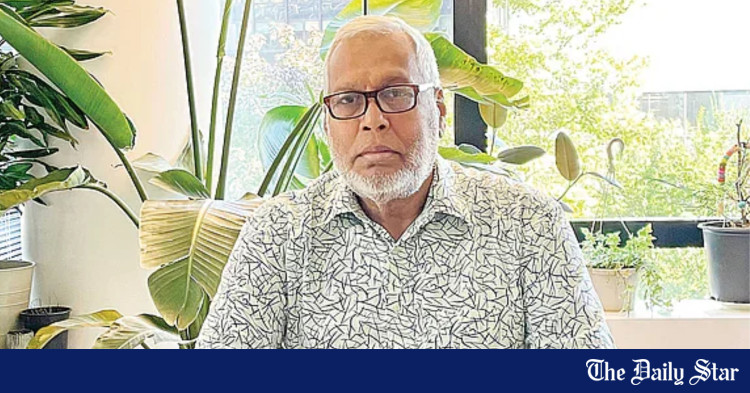
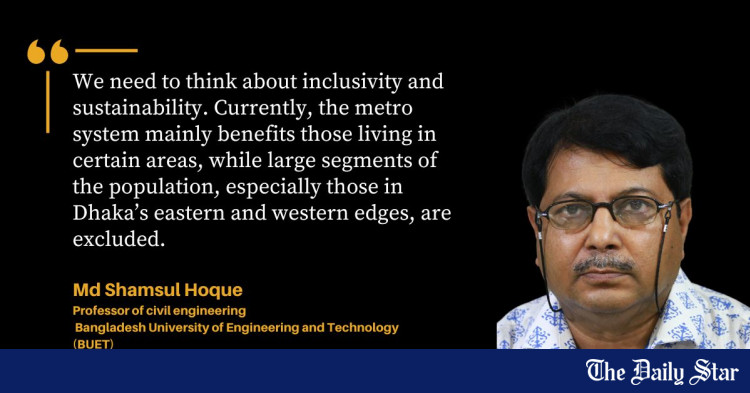
Md Shamsul Hoque, professor of civil engineering at the Bangladesh University of Engineering and Technology (BUET), talks to Monorom Polok of The Daily Star about the inefficiencies, corruption, and other obstacles plaguing development projects in Bangladesh's transportation sector.
Why are our development projects so costly and time-consuming?
The primary issue is the influence of a powerful syndicate formed during the previous government's tenure. This syndicate is a well-organised network of beneficiaries that do not want to make projects cost-effective because they directly profit from inflated budgets. The larger the project, the greater the hidden profits for them, allowing them to easily conceal their earnings. Directly or indirectly, they benefit from keeping projects costly and inefficient.
This syndicate doesn't want to take advice, no matter how much guidance is offered, because reforming the system would threaten their profits. Even if the political leadership changes—say, if BNP replaces Awami League—only their political portfolio would change, meaning the same group of beneficiaries would continue operating. This culture of profiteering through inflated project costs is too embedded to be dismantled easily.
What is your role in the newly formed task force to reframe development strategies, and what do you aim to achieve?
My focus within the committee is infrastructure, while most members bring expertise in economics. From my experience, I can say with certainty that unless we dismantle or overhaul this corrupt system, our development will continue to suffer in the long run. Given our large population and limited land, unplanned and inefficient infrastructure will only worsen the situation.
The situation is especially concerning with regard to the trend of high-cost projects. We are setting world records for expenses, yet corruption is hijacking our development process. Certain groups, both within the government and private sector, benefit from this, and they have no interest in changing the status quo.
Can you give specific examples of mismanagement in current development projects?
A key example is the way our transport sector is structured; political leaders do not want the sector to be well-organised because it would dry up their sources of extortion. The transport system could be streamlined, but doing so would reduce illicit profits that politicians and other influential figures enjoy.
Development projects are similarly riddled with issues. From procurement and contracts to other shady dealings, substantial benefits trickle down to a range of individuals—from politicians and ministers to ministry secretaries. Everyone is in on it. They've created a narrative that the country is undergoing massive transformation, but the reality is that self-interest, not public interest, is driving this transformation.
Take, for instance, Dhaka's metro system, particularly Metro-6 (from Motijheel to Uttara North). When the metro system was first planned, it was intended to transform public transport in the city, but the costs have since skyrocketed, and the project is taking much longer to complete than initially expected. If you compare our metro costs and timelines to those of similar projects in India and Indonesia, we are spending almost twice as much as India and one-and-a-half times more than Indonesia, with considerably longer completion times.
Why has the metro project's cost escalated so drastically, and how is this impacting people?
The metro project was supposed to provide affordable and efficient transportation for the public, but that is far from the reality. The costs are now so high that only the middle and upper-middle classes can afford it, excluding the poor who most need affordable options. We should have developed a cost structure that ensures accessibility for all.
Look at cities like Kolkata and Jakarta, where metros were built at much lower costs and in less time. In Dhaka, we've gone over our budget and are running behind schedule. When you borrow money in foreign currency for projects, you need to have a solid business model to repay those loans efficiently, but we seem to have missed that crucial aspect.
The core problem is that the people overseeing these projects are more focused on spending and procurement, which are opportunities for them to make money. They aren't interested in providing efficient services to the public. This inefficiency results in projects like Metro-6 being far more expensive than necessary.
How can these problems be addressed? What reforms are needed to make future projects more efficient?
First and foremost, we need to dismantle the syndicates and shadow networks profiting from development projects. This requires political will and a fundamental restructuring of how development projects are planned and executed.
We also need to start appointing experts with domain knowledge to lead these projects, rather than individuals who have little understanding of modern public transport or infrastructure systems. If we had professionals who knew how to plan and manage these projects, delays and cost overruns would be significantly reduced.
Another solution is to consider private-sector involvement in certain areas of operation. Many governments no longer rely on civil servants to run complex infrastructure projects because they tend to be less efficient. The private sector can introduce systems that enhance productivity and reduce costs by creating competitive environments where services are delivered more effectively.
For instance, in the mobile phone industry, as more users join, companies reduce rates and offer better services. If we applied the same model to public transport, we could make the metro system more affordable and more efficient over time. Additionally, we should explore other non-operational revenue sources, like commercial development and advertising, which can help subsidise operational costs.
How can Bangladesh balance large capital projects like the metro with more flexible, low-cost solutions?
In a city like Dhaka, where population density is extremely high, focusing solely on a metro system will not solve all our transportation problems. In fact, the current plan for Metro-6 and other future metro lines only serves a small portion of the population.
For example, if we were to invest $30 billion in a full metro network, it would only serve 17-20 percent of the city's population. Meanwhile, bus systems, if managed and regulated properly, could serve 40 percent of the population at a fraction of the cost. The 2005 Strategic Transport Plan (STP), which focused on creating an efficient transport system for the city, considered some of these factors. We need to prioritise systems that offer the best return on investment for the majority of the population.
Additionally, we should look into alternatives like light rail and monorail, which are cheaper and more flexible. Light rail, for example, can navigate winding routes and access areas where building a full metro line would be too expensive. These systems are being used successfully in cities like Singapore and Hong Kong, and we should seriously consider them for Dhaka's unplanned and densely populated areas such as Old Town, Basabo, Mohammadpur, etc.
So, what is the way forward for Dhaka's public transport system?
We need to think about inclusivity and sustainability. Currently, the metro system mainly benefits those living in certain areas, while large segments of the population, especially those in Dhaka's eastern and western edges, are excluded. These areas lack public transport options, and building a metro system there would be too costly.
This is where alternatives like monorails and light rail come in. They can be built on smaller infrastructure, like narrow pillars, and have a much smaller footprint, making them more suitable for areas with limited space. These systems would provide affordable transport options to millions of people who are currently left out.
Ultimately, we need to move away from the mindset that only big, expensive projects are the solution. By investing in a mix of transport modes—metros, buses, light rail—we can create a transport ecosystem that works for everyone, not just the elite.
If we continue as we are, we risk creating a system that serves a small portion of the population while draining the country's resources. Maintenance costs will skyrocket, revenue will fall short, and eventually, these projects could become financial burdens or "white elephants." The time to make thoughtful, data-driven decisions is now. Without it, future generations will bear the brunt of today's mistakes.
Views expressed in this article are the author's own.