Bangladesh Defense
Saif
Senior Member
- Jan 24, 2024
- 21,100
- 9,688
- Nation

- Residence
- Axis Group


Supply shortage of fuel oil across Bangladesh continues
People continued to suffer in long queues to refuel their vehicles at filling stations across the country, including the capital, on Friday as the supply shortage of the items from the state-owned Bangladesh Petroleum Corporation persisted...
 www.newagebd.net
Supply shortage of fuel oil across Bangladesh continues
Staff Correspondent 20 March, 2026, 22:35

A filling station remains closed at Tejgaon in the capital on Friday. | Sony Ramani
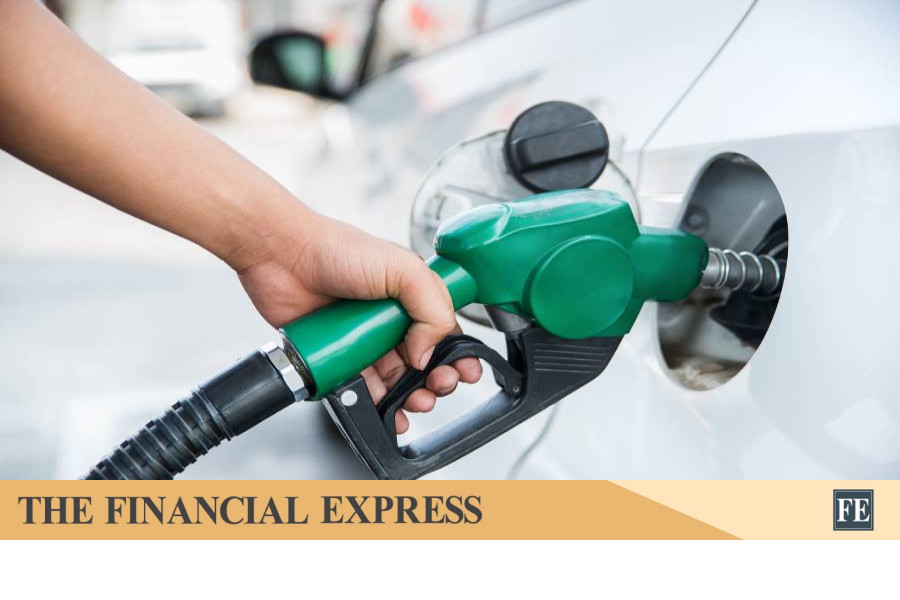
People continued to suffer in long queues to refuel their vehicles at filling stations across the country, including the capital, on Friday as the supply shortage of the items from the state-owned Bangladesh Petroleum Corporation persisted.
Many filling stations in the capital remained closed or operated for limited hours because of supply shortage causing extra pressure on the operating petrol pumps, consumers and petrol pump operators said.
A large number of people, especially many motorcyclists engaged in ridesharing in the capital and many car owners have left the capital for the weeklong Eid holiday, which started on Tuesday in the Muslim majority country.Bangladesh travel guide
Consumers, however, alleged that there was no respite from long queues at the city filling stations and they had to languish in queues for 1–2 hours on Friday, the fourth day of the holiday that began on March 17.
Petrol pump operators said that the situation was worse in the outside of the capital since a large number of motorcyclists and car owners visiting districts to celebrate the long Eid holiday pushing up the demand of fuel oils there.
The supply shortage has, however, been acute at the pumps outside the capital from the very beginning of the crisis in the wake of the war in the Gulf region, home to global half of the energy sources, they said.
Petrol Pump Owners Association convener Syed Sajjadul Karim said that the government should increase supply to meet the high demand.
Altercations between consumers and pump operators and brawls among the consumers in the queues became a common phenomenon, he said.
Rain at places across the country, however, brought down the rising temperature with the advent of early summer season, decreasing the demand for power.
The Met Office forecasted rain and thunder showers accompanied by temporary gusty or squally wind and lightning flashes at a few places over Rangpur, Rajshahi, Dhaka, Mymensingh, Khulna, Barishal, Chattogram and Sylhet over the next four days.
BPC officials admitted that the rain and thunder showers were blessing as it saved huge amount of diesel for the irrigation of the boro, the biggest staple in the country.
They said that fuel oils had been supplied as per the data on demand during March 2025.
Depots at Godnail and Fatulla in Narayanganj would remain closed on Eid day on Saturday and the following day.
Officials said that they would supply 12,777 tonnes of diesel, 1,496 tonnes of petrol and 1,193 tonnes of high-octane petrol daily between in March 23–25.
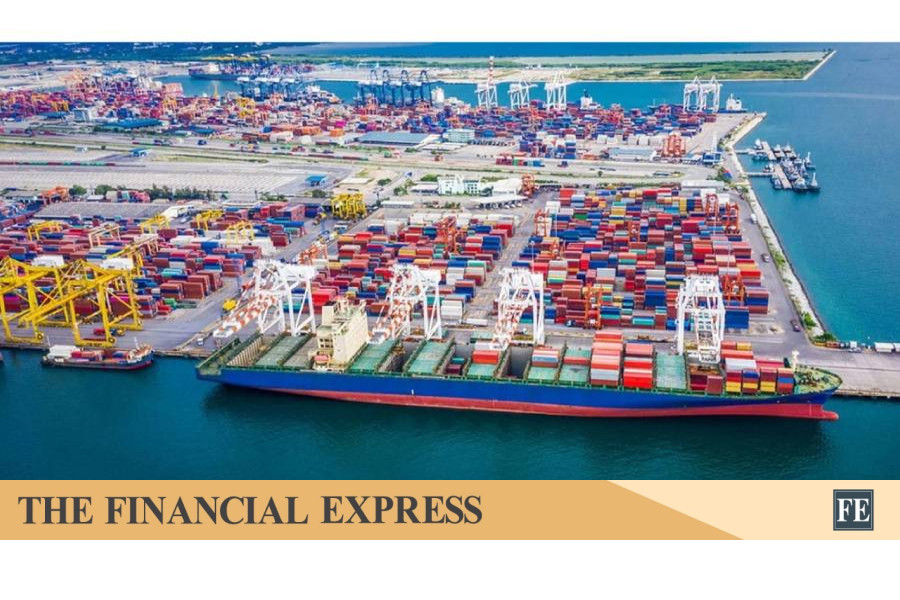
Bangladesh imported about 62 lakh tonnes of fuel oils in 2024-25, about 63 per cent of which was diesel and 12 per cent was petrol and high-octane petrol.
The joint-strike by the United States and Israel on Iran on February 28, retaliation by Tehran and subsequent closure of the Strait of Hormuz have been interrupting the movement of vessels with fuel oils.
Daily 20 per cent of the global energy passes through the Strait of Hormuz, a 23km narrow sea-line between Iran and Oman.
Staff Correspondent 20 March, 2026, 22:35
A filling station remains closed at Tejgaon in the capital on Friday. | Sony Ramani
People continued to suffer in long queues to refuel their vehicles at filling stations across the country, including the capital, on Friday as the supply shortage of the items from the state-owned Bangladesh Petroleum Corporation persisted.
Many filling stations in the capital remained closed or operated for limited hours because of supply shortage causing extra pressure on the operating petrol pumps, consumers and petrol pump operators said.
A large number of people, especially many motorcyclists engaged in ridesharing in the capital and many car owners have left the capital for the weeklong Eid holiday, which started on Tuesday in the Muslim majority country.Bangladesh travel guide
Consumers, however, alleged that there was no respite from long queues at the city filling stations and they had to languish in queues for 1–2 hours on Friday, the fourth day of the holiday that began on March 17.
Petrol pump operators said that the situation was worse in the outside of the capital since a large number of motorcyclists and car owners visiting districts to celebrate the long Eid holiday pushing up the demand of fuel oils there.
The supply shortage has, however, been acute at the pumps outside the capital from the very beginning of the crisis in the wake of the war in the Gulf region, home to global half of the energy sources, they said.
Petrol Pump Owners Association convener Syed Sajjadul Karim said that the government should increase supply to meet the high demand.
Altercations between consumers and pump operators and brawls among the consumers in the queues became a common phenomenon, he said.
Rain at places across the country, however, brought down the rising temperature with the advent of early summer season, decreasing the demand for power.
The Met Office forecasted rain and thunder showers accompanied by temporary gusty or squally wind and lightning flashes at a few places over Rangpur, Rajshahi, Dhaka, Mymensingh, Khulna, Barishal, Chattogram and Sylhet over the next four days.
BPC officials admitted that the rain and thunder showers were blessing as it saved huge amount of diesel for the irrigation of the boro, the biggest staple in the country.
They said that fuel oils had been supplied as per the data on demand during March 2025.
Depots at Godnail and Fatulla in Narayanganj would remain closed on Eid day on Saturday and the following day.
Officials said that they would supply 12,777 tonnes of diesel, 1,496 tonnes of petrol and 1,193 tonnes of high-octane petrol daily between in March 23–25.
Bangladesh imported about 62 lakh tonnes of fuel oils in 2024-25, about 63 per cent of which was diesel and 12 per cent was petrol and high-octane petrol.
The joint-strike by the United States and Israel on Iran on February 28, retaliation by Tehran and subsequent closure of the Strait of Hormuz have been interrupting the movement of vessels with fuel oils.
Daily 20 per cent of the global energy passes through the Strait of Hormuz, a 23km narrow sea-line between Iran and Oman.