
 Bangladesh Defense
Saif
Senior Member
- Jan 24, 2024
- 21,680
- 9,794
- Nation

- Residence
- Axis Group

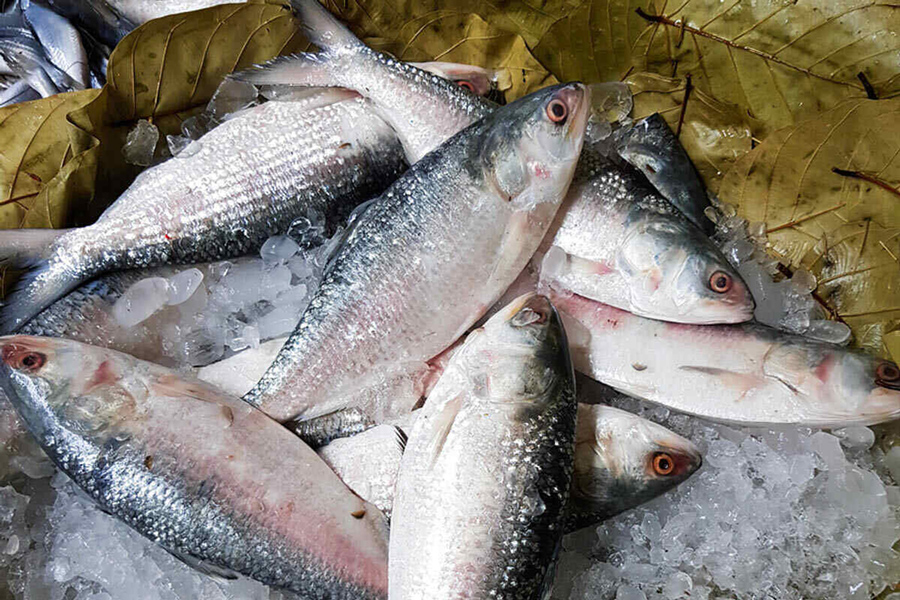
Why is hilsa out of reach?
The interim government's decision to increase food aid through vulnerable group feeding assistance during the lean days of ban on fishing to the fishermen families is a commendable move. Notably, the fishing ban comes on two occasions for 22 days between October 12 and November 2 to protect m
Why is hilsa out of reach?
SYED FATTAHUL ALIM
Published :
Aug 10, 2025 22:47
Updated :
Aug 10, 2025 22:47

The interim government's decision to increase food aid through vulnerable group feeding assistance during the lean days of ban on fishing to the fishermen families is a commendable move. Notably, the fishing ban comes on two occasions for 22 days between October 12 and November 2 to protect mother hilsas so they can spawn and for 58 days between April 15 and June 11 in the Bay of Bengal to help preserve marine biodiversity, ensure safe breeding and replenishment of fish stocks, particularly hilsa during its breeding season.
So far, each fishermen family has been getting at the rate of 25 kg of rice per month during the 22-day ban on hilsa catching and 40 kg of rice per month for 58-day ban on all types of fishing in the Bay. But now, according to the decision of the Department of Fisheries, it has been proposed that the quantity of rice for the fishermen during the 58-day ban would be increased to 50 kg per month. In a similar fashion, for 22-day ban, too, the rice amount would be increased proportionally for the fishermen families to protect their livelihoods. Undeniably, such steps would help the fisherfolk to somehow scrape through the difficult days without work.
Evidently, the measures have been introduced to control overfishing which has been behind the near depletion of te indigenous fish stocks. Triggered by rainfall and floods, hilsa migrates to our rivers from the Bay of Bengal to breed during the monsoon season, especially between July and September. Such upstream migration of hilsa also takes place from January to March. But predatory, illegal fishing using trawlers and nets with small size mesh such as gilll net (current net), drift gell net (gulti/kona jal), monofilament gill nets (current jal) and seine nets (ber jal), etc., has been threatening the existence of not only hilsa but also other popular local fish species.
Adult hilsa stock started to dwindle as its juvenile members (jatka) were being caught recklessly by the fishermen.
The successive governments have been using bans, strict action with the help of the administration, local government and Bangladesh Coast Guard (BCG) to stop illegal and predatory fishing. Helping fishing families with food support during the period when fishing is restricted is essentially a kind of incentive so they do not engage in illegal fishing. No doubt, all these actions have been of substantial help to protect the country's indigenous fishery resources, particularly the hilsa stock. However, from time to time reports appear in the media about the dire prospect of hilsa due to river pollution, climate change, possible changes in migratory behaviour of the fish and so on. And, indeed, there are often reports of poor catch in the sea and rivers and delays in harvesting season. But at the end of the day, hilsa finally appears in large numbers to the relief of the fish merchants, though not to the general consumers.
So, we still witness abundant supply of hilsa in the capital city's wholesale markets like Karwan Bazar and other hilsa wholesale markets in the country such as Chandpur Boro Station in Chandpur town and Barisal Port Road Hilsa Market. Of course, this testifies to the success of the government measures to protect this national fish from disappearing from our rivers and the Bay.
However, what is the use of having a lot of hilsa in the market, if the general consumers cannot afford it? Should this commodity not also follow the law of supply and demand? But no, to all appearances, hilsa in Bangladeshi markets does not go by this universal rule. For it is always selling at extortionate prices, regardless of the supply situation. The price is forever sky-high, come hell or high water. Why is this strange behaviour of the hilsa market that deprives the common consumers of this national fish? According to reports, this season, hilsa is selling at far higher prices in Bangladeshi markets than in West Bengal of India. Why this should be the case, when the West Bengal's hilsa market depends largely on the supply from Bangladesh whether through official or unofficial channels.
Sometimes the argument put forward by some experts was that it is the difference in the timing of fishing ban between Bangladesh and West Bengal that caused this strange price differences. For instance, in the beginning, Bangladesh authorities would place the fishing ban from May 20 to July 23, while for Indian fishermen, it was between April 15 and June 13. That means, the Indian fishermen were catching hilsa one month ahead of their Bangladeshi counterparts. Obviously, Bangladeshi fishing community was put at a disadvantage vis-à-vis it's the Indian one. And this might have some impact on the pricing of hilsa, though it could not explain exactly why there should be such pricing anomaly when the volume of hilsa catch in Bangladesh waters is far greater than that in West Bengal. However, in the face of demand for aligning the fishing ban regime with that of India, from this year the ban was imposed between April 15 and June11. But has it made any difference so far as price of hilsa in Bangladeshi markets this season amid profusion of supply is concerned? Recent media reports say, a small sized (500-gram) hilsa costs between Tk.1,450 and Tk.1,600 per kg in the capital's retail markets.
And those weighing between 700 and 800 grams are selling between Tk.1800 and Tk.2,000 per kg. For hilsas of larger size, weighing 1kg or more, the price rises from Tk.2,000 per kg to Tk.3,200 a kg, subject to the whims of the hilsa traders. But in the Kolkata markets of West Bengal, a 500-gm hilsa costs between Indian Rupee, INR600 and INR750, which is equivalent to between Bangladesh Taka BDT834 and BDT1042.50 (at the rate of I INR=1.39BDT). Compared to Kolkata prices, the hilsa is between 153 per cent and 174 per cent pricier in Dhaka markets. For hilsas of larger size, the prices escalate proportionately. Clearly, it is yet another syndicate we are talking about that is in control of the hilsa market to the dismay of general consumers. Even two to three decades back, the picture was quite different, particularly in the capital's retail fish markets. Hilsa, though a popular delicacy, it was not among the priciest fishes in the market, despite its supply shortage and low production. It was rather cheap and affordable to the people in the low-income bracket. But things began to change about decade back when prices of hilsa began to rise disproportionately, though its supply increased significantly, thanks to various government measures. But then what's the use of abundant catch of hilsa, if it remains beyond the common people's reach?
SYED FATTAHUL ALIM
Published :
Aug 10, 2025 22:47
Updated :
Aug 10, 2025 22:47
The interim government's decision to increase food aid through vulnerable group feeding assistance during the lean days of ban on fishing to the fishermen families is a commendable move. Notably, the fishing ban comes on two occasions for 22 days between October 12 and November 2 to protect mother hilsas so they can spawn and for 58 days between April 15 and June 11 in the Bay of Bengal to help preserve marine biodiversity, ensure safe breeding and replenishment of fish stocks, particularly hilsa during its breeding season.
So far, each fishermen family has been getting at the rate of 25 kg of rice per month during the 22-day ban on hilsa catching and 40 kg of rice per month for 58-day ban on all types of fishing in the Bay. But now, according to the decision of the Department of Fisheries, it has been proposed that the quantity of rice for the fishermen during the 58-day ban would be increased to 50 kg per month. In a similar fashion, for 22-day ban, too, the rice amount would be increased proportionally for the fishermen families to protect their livelihoods. Undeniably, such steps would help the fisherfolk to somehow scrape through the difficult days without work.
Evidently, the measures have been introduced to control overfishing which has been behind the near depletion of te indigenous fish stocks. Triggered by rainfall and floods, hilsa migrates to our rivers from the Bay of Bengal to breed during the monsoon season, especially between July and September. Such upstream migration of hilsa also takes place from January to March. But predatory, illegal fishing using trawlers and nets with small size mesh such as gilll net (current net), drift gell net (gulti/kona jal), monofilament gill nets (current jal) and seine nets (ber jal), etc., has been threatening the existence of not only hilsa but also other popular local fish species.
Adult hilsa stock started to dwindle as its juvenile members (jatka) were being caught recklessly by the fishermen.
The successive governments have been using bans, strict action with the help of the administration, local government and Bangladesh Coast Guard (BCG) to stop illegal and predatory fishing. Helping fishing families with food support during the period when fishing is restricted is essentially a kind of incentive so they do not engage in illegal fishing. No doubt, all these actions have been of substantial help to protect the country's indigenous fishery resources, particularly the hilsa stock. However, from time to time reports appear in the media about the dire prospect of hilsa due to river pollution, climate change, possible changes in migratory behaviour of the fish and so on. And, indeed, there are often reports of poor catch in the sea and rivers and delays in harvesting season. But at the end of the day, hilsa finally appears in large numbers to the relief of the fish merchants, though not to the general consumers.
So, we still witness abundant supply of hilsa in the capital city's wholesale markets like Karwan Bazar and other hilsa wholesale markets in the country such as Chandpur Boro Station in Chandpur town and Barisal Port Road Hilsa Market. Of course, this testifies to the success of the government measures to protect this national fish from disappearing from our rivers and the Bay.
However, what is the use of having a lot of hilsa in the market, if the general consumers cannot afford it? Should this commodity not also follow the law of supply and demand? But no, to all appearances, hilsa in Bangladeshi markets does not go by this universal rule. For it is always selling at extortionate prices, regardless of the supply situation. The price is forever sky-high, come hell or high water. Why is this strange behaviour of the hilsa market that deprives the common consumers of this national fish? According to reports, this season, hilsa is selling at far higher prices in Bangladeshi markets than in West Bengal of India. Why this should be the case, when the West Bengal's hilsa market depends largely on the supply from Bangladesh whether through official or unofficial channels.
Sometimes the argument put forward by some experts was that it is the difference in the timing of fishing ban between Bangladesh and West Bengal that caused this strange price differences. For instance, in the beginning, Bangladesh authorities would place the fishing ban from May 20 to July 23, while for Indian fishermen, it was between April 15 and June 13. That means, the Indian fishermen were catching hilsa one month ahead of their Bangladeshi counterparts. Obviously, Bangladeshi fishing community was put at a disadvantage vis-à-vis it's the Indian one. And this might have some impact on the pricing of hilsa, though it could not explain exactly why there should be such pricing anomaly when the volume of hilsa catch in Bangladesh waters is far greater than that in West Bengal. However, in the face of demand for aligning the fishing ban regime with that of India, from this year the ban was imposed between April 15 and June11. But has it made any difference so far as price of hilsa in Bangladeshi markets this season amid profusion of supply is concerned? Recent media reports say, a small sized (500-gram) hilsa costs between Tk.1,450 and Tk.1,600 per kg in the capital's retail markets.
And those weighing between 700 and 800 grams are selling between Tk.1800 and Tk.2,000 per kg. For hilsas of larger size, weighing 1kg or more, the price rises from Tk.2,000 per kg to Tk.3,200 a kg, subject to the whims of the hilsa traders. But in the Kolkata markets of West Bengal, a 500-gm hilsa costs between Indian Rupee, INR600 and INR750, which is equivalent to between Bangladesh Taka BDT834 and BDT1042.50 (at the rate of I INR=1.39BDT). Compared to Kolkata prices, the hilsa is between 153 per cent and 174 per cent pricier in Dhaka markets. For hilsas of larger size, the prices escalate proportionately. Clearly, it is yet another syndicate we are talking about that is in control of the hilsa market to the dismay of general consumers. Even two to three decades back, the picture was quite different, particularly in the capital's retail fish markets. Hilsa, though a popular delicacy, it was not among the priciest fishes in the market, despite its supply shortage and low production. It was rather cheap and affordable to the people in the low-income bracket. But things began to change about decade back when prices of hilsa began to rise disproportionately, though its supply increased significantly, thanks to various government measures. But then what's the use of abundant catch of hilsa, if it remains beyond the common people's reach?

