 Israeli Defense

Saif
Senior Member
- Joined
- Jan 24, 2024
- Messages
- 22,319
- Likes
- 9,875
- Nation

- Axis Group


Co-pilot of flydubai plane underwent radical Islamist indoctrination: Netanyahu
The co-pilot of a passenger jet who stabbed the captain in an apparent attempt to crash the plane as it flew to Israel had undergone radical Islamist indoctrination and was clearly suicidal, Israel's prime minister said on Thursday. Disaster was averted on Wednesday's flydubai flight FZ1073...
 en.prothomalo.com
Co-pilot of flydubai plane underwent radical Islamist indoctrination: Netanyahu
Plane made sudden plunge during incident. Israel's initial assessment finds Omani co-pilot likely acted alone, officials say.
Reuters
Jerusalem
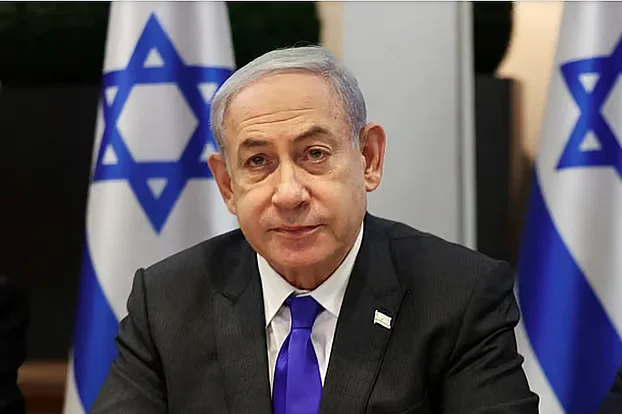
Israel's prime minister Benjamin Netanyahu File Photo: Reuters
The co-pilot of a passenger jet who stabbed the captain in an apparent attempt to crash the plane as it flew to Israel had undergone radical Islamist indoctrination and was clearly suicidal, Israel's prime minister said on Thursday.
Disaster was averted on Wednesday's flydubai flight FZ1073 from Dubai to Tel Aviv after the wounded captain managed to unlock the cockpit door, allowing passengers to subdue the attacker. A reserve crew that had been aboard landed the plane, which had more than 170 people on board, at Tabuk airport in Saudi Arabia.
"We know that he underwent Islamist radical indoctrination. That appears to be something we are gathering from his personal information," Israeli Prime Minister Benjamin Netanyahu said in an interview with Fox News.
Two Israeli security officials said Israel's initial assessment was that the co-pilot, identified by Israel as an Omani national, was likely acting alone, though the investigation was still ongoing.
The flight plunged more than 14,000 feet in less than 30 seconds during the incident as it flew over Saudi Arabia on the journey from the United Arab Emirates to Israel, according to the flight-tracking website Flightradar24.
Netanyahu said it was clear that the co-pilot was suicidal.
"It looks very likely that he was going to down the plane," Netanyahu said. Coupled with "the Islamist tendencies, that radicalization that are found in his background, I think that's ... a pretty good clue," he said, without elaborating.
"But again, I don't make final conclusions yet. But that's the indications we have now," he added.
The United Arab Emirates has started investigations seeking to establish the circumstances and motives and determine "whether the incident was linked to any terrorist activity or purpose, or involved prior planning or direction," the UAE state news agency reported on Thursday.
Attacker Identified as Omani National
Israel's envoy to the UAE, Yossi Shelley, told Reuters that it was too early to draw conclusions and no motive had been determined.
Another Israeli official said Israel was not receiving all the information it sought from the Saudis and that the Israeli intelligence services, Mossad and Shin Bet, were investigating the incident as well.
In the first comment by the Saudi government on the incident, the Interior Ministry said in a statement that the captain and co-pilot, who were both treated in a hospital for injuries, left for Abu Dhabi on Thursday morning after receiving medical clearance. Saudi Arabia said it had conducted the preliminary investigation with security teams from the United Arab Emirates.
The Saudi statement also said that the initial investigation indicated that the co-pilot assaulted the captain, forcing the plane to make the emergency landing in Tabuk.
With the co-pilot now in the United Arab Emirates, Israeli investigators "can now join the UAE's investigation team and get precisely knowledge of what his motives were, who was behind him, what his plans were," Netanyahu spokesperson David Mencer told Fox News.
Netanyahu identified the attacker as an Omani national. Omani authorities have not commented.
"We have constraints that say you can't have pilots from countries that don't have diplomatic relations with Israel. So obviously he was able to go through that," Netanyahu told Fox.
Asked if there was any indication of Iranian involvement, Netanyahu said it was too early to say. There have been no official suggestions from Israel of Iranian involvement. The two Israeli security officials said Israel had not identified any Iranian involvement so far.
Israeli Defence Minister Israel Katz said on Wednesday that Israel's preliminary information indicated that the co-pilot aimed to crash the plane, describing him as a terrorist, though Netanyahu only described it as "a serious security incident."
Iran's permanent mission in Geneva did not immediately respond to Reuters' request for comment.
Security Fears Ahead of Israeli Election
The incident heightened security fears in Israel weeks before Israelis vote in the first election since the Hamas-led attacks on 7 October, 2023, with Israel's security figuring prominently in the campaigning.
The US and Israel launched strikes against Iran in February, in a conflict that quickly spread to the Gulf and Lebanon, where Israel has been fighting Iran-backed militant group Hezbollah.
Netanyahu and Indian Prime Minister Narendra Modi have hailed the flight FZ1073 captain and Indian national Smit Machchhar as a hero.
The pilot was recovering well, the Indian embassy in the UAE said on X. Israel has also lauded passengers who subdued the attacker.
Yaniv Hayun, one of the men who incapacitated the attacker, described running to the cockpit as the plane nosedived.
"We pulled the assailant out, I pulled him out. After I pulled him out we took control of the plane, I pulled up the yoke (steering control of the plane), I straightened the plane out a bit," he said, talking to reporters upon his return to Israel on Wednesday.
Plane made sudden plunge during incident. Israel's initial assessment finds Omani co-pilot likely acted alone, officials say.
Reuters
Jerusalem
Israel's prime minister Benjamin Netanyahu File Photo: Reuters
The co-pilot of a passenger jet who stabbed the captain in an apparent attempt to crash the plane as it flew to Israel had undergone radical Islamist indoctrination and was clearly suicidal, Israel's prime minister said on Thursday.
Disaster was averted on Wednesday's flydubai flight FZ1073 from Dubai to Tel Aviv after the wounded captain managed to unlock the cockpit door, allowing passengers to subdue the attacker. A reserve crew that had been aboard landed the plane, which had more than 170 people on board, at Tabuk airport in Saudi Arabia.
"We know that he underwent Islamist radical indoctrination. That appears to be something we are gathering from his personal information," Israeli Prime Minister Benjamin Netanyahu said in an interview with Fox News.
Two Israeli security officials said Israel's initial assessment was that the co-pilot, identified by Israel as an Omani national, was likely acting alone, though the investigation was still ongoing.
The flight plunged more than 14,000 feet in less than 30 seconds during the incident as it flew over Saudi Arabia on the journey from the United Arab Emirates to Israel, according to the flight-tracking website Flightradar24.
Netanyahu said it was clear that the co-pilot was suicidal.
"It looks very likely that he was going to down the plane," Netanyahu said. Coupled with "the Islamist tendencies, that radicalization that are found in his background, I think that's ... a pretty good clue," he said, without elaborating.
"But again, I don't make final conclusions yet. But that's the indications we have now," he added.
The United Arab Emirates has started investigations seeking to establish the circumstances and motives and determine "whether the incident was linked to any terrorist activity or purpose, or involved prior planning or direction," the UAE state news agency reported on Thursday.
Attacker Identified as Omani National
Israel's envoy to the UAE, Yossi Shelley, told Reuters that it was too early to draw conclusions and no motive had been determined.
Another Israeli official said Israel was not receiving all the information it sought from the Saudis and that the Israeli intelligence services, Mossad and Shin Bet, were investigating the incident as well.
In the first comment by the Saudi government on the incident, the Interior Ministry said in a statement that the captain and co-pilot, who were both treated in a hospital for injuries, left for Abu Dhabi on Thursday morning after receiving medical clearance. Saudi Arabia said it had conducted the preliminary investigation with security teams from the United Arab Emirates.
The Saudi statement also said that the initial investigation indicated that the co-pilot assaulted the captain, forcing the plane to make the emergency landing in Tabuk.
With the co-pilot now in the United Arab Emirates, Israeli investigators "can now join the UAE's investigation team and get precisely knowledge of what his motives were, who was behind him, what his plans were," Netanyahu spokesperson David Mencer told Fox News.
Netanyahu identified the attacker as an Omani national. Omani authorities have not commented.
"We have constraints that say you can't have pilots from countries that don't have diplomatic relations with Israel. So obviously he was able to go through that," Netanyahu told Fox.
Asked if there was any indication of Iranian involvement, Netanyahu said it was too early to say. There have been no official suggestions from Israel of Iranian involvement. The two Israeli security officials said Israel had not identified any Iranian involvement so far.
Israeli Defence Minister Israel Katz said on Wednesday that Israel's preliminary information indicated that the co-pilot aimed to crash the plane, describing him as a terrorist, though Netanyahu only described it as "a serious security incident."
Iran's permanent mission in Geneva did not immediately respond to Reuters' request for comment.
Security Fears Ahead of Israeli Election
The incident heightened security fears in Israel weeks before Israelis vote in the first election since the Hamas-led attacks on 7 October, 2023, with Israel's security figuring prominently in the campaigning.
The US and Israel launched strikes against Iran in February, in a conflict that quickly spread to the Gulf and Lebanon, where Israel has been fighting Iran-backed militant group Hezbollah.
Netanyahu and Indian Prime Minister Narendra Modi have hailed the flight FZ1073 captain and Indian national Smit Machchhar as a hero.
The pilot was recovering well, the Indian embassy in the UAE said on X. Israel has also lauded passengers who subdued the attacker.
Yaniv Hayun, one of the men who incapacitated the attacker, described running to the cockpit as the plane nosedived.
"We pulled the assailant out, I pulled him out. After I pulled him out we took control of the plane, I pulled up the yoke (steering control of the plane), I straightened the plane out a bit," he said, talking to reporters upon his return to Israel on Wednesday.


