 Bangladesh Defense

Saif
Senior Member
- Joined
- Jan 24, 2024
- Messages
- 22,417
- Likes
- 9,875
- Nation

- Axis Group

Reconstructing society: Lessons from a cybercrime case
Girl targeted with AI deepfake porn & extortion. Community unites for justice.
Reconstructing society: Lessons from a cybercrime case

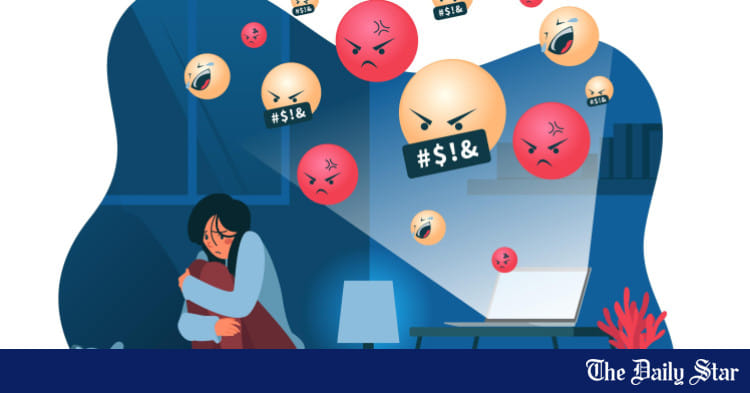
ILLUSTRATION: FREEPIK
Two months back, I was drawn into a traumatic cybercrime case that highlighted the depth of societal issues we face today. The ordeal began when the family of a young adolescent girl reached out to me to help uncover the identity of someone harassing their daughter through a fake messenger account. Shockingly, the perpetrator had used AI technology to create explicit videos of the girl by superimposing her face onto pornographic footage. They then demanded money, threatening to either share the videos with a wider audience or resort to an even more horrific act: throwing acid at her.
These crimes not only gravely violate personal dignity but frighteningly misuse emerging technology. With the support of law enforcement, journalists, development workers, lawyers, and activists, I joined the family in their pursuit of justice. Together, we embarked on a relentless 15-day journey to identify the perpetrator.
When the truth finally came to light, I was stunned to discover that the person responsible was a 15-year-old girl and that she had targeted multiple girls with the same malicious actions. I was shaken to my core, not just because of the unexpected identity of the perpetrator, but because of the deeper implications it holds for our society.
As I reflect on this experience, I find myself deeply questioning the foundational structures of our society, the role of families, the effectiveness of the educational system, and the values implanted in children. These questions weigh heavily on my heart, leaving me grappling with the unsettling reality of the societal trajectory. What makes this even more alarming is that the girl's parents are both teachers—individuals entrusted with shaping the minds and values of countless children in our society. It highlights the shortcomings of our social institutions, and the need for increased empathy, respect, and understanding of the consequences of our actions.
Family is essential for teaching empathy, discipline, and morals. Rigid control can promote negative views and criminal behaviour, further warping children's moral compass, while neglectful circumstances can cause them to seek authority or recognition. In the context of this case, one could wonder: what unmet emotional needs or lack of guidance led the perpetrator to such an act? Families need to be more aware of the emotional and psychological needs of their children, teaching them the importance of respect, self-awareness, and ethical behaviour.
The educational system often prioritises academic achievement over emotional and social development, neglecting digital literacy, ethics, and interpersonal skills. To create emotionally intelligent citizens, schools should focus on empathy and responsibility. They should help students evolve to create a meticulous understanding of the impact of their actions on others.
The rise of social media has influenced young minds, leading to a culture of validation and attention-seeking. It's crucial to create safe spaces for young people to express themselves without resorting to harmful or unethical means.
Why a person might find such criminal acts tempting requires delving into the psychosocial factors at play. Adolescents are naturally curious and impressionable. When combined with easy access to advanced technology, curiosity can lead to dangerous experimentation. The perpetrator in this case likely did not fully understand the harm and long-term consequences of her actions. For some individuals, committing such acts provides a sense of control or power. Insecure adolescents, for instance, may resort to harmful behaviours as a way to assert dominance or gain social validation.
A lack of emotional intelligence and coping mechanisms can lead to destructive actions. Adolescents often struggle with managing emotions such as anger, jealousy, or insecurity, and without proper guidance, they may channel these feelings in the wrong way. Families must deliberately foster open communication, emotional intelligence, and respect. The education system must be restructured to create platforms for students to share their experiences and concerns without fear of judgment.
Communities need to foster inclusivity and provide support for local initiatives, youth clubs, and safe digital platforms as outlets for adolescents to express themselves and build a sense of belonging. Modernising religious and ethical organisations is necessary to meet today's issues of empathy and social responsibility.
This incident has been a painful wake-up call but also reinforced my commitment to advocating for change. We cannot move forward by clinging to outdated mindsets or ignoring the pressing need for reform. Instead, we must create a society where inclusivity, empathy, and mutual understanding are valued above all else. Reconstruction begins with each of us. By addressing the gaps in our social institutions and understanding the psychosocial dimensions of behaviour, we can pave the way for a brighter, more compassionate future.
Taslima Tinni is a human rights activist.


