| Global Defense, OSINT & Geopolitics Wire

[🇧🇩] The U.S.A.---A Strategic Partner of Bangladesh

[🇧🇩] The U.S.A.---A Strategic Partner of Bangladesh
256
14K
More threads by Saif

G Bangladesh Defense

āĻŽāĻžāĻ°ā§āĻ•āĻŋāύ āĻŦā§āϝāĻŦāϏāĻžā§Ÿā§€āĻĻ⧇āϰ āĻŦāĻžāĻ‚āϞāĻžāĻĻ⧇āĻļ⧇ āφāϰāĻ“ āĻŦāĻŋāύāĻŋā§Ÿā§‹āϗ⧇āϰ āφāĻšā§āĻŦāĻžāύ āĻĒā§āϰāϧāĻžāύ āωāĻĒāĻĻ⧇āĻˇā§āϟāĻžāϰ
‘āφāĻĒāύāĻžāϰ āĻĻāĻžā§ŸāĻŋāĻ¤ā§āĻŦ āĻ—ā§āϰāĻšāϪ⧇āϰ āĻĒāϰ āĻĨ⧇āϕ⧇ āφāĻŽā§‡āϰāĻŋāĻ•āĻžāύ āϕ⧋āĻŽā§āĻĒāĻžāύāĻŋāϗ⧁āϞ⧋āϰ āĻŦāĻžāĻ‚āϞāĻžāĻĻ⧇āĻļ⧇ āφāĻ—ā§āϰāĻš āĻ…āύ⧇āĻ• āĻŦā§‡ā§œā§‡āϛ⧇āĨ¤â€™

1729039743878.webp


āĻŽāĻžāĻ°ā§āĻ•āĻŋāύ āĻŦā§āϝāĻŦāϏāĻžā§Ÿā§€āĻĻ⧇āϰ āĻŦāĻžāĻ‚āϞāĻžāĻĻ⧇āĻļ⧇ āφāϰāĻ“ āĻŦāĻŋāύāĻŋā§Ÿā§‹āϗ⧇āϰ āφāĻšā§āĻŦāĻžāύ āϜāĻžāύāĻŋā§Ÿā§‡āϛ⧇āύ āĻĒā§āϰāϧāĻžāύ āωāĻĒāĻĻ⧇āĻˇā§āϟāĻž āĻĄ. āĻŽā§āĻšāĻžāĻŽā§āĻŽāĻĻ āχāωāύ⧂āϏāĨ¤

āϤāĻŋāύāĻŋ āĻŦāϞ⧇āύ, āĻ…āĻ¨ā§āϤāĻ°ā§āĻŦāĻ°ā§āϤ⧀ āϏāϰāĻ•āĻžāϰ āĻŦāĻŋāĻĻ⧇āĻļāĻŋ āĻŦāĻŋāύāĻŋā§Ÿā§‹āĻ— āφāĻ•āĻ°ā§āώāĻŖ āĻāĻŦāĻ‚ āĻĻ⧇āĻļ⧇āϰ āĻŦā§āϝāĻŦāϏāĻžā§ŸāĻŋāĻ• āĻĒāϰāĻŋāĻŦ⧇āĻļ āωāĻ¨ā§āύ⧟āύ⧇ āĻŦāĻŋāĻ­āĻŋāĻ¨ā§āύ āĻĒāĻĻāĻ•ā§āώ⧇āĻĒ āύāĻŋā§Ÿā§‡āϛ⧇āĨ¤

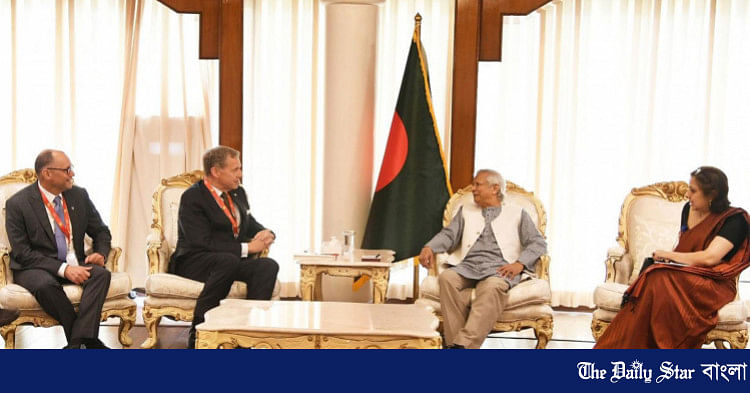
āĻĸāĻžāĻ•āĻžā§Ÿ āĻŽāĻ™ā§āĻ—āϞāĻŦāĻžāϰ āϰāĻžāĻˇā§āĻŸā§āĻ°ā§€ā§Ÿ āĻ…āϤāĻŋāĻĨāĻŋ āĻ­āĻŦāύ āϝāĻŽā§āύāĻžā§Ÿ āϤāĻŋāύāĻŋ āĻāĻ•āϟāĻŋ āĻŽāĻžāĻ°ā§āĻ•āĻŋāύ āĻŦā§āϝāĻŦāϏāĻžā§Ÿā§€ āĻĒā§āϰāϤāĻŋāύāĻŋāϧāĻŋ āĻĻāϞāϕ⧇ āĻŦāϞ⧇āύ, 'āφāĻĒāύāĻžāϰāĻž āϏāĻ āĻŋāĻ• āϏāĻŽā§Ÿā§‡ āĻ āĻĻ⧇āĻļ⧇ āĻāϏ⧇āϛ⧇āύāĨ¤'

āĻāĻ•ā§āϏāĻŋāϞāĻžāϰ⧇āϟ āĻāύāĻžāĻ°ā§āϜāĻŋāϰ āĻĒā§āϰāϧāĻžāύ āύāĻŋāĻ°ā§āĻŦāĻžāĻšā§€ āĻ•āĻ°ā§āĻŽāĻ•āĻ°ā§āϤāĻž (āϏāĻŋāχāĻ“) āĻāĻŦāĻ‚ āχāωāĻāϏ-āĻŦāĻžāĻ‚āϞāĻžāĻĻ⧇āĻļ āĻŦāĻŋāϜāύ⧇āϏ āĻ•āĻžāωāĻ¨ā§āϏāĻŋāϞ⧇āϰ āĻšā§‡ā§ŸāĻžāϰāĻŽā§āϝāĻžāύ āĻ¸ā§āϟāĻŋāϭ⧇āύ āϕ⧋āĻŦā§‹āϏ⧇āϰ āύ⧇āϤ⧃āĻ¤ā§āĻŦ⧇ āĻŽāĻžāĻ°ā§āĻ•āĻŋāύ āĻŦā§āϝāĻŦāϏāĻžā§Ÿā§€ āĻĒā§āϰāϤāĻŋāύāĻŋāϧāĻŋ āĻĻāϞ āĻāĻĻāĻŋāύ āĻĒā§āϰāϧāĻžāύ āωāĻĒāĻĻ⧇āĻˇā§āϟāĻžāϰ āϏāĻ™ā§āϗ⧇ āϏāĻžāĻ•ā§āώāĻžā§Ž āĻ•āϰ⧇āύāĨ¤

āĻ…āĻ¨ā§āϤāĻ°ā§āĻŦāĻ°ā§āϤ⧀ āϏāϰāĻ•āĻžāϰ⧇āϰ āύ⧇āϤ⧃āĻ¤ā§āĻŦ āĻ—ā§āϰāĻšāĻŖ āĻ•āϰāĻžā§Ÿ āĻĒā§āϰāϧāĻžāύ āωāĻĒāĻĻ⧇āĻˇā§āϟāĻžāϰ āĻĒā§āϰāĻļāĻ‚āϏāĻž āĻ•āϰ⧇ āĻ¸ā§āϟāĻŋāϭ⧇āύ āϕ⧋āĻŦā§‹āϏ āĻŦāϞ⧇āύ, āĻāϟāĻŋ āĻŦāĻžāĻ‚āϞāĻžāĻĻ⧇āĻļ⧇ āĻŦā§āϝāĻŦāϏāĻžā§Ÿ āφāĻ¸ā§āĻĨāĻž āĻŦāĻžā§œāĻžāĻŦ⧇āĨ¤

āϤāĻŋāύāĻŋ āĻŦāϞ⧇āύ, 'āφāĻĒāύāĻžāϰ āĻĻāĻžā§ŸāĻŋāĻ¤ā§āĻŦ āĻ—ā§āϰāĻšāϪ⧇āϰ āĻĒāϰ āĻĨ⧇āϕ⧇ āφāĻŽā§‡āϰāĻŋāĻ•āĻžāύ āϕ⧋āĻŽā§āĻĒāĻžāύāĻŋāϗ⧁āϞ⧋āϰ āĻŦāĻžāĻ‚āϞāĻžāĻĻ⧇āĻļ⧇ āφāĻ—ā§āϰāĻš āĻ…āύ⧇āĻ• āĻŦā§‡ā§œā§‡āϛ⧇āĨ¤'

āϕ⧋āĻŦā§‹āϏ āφāϰāĻ“ āϜāĻžāύāĻžāύ, āχāωāĻāϏ-āĻŦāĻžāĻ‚āϞāĻžāĻĻ⧇āĻļ āĻŦāĻŋāϜāύ⧇āϏ āĻ•āĻžāωāĻ¨ā§āϏāĻŋāϞ⧇āϰ āϏāĻĻāĻ¸ā§āϝāϏāĻš āĻļā§€āĻ°ā§āώāĻ¸ā§āĻĨāĻžāĻ¨ā§€ā§Ÿ āĻŽāĻžāĻ°ā§āĻ•āĻŋāύ āϕ⧋āĻŽā§āĻĒāĻžāύāĻŋāϗ⧁āϞ⧋ āĻĻāĻ•ā§āώāĻŋāĻŖ āĻāĻļāĻŋ⧟āĻžāϰ āĻāχ āĻĻ⧇āĻļ⧇ āĻŦā§āϝāĻŦāϏāĻžāϰ āϏāĻŽā§āĻ­āĻžāĻŦāύāĻž āύāĻŋā§Ÿā§‡ āĻ…āύ⧇āĻ• āφāĻ—ā§āϰāĻšā§€āĨ¤

āϤāĻžāϰ āϕ⧋āĻŽā§āĻĒāĻžāύāĻŋ āĻŦāĻžāĻ‚āϞāĻžāĻĻ⧇āĻļ⧇āϰ āĻœā§āĻŦāĻžāϞāĻžāύāĻŋ āĻ–āĻžāϤ⧇ āĻāĻŦāĻ‚ āĻ•āĻžāĻ°ā§āĻŦāύ āύāĻŋāσāϏāϰāĻŖ āĻšā§āϰāĻžāϏ⧇ āφāϰāĻ“ āĻŦāĻŋāύāĻŋā§Ÿā§‹āϗ⧇āϰ āĻĒāϰāĻŋāĻ•āĻ˛ā§āĻĒāύāĻž āĻ•āϰāϛ⧇, āĻŦāϞ⧇āύ āϕ⧋āĻŦā§‹āϏāĨ¤

āϤāĻŋāύāĻŋ āĻŦāϞ⧇āύ, āϕ⧋āĻŽā§āĻĒāĻžāύāĻŋāϟāĻŋ āĻĻ⧇āĻļ⧇ āϤāϰāϞ⧀āĻ•ā§ƒāϤ āĻĒā§āϰāĻžāĻ•ā§ƒāϤāĻŋāĻ• āĻ—ā§āϝāĻžāϏ (āĻāϞāĻāύāϜāĻŋ) āϏāϰāĻŦāϰāĻžāĻš āĻŦ⧃āĻĻā§āϧāĻŋ āĻ•āϰāϤ⧇ āϚāĻžā§ŸāĨ¤ āĻŦāĻ°ā§āϤāĻŽāĻžāύ⧇ āĻāĻ•ā§āϏāĻŋāϞāĻžāϰ⧇āϟ āĻŦāĻžāĻ‚āϞāĻžāĻĻ⧇āĻļ⧇āϰ āĻĻ⧁āϟāĻŋ āĻ…āĻĢāĻļā§‹āϰ āĻĢā§āϞ⧋āϟāĻŋāĻ‚ āĻ¸ā§āĻŸā§‹āϰ⧇āϜ āĻāĻŦāĻ‚ āϰāĻŋāĻ—ā§āϝāĻžāϏāĻŋāĻĢāĻŋāϕ⧇āĻļāύ āχāωāύāĻŋāĻŸā§‡ (āĻāĻĢāĻāϏāφāϰāχāω) āĻŦāĻŋāύāĻŋā§Ÿā§‹āĻ— āĻ•āϰ⧇āϛ⧇, āϝāĻž āĻĒā§āϰāϤāĻŋāĻĻāĻŋāύ āĻāĻ• āĻĻāĻļāĻŽāĻŋāĻ• āĻāĻ• āĻŦāĻŋāϞāĻŋ⧟āύ āϘāύāĻĢ⧁āϟ āĻ—ā§āϝāĻžāϏ āϏāϰāĻŦāϰāĻžāĻš āĻ•āϰ⧇āĨ¤ āĻĻ⧇āĻļ⧇āϰ āĻĻ⧈āύāĻŋāĻ• āĻ—ā§āϝāĻžāϏ āϏāϰāĻŦāϰāĻžāĻšā§‡āϰ āĻĒā§āϰāĻžā§Ÿ ā§Šā§Ē āĻļāϤāĻžāĻ‚āĻļ āĻāĻ–āĻžāύ āĻĨ⧇āϕ⧇ āφāϏ⧇āĨ¤

āϏāĻŽā§āĻĒā§āϰāϤāĻŋ āĻŽāĻžāĻ°ā§āĻ•āĻŋāύ āϝ⧁āĻ•ā§āϤāϰāĻžāĻˇā§āĻŸā§āϰ āϏāĻĢāϰāĻ•āĻžāϞ⧇ āĻĒā§āϰāϧāĻžāύ āωāĻĒāĻĻ⧇āĻˇā§āϟāĻž āχāωāĻāϏ-āĻŦāĻžāĻ‚āϞāĻžāĻĻ⧇āĻļ āĻŦāĻŋāϜāύ⧇āϏ āĻ•āĻžāωāĻ¨ā§āϏāĻŋāϞ⧇āϰ āĻāĻ•āϟāĻŋ āĻ…āύ⧁āĻˇā§āĻ āĻžāύ⧇ āĻŦāĻ•ā§āϤāĻŦā§āϝ āϰāĻžāϖ⧇āύāĨ¤ āϏ⧇āĻ–āĻžāύ⧇ āĻāχ āϏāĻ‚āĻ—āĻ āύ⧇āϰ ā§Ģā§Ļ āϜāύ āϏāĻĻāĻ¸ā§āϝ āωāĻĒāĻ¸ā§āĻĨāĻŋāϤ āĻ›āĻŋāϞ⧇āύ, āϝāĻžāϰ āĻŽāĻ§ā§āϝ⧇ āĻ•āĻŋāϛ⧁ āĻļā§€āĻ°ā§āώāĻ¸ā§āĻĨāĻžāĻ¨ā§€ā§Ÿ āφāĻŽā§‡āϰāĻŋāĻ•āĻžāύ āĻŦāĻšā§āϜāĻžāϤāĻŋāĻ• āϕ⧋āĻŽā§āĻĒāĻžāύāĻŋāĻ“ āĻ›āĻŋāϞāĨ¤ āĻĄ. āχāωāύ⧂āϏ āωāĻĒāĻ¸ā§āĻĨāĻŋāϤ āĻŽāĻžāĻ°ā§āĻ•āĻŋāύ āĻŦā§āϝāĻŦāϏāĻžā§Ÿā§€āĻĻ⧇āϰ āĻŦāĻžāĻ‚āϞāĻžāĻĻ⧇āĻļ⧇ āĻŦāĻŋāύāĻŋā§Ÿā§‹āϗ⧇āϰ āφāĻŽāĻ¨ā§āĻ¤ā§āϰāĻŖ āϜāĻžāύāĻžāύāĨ¤

āϏāĻžāĻ•ā§āώāĻžā§ŽāĻ•āĻžāϞ⧇ āĻ¸ā§āϟāĻŋāϭ⧇āύ āϕ⧋āĻŦā§‹āϏ⧇āϰ āϏāĻ™ā§āϗ⧇ āĻĒā§āϰāϤāĻŋāύāĻŋāϧāĻŋ āĻĻāϞ⧇ āĻĸāĻžāĻ•āĻžā§Ÿ āϝ⧁āĻ•ā§āϤāϰāĻžāĻˇā§āĻŸā§āϰ⧇āϰ āϏāĻžāĻŦ⧇āĻ• āϰāĻžāĻˇā§āĻŸā§āϰāĻĻā§‚āϤ āĻĒāĻŋāϟāĻžāϰ āĻšāĻžāϏāϏāĻš āĻāĻ•ā§āϏāĻŋāϞāĻžāϰ⧇āϟ āĻāύāĻžāĻ°ā§āϜāĻŋāϰ āωāĻšā§āϚāĻĒāĻĻāĻ¸ā§āĻĨ āĻ•āĻ°ā§āĻŽāĻ•āĻ°ā§āϤāĻžāϰāĻž āĻ›āĻŋāϞ⧇āύāĨ¤ āĻĒāĻŋāϟāĻžāϰ āϏāĻŽā§āĻĒā§āϰāϤāĻŋ āĻāĻ•ā§āϏāĻŋāϞāĻžāϰ⧇āϟ āĻāύāĻžāĻ°ā§āϜāĻŋāϤ⧇ āĻ¸ā§āĻŸā§āĻ°ā§āϝāĻžāĻŸā§‡āϜāĻŋāĻ• āĻ…ā§āϝāĻžāĻĄāĻ­āĻžāχāϜāĻžāϰ āĻšāĻŋāϏ⧇āĻŦ⧇ āϝ⧋āĻ— āĻĻāĻŋā§Ÿā§‡āϛ⧇āύāĨ¤ āĻ āĻ›āĻžā§œāĻž, āĻĒā§āϰāϤāĻŋāύāĻŋāϧāĻŋ āĻĻāϞ⧇ āϕ⧋āĻŽā§āĻĒāĻžāύāĻŋāϟāĻŋāϰ āĻ­āĻžāχāϏ āĻĒā§āϰ⧇āϏāĻŋāĻĄā§‡āĻ¨ā§āϟ āĻĄā§‡āϰ⧇āĻ• āĻ“ā§ŸāĻ‚ āĻ“ āĻ°â€Œā§āϝāĻžāĻŽāύ āĻ“ā§ŸāĻžāĻ‚āĻĄāĻŋ āĻāĻŦāĻ‚ āĻŦāĻžāĻ‚āϞāĻžāĻĻ⧇āĻļ⧇āϰ āφāĻŦāĻžāϏāĻŋāĻ• āĻŦā§āϝāĻŦāĻ¸ā§āĻĨāĻžāĻĒāĻ• āĻšāĻžāĻŦāĻŋāĻŦ āĻ­ā§‚āρāĻ‡ā§ŸāĻž āωāĻĒāĻ¸ā§āĻĨāĻŋāϤ āĻ›āĻŋāϞ⧇āύāĨ¤

āϏāĻžāĻ•ā§āώāĻžā§ŽāĻ•āĻžāϞ⧇ āĻĒā§āϰāϧāĻžāύ āωāĻĒāĻĻ⧇āĻˇā§āϟāĻžāϰ āĻāϏāĻĄāĻŋāϜāĻŋ āĻŦāĻŋāώ⧟āĻ• āĻŽā§āĻ–ā§āϝ āϏāĻŽāĻ¨ā§āĻŦ⧟āĻ• āϞāĻžāĻŽāĻŋ⧟āĻž āĻŽā§‹āϰāĻļ⧇āĻĻ, āĻŦāĻžāĻ‚āϞāĻžāĻĻ⧇āĻļ āĻŦāĻŋāύāĻŋā§Ÿā§‹āĻ— āωāĻ¨ā§āύ⧟āύ āĻ•āĻ°ā§āϤ⧃āĻĒāĻ•ā§āώ⧇āϰ (āĻŦāĻŋāĻĄāĻž) āύāĻŋāĻ°ā§āĻŦāĻžāĻšā§€ āĻšā§‡ā§ŸāĻžāϰāĻŽā§āϝāĻžāύ āφāĻļāĻŋāĻ• āϚ⧌āϧ⧁āϰ⧀ āĻ“ āĻœā§āĻŦāĻžāϞāĻžāύāĻŋ āϏāϚāĻŋāĻŦ āϏāĻžāχāĻĢ⧁āϞ āχāϏāϞāĻžāĻŽ āωāĻĒāĻ¸ā§āĻĨāĻŋāϤ āĻ›āĻŋāϞ⧇āύāĨ¤​
 

Strained relations with US improved a lot: foreign adviser

1729211411659.webp

Photo: BSS

Bangladesh's strained relations with the United States have been improved under the present interim government, Foreign Affairs Adviser Md Touhid Hossain said yesterday.

There were some unnecessary strains with the US during the last government, especially towards the end of its tenure.

However, since the interim government assumed the office, the situation has improved a lot, he told reporters at a briefing at the foreign ministry yesterday afternoon.

The foreign adviser said during the ousted Awami League government's last tenure, tensions between Dhaka and Washington had been heightened unnecessarily.

He focused on Bangladesh's relationship with the US and emphasised on maintaining good relations with all countries.

"Our policy is to foster positive relations with everyone. The previous strain with the US was a deviation from this policy, but now we have been able to correct it," he said.​
 

US reaffirms commitment to women’s economic growth in Bangladesh

1731888591382.webp

Star Digital Graphics

The US has reaffirmed its commitment to women's economic empowerment and fostering economic growth that is both gender-inclusive and provides opportunities to religious and other minorities across Bangladesh.

US Embassy ChargÊ d'Affaires Megan Bouldin made this comment as she presided over an event celebrating 90 aspiring women entrepreneurs on their completion of the Academy for Women Entrepreneurs (AWE) programme in partenership with BRAC University's Center for Entrepreneurship Development in the capital today.

The ceremony celebrated the achievements of 78 exceptional women entrepreneurs from across Bangladesh -- including Sylhet, Cumilla, Barishal, Khagrachari, Jashore, Chattogram, and Dhaka -- who successfully completed the second cohort of the US government-funded AWE Program, says a US embassy statement.

Congratulating the women, Bouldin said, the women were paving the way for future generations of women entrepreneurs and proving that women have a critical role to play in Bangladesh's economic development.

During the ceremony, six top business pitch winners from the latest cohort were awarded for their outstanding business proposals

ChargÊ d'Affaires Bouldin also announced an additional $30,000 grant to fund a business pitch competition among 140 participants from all AWE cohorts.

"We are thrilled to announce this funding, which will allow women from all cohorts to compete for multiple $5,000 awards to support their entrepreneurial ventures," Bouldin added.

The event featured a mini-fair and exhibition where participants showcased and sold their products, demonstrating the entrepreneurial skills they developed through the programme.​
 

The Gen Z factor in geopolitics and the Bangladesh-US dynamics

1734565204290.webp

VISUAL: SALMAN SAKIB SHAHRYAR

In his victory speech following the US presidential election last month, President-elect Donald Trump began by thanking his supporters and highlighting the unwavering support of his family, especially his youngest son, Barron Trump. Barron, who stood by his father's side during the speech, was acknowledged as a source of strength throughout the campaign, particularly his silent role in shaping the podcast strategy for the Trump campaign during the election. Barron masterminded the well-crafted campaign's digital presence, utilising podcasts as a key platform to engage with tech-savvy voters, with his calm presence offering a softening contrast to the fiery rhetoric of the election. This draws an interesting parallel to developments in Bangladesh, and both offer a glimpse into a future where youth-driven values can guide the direction of politics and trade.

The argument that those belonging to Generation Z, or Gen Z, is too immature to take on higher roles, overtaking more experienced generations, overlooks the fact that maturity and leadership are not solely defined by age or years of experience, but by fresh perspectives and the ability to address current challenges. Rather than criticising Gen Z for stepping into leading roles, it is more productive to guide them through the complexities of the future. By fostering intergenerational collaboration, older generations can equip Gen Z with the tools they need to lead effectively in an ever-evolving global landscape, navigating the nuances of decision-making, diplomacy, and long-term strategy. For instance, Gen Z in Bangladesh must grasp the complexities of global trade, including the influence of major powers like the US, China, Russia and the EU, each with its own economic priorities and strategies.

Gen Z should keep in mind that the US cannot afford to overlook a partner like Bangladesh given the country's pivotal position in South Asia's economic landscape. Bangladesh's geopolitical location along the Bay of Bengal places it at the crossroads of vital maritime routes and in close proximity to other major players, including India and China. Supporting Bangladesh's economic stability aligns with the US Indo-Pacific Strategy, offering a counterbalance to China's Belt and Road Initiative (BRI) and reducing excessive reliance on Beijing in an increasingly contested region. By understanding these complexities, Gen Z leaders can advocate for policies that not only drive growth locally, but also position Bangladesh as a bridge between aforesaid larger powers. Likewise, they must actively participate in international forums, harnessing its geopolitical influence to negotiate better trade terms, attract foreign green investments, and secure support on critical climate issues, especially given Bangladesh's vulnerability.

For the US, missing out on Bangladesh as a partner would mean yielding influence in South Asia to China and Russia, potentially limiting its own access to the rapidly growing South Asian market and diminishing regional strategic foothold. Conversely, by leveraging the Indo-Pacific Strategy and EU Global Gateway together with the potential BRICS and ASEAN alignment, Bangladesh can pursue a more autonomous development path that safeguards its economic interests and strategic flexibility. This multi-aligned approach empowers Bangladesh to tap into a variety of global resources, strengthening its economy while asserting its role as a key player in the geopolitical and economic order of Asia.

Gen Z should recognise that Bangladesh's growing maturity opens new opportunities for deeper US engagement given a renewed Trump presidency. No longer just a partner for development assistance or low-cost manufacturing, Bangladesh is increasingly a sophisticated strategic ally ready to foster a forward-looking relationship based on mutual economic growth and matured strategic alignment. Expanding trade and investment in emerging sectors, supporting the diversification of Bangladesh's economy, and increasing trade preferences could not only secure US interests in Asia, but also ensure that Bangladesh remains resilient in a region of growing strategic significance.

Bangladesh's growing role as a soft power leader within the Muslim world is a significant asset that enhances its strategic appeal to the US, especially amid shifting global alliances. As the world's third largest Muslim-majority country, Bangladesh is well-positioned to influence and engage with other Muslim-majority nations with a rich history of promoting religious tolerance and social stability. This moderate stance of the country offers a model that can resonate in regions susceptible to extremism, making it a potentially valuable partner for the US in promoting win-win stability across the Muslim world. For the US, which has often struggled to engage with Muslim-majority countries in ways that align with both security interests and values, Bangladesh's leadership in the Muslim world offers a resourceful bridge.

A second Trump administration would have an opportunity to engage with Bangladesh as it aims to establish more accountable governance free from the undue influence of neighbouring powers. Bangladesh is currently navigating complex challenges, including political reforms, economic stabilisation, and curbing external pressures. Recent steps taken by the interim government to introduce reforms in various crucial sectors signal a desire for a more transparent and autonomous leadership, making it an ideal time for the US to support Bangladesh's ambitions for a stable and sovereign future. Furthermore, by addressing the root causes of regional crises, such as border tensions, refugee pressures and political interference, Trump could advance a cooperative framework that supports Bangladesh's national sovereignty. Moreover, the Yunus effect for Bangladesh stands as a powerful equation linking the US and Bangladesh through shared values of economic development, entrepreneurship, and social responsibility.

The role of a well-informed Gen Z in shaping Bangladesh-US trade relations through a growing demand for stability, sovereignty, and sustainability will only strengthen them, positioning them as a key catalyst for transformative change in future global trade dynamics.

Dr Iftekhar Ul Karim is assistant professor at BRAC Business School, BRAC University.​
 

US remains top country in credit card spending by Bangladeshis

1736982756552.webp


The USA has been the top country in terms of international spending by Bangladeshi cardholders for the fifth consecutive month until November.

The North American country replaced India in July last year when Bangladesh faced deadly student protests over public job quotas, which subsequently toppled the Sheikh Hasina government in early August.

Since then, it has remained the top country for international spending by Bangladesh's credit cardholders, according to the Bangladesh Bank's (BB) monthly report on domestic and international usage of credit cards.

In November 2024, the USA accounted for 15.87 percent of the total Tk 431 crore spent by holders of Bangladesh's credit cards in foreign countries.

Spending in India, where thousands of Bangladeshi people visit for medical treatment, business, and tourism, was the second-highest in terms of international spending through credit cards in November. In October, spending through credit cards issued by banks in Bangladesh was the second highest in Thailand.

The central bank reported that overall transactions through credit cards in domestic and international markets declined in November compared to the previous month.

Transactions within Bangladesh fell by 2.55 percent to Tk 2,793 crore in November from Tk 2,866 crore in October.

Similarly, transactions outside the country stood at Tk 431 crore in November, down 13.5 percent from the previous month, according to the Bangladesh Bank, which prepared the report using data from 44 banks and one non-banking financial institution.

The data indicates a mixed spending pattern across different sectors.

Domestic spending at department stores fell to Tk 1,333 crore in November from Tk 1,400 crore a month ago. The Bangladesh Bank also noted that cash withdrawals and transportation expenses experienced slight increases.

Internationally, department stores continued to dominate spending, contributing to 29 percent of total transactions abroad.

Based on the data, it can be concluded that Bangladeshi credit cardholders conducted approximately 2.13 times more transactions outside the country compared to foreign nationals within Bangladesh in November 2024, the Bangladesh Bank reported.​