 War Archive

Saif
Senior Member
- Joined
- Jan 24, 2024
- Messages
- 22,262
- Likes
- 9,869
- Nation

- Axis Group

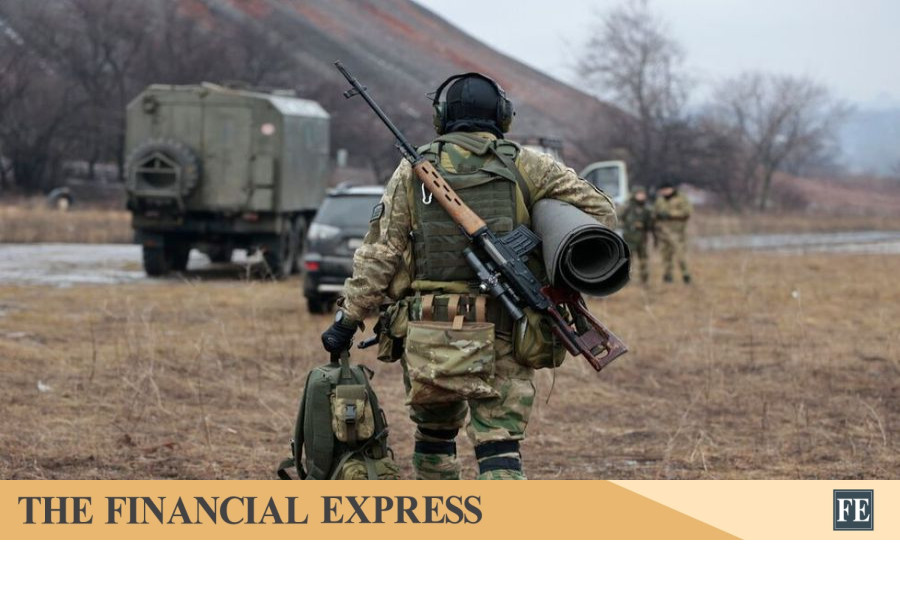
Bringing back Bangladeshis trafficked to Russia's warfront
The disclosure by the UN Independent International Commission of Inquiry on Ukraine that Bangladeshis were among the nationals of 29 countries trafficked to Russia's warfront with Ukraine is, in a word, shocking. What is further disturbing is the UN Commission's finding that it was the Russian auth
Bringing back Bangladeshis trafficked to Russia's warfront
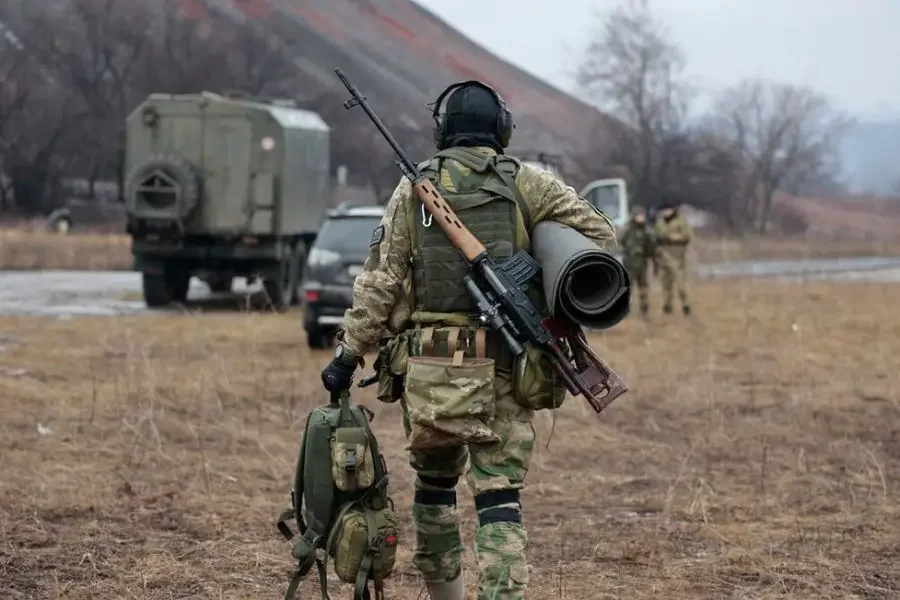
File photo
The disclosure by the UN Independent International Commission of Inquiry on Ukraine that Bangladeshis were among the nationals of 29 countries trafficked to Russia's warfront with Ukraine is, in a word, shocking. What is further disturbing is the UN Commission's finding that it was the Russian authorities which had been coordinating with agents operating in different countries to lure men, mostly from economically vulnerable backgrounds, with offers of well-paid civilian jobs. The Bangladeshi victims were reportedly issued business visas against invitations from a civilian company in Russia. But instead of the promised jobs, the recruits, on arrival, were forced to sign contracts, written in Russian language, with that country's defence ministry. In cases, their passports and phone sets were confiscated before they were rushed to the Ukrainian warfront, often with little training. Many have been killed or gone missing. Evidently, the sequence of events that led to the victims' discovering themselves in a battlefield bear the marks of an organised transnational trafficking network.
The question is, how Bangladesh is going to respond to this grave violation of its citizens' human rights. Since, diplomatically, Russia is no stranger to Bangladesh, there should be room for Dhaka to raise the issue at the highest diplomatic level and ask Moscow why and under whose authority people who went there seeking employment found themselves fighting a war that is no concern of theirs. Since the findings come from an independent UN inquiry and point to the involvement of Russian authorities, Moscow cannot simply wash its hands of the responsibility by blaming unscrupulous recruiting agents. Also, the government should lodge a protest, demand immediate discharge and repatriation of the surviving Bangladeshis, including the injured and disabled and ensure return of the bodies of those killed. It should also press for adequate compensation for affected families.
At this point, it is important to distinguish between one who willingly joins a foreign country's armed forces and someone who is driven by deception or under duress to do so. The UN inquiry has been categorical that the latter are trafficking victims, not mercenaries. That these men have been turned into cannon fodder in a war not of their making is inhuman. The distress of families which have lost contact with their sons or husbands can only be imagined. Under the circumstances, the foreign and expatriates' welfare ministries need to work jointly to establish how many Bangladeshis travelled to Russia on work, business or tourist visas, identify those trapped in military service and contact the families. In cases of capture by Ukrainian forces, consular support through the appropriate international humanitarian agencies also needs to be sought. Meanwhile, the law-enforcement agencies must identify and bring to justice local recruitment rackets and their collaborators, seeking help, where necessary, from international anti-trafficking bodies.
But why are so many young men vulnerable to such monstrous deception? The answer, at least in part, lies in the country's acute unemployment problem and the shrinking opportunities for decent work. Thousands of youths, including educated ones, are ready to borrow heavily or sell family assets in the hope of securing a job abroad. The desperation is exactly what traffickers exploit. Of course, no degree of joblessness can justify trapping an unsuspecting jobseeker and making him a combatant against his will. Still, jailing traffickers or tightening overseas recruitment checks would address only a part of the problem. The government must also create conditions for productive investment, expand skill training and generate employment at home, especially for the youth. So, along with firm diplomatic action to rescue those already trapped, Bangladesh needs a sustained policy to stop its young jobseekers from becoming easy prey to international trafficking networks.


