War Archive
Saif
Senior Member
- Joined
- Jan 24, 2024
- Messages
- 20,911
- Likes
- 9,685
- Nation

- Residence
- Axis Group

Date of Event:
Feb 28, 2026
Afghan Taliban open to talks after Pakistan bombs Kabul, Kandahar
REUTERS
Published :
Feb 27, 2026 21:56
Updated :
Feb 27, 2026 21:56

Afghanistan's Taliban rulers said on Friday they were willing to negotiate after Pakistan bombed its forces in major cities and dozens of troops were killed in the most serious clashes between the allies-turned-foes.
The strikes by Pakistan were the first time it had directly targeted its former allies over allegations they are harbouring militants; it described the situation as "open war".
Targets in the capital Kabul and the city of Kandahar, where Taliban leaders are based, were hit, signalling a stark rupture in ties between the Islamic neighbours.
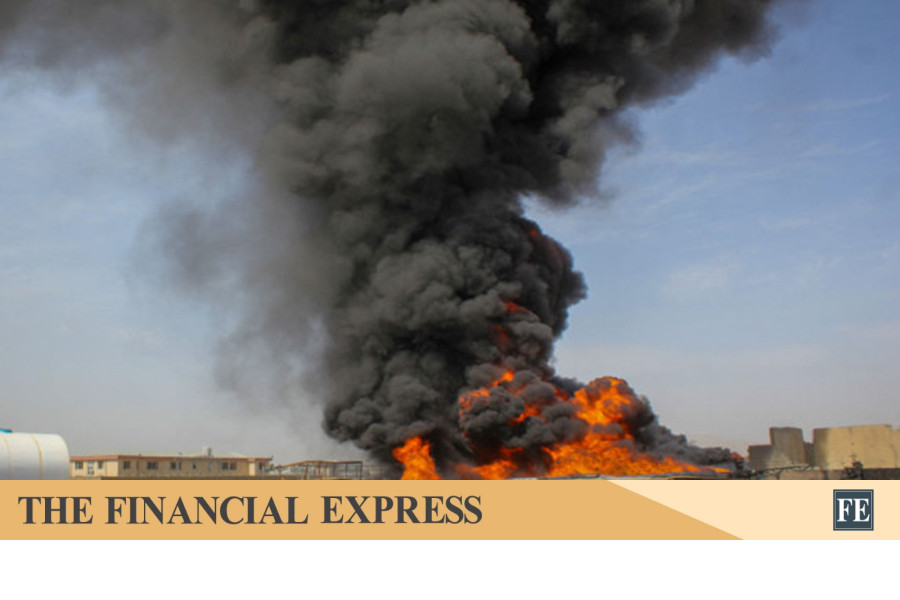
Thick plumes of black smoke rose from two sites in Kabul and a huge blaze was also visible in video verified by Reuters.
"The plane came and dropped two bombs, then flew away again. After that, we heard explosions," said Kabul taxi driver Tamim, who was asleep when the strikes hit. "Everyone, in panic, ran down from the second floor of the house. The ammunition inside the depot kept exploding on its own."
Security sources in Pakistan said the strikes involved air-to-ground missile attacks on Taliban military offices and posts in response to Afghan attacks on Thursday.
The Taliban said Afghan forces had used drones to hit Pakistani military targets. Pakistan said all the drones had been brought down and there was no damage.
QATAR SEEKS TO RESOLVE CRISIS
Multiple ground clashes were reported along the border. Pakistan said it killed 274 Taliban officials and militants while Afghanistan said it killed 55 Pakistani soldiers - figures which Reuters was unable to verify.
Pakistan confirmed that 12 of its own soldiers were killed and Afghanistan said it had lost 13 Taliban fighters.
The Taliban, which denies sponsoring militant attacks on Pakistan and makes similar accusations against its neighbour, said it had launched what it described as retaliatory attacks on Pakistani military installations on Thursday but was ready to negotiate.
"Afghanistan has never been a supporter of violence and has always preferred to resolve issues based on mutual understanding and respect," the Afghan foreign ministry quoted Foreign Minister Amir Khan Muttaqi as telling Qatar's junior Foreign Minister Mohammed bin Abdulaziz Al-Khalifi by telephone.
"However, this approach will be effective only if the other party demonstrates a practical and sincere willingness to find solutions."
Qatar, which helped stop the fighting between the two countries last year, is working with other countries to help resolve the latest crisis, the statement added.
The strikes threaten to unleash a protracted conflict along the 2,600-km (1,615-mile) frontier.
"Our cup of patience has overflowed. Now it is open war between us and you (Afghanistan)," Pakistani Defence Minister Khawaja Muhammad Asif said on Friday.
Pakistan's foreign ministry warned that any new provocations by the Taliban, or attempts by any "terrorist group" to target Pakistanis, will be met with a "measured, decisive and befitting response".
Pakistan is nuclear-armed and its military capabilities are vastly superior to Afghanistan. However, the Taliban are adept at guerrilla warfare, hardened by decades of fighting with US-led forces, before returning to power in 2021.
PANIC IN KABUL
Reuters witnesses in Kabul said many ambulance sirens could be heard following loud blasts and the sound of jets.
Taliban spokesperson Zabihullah Mujahid said that Pakistani forces carried out air strikes on parts of Kabul, Kandahar and Paktia on Thursday night, and on Paktia, Paktika, Khost, and Laghman on Friday.
While there were no casualties in the night strikes, there were civilian casualties in Friday's strikes, he told reporters without sharing numbers.
"The Islamic Emirate of Afghanistan has always tried to resolve issues through dialogue, and now also we want to resolve this matter through dialogue," Mujahid said.
HIGH SECURITY
Clashes between Pakistan and Afghanistan in October killed dozens of soldiers until negotiations facilitated by Turkey, Qatar and Saudi Arabia brought an end to the hostilities.
Pakistan has been on high security alert since it launched air strikes earlier this week that Islamabad said targeted camps of Pakistani Taliban and Islamic State militants in eastern Afghanistan.
Kabul and the United Nations said the strikes killed 13 civilians and the Taliban warned there would be a strong response.
The government of Pakistan's Punjab province said it was on high alert for militant attacks on Friday and had conducted a series of security operations, taking 90 Afghan nationals to holding centres for deportation.
REUTERS
Published :
Feb 27, 2026 21:56
Updated :
Feb 27, 2026 21:56
Afghanistan's Taliban rulers said on Friday they were willing to negotiate after Pakistan bombed its forces in major cities and dozens of troops were killed in the most serious clashes between the allies-turned-foes.
The strikes by Pakistan were the first time it had directly targeted its former allies over allegations they are harbouring militants; it described the situation as "open war".
Targets in the capital Kabul and the city of Kandahar, where Taliban leaders are based, were hit, signalling a stark rupture in ties between the Islamic neighbours.
Thick plumes of black smoke rose from two sites in Kabul and a huge blaze was also visible in video verified by Reuters.
"The plane came and dropped two bombs, then flew away again. After that, we heard explosions," said Kabul taxi driver Tamim, who was asleep when the strikes hit. "Everyone, in panic, ran down from the second floor of the house. The ammunition inside the depot kept exploding on its own."
Security sources in Pakistan said the strikes involved air-to-ground missile attacks on Taliban military offices and posts in response to Afghan attacks on Thursday.
The Taliban said Afghan forces had used drones to hit Pakistani military targets. Pakistan said all the drones had been brought down and there was no damage.
QATAR SEEKS TO RESOLVE CRISIS
Multiple ground clashes were reported along the border. Pakistan said it killed 274 Taliban officials and militants while Afghanistan said it killed 55 Pakistani soldiers - figures which Reuters was unable to verify.
Pakistan confirmed that 12 of its own soldiers were killed and Afghanistan said it had lost 13 Taliban fighters.
The Taliban, which denies sponsoring militant attacks on Pakistan and makes similar accusations against its neighbour, said it had launched what it described as retaliatory attacks on Pakistani military installations on Thursday but was ready to negotiate.
"Afghanistan has never been a supporter of violence and has always preferred to resolve issues based on mutual understanding and respect," the Afghan foreign ministry quoted Foreign Minister Amir Khan Muttaqi as telling Qatar's junior Foreign Minister Mohammed bin Abdulaziz Al-Khalifi by telephone.
"However, this approach will be effective only if the other party demonstrates a practical and sincere willingness to find solutions."
Qatar, which helped stop the fighting between the two countries last year, is working with other countries to help resolve the latest crisis, the statement added.
The strikes threaten to unleash a protracted conflict along the 2,600-km (1,615-mile) frontier.
"Our cup of patience has overflowed. Now it is open war between us and you (Afghanistan)," Pakistani Defence Minister Khawaja Muhammad Asif said on Friday.
Pakistan's foreign ministry warned that any new provocations by the Taliban, or attempts by any "terrorist group" to target Pakistanis, will be met with a "measured, decisive and befitting response".
Pakistan is nuclear-armed and its military capabilities are vastly superior to Afghanistan. However, the Taliban are adept at guerrilla warfare, hardened by decades of fighting with US-led forces, before returning to power in 2021.
PANIC IN KABUL
Reuters witnesses in Kabul said many ambulance sirens could be heard following loud blasts and the sound of jets.
Taliban spokesperson Zabihullah Mujahid said that Pakistani forces carried out air strikes on parts of Kabul, Kandahar and Paktia on Thursday night, and on Paktia, Paktika, Khost, and Laghman on Friday.
While there were no casualties in the night strikes, there were civilian casualties in Friday's strikes, he told reporters without sharing numbers.
"The Islamic Emirate of Afghanistan has always tried to resolve issues through dialogue, and now also we want to resolve this matter through dialogue," Mujahid said.
HIGH SECURITY
Clashes between Pakistan and Afghanistan in October killed dozens of soldiers until negotiations facilitated by Turkey, Qatar and Saudi Arabia brought an end to the hostilities.
Pakistan has been on high security alert since it launched air strikes earlier this week that Islamabad said targeted camps of Pakistani Taliban and Islamic State militants in eastern Afghanistan.
Kabul and the United Nations said the strikes killed 13 civilians and the Taliban warned there would be a strong response.
The government of Pakistan's Punjab province said it was on high alert for militant attacks on Friday and had conducted a series of security operations, taking 90 Afghan nationals to holding centres for deportation.
Last edited by a moderator: