Wars 2026 02/28 Israel-Iran War 3.0

Wars 2026 02/28 Israel-Iran War 3.0
173
2K
More threads by RayKalm

G War Archive

Rewiring the power of Hormuz: geopoliticonomic innovation

Muhammad Zamir and Abdullah A Dewan

Published :
May 05, 2026 00:32
Updated :
May 05, 2026 00:32
1777946688764.webp


There are moments in global affairs when a quiet infrastructural decision carries more strategic weight than a loud military maneuver. Saudi Arabia's effort to expand and operationalise alternative oil routes-bypassing the Strait of Hormuz-is one such moment. What appears to be a technical adjustment is, in fact, a deeper act of geopolitical engineering. More precisely, it is an exercise in geopoliticonomy, where shifts in infrastructure generate sympathetic resonance across geopolitics, geoeconomics, and strategic power-amplifying their effects far beyond the immediate domain.

Saudi Arabia's strategic rewiring of energy routes underscores a deeper lesson often missed in geopolitical thinking. Military power, even at its peak, can destroy economies-but it rarely constructs durable political or economic order. From Vietnam to Libya, and so on, history shows that external force may topple regimes, yet it fails to impose lasting legitimacy or achieve sustained geopoliticonomic transformation. In contrast, infrastructure-led strategies-pipelines, ports, and corridors-quietly reshape power by altering the very channels through which economic life flows.

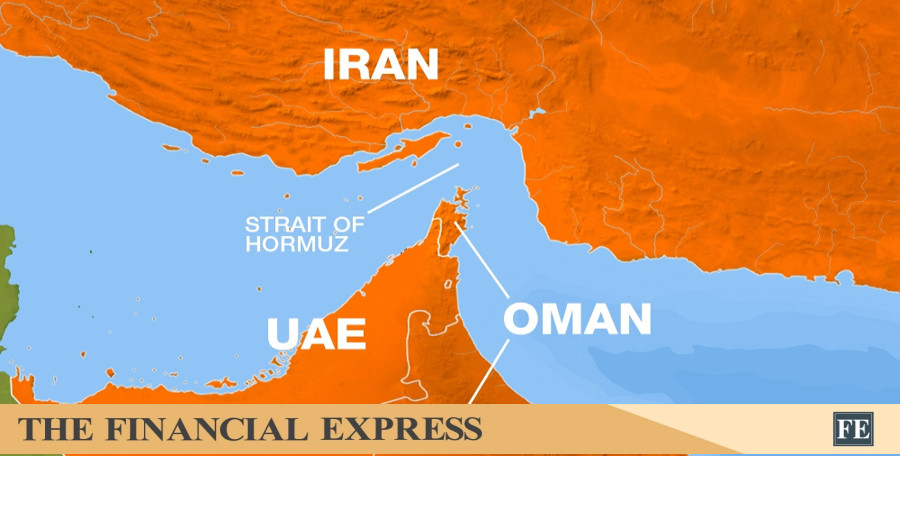
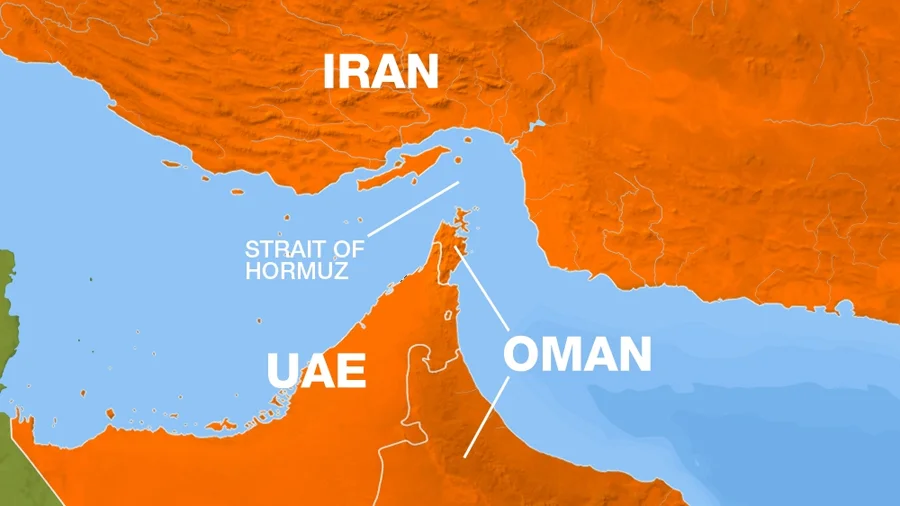
The Strait of Hormuz has long been the world's most consequential maritime chokepoint. A narrow corridor between Iran and Oman, it channels roughly one-fifth of the global oil supply. For decades, its vulnerability has haunted global markets. A single flare-up in U.S-Iran tensions, a miscalculated naval encounter, or even a credible threat of closure can send oil prices surging and financial markets trembling. In such a world, geography becomes destiny-unless it is deliberately reengineered.

Saudi Arabia's response has been to challenge that destiny. By strengthening its East-West pipeline-often referred to as Petroline-the Kingdom has created a viable alternative route that carries crude oil from its eastern oil fields to ports on the Red Sea. This allows a portion of its exports to reach global markets without passing through Hormuz. On the surface, this appears to be a technical adjustment in logistics. In reality, it is a strategic recalibration of vulnerability.

The logic is straightforward. If a country can reduce its exposure to a chokepoint, it diminishes the leverage of any actor capable of threatening that chokepoint. For years, Iran's geopolitical influence has been amplified by its proximity to Hormuz. The implicit threat-never far from the surface-has been that, in a moment of extreme confrontation, Iran could disrupt or close the passage. Whether or not such a move is feasible or sustainable is secondary. What matters is that the threat has economic consequences.

Saudi Arabia's pipeline strategy does not eliminate this threat, but it dilutes it. By creating redundancy in its export infrastructure, the Kingdom is effectively saying: the Strait of Hormuz may remain important, but it is no longer an absolute constraint on Saudi oil flows. In the language of economics, this is a shift from single-point dependency to a diversified network-reducing systemic risk.

What appears as strategic redundancy, however, is not without economic cost. Transporting oil through the East-West pipeline to the Red Sea involves substantial pumping expenditures, maintenance costs, and port handling fees-costs largely absent in direct tanker transit through the Strait of Hormuz. This introduces a fundamental trade-off: the Kingdom is effectively paying a "security premium" to insure against disruption, while global markets simultaneously reduce the "risk premium" embedded in oil prices. In geopoliticonomic terms, this is a redistribution of cost-from volatile, externally imposed risk toward controlled, internally managed resilience. The question is not whether the alternative route is cheaper; it is whether it is safer in a world where uncertainty itself carries a price.

This is geopoliticonomic entanglement in action. Saudi Arabia's pipeline is not just a pipe; it is a signal. It tells markets that supply risk is being mitigated. It tells adversaries that coercive leverage is weakening. And it tells allies that the Kingdom is investing in long-term resilience.

Yet, to interpret this move as the "end" of the Strait of Hormuz would be a serious analytical error. The global oil system is not Saudi Arabia alone. Iraq, Kuwait, Qatar, and the United Arab Emirates still rely heavily on Hormuz for their exports. Even Saudi Arabia's bypass capacity is limited relative to total global flows. The chokepoint remains critical-not because it is irreplaceable, but because it remains central to the broader network.

Moreover, bypassing one chokepoint does not eliminate vulnerability; it relocates it. The Red Sea, often framed as a safer corridor, is itself constrained by the Bab al-Mandab Strait at its southern entrance. Recent disruptions in that region underscore its fragility. In effect, the Petroline does not remove geopolitical risk; it redistributes across a different segment of the global energy network. As in all interconnected systems, risk is rarely destroyed-it is transferred, diffused, or transformed.

This distinction matters. In economics, we often warn against confusing identities with mechanisms. The identity here is that Hormuz continues to carry a large share of global oil. The mechanism, however, is changing. The more alternative routes are developed-pipelines, storage hubs, and diversified ports-the less any single chokepoint can dictate global outcomes. Saudi Arabia's move is one step in that gradual transformation.

There is also a deeper lesson for policymakers and journalists alike. Too often, global events are reported as isolated developments-an oil pipeline here, a naval deployment there-without recognising the underlying systemic shifts. Analytical economic journalism requires us to look beyond the event and examine the transmission mechanism. In this case, the transmission is clear: reduced reliance on Hormuz lowers the risk premium embedded in oil prices, stabilising markets and reducing the economic cost of geopolitical tensions. Infrastructure thus becomes a tool of de-escalation-not by resolving conflicts, but by insulating the global economy from their most disruptive consequences.

At the same time, the move reflects a broader global trend: the strategic rewiring of supply chains and resource flows. From Europe's efforts to diversify away from Russian gas to Asia's investments in overland trade corridors, nations are increasingly aware that dependence is vulnerability. The age of seamless globalisation is giving way to an era of guarded interdependence-where resilience, not efficiency alone, defines success.

This strategic rewiring extends beyond Saudi Arabia, reshaping the economic geography of power itself. As alternative corridors gain importance, the territories and maritime zones they traverse acquire heightened strategic value. This can produce two opposing dynamics. On the one hand, the need to protect these energy arteries may encourage regional stability and cooperation, discouraging predatory behavior. On the other, it may generate new incentives for opportunistic control and rent extraction, as actors seek to capture value from infrastructure that has suddenly become indispensable. In this sense, pipelines are not merely conduits of oil-they are conduits of power, redistributing leverage across space.

Saudi Arabia's pipeline is a textbook example of this shift. It does not seek to dominate the system; it seeks to navigate it more safely. In doing so, it subtly alters the balance of power-not through confrontation, but through design.

For scholars of geopoliticonomy, this is a reminder that power is no longer exercised solely through armies or alliances. It is embedded in networks-of energy, finance, trade, and technology. To change the network is to change the game. And that is precisely what Saudi Arabia has begun to do.

The Strait of Hormuz will remain a focal point of global anxiety for years to come. But its grip is loosening-not through dramatic confrontation, but through quiet innovation. In the end, the most profound shifts in global power are often the least visible-until their consequences become impossible to ignore.

Muhammad Zamir, a former Ambassador is an analyst specialised in foreign affairs, right to information and good governance.

Abdullah A Dewan is Professor Emeritus of Economics, Eastern Michigan University (USA); and former physicist and nuclear engineer, BAEC.​
 

Iran strikes ships in Hormuz, sets UAE port ablaze
Iran military tells US Navy to steer clear

Reuters

1777947978129.webp

Photo: Reuters

A South Korean ship was hit by an explosion in the Strait of Hormuz on Monday and Iranian drones caused a fire at a UAE oil port, as Tehran demonstrated its grip on Middle East oil after US President Donald Trump said his Navy would open the strait.

The US military said two US merchant ships had made it through the strait, without saying when. Iran denied any crossings had taken place, and there was no indication that Trump's "Project Freedom" had led to a meaningful surge of shipping through the waterway.


Trump's new mission, which he announced on social media overnight, was the first apparent attempt to use naval power to unblock the world's most important energy shipping route, creating a showdown at sea with Iran, which says no ships may pass without its permission.

In the two months since the US launched an air war against Iran alongside Israel, Tehran has largely blocked the strait to ships apart from its own, causing the biggest disruption to global energy supplies in history. Since last month, the United States has imposed a separate blockade of ships leaving or entering Iranian ports.

Google News LinkFor all latest news, follow The Daily Star's Google News channel.
The warring sides issued contradictory statements on Monday about the initial impact of the new US mission, and Reuters could not independently verify the full situation there.

But there was no immediate sign of any sudden surge of ships attempting to cross. And the explosion reported aboard the South Korean merchant ship HMM Namu in the strait was likely to persuade commercial shippers it was still unsafe.

The UAE, meanwhile, reported a fire at an oil installation in its port of Fujairah following an Iranian drone attack. Fujairah lies beyond the strait, making it one of the few export routes for Middle East oil that does not require passing through it.


REVOLUTIONARY GUARDS SAY NO TRANSITS TOOK PLACE

In a post on X, US Central Command said some of its Navy guided-missile destroyers were inside the Gulf supporting the operation, and that two US-flagged merchant vessels had crossed the strait "and are safely headed on their journey".

It did not identify either the warships or the merchant vessels or say when any of those crossings had taken place.

Iran's Revolutionary Guards said no commercial vessels had crossed the strait in the past few hours, and that US claims to the contrary were false.

Earlier, Iran said it had fired on a US warship approaching the strait, forcing it to turn around. An initial Iranian report had said a US warship was struck, but Washington denied this and Iranian officials later described the fire as warning shots.

South Korea's Foreign Ministry said there was a fire and an explosion onboard the Namu, operated by South Korean shipper HMM. Yonhap news agency reported that the government was checking intelligence indicating the vessel may have been attacked.

There were no casualties reported, and authorities were investigating what caused the blaze that HMM said broke out in the engine room of the Panama-flagged cargo ship.


SHIPPING INDUSTRY AWAITS CLARITY ON SAFETY

Oil prices jumped after the reports of new confrontations in the Gulf, wavering between 2% and 5% higher in volatile trade.

Treasury Secretary Scott Bessent told Fox News that the US had absolute control of the strait.
But the shipping industry remains to be convinced that the vital oil route, whose closure has damaged global business and trade, is safe to use, with little sign of progress towards a negotiated resolution of Washington's conflict with Iran.

In his social media post announcing the new mission, Trump gave few details of what action the US Navy would take to get ships through the strait, where they face potential mines as well as attack from Iranian small boats, missiles and drones.

"We have told these Countries that we will guide their Ships safely out of these restricted Waterways, so that they can freely and ably get on with their business," Trump wrote.


Iran's unified command told commercial ships and oil tankers:
"We have repeatedly said the security of the Strait of Hormuz is in our hands and that the safe passage of vessels needs to be coordinated with the armed forces ... We warn that any foreign armed forces, especially the aggressive US Army, will be attacked if they intend to approach and enter the Strait of Hormuz."

HUNDREDS OF MERCHANT SHIPS STUCK IN GULF FOR MONTHS

The Joint Maritime Information Center, led by US maritime forces based in Bahrain, told operators in a note that the US had "established an enhanced security area to support Strait of Hormuz transits".
It advised vessels to use Omani waters on the west of the strait to avoid mines, urging them to "carefully review risk assessments and routing ahead of transit".

Hundreds of commercial vessels and as many as 20,000 seafarers have been unable to transit the strait during the conflict, the International Maritime Organization says.

The container shipping group Hapag-Lloyd said on Monday that it considered that transit through the strait was still not possible.

Shipping and oil executives have said they need an agreed and full end to hostilities, because military convoys alone are not enough to allow normal traffic to resume safely.

The United Arab Emirates on Monday accused Iran of attacking an empty crude oil tanker belonging to the Abu Dhabi state oil firm ADNOC with drones as it attempted to pass through the strait.

IRAN REVIEWS US RESPONSE TO PEACE PROPOSAL

The United States and Israel suspended their bombing campaign against Iran four weeks ago, and US and Iranian officials held one round of face-to-face talks. But attempts to set up further meetings have failed.

Iranian state media said on Sunday that Washington had conveyed its response to a 14-point Iranian proposal via Pakistan, and that Tehran was now reviewing it. Neither side gave details.

A senior Iranian official has confirmed that Iran's proposal envisages ending the war on all fronts – including Israel's attacks on Lebanon – and resolving the shipping standoff first, while leaving talks on Iran's nuclear programme for later.

Washington wants Tehran to give up its stockpile of more than 400 kg (900 pounds) of highly enriched uranium, which the United States says could power a bomb.

Iran says its nuclear programme is peaceful, although it is willing to discuss some curbs in return for the lifting of sanctions. It had accepted such curbs in a 2015 deal that Trump abandoned.​
 

US says Iran ceasefire holds despite exchange of fire in Gulf

REUTERS

Published :
May 05, 2026 20:38
Updated :
May 05, 2026 20:38

1778024233226.webp

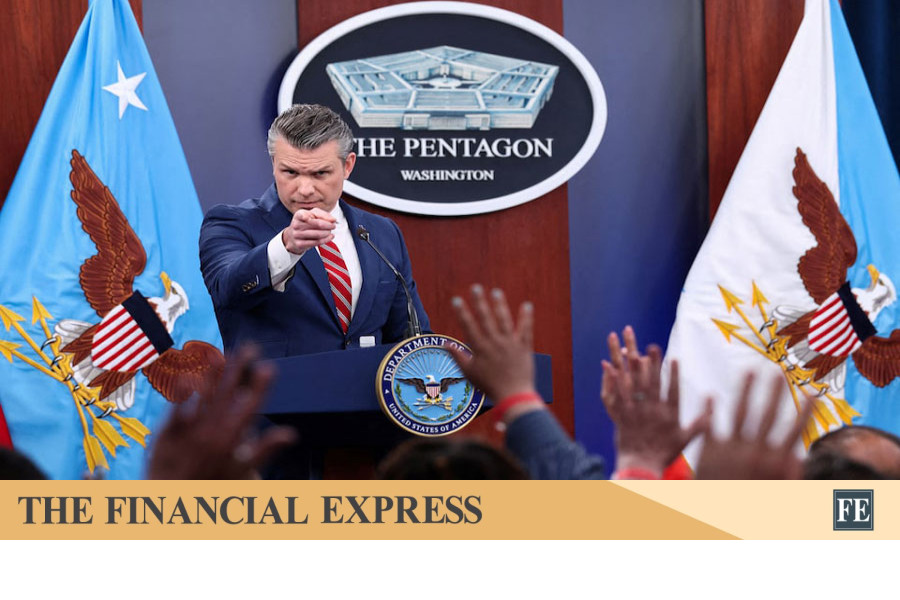
US Secretary of Defense Pete Hegseth holds a briefing on the Iran war, with Chairman of the Joint Chiefs of Staff General Dan Caine (not pictured), at the Pentagon in Washington, DC, US, May 5, 2026. Photo : REUTERS/Kevin Lamarque

Washington said Iran had not breached a fragile ceasefire in the Middle East conflict on Tuesday, following an exchange of fire between the two sides the previous day as US forces attempted to force open the Strait of Hormuz.

The US military said it had destroyed six Iranian small boats, as well as cruise missiles and drones, after President Donald Trump sent the navy to escort stranded tankers through the strait in a campaign he called "Project Freedom".

US Defense Secretary Pete Hegseth said the operation to protect commercial ships was temporary and the four-week-old truce was not over. "We're not looking for a fight," he told a press conference on Tuesday. "Right now the ceasefire certainly holds, but we're going to be watching very, very closely."

Iran fired missiles at US ships on Monday and attacked the United Arab Emirates, a key regional ally of Washington, with missiles and drones.

Iran's parliament speaker, Mohammad Baqer Qalibaf, said breaches of the ceasefire by the US and its allies had endangered shipping through the strait, which carries a large share of the world's oil and fertiliser supplies.

"We know well that the continuation of the current situation is unbearable for the United States, while we have not even begun yet," he said in a social media post.

ATTACKS IN THE GULF

The narrow strait ⁠has been virtually shut since the United States and Israel began attacks on Iran on February 28, triggering disruptions that have pushed up commodity prices around the world.

Hegseth said the US had successfully secured a path through the critical waterway and that hundreds of commercial ships were lining up to pass through.

Several merchant ships in the Gulf reported explosions or fires on Monday, and an oil port in the UAE, which hosts a large US military base, was set ablaze by Iranian missiles. The UAE reimposed flight restrictions on its airspace on Tuesday.

Iran has effectively sealed off the strait by threatening to deploy mines, drones, missiles and fast attack craft. The United States has countered by blockading Iranian ports and mounting escorted transits for commercial vessels.

The US military said two US merchant ships made it through the strait, without saying when, with the support of Navy guided-missile destroyers.

Iran denied any crossings had taken place, though shipping company Maersk (MAERSKb.CO) said the Alliance Fairfax, a US-flagged ship, exited the Gulf under US military escort on Monday.

The commander of US forces in the region said his fleet had destroyed six small Iranian boats, which Iran also denied. Iranian media quoted a military commander as saying US forces targeted civilian and cargo vessels, killing five civilians.

Iran also said it fired warning shots at a US warship approaching the strait, forcing it to turn back.

Reuters could not independently verify events in the strait as the two sides issued contradictory statements.

General Dan Caine, the chairman of the Joint Chiefs of Staff, said that since the ceasefire was announced on April 7, Iran had fired at commercial vessels ⁠nine times and seized two container ships.

He said Iran has attacked US forces more than 10 times.

However, the attacks fell "below the threshold of restarting major combat operations at this point", Caine told reporters.

UAE OIL PORT ABLAZE

Iranian Foreign Minister Abbas Araqchi said Monday's events showed there was no military solution to the crisis. He said peace talks were progressing with Pakistan's mediation, and warned the US and the UAE against being drawn into a "quagmire."

Araqchi was travelling to Beijing on Tuesday for talks with his Chinese counterpart, his ministry said.

Iranian authorities released a map of what they said was an expanded maritime area now under Iranian control, stretching beyond the strait to include lengthy sections of the UAE coastline.

After a day of reported drone and missile attacks inside the UAE on Monday, including one that caused a fire at Fujairah, an important oil port, the UAE said Iranian ⁠attacks marked a serious escalation and it reserved the right to respond.

The Iranian map included Fujairah and another Emirati port, Khorfakkan, both of which lie on the Gulf of Oman and which the UAE has relied on since the start of the conflict to bypass the blocked strait.

Iran's state television said military officials had confirmed they attacked the UAE in response to the "US military's adventurism".

PEACE EFFORTS STALLED

The war in the Middle East has already killed thousands and roiled the global economy. US and Iranian officials have held one round of face-to-face peace talks, but attempts to set up further ⁠meetings have failed.

Trump has said the US-Israeli attacks aimed to eliminate what he called imminent threats from Iran, citing its nuclear and ballistic missile programmes, its support for Hamas and Hezbollah and its "menacing activities".

Iranian state media said on Sunday that the US had conveyed its response to a 14-point Iranian proposal via Pakistan, and Iran was reviewing it. Neither side gave details.

A senior Pakistani official involved in the talks said "backdoor diplomacy" was continuing. "We have put in a lot of efforts, actually both the sides have narrowed gaps on ⁠majority issues," the source said.

Tehran's proposal would defer talks on its nuclear energy and research programmes until after agreements to end the war and on shipping security. Trump said over the weekend he was still studying it, but would likely reject it.

Trump has insisted Iran must surrender its enriched uranium stockpiles to prevent it producing a nuclear weapon - an ambition Tehran denies.​
 

Trump says 'Project Freedom' on Hormuz to be paused in push for Iran deal

Reuters

1778027094480.webp


US President Donald Trump said on Tuesday he would briefly pause an operation to help escort ships through the Strait of Hormuz, citing progress toward a comprehensive agreement with Iran.

"We have mutually agreed that, while the Blockade will remain in full force and effect, Project Freedom ... will be paused for a short period of time to see whether or not the Agreement can be finalized and signed," Trump wrote on social media.

There was no immediate reaction from Tehran, where it was very early on Wednesday morning.

Only hours earlier, US Secretary of State Marco Rubio was briefing reporters on the effort to escort stranded tankers through the strait. The day before, the US military said it had destroyed several Iranian small boats, as well as cruise missiles and drones.

Rubio and other senior administration officials said Iran could not be allowed to control traffic through the strait.

"There's no shooting unless we're shot at first," Rubio told reporters at the White House, where he said the United States has achieved its objectives in its military campaign.

"Operation Epic Fury is concluded," Rubio said. "We're not cheering for an additional situation to occur."

STRAIT OF HORMUZ REMAINS VIRTUALLY SHUT

One of Trump's central objectives in launching military strikes against Iran was to ensure Tehran does not develop a nuclear weapon, something Tehran has denied seeking. However, Iran has not handed over more than 900 pounds of highly enriched uranium.

The Strait of Hormuz has also been virtually shut since the war began on February 28, triggering disruptions that have pushed up commodity prices around the world.

Iran effectively sealed off the strait, which handles one-fifth of the world's oil and gas supply, by threatening to deploy mines, drones, missiles and fast-attack craft. The United States has countered by blockading Iranian ports and mounting escorted transits for commercial vessels.

While Rubio was speaking, Britain's Maritime Trade Operations agency reported that a cargo vessel had been struck by a projectile in the strait. Further details of the incident were not immediately available.

US Defense Secretary Pete Hegseth said earlier on Tuesday that the US had successfully secured a path through the waterway and that hundreds of commercial ships were lining up to pass through. The four-week-old truce with Iran was not over, he added.

"Right now the ceasefire certainly holds, but we're going to be watching very, very closely," he said.

General Dan Caine, chairman of the US Joint Chiefs of Staff, said Iranian attacks against US forces fell "below the threshold of restarting major combat operations at this point".

Asked what Iran would need to do to violate the ceasefire, Trump said: "They know what not to do."

'RIGHT TO RESPOND'

Shortly after Hegseth spoke, the UAE's defence ministry said its air defences were again dealing with missile and drone attacks coming from Iran, though Iran's joint military command denied carrying out attacks.

The UAE's foreign ministry said the attacks were a serious escalation and posed a direct threat to the country's security, adding that the Gulf Arab state reserved its "full and legitimate right" to respond.

Iran's foreign ministry rejected Abu Dhabi's statements, saying its armed forces’ actions have been solely aimed at repelling American aggression.

After issuing a new map of the narrow strait with an expanded Iranian area of control, Iran's Revolutionary Guards warned vessels to stick to the corridors they had set or face a "decisive response."

The US military said on Monday that two US merchant ships made it through the strait, without saying when, while shipping company Maersk MAERSKb.CO said the Alliance Fairfax, a US-flagged ship, exited the Gulf under US military escort on Monday.

Iran denied any crossings had taken place.

PAKISTAN'S MEDIATION EFFORTS CONTINUE

The war has killed thousands as it has spread beyond Iran to Lebanon and the Gulf, and roiled the global economy. The head of the International Monetary Fund said on Tuesday that even if the conflict ended immediately, it would take three to four months to deal with the consequences.

Rubio said 10 civilian sailors were among those who had died in the ongoing conflict, adding that crew on vessels stranded in the waterway were "starving" and "isolated."

Trump told reporters in the Oval Office that Iran's military had been reduced to firing "peashooters" and Tehran wanted peace, despite public sabre-rattling.

The conflict is also pressuring Trump's administration ahead of crucial midterm elections in November, as rising gas prices hit voters' pockets.

Trump has said the US-Israeli attacks aimed to eliminate what he called imminent threats from Iran, citing its nuclear and ballistic missile programmes and its support for Hamas and Hezbollah.

Diplomatic efforts to end the conflict have yet to yield results. US and Iranian officials have held one round of face-to-face peace talks, but attempts to set up further meetings have failed.

Iranian Foreign Minister Abbas Araqchi said peace talks were still progressing with Pakistan's mediation.

He was travelling to Beijing on Tuesday for talks with his Chinese counterpart, his ministry said. Trump is also due to visit China this month.​
 

Iran says it is reviewing new US proposal after sources say sides closing in on deal

REUTERS

Published :
May 06, 2026 20:21
Updated :
May 06, 2026 20:21

1778110622324.webp

An Iranian woman walks next to a mural on a street in Tehran, Iran, May 6, 2026. Photo : Majid Asgaripour/WANA (West Asia News Agency) via REUTERS

Iran said on Wednesday it was reviewing a new US proposal, after sources said Washington and Tehran were closing in on a one-page memorandum to end the war in the Gulf while leaving tricky ‌issues such as Iran's nuclear programme for later.

An Iranian foreign ministry spokesperson, cited by Iran's ISNA news agency, said Iran would convey its response soon via Pakistan, which hosted the war's only peace talks and has since served as the main conduit for messages between the sides.

In an early morning social media post, US President Donald Trump gave no details of any specific proposal but said the war could end if "Iran agrees to give what has been agreed to". He later told the New York Post it was still too soon to consider face-to-face meetings to sign an agreement.

A Pakistani source and another source briefed on the mediation confirmed information initially reported by the US media outlet Axios about a proposed 14-point, one-page memorandum that would formally end the war.

The memorandum would be followed by discussions to unblock shipping through the Strait of Hormuz, ⁠lift US sanctions on Iran and agree curbs on Iran's nuclear programme, the sources said.

"We will close this very soon. We are getting close," said the source from Pakistan.

OIL PRICES TUMBLE

Reports of the possible agreement caused global oil prices to plunge, with benchmark Brent crude futures falling around 11 per cent to around $98 a barrel . Global share prices also leapt and bond yields fell on optimism of an end to a war that has disrupted energy supplies.

In his morning post, Trump said: "Assuming Iran agrees to give what has been agreed to, which is, perhaps, a big assumption, the already legendary Epic Fury will be at an end, and the highly effective Blockade will allow the Hormuz Strait to be OPEN TO ALL, including Iran."

"If they don’t agree, the bombing starts, and it will be, sadly, at a much higher level and intensity than it was before," Trump added.

Hours earlier, Trump paused a two-day-old naval mission to reopen the blockaded strait, citing progress in peace talks.

Iran's Revolutionary Guards responded by saying that if US "threats" had ended, passage through the strait would be possible under new terms it was putting in place, without giving details.

The White House, the State Department and Iranian officials contacted by Reuters did not immediately respond to requests for comment.

NO MENTION OF KEY US DEMANDS

The source briefed on the mediation said the US negotiations were being led by Trump's envoy Steve ‌Witkoff and son-in-law ⁠Jared Kushner. If both sides agreed on the preliminary deal, that would start the clock on 30 days of detailed negotiations to reach a full agreement.

The full agreement would include the US lifting sanctions and releasing frozen Iranian funds, Iran and the United States lifting competing blockades on the Strait of Hormuz, and some curbs on Iran's nuclear programme, with the aim of a pause or moratorium on Iranian enrichment of uranium.

While the sources said the memorandum would not initially require concessions from either side, they did not mention several key demands Washington has made in the past, which Iran has rejected, such as curbs on Iran's missile programme and an end to its support for proxy militias in the Middle East.

The sources spoke of potential ⁠curbs on future Iranian enrichment of uranium, but made no mention of Iran's existing stockpile of more than 400 kg (900 pounds) of it, already enriched to near weapons grade, which Washington has previously demanded it give up before any end to the war.

And even if the reported text appeared to sidestep some demands rejected by Iran in the past, there were indications Tehran could still hold out for more US concessions.

In a post on X, Iranian lawmaker Ebrahim Rezaei, a spokesperson for parliament's powerful foreign ⁠policy and national security committee, described the text reported by Axios as "more of an American wish list than a reality".

"The Americans will not gain anything in a war they are losing that they have not gained in face-to-face negotiations," he wrote.

Iran's Foreign Minister Abbas Araqchi, visiting China, made no mention of Trump's latest remarks, but said Tehran was holding out for "a fair and comprehensive agreement".

TRUMP PAUSES MISSION TO UNBLOCK STRAIT

Earlier, Trump cited "great progress" in negotiations to announce ⁠a pause to "Project Freedom", a mission he had announced two days earlier to guide ships through the blocked strait.

The mission failed to bring about any significant resumption of traffic through the waterway, while provoking a new wave of Iranian strikes on ships in the strait and targets in neighbouring countries, particularly the United Arab Emirates.

In the latest incident, a French shipping company reported on Wednesday that one of its container ships had been struck in the strait the previous day, and injured crew had been evacuated.​
 

US and Iran inch towards short-term deal to end fighting

REUTERS

Published :
May 07, 2026 16:41
Updated :
May 07, 2026 16:41

1778198162254.webp

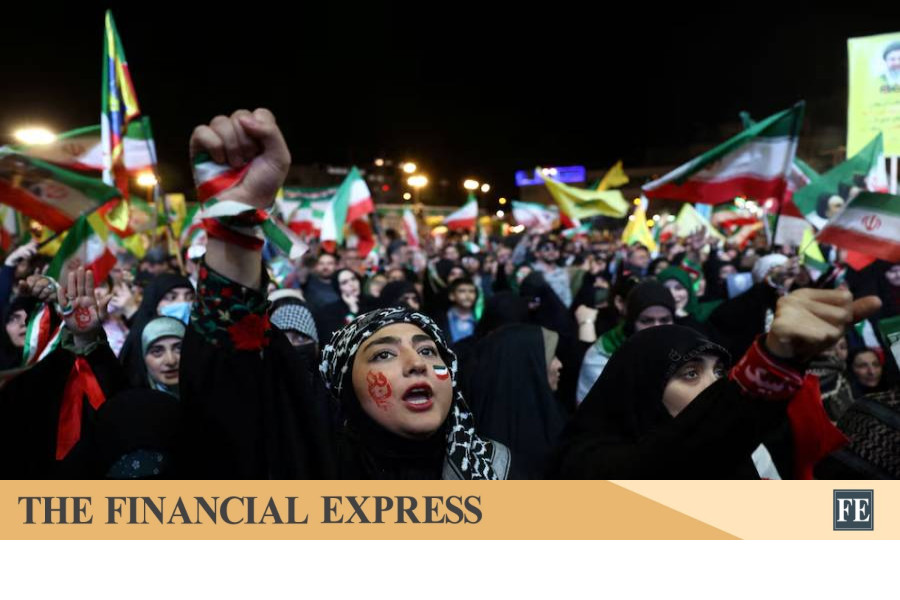
People chant during a rally in Tehran, Iran, May 6, 2026. Photo : Majid Asgaripour/WANA (West Asia News Agency) via REUTERS

The United States and Iran are edging toward a limited, temporary agreement to halt their war, sources and officials said on Thursday, with a draft framework that would stop the fighting but leave the most contentious issues unresolved.

The emerging plan centres on a short-term memorandum rather than a ‌comprehensive peace deal, underscoring deep divisions between the two sides and signalling that any agreement at this stage would be an interim step.

Hopes that even a partial deal could lead to the reopening of the Strait of Hormuz have already moved markets, with global stocks approaching record highs on Thursday and oil prices nursing steep losses on bets that supply disruptions could ease.

Tehran and Washington have scaled back ambitions for a sweeping settlement as differences persist, particularly over Iran's nuclear programme — including the fate of its highly enriched uranium stockpiles and how long Tehran would halt nuclear work.

Instead, they are working toward a temporary arrangement aimed at preventing a return to conflict and stabilising shipping through the strait, the sources and officials said.

"Our priority is that they announce a permanent end to war and the rest of the issues could be thrashed out once they get back to direct talks," a senior Pakistani official involved in mediation ⁠between the two sides told Reuters.

The proposed framework would unfold in three stages: formally ending the war, resolving the crisis in the Strait of Hormuz and launching a 30-day window for negotiations on a broader agreement, according to the sources and officials.

A Pakistani source and another source briefed on the mediation said a one-page memorandum to formally end the conflict was close, though gaps remain between the sides.

TRUMP OPTIMISTIC, IRAN SCEPTICAL

U.S. President Donald Trump, who has repeatedly played up the prospect of a breakthrough since the war began on February 28 with U.S.-Israeli strikes on Iran, struck an optimistic tone.

"They want to make a deal… it's very possible," he told reporters at the White House on Wednesday, adding later that “it’ll be over quickly.”

The proposal would formally end the conflict in which full-scale warfare was paused by a ceasefire announced on April 7. But it leaves unresolved key U.S. demands that Iran suspend its nuclear programme and reopen the Strait of Hormuz, the sources said.

Israel, which has also been fighting Iran-backed Hezbollah in Lebanon, said on Thursday it had killed a Hezbollah commander in an airstrike on Beirut a day earlier, the first Israeli attack on the Lebanese capital since a ceasefire there was agreed last month.

Hezbollah triggered its latest conflict with Israel by opening fire in support of Iran on March 2. A halt to Israeli strikes in Lebanon is another key Iranian demand in Tehran's negotiations with Washington, and Iranian officials signalled scepticism over the U.S. proposal to end the ‌wider war.

A foreign ⁠ministry spokesperson said Tehran would respond in due course, while lawmaker Ebrahim Rezaei described the proposal as "more of an American wish-list than a reality."

Iran's parliament speaker Mohammad Baqer Qalibaf appeared to mock reports that indicated the two sides were close, writing on social media that “Operation Trust Me Bro failed” and portraying the negotiations as U.S. spin following its failure to reopen the strait.

DEAL HOPES DRIVE OIL DOWN, SHARES RISE

Reports of a possible agreement caused global oil prices to shed roughly 11% on Wednesday, with benchmark Brent crude trading at around $98 a barrel on Thursday.

Global share prices also rose and bond yields fell on optimism about an end to a war that has disrupted energy supplies.

"The contents of the U.S.-Iran peace proposals are thin, but there is an expectation in the market that further military action will not take ⁠place," said Takamasa Ikeda, a senior portfolio manager at GCI Asset Management.

MILITARY, REGIONAL TENSIONS

Trump on Tuesday paused a two-day-old naval mission, aimed at reopening the blockaded strait, citing progress in talks.

NBC News, citing two unnamed U.S. officials, said Trump decided on the pause after Saudi Arabia suspended the U.S. military's ability to use a Saudi base for the operation.

Saudi officials were surprised and angered by Trump's announcement that the U.S. would help escort ships through the Strait, leading them to tell Washington they would deny the U.S. permission to fly military aircraft out of ⁠a Saudi base or through Saudi airspace, NBC reported.

The White House did not immediately respond to a request for comment on the report.

The U.S. military has kept up its own blockade on Iranian ships in the region. U.S. Central Command said forces fired at an unladen Iranian-flagged oil tanker on Wednesday, disabling the vessel as it attempted to sail toward an Iranian port.

KEY DEMANDS LEFT OUT

The source briefed on the mediation said the U.S. negotiations were being led by Trump's envoy Steve Witkoff ⁠and son-in-law Jared Kushner. If both sides agreed on the preliminary deal, that would start the clock on 30 days of detailed negotiations to reach a full agreement.

The sources said the memorandum did not mention several key demands Washington has made in the past, which Iran has rejected, such as the restrictions on Iran's missile programme and an end to its support for proxy militias in the Middle East, including Hezbollah.

The sources also made no mention of Iran's existing stockpile of more than 400 kg (900 pounds) of near-weapons-grade uranium — one of Washington's central concerns.​
 

Latest Posts

Back
Top Bottom