New Tweets

[🇧🇩] Bangladesh-Pakistan Relation---Can we look beyond 1971?

G Bangladesh Defense
[🇧🇩] Bangladesh-Pakistan Relation---Can we look beyond 1971?
155
6K
More threads by Saif


Pakistan high commissioner meets Home Minister Salahuddin Ahmed

bdnews24.com
Published :
Mar 01, 2026 22:48
Updated :
Mar 01, 2026 22:48

1772411882525.webp


Pakistan High Commissioner Imran Haider has met Home Minister Salahuddin Ahmed on the same day as the Indian envoy’s visit.

Indian High Commissioner Pranay Verma held talks with the minister at the home ministry on Sunday morning, and Imran met him at his office in the afternoon.

An evening notification from the home ministry confirmed the meeting, describing it as a courtesy call.

Highlighting the topics of discussion, the statement said: “The two countries held cordial discussions on the implementation of safe city and cooperation on database registration, signing of a Memorandum of Understanding on counter-terrorism and cooperation between the police academies of the two countries, exchange of criminals or prisoners, cooperation in the drone sector, and other issues of mutual interest, regional situation and bilateral relations.”​
 
Analyze

Analyze Post

Add your ideas here:
Highlight Cite Respond
  • Like (+1)
Reactions: Bilal9

Pakistan’s speaker congratulates Major Hafiz

FE ONLINE REPORT
Published :
Mar 12, 2026 19:21
Updated :
Mar 12, 2026 19:21

1773360776501.webp


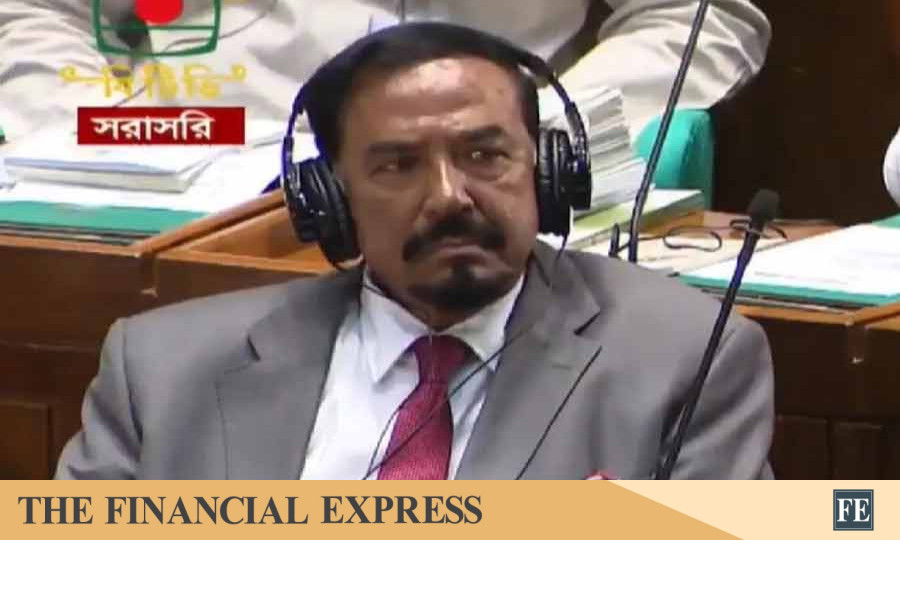
Speaker of the National Assembly of Pakistan, Sardar Ayaz Sadiq, has felicitated Major (Retd.) Hafiz Uddin Ahmed on his unanimous election as the Speaker of the Parliament of Bangladesh.

He extended his heartfelt congratulations and best wishes, stating that the unanimous election reflects the strong confidence of Members of Parliament in his leadership abilities.

Speaker Sardar Ayaz Sadiq emphasized that parliament is a fundamental pillar of a democratic system and the foremost institution representing the will of the people.

He noted that the role of the Speaker is crucial in ensuring the smooth and effective conduct of parliamentary proceedings.

He further stated that parliament plays a vital role in legislation for the welfare of the people and in addressing the collective challenges faced by the nation.

Highlighting the longstanding bonds between the two nations, the Speaker said that the people of Pakistan and Bangladesh are connected through shared history, culture, religion, and traditions.

He expressed hope that the present leadership of the Bangladesh Parliament would play an important role in further strengthening parliamentary relations between the two countries.

Speaker Sardar Ayaz Sadiq also extended a formal invitation to Major (Retd.) Hafiz Uddin Ahmed to visit Pakistan and conveyed his best wishes for his success in the new role.

He expressed confidence that enhanced parliamentary engagement between Pakistan and Bangladesh would further strengthen bilateral parliamentary ties.​
 
Analyze

Analyze Post

Add your ideas here:
Highlight Cite Respond
  • Like (+1)
Reactions: Bilal9

Resolution in US Congress seeking recognition of 1971 genocide in Bangladesh

Prothom Alo Desk
Updated: 22 Mar 2026, 15: 38

1774226594903.webp


A resolution has been introduced in the United States House of Representatives calling for the recognition of the genocide committed in Bangladesh in 1971.

The resolution highlights atrocities such as mass killings, rape, and displacement, and calls for holding perpetrators accountable as well as ensuring the protection of religious minorities.

The resolution was tabled last Friday (20 March) by Congressman Greg Landsman and has been referred to the House Committee on Foreign Affairs.

According to the resolution, in August 1947, British rule in India ended, leading to the creation of two independent sovereign states: India and Pakistan. Pakistan consisted of West Pakistan and East Pakistan (now Bangladesh), then known as East Bengal.

The ruling elite of Pakistan was largely composed of Punjabi West Pakistanis, who concentrated the country’s resources and development efforts in West Pakistan.

Documents show that ‘West Pakistani officials harbored well-documented anti-Bengali sentiment, considering Bengalis to be a lesser people.’

In the 1970 national elections, the Awami League, led by Sheikh Mujibur Rahman, won a parliamentary majority on a platform advocating autonomy for East Pakistan.

Talks on forming a government between then Pakistani President General Agha Mohammad Yahya Khan, Pakistan People’s Party leader Zulfikar Ali Bhutto, and Sheikh Mujibur Rahman failed.

On the night of 25 March, 1971, the Pakistani government arrested Sheikh Mujibur Rahman, and “the Pakistani military units, in conjunction with radical Islamist groups inspired by the ideology of Jamaat-e-Islami, began a general crackdown throughout East Pakistan code-named ‘‘Operation Searchlight’’ that involved widespread massacres of civilians.”

“While estimates of the number of those killed in these atrocities vary, the most reliable are in the range of tens to hundreds of thousands of people killed,” wrote the resolution.

1774226628466.webp

Brutalities of the 1971 genocide in Bangladesh File Photo

More than 200,000 women were subjected to rape, and due to social stigma, the actual number may never be known, nor the identities of all victims remembered.

On 13 June, 1971, in a column titled “Genocide” in The Sunday Times, journalist Anthony Mascarenhas wrote that when troops spread across Dhaka on the evening of 25 March, many carried lists of individuals marked for execution.

On 28 March, then US Consul General in Dhaka Archer Blood sent a telegram to Washington titled “Selective Genocide,” stating that non-Bengali Muslims, with the support of the Pakistani army, were systematically attacking poor neighbourhoods and killing Bengalis and Hindus.

On 6 April, Archer Blood sent a protest message against the US government’s silence on the conflict, later known as the “Blood Telegram.”

Signed by 20 US diplomats at the Dhaka Consulate General, the message stated: ‘‘But we have chosen not to intervene, even morally, on the grounds that the Awami conflict, in which unfortunately the overworked term genocide is applicable, is purely internal matter of a sovereign state. Private Americans have expressed disgust.”

It added that “genocide” was an applicable term, and that many Americans expressed revulsion, a sentiment shared by Blood.

On 8 April, Blood sent another telegram noting that the “term genocide is fully applicable” to the ‘‘naked, calculated and widespread selection of Hindus for special treatment . . .’’

Senator Edward M Kennedy, chairman of a subcommittee of the Senate Judiciary Committee investigating the refugee crisis, submitted a report on 1 November, 1971.

The report stated that the events in East Pakistan constituted one of the clearest and most documented cases of planned terror and genocide, with Hindus being among the worst affected—subjected to looting, killings, and even marked with a yellow “H.”

A 1972 legal study titled The Events in East Pakistan, published by the Secretariat of the International Commission of Jurists, noted that there was “conclusive evidence” that Hindus were killed and their homes and villages destroyed simply because they were Hindus.

Under the United Nations Convention on the Prevention and Punishment of the Crime of Genocide, genocide is defined as acts committed with intent to destroy, in whole or in part, a national, ethnic, racial, or religious group.

1774226662290.webp


The resolution emphasises the importance of documenting and remembering crimes against humanity, war crimes, and genocide for future generations, in order to preserve the memory of victims and prevent such atrocities in the future. Accordingly, the House of Representatives:

(1) Condemns the atrocities committed by the Armed Forces of Pakistan against the people of Bangladesh on 25 March, 1971.

(2) Recognises that while the Pakistani Army and its Islamist allies indiscriminately mass-murdered ethnic Bengalis regardless of their religion and gender, killed their political leaders, intellectuals, professionals, and students, and forced tens of thousands of women to serve as their sex slaves, they specifically targeted the religious minority Hindus for extermination through mass slaughtering, gang rape, conversion, and forcible expulsion;

(3) Recognises that entire ethnic groups or religious communities are not responsible for the crimes committed by their members;

(4) Calls on the President of the United States to recognise the atrocities committed against ethnic Bengali Hindus by the Armed Forces of Pakistan during 1971 and its allies in the Jamaat-e-Islami as crimes against humanity, war crimes, and genocide.​
 
Analyze

Analyze Post

Add your ideas here:
Highlight Cite Respond

Resolution in US Congress seeking recognition of 1971 genocide in Bangladesh

Prothom Alo Desk
Updated: 22 Mar 2026, 15: 38

View attachment 25206

A resolution has been introduced in the United States House of Representatives calling for the recognition of the genocide committed in Bangladesh in 1971.

The resolution highlights atrocities such as mass killings, rape, and displacement, and calls for holding perpetrators accountable as well as ensuring the protection of religious minorities.

The resolution was tabled last Friday (20 March) by Congressman Greg Landsman and has been referred to the House Committee on Foreign Affairs.

According to the resolution, in August 1947, British rule in India ended, leading to the creation of two independent sovereign states: India and Pakistan. Pakistan consisted of West Pakistan and East Pakistan (now Bangladesh), then known as East Bengal.

The ruling elite of Pakistan was largely composed of Punjabi West Pakistanis, who concentrated the country’s resources and development efforts in West Pakistan.

Documents show that ‘West Pakistani officials harbored well-documented anti-Bengali sentiment, considering Bengalis to be a lesser people.’

In the 1970 national elections, the Awami League, led by Sheikh Mujibur Rahman, won a parliamentary majority on a platform advocating autonomy for East Pakistan.

Talks on forming a government between then Pakistani President General Agha Mohammad Yahya Khan, Pakistan People’s Party leader Zulfikar Ali Bhutto, and Sheikh Mujibur Rahman failed.

On the night of 25 March, 1971, the Pakistani government arrested Sheikh Mujibur Rahman, and “the Pakistani military units, in conjunction with radical Islamist groups inspired by the ideology of Jamaat-e-Islami, began a general crackdown throughout East Pakistan code-named ‘‘Operation Searchlight’’ that involved widespread massacres of civilians.”

“While estimates of the number of those killed in these atrocities vary, the most reliable are in the range of tens to hundreds of thousands of people killed,” wrote the resolution.

View attachment 25207
Brutalities of the 1971 genocide in Bangladesh File Photo

More than 200,000 women were subjected to rape, and due to social stigma, the actual number may never be known, nor the identities of all victims remembered.

On 13 June, 1971, in a column titled “Genocide” in The Sunday Times, journalist Anthony Mascarenhas wrote that when troops spread across Dhaka on the evening of 25 March, many carried lists of individuals marked for execution.

On 28 March, then US Consul General in Dhaka Archer Blood sent a telegram to Washington titled “Selective Genocide,” stating that non-Bengali Muslims, with the support of the Pakistani army, were systematically attacking poor neighbourhoods and killing Bengalis and Hindus.

On 6 April, Archer Blood sent a protest message against the US government’s silence on the conflict, later known as the “Blood Telegram.”

Signed by 20 US diplomats at the Dhaka Consulate General, the message stated: ‘‘But we have chosen not to intervene, even morally, on the grounds that the Awami conflict, in which unfortunately the overworked term genocide is applicable, is purely internal matter of a sovereign state. Private Americans have expressed disgust.”

It added that “genocide” was an applicable term, and that many Americans expressed revulsion, a sentiment shared by Blood.

On 8 April, Blood sent another telegram noting that the “term genocide is fully applicable” to the ‘‘naked, calculated and widespread selection of Hindus for special treatment . . .’’

Senator Edward M Kennedy, chairman of a subcommittee of the Senate Judiciary Committee investigating the refugee crisis, submitted a report on 1 November, 1971.

The report stated that the events in East Pakistan constituted one of the clearest and most documented cases of planned terror and genocide, with Hindus being among the worst affected—subjected to looting, killings, and even marked with a yellow “H.”

A 1972 legal study titled The Events in East Pakistan, published by the Secretariat of the International Commission of Jurists, noted that there was “conclusive evidence” that Hindus were killed and their homes and villages destroyed simply because they were Hindus.

Under the United Nations Convention on the Prevention and Punishment of the Crime of Genocide, genocide is defined as acts committed with intent to destroy, in whole or in part, a national, ethnic, racial, or religious group.

View attachment 25208

The resolution emphasises the importance of documenting and remembering crimes against humanity, war crimes, and genocide for future generations, in order to preserve the memory of victims and prevent such atrocities in the future. Accordingly, the House of Representatives:

(1) Condemns the atrocities committed by the Armed Forces of Pakistan against the people of Bangladesh on 25 March, 1971.

(2) Recognises that while the Pakistani Army and its Islamist allies indiscriminately mass-murdered ethnic Bengalis regardless of their religion and gender, killed their political leaders, intellectuals, professionals, and students, and forced tens of thousands of women to serve as their sex slaves, they specifically targeted the religious minority Hindus for extermination through mass slaughtering, gang rape, conversion, and forcible expulsion;

(3) Recognises that entire ethnic groups or religious communities are not responsible for the crimes committed by their members;

(4) Calls on the President of the United States to recognise the atrocities committed against ethnic Bengali Hindus by the Armed Forces of Pakistan during 1971 and its allies in the Jamaat-e-Islami as crimes against humanity, war crimes, and genocide.​

Indian lobby (with some AL idiots like Hasina's son Joy) and Jewish Congressman Greg Landsman working for them, makes for a great combination for some BS effort.

But too bad - the US is a firm friend for both Pakistan and Bangladeshi Jamaat.

This is well proven.

Most people in Bangladesh know India's crocodile tears for Bangladesh (on 1971 issue) are all fake.

Bangladeshis have moved past that chapter and know that only India gained from 1971, economically and militarily.

Indian kanjoosies save your tattered Rupee notes instead of trying to build useless castles in the sky.
 
Analyze

Analyze Post

Add your ideas here:
Highlight Cite Respond
  • Like (+1)
Reactions: Saif

Latest Posts

Back
PKDefense - Recommended Toggle