| Global Defense, OSINT & Geopolitics Wire

[🇧🇩] Bangladesh Tourism

[🇧🇩] Bangladesh Tourism
105
7K
More threads by Saif

G Bangladesh Defense

CHT minister for developing Bandarban as tourist-friendly city

1790551549449.webp


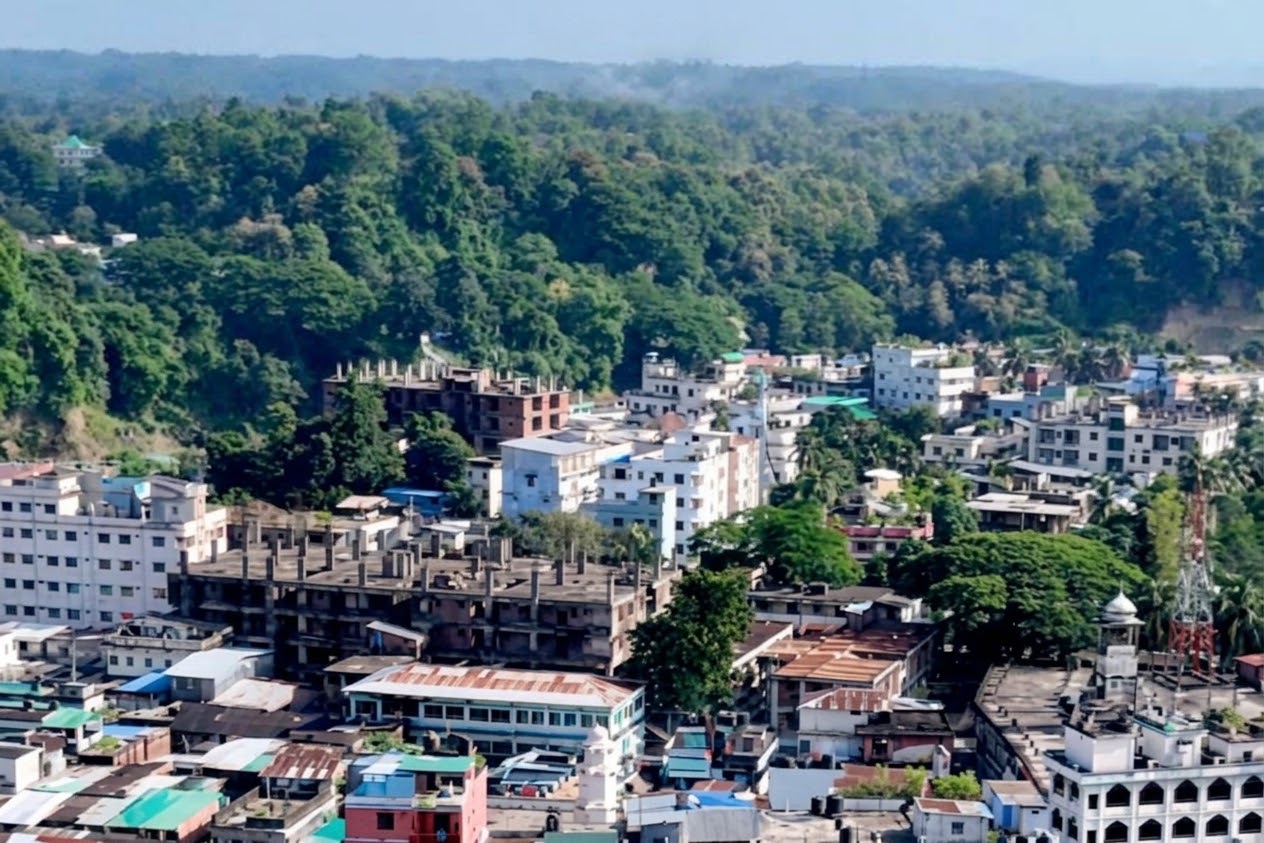
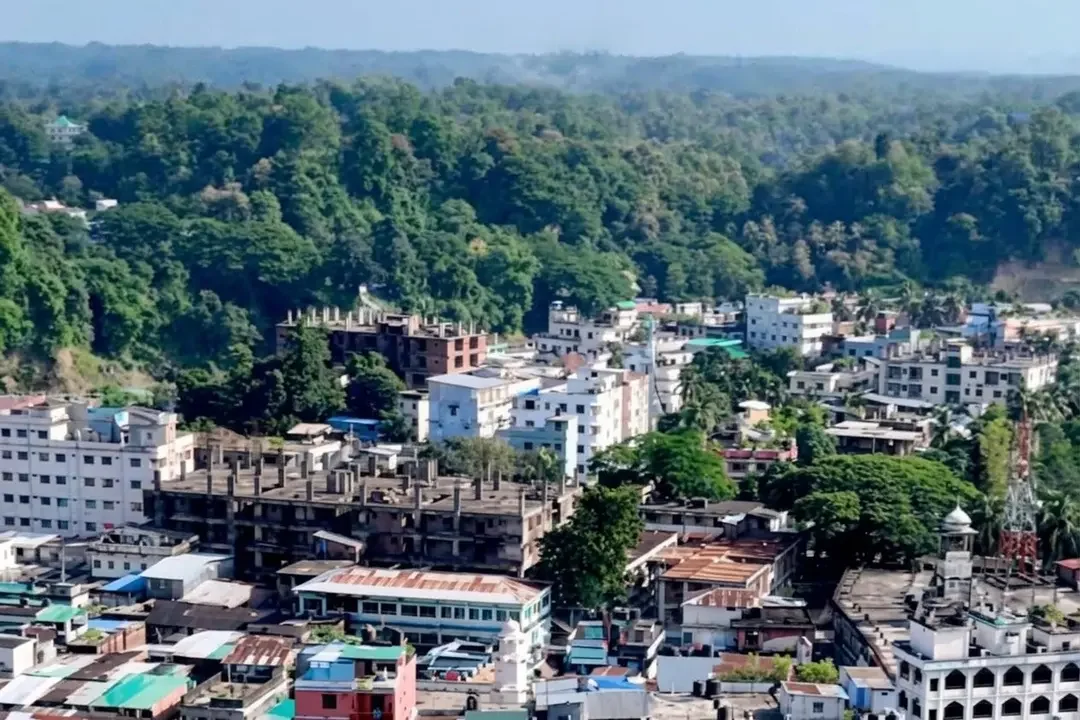
Chittagong Hill Tracts Affairs Minister Sa Ching Prue has said he wants to develop Bandarban as a clean and tourist-friendly city through coordinated efforts by local political leaders, businesspeople, government and private officials and representatives of professional organisations.

"Bandarban town is small, but it is a city of exquisite beauty. Through concerted efforts, we want to develop it as a clean and tourist-friendly city," he said.

The minister made the remarks as chief guest at a stakeholder exchange meeting held at the Bandarban Deputy Commissioner's Office on the occasion of World Tourism Day 2026.

The meeting discussed tourism development, maintaining discipline in the town, and improving the environment, ecosystem and quality of life around the Sangu River, reports BSS.

Prue called for stronger security measures to ensure hassle-free visits by domestic and foreign tourists during the tourism season, reducing traffic congestion and encouraging locals to behave cordially with visitors.

He stressed ensuring cleanliness across the town, starting at the individual level, with clear accountability and coordination.

The minister also highlighted the potential of modern technology in hill agriculture, particularly coffee and cashew cultivation, and directed officials to encourage farmers.

He stressed environment-friendly technologies for conserving rainwater and water from streams, rivers and lakes to address water shortages in the hills.

He urged development organisations to play a stronger role in improving the welfare of marginalised communities.​
 

Tripartite initiative signed to build 5-star eco-resort in Cox’s Bazar


1790723074844.webp


An initiative has been undertaken to develop a five-star eco-friendly resort in the Cox’s Bazar-Teknaf coastal belt, involving a potential foreign investment of approximately US$500 million in Bangladesh’s tourism sector.

To implement the project, a Memorandum of Understanding (MoU) was signed on Saturday (September 26) at a hotel in Kuala Lumpur, Malaysia.

The agreement was signed by Malaysian hotel-resort entrepreneur Tan Sri Syed Yusof Jojo, former Vice-President and Tourism Minister of the Maldives Ahmed Adeeb, and Chairman of Bangladesh’s Versatilo Group Dr. Kamrul Ahsan, according to a press release issued on Monday (September 28).

Under the initial plan, a joint investment company will be established in Bangladesh to develop the large-scale, sustainable, and luxurious resort.

The project promoters are currently in discussions with several globally recognized hotel brands regarding international management and operational partnerships, including Mövenpick, Novotel, and Grand Hyatt. The brand partner and operating company will be finalized following commercial negotiations and formal procedures.

The proposed resort complex will feature luxury hotels and villas, international-standard restaurants, health and wellness facilities, entertainment amenities, and nature-based tourism infrastructure.

Highlighting the investment potential, Tan Sri Syed Yusof Jojo—who has developed high-profile properties including Four Seasons Kuala Lumpur, Concorde Hotel, and Hard Rock Hotel Penang—said he was honored to join this new chapter in Bangladesh’s tourism industry, calling the Cox’s Bazar project highly attractive and investment-friendly.

Former Maldivian Tourism Minister Ahmed Adeeb stated that the initiative offers an exceptional opportunity to apply the Maldives’ experience in coastal tourism development to Bangladesh’s beach region.

Dr. Kamrul Ahsan, Chairman of Versatilo Group, emphasized that bringing global investment and expertise to Bangladesh is aimed at elevating the country’s tourism profile. He noted that the goal is not merely to build a hotel, but to create a world-class eco-tourism destination on the world’s longest natural sea beach.​
 

Tourism fails to take off on account of poor management

1790895760451.webp


Bangladesh boasts a diverse range of tourist attractions, a combination of natural wonders, cultural heritage and historical relics. It has Cox's Bazar sea beach, the largest unbroken natural beach, and the Sundarbans, the largest contiguous mangrove forest and a UNESCO World Heritage Site. It has also Kuakata, one of the few places in the world where both sunrise and sunset over the sea can be viewed, Sajek Valley, a scenic mountain valley, Paharpur Buddhist Bihar, another UNESCO World Heritage Site, Panam Nagar, an ancient city showcasing old merchant architecture and Saint Martin's Island, Bangladesh's only coral island.

With such diversity, Bangladesh should have a thriving tourism industry. Yet it has not achieved any reasonable success. According to official data, the travel and tourism sector contributed approximately 2.3 per cent to 3.02 per cent of Bangladesh's gross domestic product in recent years - mostly coming from domestic tourists.

The country has no shortage of tourist attractions. Still, why is it failing to turn them into a successful story of tourism? Mostly because the country lacks the ability to protect the tourist attractions, develop them properly and create an environment in which visitors, particularly foreigners, feel safe and welcome. Our society's attitude towards tourists is also a major deterrent.

Tourists do not enjoy only the tourist attractions, they experience the people, transportation, accommodation, food, facilities and overall environment. When a tourist faces harassment, overpricing, aggressiveness or lack of security in a beautiful tourist destination, these can turn the experience into an unpleasant one.

Hospitality cannot be advertised. It gets translated into practice. Foreign tourists also require reliable information, services and assurance of taking their complaints seriously. Otherwise, no matter how beautiful the landscape is, it will find it hard to compete with regional tourism destinations.

There is another serious contradiction. We want more tourists, but we are often destroying the very places we want them to visit. Saint Martin's Island is a glaring example. Uncontrolled tourist flows, waste, construction and reckless behaviour have put pressure on its fragile ecosystem. Restrictions have now been put to reduce the pressure and regulate visits, but it was too late and the damage has already been done.

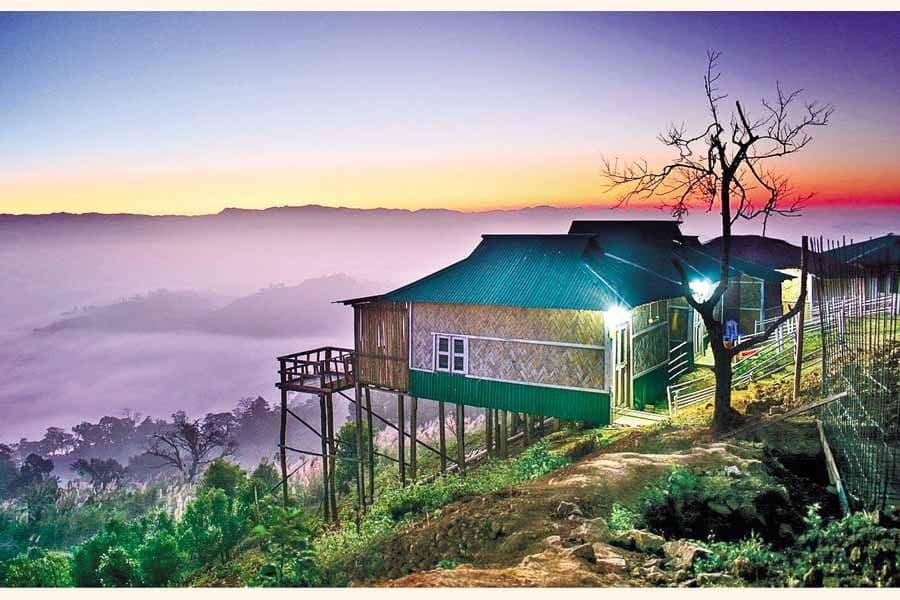
Sajek Valley tells a similar story. Its natural beauty attracted growing numbers of visitors, followed by hotels, restaurants, roads and other developments. Poorly planned expansion can gradually destroy the landscape that made Sajek attractive in the first place.

Tourism needs development. But development without planning is another name for destruction. Our historical heritage has suffered from the same careless attitude. Several years ago, reports that people were taking bricks from Paharpur Buddhist Bihar caused widespread outrage. The ancient monument was being treated as a source of building materials.

We want foreign visitors to admire our archaeological heritage while some of our own citizens use pieces of that heritage to build homes. We cannot build a tourism industry by destroying our attractions.

The picture of the Sundarbans or Cox's Bazar may catch the tourists' eye, but mere promotion cannot make a destination successful for them. They need road safety, clean washrooms, transportation facilities, good accommodation, trained guides, proper emergency service, waste disposal and people who know how to accommodate them.

Rivers, villages, traditional cuisine, craft, fairs, wetlands and ancient towns can become a part of the overall tourism industry. However, there exists a carrying capacity in each destination; a little island cannot hold too many tourists, a forest cannot take all the traffic coming inside, the archaeological site cannot exist when people take away its bricks and the hill valley cannot retain its beauty if there is concrete everywhere.

That is why tourism needs management and not just promotion. There must be stringent policies in place in terms of environment and heritage by the government and local authorities. Visitor numbers should be controlled where necessary. Waste disposal must be taken seriously. Illegal construction should not be allowed in the name of tourism. Tourists who damage natural or cultural resources should also face penalties.

Local communities must take their responsibility to protect tourist destinations. If residents earn from guiding, accommodation, food, transport and sale of local products, tourism can become a source of livelihood as well as an incentive to preserve local resources.​
 

Towards developing sustainable tourism


1791242881936.webp


That a survey based on quarterly data collection aimed at developing sustainable tourism in the country is in progress appears to be a pragmatic approach to this sensitive sector. Initially, this involves the development of a Tourism Satellite Account (TSA), presenting a supplementary statistical framework linked to core national accounts, for the 2026-27 fiscal. The exercise takes into account tourist expenditure, travel patterns and consumption of goods and services related to tourism. So comprehensive is the TSA that it covers domestic, inbound and outbound tourism in order to understand the pattern of each specific travel and their combined contribution. The quarterly data collection beginning from July-September and ending at April-June of the 2026-27 fiscal year is likely to represent the seasonal variations of all kinds of tourism. If the programme can be extended for yet another year to observe the yearly variations, the picture may be clearer.

Such detailed scrutiny of travels for recreational, business, medical, educational, religious reunion-related purposes was never undertaken in the country's history. The Bangladesh Bureau of Statistics (BBS) certainly deserve appreciation for this but the choice of only the Bangladesh Tourism Board as its collaborative partner leaves something more to be desired. Agencies like the tourism board are likely to emphasise addition of economic value not the biodiversity and ecosystem of tourist sites. The right people for taking care of these two most important elements involved with development of sustainable tourism are wildlife conservationists and naturalists like Dr Mohammad Ali Reza Khan. To them, a tourist site is not just a place for people to visit, it may as well be considered a natural laboratory. In a small country with an oversize population, there is need for controlled tourism rather than risking overexploitation of tourist sites. The fragile ecosystems of such sites like the St. Martin's Island, Lauachhara Forest and Jaflong have been further compromised on account of excessive and mismanaged tourism.

Massive looting of white stones from Sada Pathor tourist spot in Bholaganj, Sylhet can serve as an eye-opener for all concerned. The proliferation of stone quarries in other areas, including Jaflong, of Sylhet provides clear examples of how conservation of Nature in this country is ill-treated. Overexploitation of the resources from the Sundarbans is often reported. Against such depressing developments, the total ban on tourists' visit to the St. Martin's Island for months made a strong statement in favour of restricted tourism. During the ban, the island made remarkable recovery. But this positive development was marred by the beginning of construction of a number holiday resorts. Those should be dismantled immediately.

There is news that a paved road is constructed through a wild reserve. Before constructing structures like this, there was need for consultation with naturalists and wildlife conservationists. The same is true for the BBS's survey. Let naturists and conservationists recommend what kind of infrastructure can be constructed and how much pressure from visitors to tourist spots is too much. A team of such experts in biodiversity and wildlife conservation should be formed in order to help the BBS and the tourism board in developing a pragmatic management system for the most attractive but fragile tourist spots.​
 

Tourist visits to Sajek suspended over security concerns

Rangamati district administration has imposed a ban on tourist visits to Sajek Valley in Baghaichhari upazila.

It also asked tourists currently staying there to leave the area by 5:00 pm on October 13.

The restriction was announced by the district administration on Sunday and will remain in effect until further notice, reports UNB.

The decision came amid an indefinite road blockade called by the Sajek Public Rights Protection Committee and the Sajek Karbari Association on Sajek-Dighinala road that began at 6am on Sunday.

The blockade disrupted vehicular movement, leaving tourists who had travelled to Sajek stranded in the area.

Meanwhile, law enforcement agencies have stepped up their activities to maintain normalcy in Sajek.

Tourists planning to visit Sajek Valley have been advised not to travel there until further notice.​