Bangladesh Defense

Saif
Senior Member
- Joined
- Jan 24, 2024
- Messages
- 22,400
- Likes
- 9,875
- Nation

- Axis Group


Bangladesh Bank steps up multi-pronged efforts to cut NPLs to 20pc by Dec
Bangladesh Bank (BB) has stepped up a multi-pronged drive to bring down the country's non-performing loans (NPLs) to 20 per cent by December this year through a special exit policy, intensified loan recovery efforts, stricter supervision, stronger credit-risk management and legal reforms. The cent
Bangladesh Bank steps up multi-pronged efforts to cut NPLs to 20pc by Dec
File Photo
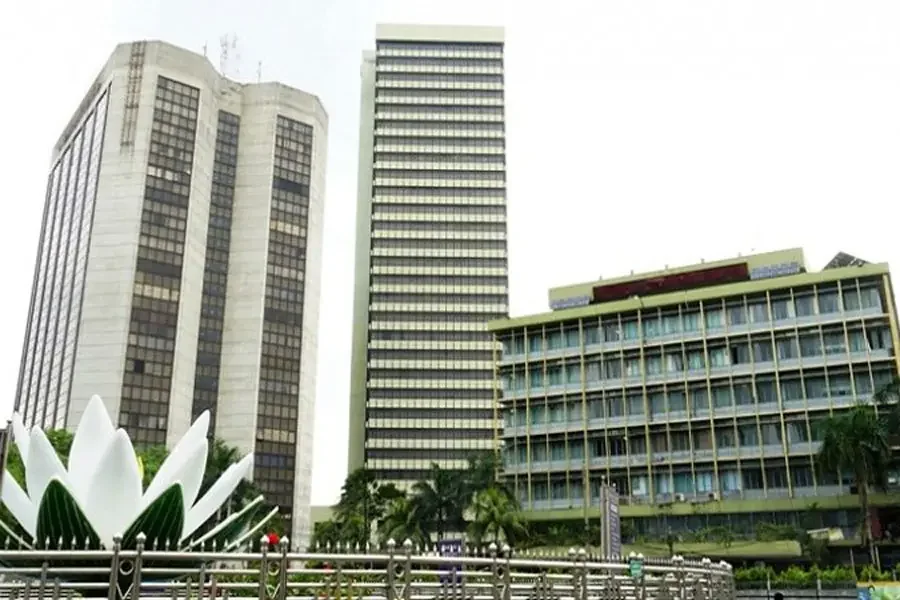
Bangladesh Bank (BB) has stepped up a multi-pronged drive to bring down the country's non-performing loans (NPLs) to 20 per cent by December this year through a special exit policy, intensified loan recovery efforts, stricter supervision, stronger credit-risk management and legal reforms.
The central bank has directed all scheduled banks to make effective use of the special exit facility to expedite the recovery of defaulted loans, according to a circular issued on November 20.
Introduced on June 29 this year, the special exit policy allows eligible borrowers whose loans have been classified as bad or loss to settle their liabilities through a one-time payment under specified conditions. Banks may waive charged and uncharged interest in eligible cases, subject to approval by their respective boards.
The facility covers loans classified as bad or loss as of June 30, 2026, as well as certain loans rescheduled between August 6, 2024 and June 30, 2026. Short-term agricultural loans and loans to cottage, micro and small enterprises have been given priority.
According to a report citing an internal Bangladesh Bank action plan, the central bank aims to reduce the NPL ratio to 20 per cent by the end of 2026 and 10 per cent by the end of 2027.
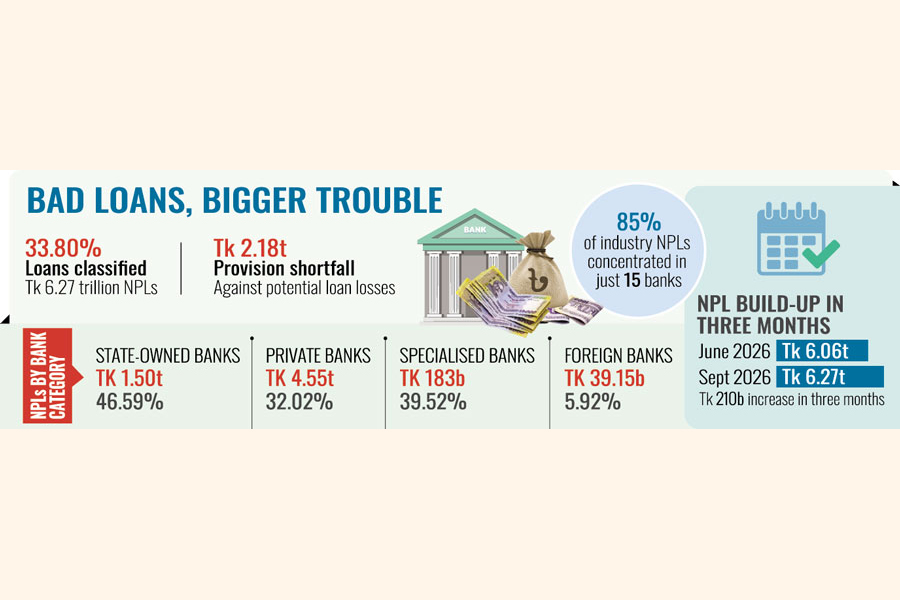
The volume of defaulted loans stood at Tk 5,97,154.93 crore, accounting for 32.17 per cent of total outstanding loans at the end of September 2026, according to figures placed in parliament by Finance Minister Amir Khosru Mahmud Chowdhury on November 16.
Talking to BSS, Bangladesh Bank Executive Director and spokesperson Arif Hossain Khan said reducing defaulted loans was one of the central bank's top priorities and that it was pursuing coordinated measures to improve loan recovery and strengthen discipline in the banking sector.
He said the central bank is working with scheduled banks to ensure effective implementation of the recovery measures, particularly the special exit policy, while strengthening monitoring of banks with high levels of classified loans.
The exit facility is intended to provide eligible borrowers with an opportunity to settle their outstanding liabilities and enable banks to recover funds that have remained stuck in defaulted accounts for a long time. However, the facility is subject to prescribed conditions and approval by the respective bank boards.
He said Bangladesh Bank is also strengthening supervision and requiring banks with high classified-loan ratios to take specific measures to improve their recovery performance.
The central bank's short-term action plan includes quarterly discussions with the senior management of banks whose classified-loan ratios exceed 10 per cent. These banks are required to submit action plans outlining how they intend to recover defaulted loans and improve asset quality.
Bangladesh Bank is also reviewing the 20 largest defaulted borrowers of each bank at bankers' meetings to monitor recovery progress and ensure greater accountability.
Abdul Quaium Chowdhury, Additional Managing Director (AMD) of South Bangla Agriculture and Commerce (SBAC) Bank PLC, said the bank is working in line with Bangladesh Bank's instructions to strengthen loan recovery and improve asset quality.
He said the special exit policy had created an opportunity for eligible borrowers to settle their liabilities through a structured process, which could help banks recover loans that had remained unpaid for a long time.
The bank was also pursuing other measures in line with the central bank's guidelines, including assessing borrowers' repayment capacity, maintaining regular communication with clients and taking necessary steps to recover outstanding loans, he said.
Bangladesh Bank's broader strategy also focuses on improving credit-risk management and preventing the accumulation of fresh defaulted loans.
The central bank is strengthening its Credit Risk Management Guideline and preparing to introduce the Expected Credit Loss (ECL) framework in line with International Financial Reporting Standard 9 (IFRS 9) by 2027.
The ECL framework is expected to help banks identify potential credit losses at an earlier stage by assessing the risks associated with their loan portfolios, enabling them to make more timely provisions against possible defaults.
In the medium term, the central bank's plan includes introducing special incentives for bank officials engaged in loan recovery and reviewing incentives for borrowers who maintain good repayment records.
The long-term measures focus on strengthening the overall credit management framework, improving lending discipline and preventing irregularities in loan disbursement.
Bangladesh Bank is also pursuing legal and institutional reforms to accelerate the recovery of distressed assets. These include the proposed Distressed Asset Management Act 2026 and amendments to the Money Loan Court Act to expedite the disposal of loan recovery cases.
The proposed legal framework is expected to facilitate more effective management and recovery of distressed assets, while faster disposal of loan cases could help banks realise outstanding dues without prolonged litigation.
The central bank has also emphasised bank-specific asset quality reviews (AQRs), particularly for institutions with governance weaknesses or high credit concentration, as part of its risk-based supervisory approach.
Through these reviews, banks' loan portfolios and asset quality will be examined to identify weaknesses, assess credit risks and determine the extent of potential losses.
Bangladesh Bank has stressed that restructuring facilities should be extended only to viable businesses with the capacity to repay, while borrowers who fail to meet their repayment obligations should face appropriate legal and regulatory action.
The recovery drive is also expected to be supported by stronger legal departments and specialised recovery units within banks, improved collateral valuation and enforcement, and closer monitoring of large and high-risk borrowers.
The central bank's initiatives come amid mounting concerns over the quality of bank assets, capital adequacy and the overall stability of the financial sector.
The success of the recovery drive will largely depend on effective implementation of the special exit policy, stronger bank-level recovery efforts, timely legal action and improved governance in the banking sector.