Bangladesh Defense
15 YEARS OF BDR MUTINY
No end to wait for justice
Judge shortage holds back hearing of appeals against conviction, 283 in jail after acquittal of murder charges
Muktadir Rashid and M Moneruzzaman | Published: 00:34, Feb 25,2024

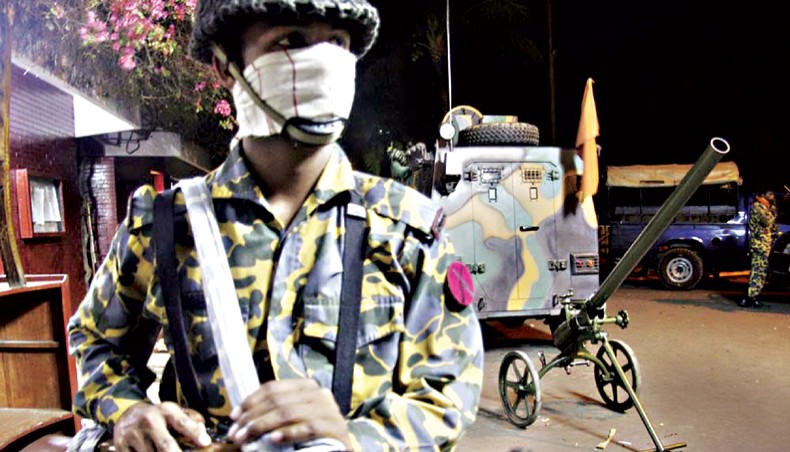

Families of the victims as well as the accused soldiers still cry for justice as appeals against convictions in the murder case for the February 25–26, 2009 mutiny in the border force are still pending with the Appellate Division, while a case under the explosives act is pending with the trial court.
Justice into the killings of 75 people, mostly army officers deputed in the erstwhile Bangladesh Rifles, has not been delivered even after 15 years of the mutiny in the border force, while many former soldiers and civilians have been languishing in jail for years and dozens have died pending trials.
Those who were acquitted by a trial court in November 2013 of the murder charge have been in jail as another case related to explosive substances is still pending with the trial court.
The families of the accused and convicts said at least 48 people have died in jail custody since the trial started, while the plot and plotters are yet to be identified.
‘Many questions about the incident are yet to be answered,’ said retired Lieutenant Colonel Mustafizur Rahman, who investigated the incident during his posting in army intelligence and later left the job and the country.
He said that their investigation could not identify many perpetrators.
Family members of the accused and convicts said that they were devastated by the event and its aftermath, and they wanted immediate disposal of the trials pending both in the Supreme Court and trial court.
The shortage of Appellate Division judges caused the delay in holding hearings on 71 appeals filed by the government and the convicts, according to attorney general AM Amin Uddin.
‘A special bench with at least four judges will be needed to hear and dispose of the large volume of appeals,’ Amin told reporters at his office on Thursday.
On February 25, 2009, several hundred BDR soldiers took arms against their officers deputed from the army at Durbar Hall during their annual gathering at the paramilitary headquarters in Dhaka, leaving 75 people—57 army officers, two wives of army officers, nine BDR soldiers, five civilians, an army soldier, and a police constable—killed.
Border guard special courts sentenced 5,926 soldiers to varying terms on mutiny charges in 57 cases, including 11 in Dhaka, while two criminal cases—one filed for the murders and the other filed under the Explosive Substances Act—are still pending with the court.
A case filed under the Explosive Substances Act against 833 BDR personnel and a civilian is pending with the Dhaka Metropolitan Sessions Judge Court, and 273 of the 1,344 prosecution witnesses have so far been examined, said deputy chief prosecutor Sheikh Baharul Islam.
Only 18 prosecution witnesses were examined between February 2023 and February 2024, according to a court document.
The appeals filed by death-row convicts against their sentences and another by the government against the acquittal of some soldiers by the High Court in the murder case await an Appellate Division hearing.
Attorney general Amin said that the special bench required for the pending hearings could not be constituted unless new judges were appointed to the Appellate Division.
Two major cases were investigated jointly by the Criminal Investigation Department, and the trial started in 2011 against 850 riflemen and civilians.
Amid the simultaneous trial, the trial court continued the trial of the case filed for murder and other offences, slowing down proceedings in the explosives case.
On November 5, 2013, additional sessions judge Akhtaruzzaman, who was later elevated to the High Court as judge, pronounced the verdict in the murder case, sentencing 151 soldiers and civilian Zakir Hossain to death.
The court also jailed 160 soldiers, including late Bangladesh Nationalist Party leader Nasiruddin Pintu, local Awami League leader and retired BDR subedar Md Torab Ali, for life terms, and 256 others for varying terms.
It acquitted 278 people. Four others died before the verdict.
In November 2017, the special High Court bench of Justice Md Shawkat Hossain, Justice Md Abu Zafor Siddique, and Justice Md Nazrul Islam Talukder upheld the death sentences of 139 soldiers. It commuted the death sentences of seven soldiers and Md Zakir Hossain, then a local Awami League leader, to life in jail.
The court acquitted four soldiers of the charges, and BDR deputy assistant director Habibur Rahman died in jail custody in February 2014 while his appeal against the death sentence was pending with the High Court.
The High Court upheld the life terms of 146 BDR personnel and acquitted 12 others of their life terms. Two others died during the pendency of their appeals.
Defence lawyers and family members said that a total of 283 acquitted people and 190 others, who completed their short jail terms in other cases, were still languishing in jail due to the delayed trial of the explosives case.
‘My brother sepoy Darul Islam was in Peelkhana during the mutiny. He was arrested later. He was jailed for seven years on the charge of murder but acquitted of the charges of murder, arson, and other heinous crimes. It’s been 10 years, he was not released,’ Sabuj Miah told New Age over phone.
He said that they had been trying to draw the attention of the government and judiciary to how the former troopers were facing injustice.
The attorney general said that the government filed 20 appeals in December 2020.
Death-row convicts filed 35 appeals in January and February 2021 against their sentences, a court official said. The attorney general said all appeals would be heard together.
Both the government inquiry committee, headed by former secretary Anis-uz-Zaman Khan, and an investigation conducted by the army failed to identify the plot and the plotters.
The report by Anis-uz-Zaman recommended an investigation into the failure to gather intelligence about the planned mutiny. The army did not make the results of its investigation public.
New York-based rights group Human Rights Watch said that it had obtained the report and stated that the report faulted the government for not having taken a stronger line against BDR before the rebellion.
The successive Awami League government has so far initiated no further investigation recommended by the two probe bodies, while the main opposition Bangladesh Nationalist Party has been saying that they will identify the perpetrators if voted to power.
HRW also urged the government to establish an independent investigative and prosecutorial task force with sufficient expertise, authority, and resources to rigorously investigate and, where appropriate, prosecute all allegations of unlawful deaths, torture, and mistreatment of suspects in the BDR mutiny, regardless of the perpetrator’s rank or institutional affiliation.
Families of slain officers and convicted soldiers said that the nation should know the reason for the rebellion, as well as the plot and plotters because neither an investigation nor a trial revealed them.
Slain Colonel Quadrat Elahi Rahman Shafique’s son, Saquib Rahman, repeatedly said that the pawns were tried but the plotters were not identified.
As of February 24, a total of 761 BDR jawans have been detained in Dhaka Central Jail, Kashimpur High Central Jail-1, Kashimpur Central Jail-2, and Kashimpur High Security Central Jail, according to the directorate of the prisons.
Senior military and civilian officials will pay tribute to the graves of killed soldiers at their military graveyard in the capital’s Banani today.
Families of the victims as well as the accused soldiers still cry for justice as appeals against convictions in the murder case for the February 25–26, 2009 mutiny in the border force are still pending with the Appellate Division, while a case under the explosives act is pending with the trial court.
Justice into the killings of 75 people, mostly army officers deputed in the erstwhile Bangladesh Rifles, has not been delivered even after 15 years of the mutiny in the border force, while many former soldiers and civilians have been languishing in jail for years and dozens have died pending trials.
Those who were acquitted by a trial court in November 2013 of the murder charge have been in jail as another case related to explosive substances is still pending with the trial court.
The families of the accused and convicts said at least 48 people have died in jail custody since the trial started, while the plot and plotters are yet to be identified.
‘Many questions about the incident are yet to be answered,’ said retired Lieutenant Colonel Mustafizur Rahman, who investigated the incident during his posting in army intelligence and later left the job and the country.
He said that their investigation could not identify many perpetrators.
Family members of the accused and convicts said that they were devastated by the event and its aftermath, and they wanted immediate disposal of the trials pending both in the Supreme Court and trial court.
The shortage of Appellate Division judges caused the delay in holding hearings on 71 appeals filed by the government and the convicts, according to attorney general AM Amin Uddin.
‘A special bench with at least four judges will be needed to hear and dispose of the large volume of appeals,’ Amin told reporters at his office on Thursday.
On February 25, 2009, several hundred BDR soldiers took arms against their officers deputed from the army at Durbar Hall during their annual gathering at the paramilitary headquarters in Dhaka, leaving 75 people—57 army officers, two wives of army officers, nine BDR soldiers, five civilians, an army soldier, and a police constable—killed.
Border guard special courts sentenced 5,926 soldiers to varying terms on mutiny charges in 57 cases, including 11 in Dhaka, while two criminal cases—one filed for the murders and the other filed under the Explosive Substances Act—are still pending with the court.
A case filed under the Explosive Substances Act against 833 BDR personnel and a civilian is pending with the Dhaka Metropolitan Sessions Judge Court, and 273 of the 1,344 prosecution witnesses have so far been examined, said deputy chief prosecutor Sheikh Baharul Islam.
Only 18 prosecution witnesses were examined between February 2023 and February 2024, according to a court document.
The appeals filed by death-row convicts against their sentences and another by the government against the acquittal of some soldiers by the High Court in the murder case await an Appellate Division hearing.
Attorney general Amin said that the special bench required for the pending hearings could not be constituted unless new judges were appointed to the Appellate Division.
Two major cases were investigated jointly by the Criminal Investigation Department, and the trial started in 2011 against 850 riflemen and civilians.
Amid the simultaneous trial, the trial court continued the trial of the case filed for murder and other offences, slowing down proceedings in the explosives case.
On November 5, 2013, additional sessions judge Akhtaruzzaman, who was later elevated to the High Court as judge, pronounced the verdict in the murder case, sentencing 151 soldiers and civilian Zakir Hossain to death.
The court also jailed 160 soldiers, including late Bangladesh Nationalist Party leader Nasiruddin Pintu, local Awami League leader and retired BDR subedar Md Torab Ali, for life terms, and 256 others for varying terms.
It acquitted 278 people. Four others died before the verdict.
In November 2017, the special High Court bench of Justice Md Shawkat Hossain, Justice Md Abu Zafor Siddique, and Justice Md Nazrul Islam Talukder upheld the death sentences of 139 soldiers. It commuted the death sentences of seven soldiers and Md Zakir Hossain, then a local Awami League leader, to life in jail.
The court acquitted four soldiers of the charges, and BDR deputy assistant director Habibur Rahman died in jail custody in February 2014 while his appeal against the death sentence was pending with the High Court.
The High Court upheld the life terms of 146 BDR personnel and acquitted 12 others of their life terms. Two others died during the pendency of their appeals.
Defence lawyers and family members said that a total of 283 acquitted people and 190 others, who completed their short jail terms in other cases, were still languishing in jail due to the delayed trial of the explosives case.
‘My brother sepoy Darul Islam was in Peelkhana during the mutiny. He was arrested later. He was jailed for seven years on the charge of murder but acquitted of the charges of murder, arson, and other heinous crimes. It’s been 10 years, he was not released,’ Sabuj Miah told New Age over phone.
He said that they had been trying to draw the attention of the government and judiciary to how the former troopers were facing injustice.
The attorney general said that the government filed 20 appeals in December 2020.
Death-row convicts filed 35 appeals in January and February 2021 against their sentences, a court official said. The attorney general said all appeals would be heard together.
Both the government inquiry committee, headed by former secretary Anis-uz-Zaman Khan, and an investigation conducted by the army failed to identify the plot and the plotters.
The report by Anis-uz-Zaman recommended an investigation into the failure to gather intelligence about the planned mutiny. The army did not make the results of its investigation public.
New York-based rights group Human Rights Watch said that it had obtained the report and stated that the report faulted the government for not having taken a stronger line against BDR before the rebellion.
The successive Awami League government has so far initiated no further investigation recommended by the two probe bodies, while the main opposition Bangladesh Nationalist Party has been saying that they will identify the perpetrators if voted to power.
HRW also urged the government to establish an independent investigative and prosecutorial task force with sufficient expertise, authority, and resources to rigorously investigate and, where appropriate, prosecute all allegations of unlawful deaths, torture, and mistreatment of suspects in the BDR mutiny, regardless of the perpetrator’s rank or institutional affiliation.
Families of slain officers and convicted soldiers said that the nation should know the reason for the rebellion, as well as the plot and plotters because neither an investigation nor a trial revealed them.
Slain Colonel Quadrat Elahi Rahman Shafique’s son, Saquib Rahman, repeatedly said that the pawns were tried but the plotters were not identified.
As of February 24, a total of 761 BDR jawans have been detained in Dhaka Central Jail, Kashimpur High Central Jail-1, Kashimpur Central Jail-2, and Kashimpur High Security Central Jail, according to the directorate of the prisons.
Senior military and civilian officials will pay tribute to the graves of killed soldiers at their military graveyard in the capital’s Banani today.