Clean sweep ahead: how washing machines are changing Bangladeshi homes
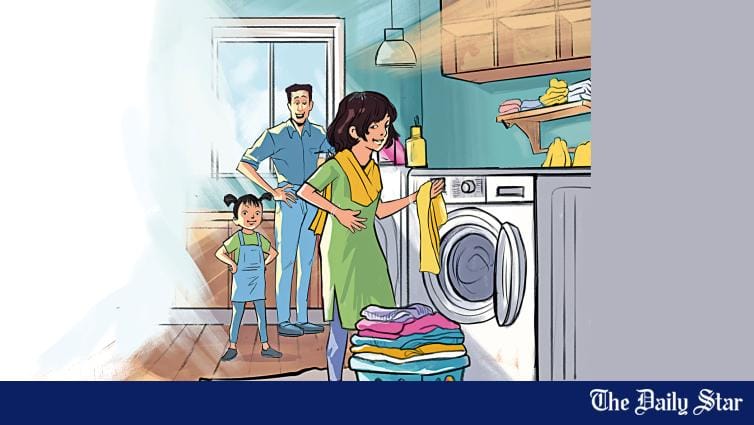
Once considered a luxury item, the washing machine is steadily becoming a sought-after home appliance in Bangladesh. For a country juggling rapid urbanisation, dual-income households, and shifting gender roles, the promise of convenient laundry care is no longer a distant dream—it is inching closer to daily reality. But even as its popularity rises, the washing machine has yet to secure a place in most Bangladeshi homes, lagging behind other appliances like refrigerators and air conditioners.
The country's shift from a low-income to a middle-income economy—fueled by an expanding middle class and near-universal electrification—has paved the way for wider adoption of modern household gadgets. Washing machines offer a practical solution to an often overlooked burden: daily laundry, a task that traditionally falls on women. They also serve time-strapped office-goers who prioritise convenience.
"Washing machines are still considered urban-centric products. Users tend to have a fascination with international brands, and among household appliances, washing machines are the slowest-moving items. There's also a common mindset that washing machines reduce the longevity of clothes. However, given the rising demand for smart home appliances overall, the prospects for washing machines remain promising," says Salim Ullah Salim, Director of Marketing at Jamuna Electronics and Automobiles Ltd.
The market is indeed expanding. According to MD. Khairul Bashar, Deputy Chief Business Officer at Walton Home Appliance, "The washing machine market in Bangladesh is undergoing a quiet revolution as manufacturers respond to growing consumer demand for sustainable home appliances. With rising electricity costs and increased environmental awareness, both global brands and local manufacturers are prioritising energy efficiency and eco-friendly features in their newest models."
Currently estimated at BDT 1,000 crore, the washing machine market in Bangladesh records annual sales of 150,000 to 200,000 units. It is growing at a rate of 5–10 percent yearly, with local manufacturers capturing 70–75 percent of the market share.
The market is segmented into manual, semi-automatic, and fully automatic machines—the latter including both top-loading and front-loading models. Top-loading machines are typically priced between Tk 10,000 and 12,000, while front-loading models range from Tk 35,000 to 40,000. Fully automatic models from local brands cost around Tk 40,000 to 50,000, while premium international brands are priced between Tk 60,000 and 70,000. Lower-end models usually offer basic functionality, while high-end versions can dry up to 70 percent of the load.
Currently, over 70 percent of sales are for top-loading models, although the market is gradually shifting toward front-loading options due to their water efficiency and advanced features. Sales typically peak during the rainy season and winter, when consumers seek better drying solutions and relief from cold-water washes.
Among the key players in the domestic market are Walton Group, Rangs eMart, Best Electronics, Jamuna Electronics, PRAN-RFL (Vision), Esquire Electronics, Electra International, and Super Star Group. International names such as Samsung, LG, Sharp, and Whirlpool also enjoy consumer trust. Singer Bangladesh, which manufactures most of its machines locally, imports select high-end models to meet premium market demand.
"Singer Bangladesh is doing great work in enhancing the availability and affordability of washing machines. Every year, Singer introduces new models equipped with the latest features. Moreover, Singer has teamed up with Beko, Europe's leading large home appliances company, to bring even more advanced technology to customers in Bangladesh," notes Shabbir Hossain, Marketing Director, Singer Bangladesh Limited.
To stay competitive, companies are investing heavily in R&D to incorporate smart technologies into their machines. "Engineered to handle even the most demanding laundry loads, the JAMUNA Washing Machine comes in 7.0 Kg, 8.0 Kg, and 10.5 Kg drum capacities—perfect for families of all sizes. With both washing and drying functions, this all-in-one solution simplifies your laundry routine while delivering powerful performance every time," shares Salim Ullah Salim.
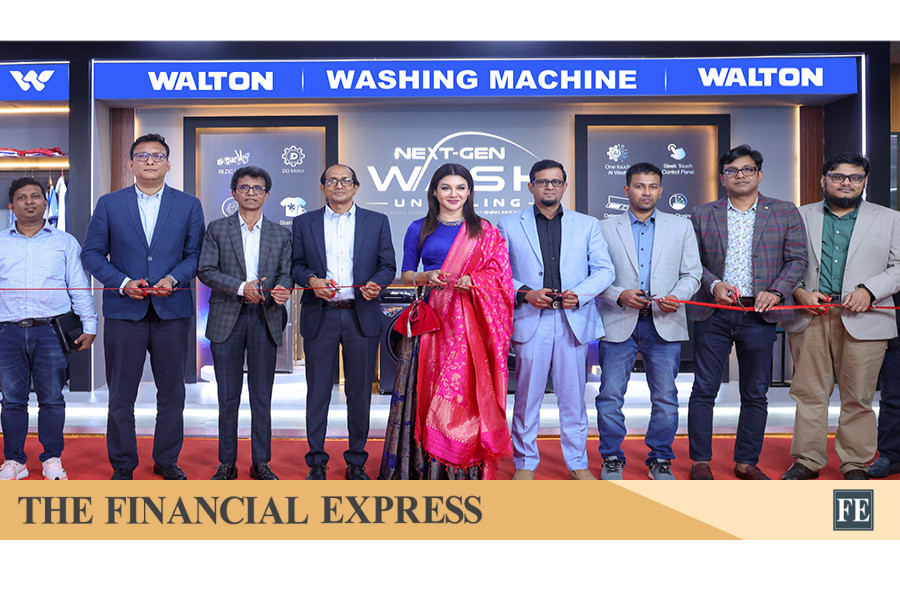
"Walton introduced inverter-driven motors that reduce power consumption by up to 30% compared to conventional models. These advanced systems automatically adjust motor speed based on load weight, optimising energy use throughout each wash cycle. New-generation front-loading machines now use as little as 40 litres per cycle—a significant improvement over traditional models that consumed 70–140 litres," explains MD. Khairul Bashar.
Yet, the industry faces notable challenges. A persistent dollar crisis and rising global raw material costs have made it difficult to open letters of credit (LCs) for importing essential components. This has driven up production costs and limited local manufacturers' pricing flexibility.
"Washing machine prices in Bangladesh have risen significantly over the past year, primarily due to increased government duties. Furthermore, the market lacks comprehensive manufacturing. Most brands rely on Completely Built Unit (CBU) imports, with some local assembly using Chinese components," states Shabbir Hossain.
Policy bottlenecks also need to be addressed to encourage local production. "The government's decision to impose a 5% VAT on locally manufactured units in the 2025–26 budget, without adjusting tariffs for CBU imports, has created an uneven competitive landscape. This not only hampers existing manufacturers but also discourages new investment. To encourage local production and make washing machines more affordable for middle-class families, government support and protective tariffs on CBU imports would be beneficial," adds MD. Khairul Bashar.
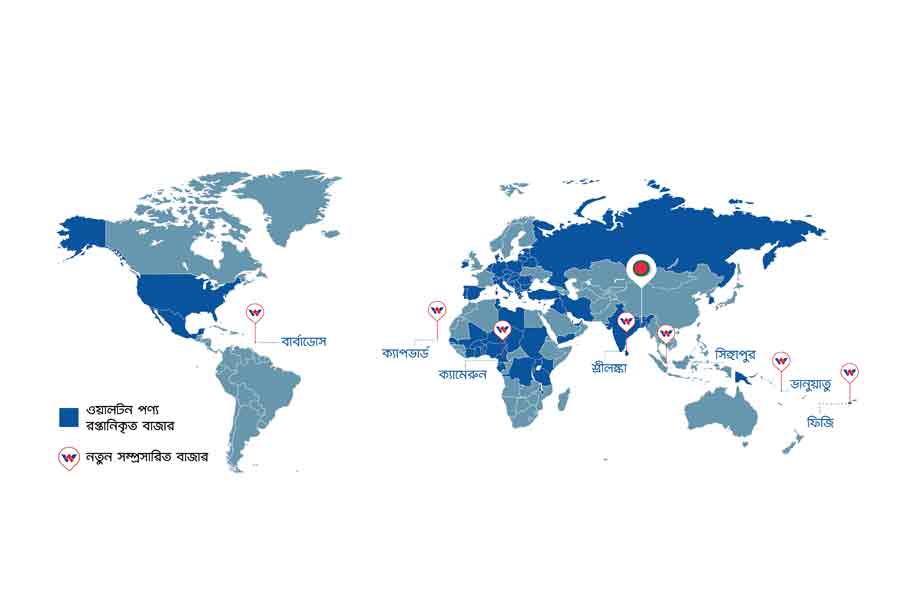
Despite the hurdles, there is a silver lining. Bangladeshi brands like Walton have begun exporting washing machines to international markets including Bhutan, East Timor, India, Iraq, Nepal, Uganda, and Yemen—highlighting the sector's potential to not only meet domestic needs but also emerge as a player in the global appliance industry.
As Bangladesh continues its journey toward modern living, washing machines may no longer remain on the household wish list—they are fast becoming a practical necessity.


 Bangladesh Defense