Bangladesh Defense
Saif
Senior Member
- Jan 24, 2024
- 21,419
- 9,715
- Nation

- Residence
- Axis Group

PM to inaugurate pre-piloting ‘Farmer Card' distribution on Tuesday
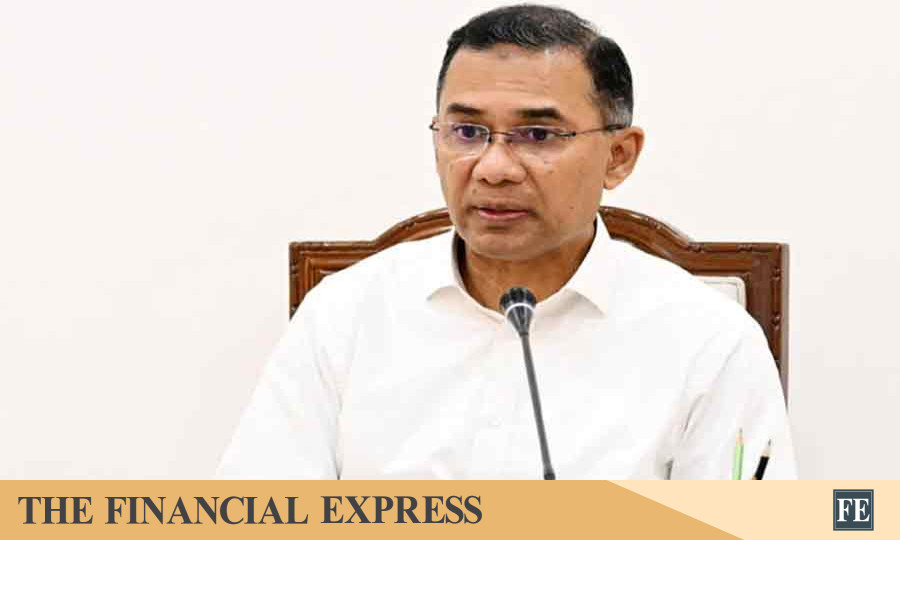
Prime Minister Tarique Rahman will inaugurate the 'Farmer Card' distribution in 11 upazilas of 10 districts across the country under the pre-piloting phase on Tuesday as part of the implementation of ruling BNP's election pledges. According to the Prime Minister's Office (PMO) sources, the premier
PM to inaugurate pre-piloting ‘Farmer Card' distribution on Tuesday
BSS
Published :
Apr 13, 2026 21:53
Updated :
Apr 13, 2026 21:53
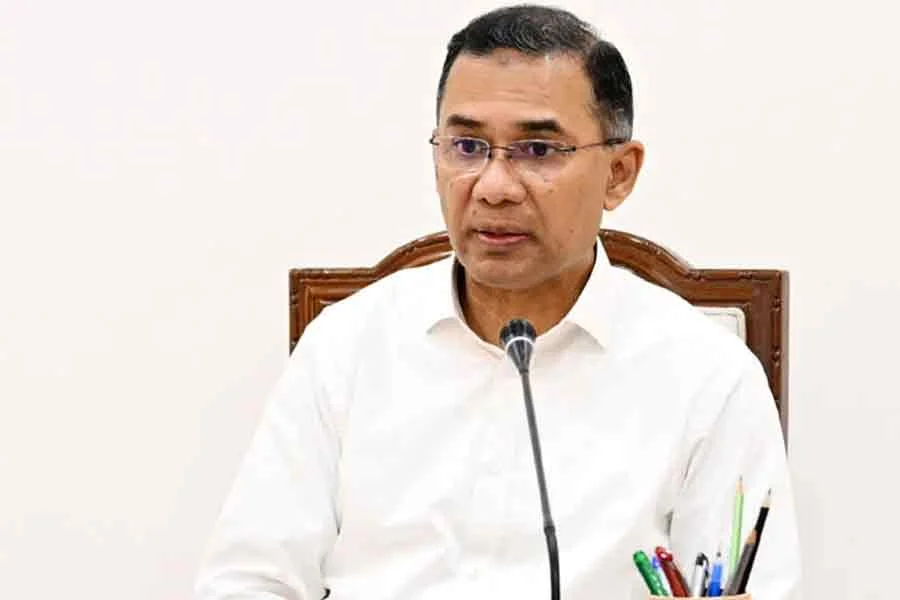
Prime Minister Tarique Rahman will inaugurate the 'Farmer Card' distribution in 11 upazilas of 10 districts across the country under the pre-piloting phase on Tuesday as part of the implementation of ruling BNP's election pledges.
According to the Prime Minister's Office (PMO) sources, the premier will officially launch the programme at 10:30 am at Shaheed Maruf Stadium in Tangail upazila, on the occasion of the Pahela Baishakh-1433.
After inaugurating the programme, Tarique Rahman, also ruling party Chairman of BNP, will address a farmers' rally there. Later, he will inaugurate an agricultural fair at the Poura Udyan in Tangail town at 12:15pm.
Besides, after reaching Tangail, the premier will offer Ziarat at the mazar of Maulana Abdul Hamid Khan Bhashani in Santosh there at 10:00am.
The 'Farmer Card' programme, announced by the Prime Minister Tarique Rahman, aims to directly empower farmers, who are considered the backbone of Bangladesh's economy. The initiative also seeks to integrate the agriculture sector with modern technology.
After exchanging views with investors in agriculture and agro-based industries, PMO Spokesperson Mahdi Amin at a press conference at the Bangladesh Secretariat here this afternoon said that within just two months of assuming office, the Prime Minister has already implemented many electoral pledges one after another.
He said the aim of the 'Farmer Card' is to protect farmers' rights and improve their living standards.
In the first phase, Mahdi Amin said the programme will be launched in 11 upazilas across 10 districts while 30 lakhs farmers will be brought under the special card gradually.
On the inauguration day, the Prime Minister will open the pre-piloting programme by handing over 'Farmer Card' to 1,500 farmers in Tangail.
Under the pre-piloting phase, a total of 22,065 farmers will get the card under 11 blocks in 11 upazilas of the 10 districts across the country’s eight divisions.
The blocks are: Kamlapur block under Panchagarh Sadar upazila, Panchpir block under Boda upazila of Panchagarh district, Uthli block under Shibganj upazila of Bogura district, Kripalpur block under Shailokupa upazila of Jhenaidah district, Rajabari block under Nesarabad upazila of Pirojpur district, Rajarchara block under Teknaf upazila of Cox's Bazar district, Aryannapur block under Cumilla Adarsha Sadar upazila, Suruj block under Tangail Sadar upazila, Tenapocha block under Goalanda upazila of Rajbari district, Fultala block under Juri upazila of Moulvibazar district and Gaibandha block under Islampur upazila of Jamalpur district.
The ‘Farmer Card’ will be given to all farmers across the country under three phases- pre-pilot, pilot, and nationwide rollout while the farmers will be selected under five categories- landless, marginal, smallholder, medium-sized and large-scale farmers.
In the pre-piloting phase, along with crop farmers, fish farmers or fishermen, livestock farmers and dairy farmers have been included while salt farmers have also been included where applicable.
The cardholders will receive 10 types of services, including agricultural inputs in fair prices, irrigation support, easy loans, subsidies, training, weather updates, crop protection advice, insurance, and fair market access.
According to Fisheries, Livestock and Agriculture Minister Mohammed Aminur Rashid, the pre-piloting phase will cost around Taka 8.34 crore. After this phase, a pilot programme will be launched in 15 upazilas by August this year.
Utilizing experiences of the pre-pilot and pilot schemes, the government will gradually distribute the card among the farmers and create a database across the country over the next four years.
The Farmer Card will function as a banking debit card linked to accounts opened at Sonali Bank. As of April 11, data of 22,065 farmers have been collected, including 2,246 landless, 9,458 marginal, 8,967 smallholders, 1,303 medium-sized and 91 large-scale farmers.
Among them, landless, marginal and smallholder farmers — totaling 20,671— will receive Taka 2,500 annually through the card.
The cardholders will be able to purchase agricultural inputs such as fertilizer, seeds, fish feed, and livestock feed through Point of Sell (POS) machines provided to concerned dealers.
BSS
Published :
Apr 13, 2026 21:53
Updated :
Apr 13, 2026 21:53
Prime Minister Tarique Rahman will inaugurate the 'Farmer Card' distribution in 11 upazilas of 10 districts across the country under the pre-piloting phase on Tuesday as part of the implementation of ruling BNP's election pledges.
According to the Prime Minister's Office (PMO) sources, the premier will officially launch the programme at 10:30 am at Shaheed Maruf Stadium in Tangail upazila, on the occasion of the Pahela Baishakh-1433.
After inaugurating the programme, Tarique Rahman, also ruling party Chairman of BNP, will address a farmers' rally there. Later, he will inaugurate an agricultural fair at the Poura Udyan in Tangail town at 12:15pm.
Besides, after reaching Tangail, the premier will offer Ziarat at the mazar of Maulana Abdul Hamid Khan Bhashani in Santosh there at 10:00am.
The 'Farmer Card' programme, announced by the Prime Minister Tarique Rahman, aims to directly empower farmers, who are considered the backbone of Bangladesh's economy. The initiative also seeks to integrate the agriculture sector with modern technology.
After exchanging views with investors in agriculture and agro-based industries, PMO Spokesperson Mahdi Amin at a press conference at the Bangladesh Secretariat here this afternoon said that within just two months of assuming office, the Prime Minister has already implemented many electoral pledges one after another.
He said the aim of the 'Farmer Card' is to protect farmers' rights and improve their living standards.
In the first phase, Mahdi Amin said the programme will be launched in 11 upazilas across 10 districts while 30 lakhs farmers will be brought under the special card gradually.
On the inauguration day, the Prime Minister will open the pre-piloting programme by handing over 'Farmer Card' to 1,500 farmers in Tangail.
Under the pre-piloting phase, a total of 22,065 farmers will get the card under 11 blocks in 11 upazilas of the 10 districts across the country’s eight divisions.
The blocks are: Kamlapur block under Panchagarh Sadar upazila, Panchpir block under Boda upazila of Panchagarh district, Uthli block under Shibganj upazila of Bogura district, Kripalpur block under Shailokupa upazila of Jhenaidah district, Rajabari block under Nesarabad upazila of Pirojpur district, Rajarchara block under Teknaf upazila of Cox's Bazar district, Aryannapur block under Cumilla Adarsha Sadar upazila, Suruj block under Tangail Sadar upazila, Tenapocha block under Goalanda upazila of Rajbari district, Fultala block under Juri upazila of Moulvibazar district and Gaibandha block under Islampur upazila of Jamalpur district.
The ‘Farmer Card’ will be given to all farmers across the country under three phases- pre-pilot, pilot, and nationwide rollout while the farmers will be selected under five categories- landless, marginal, smallholder, medium-sized and large-scale farmers.
In the pre-piloting phase, along with crop farmers, fish farmers or fishermen, livestock farmers and dairy farmers have been included while salt farmers have also been included where applicable.
The cardholders will receive 10 types of services, including agricultural inputs in fair prices, irrigation support, easy loans, subsidies, training, weather updates, crop protection advice, insurance, and fair market access.
According to Fisheries, Livestock and Agriculture Minister Mohammed Aminur Rashid, the pre-piloting phase will cost around Taka 8.34 crore. After this phase, a pilot programme will be launched in 15 upazilas by August this year.
Utilizing experiences of the pre-pilot and pilot schemes, the government will gradually distribute the card among the farmers and create a database across the country over the next four years.
The Farmer Card will function as a banking debit card linked to accounts opened at Sonali Bank. As of April 11, data of 22,065 farmers have been collected, including 2,246 landless, 9,458 marginal, 8,967 smallholders, 1,303 medium-sized and 91 large-scale farmers.
Among them, landless, marginal and smallholder farmers — totaling 20,671— will receive Taka 2,500 annually through the card.
The cardholders will be able to purchase agricultural inputs such as fertilizer, seeds, fish feed, and livestock feed through Point of Sell (POS) machines provided to concerned dealers.