Bangladesh Defense

Saif
Senior Member
- Messages
- 21,789
- Likes
- 9,805
- Nation

- Residence
- Axis Group

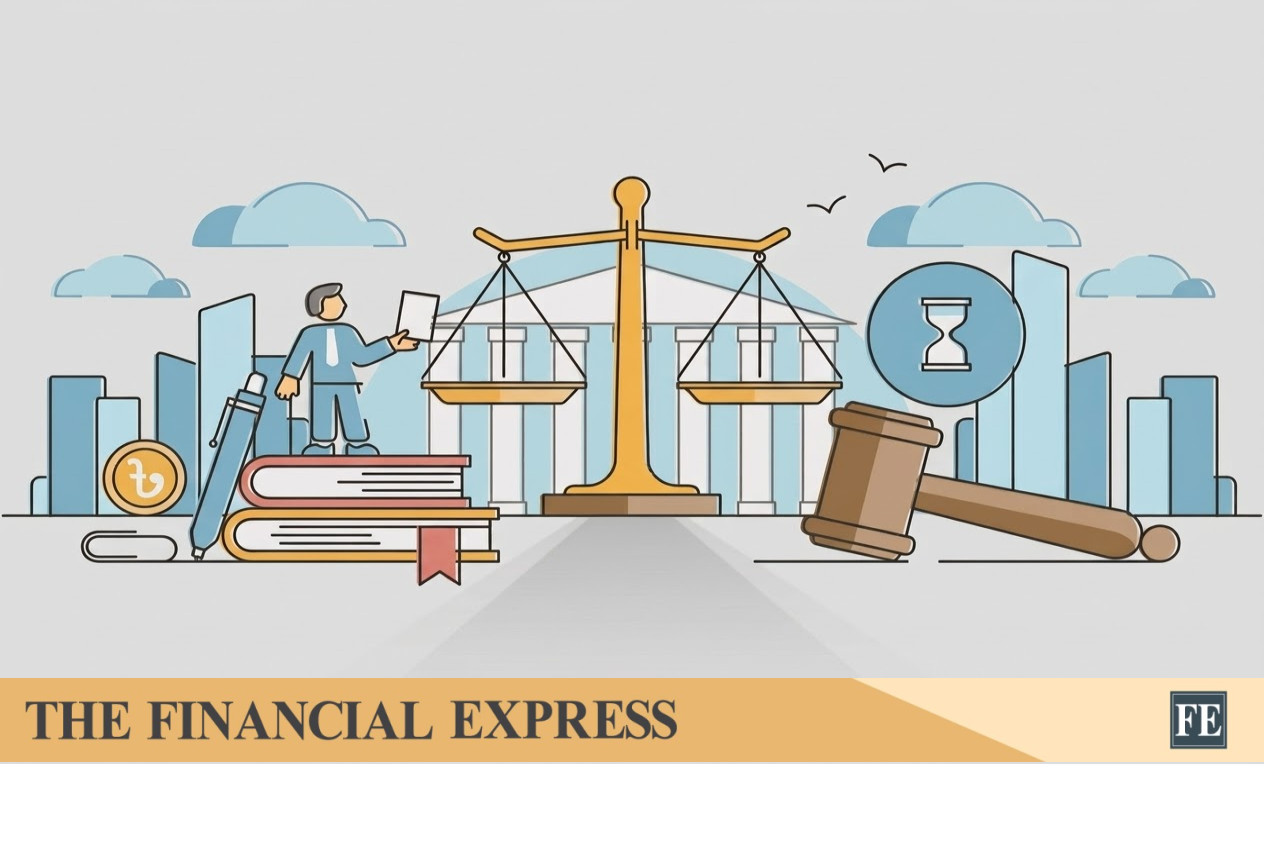
Upholding human rights & public safety: how far is Bangladesh?
Bangladesh has achieved remarkable economic progress over the past few decades. Its garment industry has become globally important, millions of people have entered the workforce, and private businesses have expanded across manufacturing, services, technology and trade. But economic growth alone doe
Upholding human rights & public safety: how far is Bangladesh?
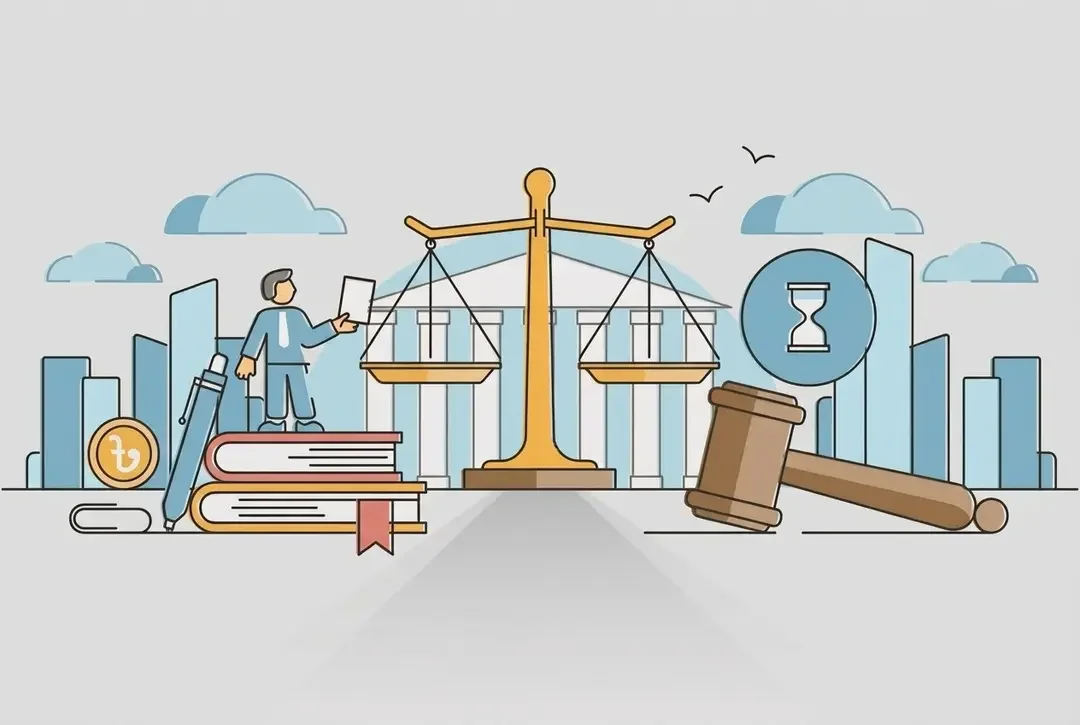
Bangladesh has achieved remarkable economic progress over the past few decades. Its garment industry has become globally important, millions of people have entered the workforce, and private businesses have expanded across manufacturing, services, technology and trade. But economic growth alone does not create a healthy business environment. Businesses also need predictable laws, safe workplaces, fair competition, protection of property and contracts, and respect for the rights of workers, consumers and communities.
The important question is therefore not simply whether Bangladesh is open for business. It is whether Bangladesh can create an environment where economic growth and human rights, investment and public safety, and business success and accountability go together.
There has been progress, but significant gaps remain. The World Bank's Enterprise Surveys have repeatedly identified corruption, infrastructure, access to finance and regulatory obstacles among the challenges faced by businesses in Bangladesh. These problems increase the cost and uncertainty of doing business, particularly for smaller enterprises. The World Bank has also emphasised that effective regulations and institutions governing business registration, licensing, inspections and property rights are essential for reducing business risks while protecting consumers, public health and safety.
Corruption is particularly damaging because it creates an uneven playing field. When businesses believe that personal connections or unofficial payments are necessary to obtain services, licences or approvals, honest businesses can be placed at a disadvantage. It also weakens confidence in government institutions and discourages investment.
The problem is not necessarily a lack of laws. Bangladesh has numerous laws and regulatory agencies. The deeper problem is often implementation and enforcement. Rules that are reasonable on paper have little value if they are applied selectively, slowly or inconsistently.
This gap is also visible in the rule of law. The World Justice Project's 2025 Rule of Law Index ranked Bangladesh 125th among 143 countries, although Bangladesh's overall score improved by 1.3 per cent from the previous year. The index examines areas including fundamental rights, regulatory enforcement, civil justice, criminal justice and order and security.
Human rights and workplace safety are another critical part of responsible business.
Bangladesh has made important progress since the Rana Plaza disaster, particularly in the garment sector. More recently, the country took a significant step by ratifying ILO Conventions 155 and 187 on occupational safety and health and Convention 190 on violence and harassment at work in November 2025. The ILO described these ratifications as an important commitment to safer workplaces and workers' rights.
However, ratification is not the same as implementation. The ILO itself makes clear that ratification represents a commitment to progressively align national laws and practices with international standards; it does not mean that full compliance automatically exists on the day of ratification.
The real challenge is therefore to ensure that workplace safety rules are consistently enforced, labour inspectors have adequate resources and independence, and workers can report violations without fear of retaliation.
Public safety and institutional trust are equally important. A business environment cannot be stable when citizens lack confidence in the institutions responsible for law enforcement and justice. The Asia Foundation's 2024 survey of 6,510 Bangladeshis found that only 20.5 per cent considered the police to have very high integrity. Trust in the judiciary was 38.2 per cent. The survey also showed that trust in both institutions had declined from 2022 levels.
Other countries demonstrate that stronger institutions and economic development can advance together. Singapore provides one example of the importance of consistent enforcement and institutional integrity. According to Transparency International's 2025 Corruption Perceptions Index, Singapore scored 84 out of 100 and ranked third among 182 countries. The index measures perceptions of public-sector corruption, based on expert assessments and business surveys.
Vietnam provides another useful comparison because, like Bangladesh, it has built a strong export-oriented manufacturing economy. The World Bank says Vietnam's economic success over recent decades has been strongly supported by export-oriented foreign investment, but argues that further growth requires regulatory reform and higher productivity. Vietnam has introduced a programme to simplify or reduce business regulations and, by December 2023, had simplified or reduced 2,789 regulations. Its National Public Services Portal had also digitised more than 70 per cent of public administrative services.
So, what should Bangladesh do?
First, the government must close the gap between laws and enforcement. Regulations should be clear, simple and applied equally.
Second, government services such as licences, permits, taxation, customs and inspections should increasingly be digitised. Clear deadlines, published fees and traceable decisions can reduce opportunities for unofficial payments.
Third, regulatory agencies must be more accountable. Complaints against officials should be independently investigated, and disciplinary measures should follow transparent procedures.
Fourth, labour inspection must be strengthened. Workplace safety should not become a priority only after accidents occur. Employers who violate safety standards should face meaningful consequences, while compliant businesses should not be placed at a competitive disadvantage.
Fifth, police and justice institutions need to rebuild public confidence through professional training, independent complaint mechanisms, timely investigations and equal application of the law.
Finally, businesses, workers, civil society and consumers should have meaningful opportunities to participate in regulatory reform. Policies imposed without consultation often fail to address problems experienced on the ground.
Bangladesh does not have to choose between business growth and human rights. In fact, sustainable economic growth increasingly depends on both. Safe workers are more productive, predictable regulations encourage investment, fair competition rewards innovation, and trusted institutions reduce the risks and costs of doing business.
The ultimate test is simple: Can an entrepreneur compete without connections? Can a worker work without fear? Can a consumer obtain justice? Can a business receive government services without unofficial payments? And can every citizen expect the law to be applied fairly?
If Bangladesh can answer these questions through effective institutions rather than promises, it can build a business environment based not only on economic opportunity, but also on human rights, public safety, fairness and public trust.
Shahiduzzaman is the Editor and CEO of News Network.