 Indian Defense
Saif
Senior Member
- Jan 24, 2024
- 20,102
- 9,427
- Nation

- Residence
- Axis Group


Trump cuts India tariffs, says Modi will stop buying Russian oil
Tariff on Indian goods to be cut to 18%, he says
Trump cuts India tariffs, says Modi will stop buying Russian oil
Tariff on Indian goods to be cut to 18%, he says

AFP File Photo
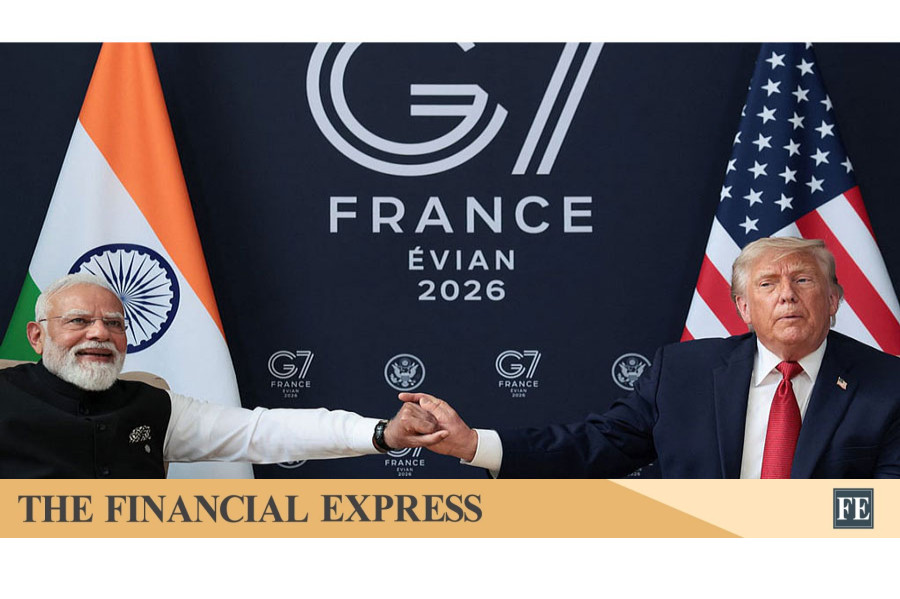
US President Donald Trump announced a trade deal with India on Monday, saying that Prime Minister Narendra Modi had promised to stop buying Russian oil over the war in Ukraine.
Trump said he was cutting tariffs on Indian goods to 18 percent. He had previously levied 25 percent reciprocal tariffs, plus an additional 25 percent for New Delhi's purchases of Moscow's oil.
Modi said Monday he had a "wonderful" phone call with Trump and thanked him for reducing levies on Indian products -- but made no reference to Trump's assertion about halting Russian oil purchases.
India's refusal to stop buying oil from Russia -- which Washington says funds Russia's invasion of Ukraine -- has been a bone of contention for months as Trump seeks an elusive end to the war.
"Out of friendship and respect for Prime Minister Modi and, as per his request, effective immediately, we agreed to a Trade Deal between the United States and India," Trump said in a post on Truth Social.
Trump said that the United States would lower the reciprocal tariff imposed on India during his waves of global "Liberation Day" tariffs last year from 25 percent to 18 percent.
A White House official told AFP that an additional 25 percent tariff Trump had slapped on India for its purchase of Russian oil in August would also be dropped.
Trump added that Modi "agreed to stop buying Russian Oil, and to buy much more from the United States and, potentially, Venezuela. This will help END THE WAR in Ukraine."
The United States is effectively overseeing Venezuelan oil exports since toppling the South American country's leader, Nicolas Maduro, in a military operation in January.
'Greatest friends'
Trump called Modi "one of my greatest friends" and said they spoke about "many things" including trade and ending Russia's invasion of Ukraine.
Modi was one of the first leaders to visit the White House after Trump's inauguration for his second term in January 2025, but that did not stop difficult trade negotiations over the past year.
Russian oil has been the major hurdle.
As recently as December, Russian President Vladimir Putin during a visit to New Delhi that he was ready to continue "uninterrupted shipments" of fuel to India despite US pressure.
Trump also said in October that Modi had promised to stop buying Russian oil, but an agreement did not materialize at the time.
"Wonderful to speak with my dear friend President Trump today. Delighted that Made in India products will now have a reduced tariff of 18 percent," Modi said in a post on X on Monday.
The Indian leader however made no mention of oil sales.
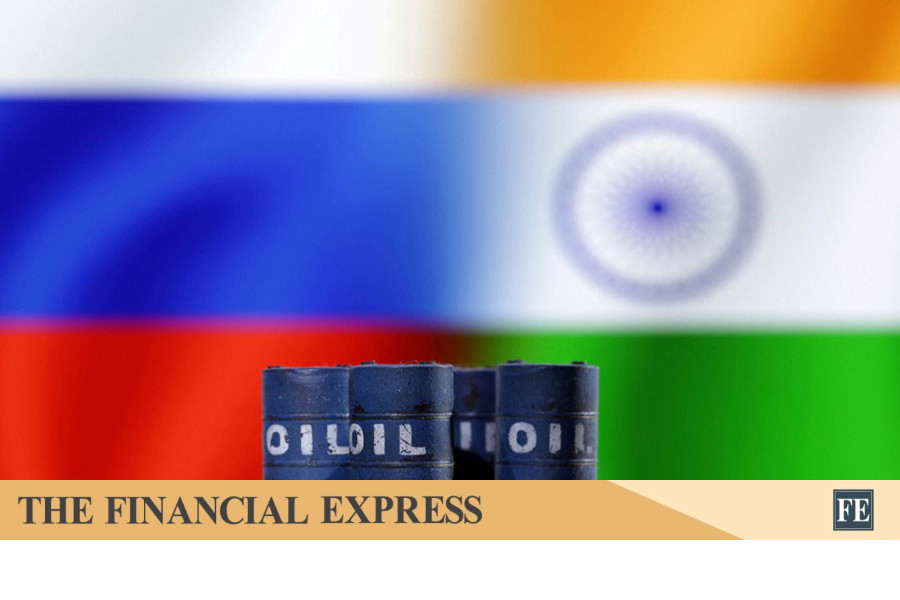
India emerged as a major buyer of Russian oil after the start of the Ukraine war, providing Moscow with a crucial export market as Europe sharply reduced purchases.
In 2024, Russia supplied nearly 36 percent of India's total crude imports, around 1.8 million barrels of discounted oil per day.
Modi added however that "President Trump’s leadership is vital for global peace, stability, and prosperity."
Trump has repeatedly claimed credit for ending the brief but intense armed conflict between nuclear-armed neighbors India and Pakistan in May.
Tariff on Indian goods to be cut to 18%, he says
AFP File Photo
US President Donald Trump announced a trade deal with India on Monday, saying that Prime Minister Narendra Modi had promised to stop buying Russian oil over the war in Ukraine.
Trump said he was cutting tariffs on Indian goods to 18 percent. He had previously levied 25 percent reciprocal tariffs, plus an additional 25 percent for New Delhi's purchases of Moscow's oil.
Modi said Monday he had a "wonderful" phone call with Trump and thanked him for reducing levies on Indian products -- but made no reference to Trump's assertion about halting Russian oil purchases.
India's refusal to stop buying oil from Russia -- which Washington says funds Russia's invasion of Ukraine -- has been a bone of contention for months as Trump seeks an elusive end to the war.
"Out of friendship and respect for Prime Minister Modi and, as per his request, effective immediately, we agreed to a Trade Deal between the United States and India," Trump said in a post on Truth Social.
Trump said that the United States would lower the reciprocal tariff imposed on India during his waves of global "Liberation Day" tariffs last year from 25 percent to 18 percent.
A White House official told AFP that an additional 25 percent tariff Trump had slapped on India for its purchase of Russian oil in August would also be dropped.
Trump added that Modi "agreed to stop buying Russian Oil, and to buy much more from the United States and, potentially, Venezuela. This will help END THE WAR in Ukraine."
The United States is effectively overseeing Venezuelan oil exports since toppling the South American country's leader, Nicolas Maduro, in a military operation in January.
'Greatest friends'
Trump called Modi "one of my greatest friends" and said they spoke about "many things" including trade and ending Russia's invasion of Ukraine.
Modi was one of the first leaders to visit the White House after Trump's inauguration for his second term in January 2025, but that did not stop difficult trade negotiations over the past year.
Russian oil has been the major hurdle.
As recently as December, Russian President Vladimir Putin during a visit to New Delhi that he was ready to continue "uninterrupted shipments" of fuel to India despite US pressure.
Trump also said in October that Modi had promised to stop buying Russian oil, but an agreement did not materialize at the time.
"Wonderful to speak with my dear friend President Trump today. Delighted that Made in India products will now have a reduced tariff of 18 percent," Modi said in a post on X on Monday.
The Indian leader however made no mention of oil sales.
India emerged as a major buyer of Russian oil after the start of the Ukraine war, providing Moscow with a crucial export market as Europe sharply reduced purchases.
In 2024, Russia supplied nearly 36 percent of India's total crude imports, around 1.8 million barrels of discounted oil per day.
Modi added however that "President Trump’s leadership is vital for global peace, stability, and prosperity."
Trump has repeatedly claimed credit for ending the brief but intense armed conflict between nuclear-armed neighbors India and Pakistan in May.