Bangladesh Defense
Saif
Senior Member
- Jan 24, 2024
- 21,077
- 9,688
- Nation

- Residence
- Axis Group

Investment, savings slide as growth slows
Bangladesh's investment and savings ratios declined sharply in FY2024–25, reflecting a broader economic slowdown that has pushed GDP growth to its lowest level since the pandemic. The latest official data point to weakening domestic demand and a more cautious investment climate. Economists w
Investment, savings slide as growth slows
BBS data signals deepening economic strain amid inflation, weak demand
FHM Humayan Kabir
Published :
Mar 29, 2026 09:17
Updated :
Mar 29, 2026 11:35

Bangladesh's investment and savings ratios declined sharply in FY2024–25, reflecting a broader economic slowdown that has pushed GDP growth to its lowest level since the pandemic.
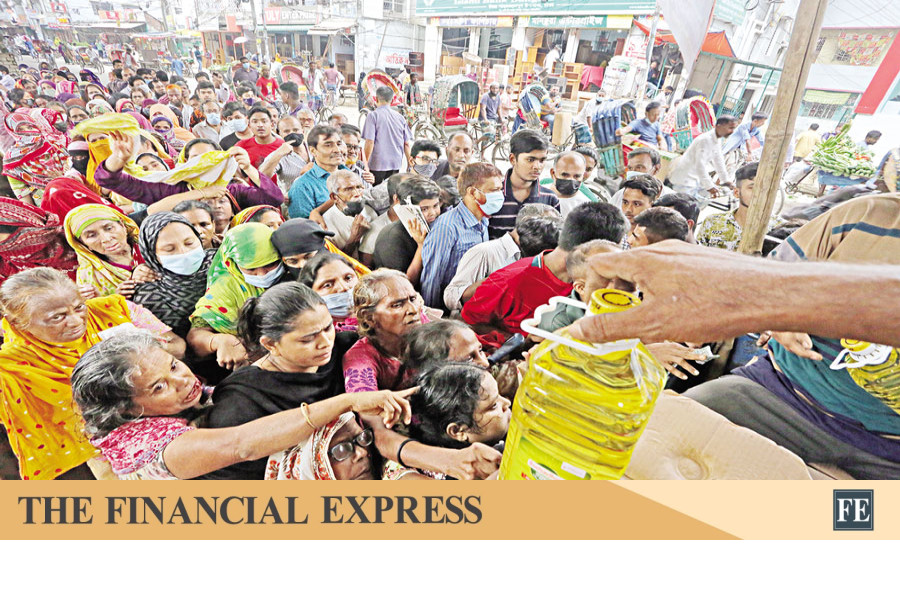
The latest official data point to weakening domestic demand and a more cautious investment climate. Economists warn that the twin decline in investment and savings could have far-reaching consequences for employment, income growth and poverty reduction, raising fresh concerns over the country's macroeconomic stability.
According to the recently released final estimates of the Bangladesh Bureau of Statistics (BBS), the investment-to-GDP ratio fell to 28.54 per cent in FY25, down from 30.70 per cent in the previous FY24.
Domestic savings dropped by nearly two percentage points to 21.98 per cent, while national savings followed a similar downward trajectory, settling at 27.67 per cent in FY2025.
Domestic savings declined to 21.98 per cent of GDP in FY2025 from 23.96 per cent in FY2024, the official data showed. Similarly, national savings fell to 27.67 per cent of GDP in FY2025 from 28.42 per cent in FY2024, according to the BBS final estimates.
Analysts say this contraction underscores a cautious environment for both public and private capital, with private investment dropping to 22.03 per cent of GDP in FY2025 from 23.96 per cent in FY2024. Public sector investment also declined slightly to 5.80 per cent of GDP in FY2025, from 5.91 per cent in the previous fiscal year, the data showed.
Economists attribute the decline to a combination of persistently high inflation and weak domestic demand, which has forced many households to prioritise immediate consumption over long-term savings.
Furthermore, high interest rates and exchange rate volatility, with the average dollar rate used for BBS calculations rising to Tk 120.82, have significantly eroded real purchasing power and surplus income.
The drop in these key indicators aligns with a revised GDP growth rate of 3.49 per cent for FY2025, down from the provisional estimate of 3.97 per cent. This marks the third consecutive year of deceleration for the Bangladesh economy.
While the industrial sector posted modest growth of 3.71 per cent, both the services and agriculture sectors slowed, expanding by 4.35 per cent and 2.42 per cent respectively.
In a rare positive development, per capita income rose to Tk 334,511 (US$2,769) in FY2025, up from Tk 304,102 (US$2,738) in FY2024, according to BBS data. However, analysts caution that the increase in dollar terms partly reflects exchange rate adjustments and nominal growth, rather than a broad-based improvement in living standards.
The current economic landscape suggests that, without a significant boost in investment and savings, growth recovery may remain uncertain.
BBS data signals deepening economic strain amid inflation, weak demand
FHM Humayan Kabir
Published :
Mar 29, 2026 09:17
Updated :
Mar 29, 2026 11:35
Bangladesh's investment and savings ratios declined sharply in FY2024–25, reflecting a broader economic slowdown that has pushed GDP growth to its lowest level since the pandemic.
The latest official data point to weakening domestic demand and a more cautious investment climate. Economists warn that the twin decline in investment and savings could have far-reaching consequences for employment, income growth and poverty reduction, raising fresh concerns over the country's macroeconomic stability.
According to the recently released final estimates of the Bangladesh Bureau of Statistics (BBS), the investment-to-GDP ratio fell to 28.54 per cent in FY25, down from 30.70 per cent in the previous FY24.
Domestic savings dropped by nearly two percentage points to 21.98 per cent, while national savings followed a similar downward trajectory, settling at 27.67 per cent in FY2025.
Domestic savings declined to 21.98 per cent of GDP in FY2025 from 23.96 per cent in FY2024, the official data showed. Similarly, national savings fell to 27.67 per cent of GDP in FY2025 from 28.42 per cent in FY2024, according to the BBS final estimates.
Analysts say this contraction underscores a cautious environment for both public and private capital, with private investment dropping to 22.03 per cent of GDP in FY2025 from 23.96 per cent in FY2024. Public sector investment also declined slightly to 5.80 per cent of GDP in FY2025, from 5.91 per cent in the previous fiscal year, the data showed.
Economists attribute the decline to a combination of persistently high inflation and weak domestic demand, which has forced many households to prioritise immediate consumption over long-term savings.
Furthermore, high interest rates and exchange rate volatility, with the average dollar rate used for BBS calculations rising to Tk 120.82, have significantly eroded real purchasing power and surplus income.
The drop in these key indicators aligns with a revised GDP growth rate of 3.49 per cent for FY2025, down from the provisional estimate of 3.97 per cent. This marks the third consecutive year of deceleration for the Bangladesh economy.
While the industrial sector posted modest growth of 3.71 per cent, both the services and agriculture sectors slowed, expanding by 4.35 per cent and 2.42 per cent respectively.
In a rare positive development, per capita income rose to Tk 334,511 (US$2,769) in FY2025, up from Tk 304,102 (US$2,738) in FY2024, according to BBS data. However, analysts caution that the increase in dollar terms partly reflects exchange rate adjustments and nominal growth, rather than a broad-based improvement in living standards.
The current economic landscape suggests that, without a significant boost in investment and savings, growth recovery may remain uncertain.