[🇧🇩] Monitoring Bangladesh's Economy

[🇧🇩] Monitoring Bangladesh's Economy
1K
49K
More threads by Saif

G Bangladesh Defense

Finance minister says talks on extra $10b World Bank funding will take months

1791933812816.webp


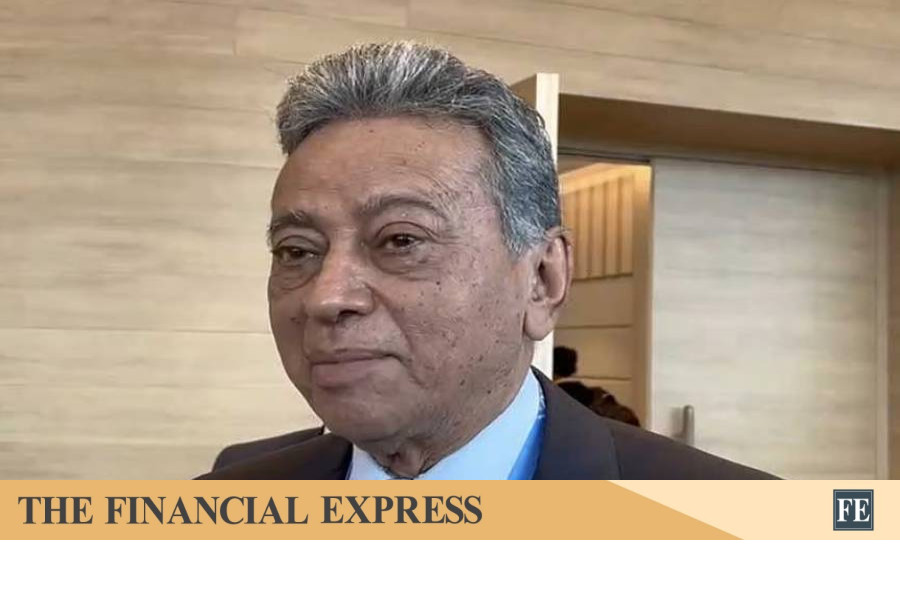
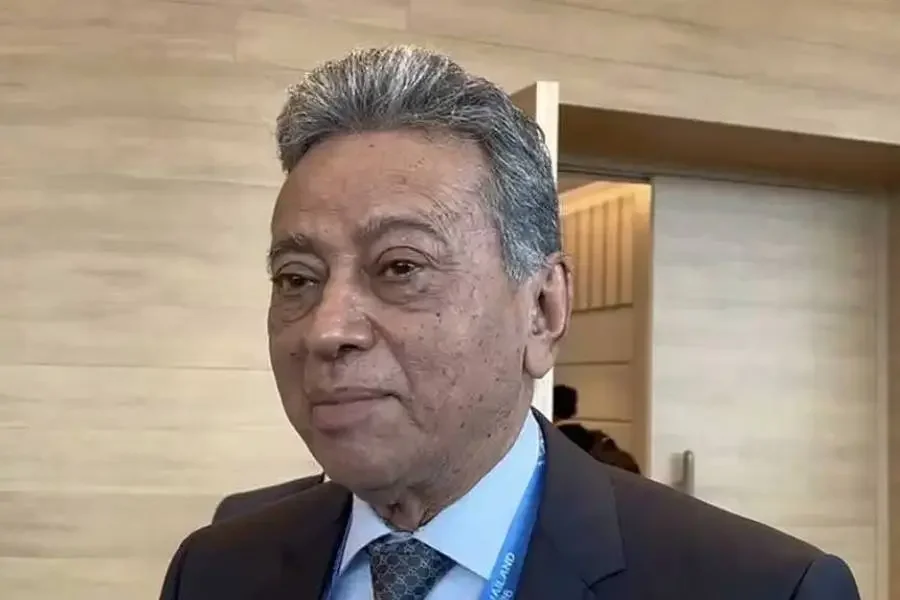
Finance Minister Amir Khosru Mahmud Chowdhury has cautioned against expecting a quick decision on Bangladesh’s reported request for an additional $10 billion in World Bank loans.

He said on Tuesday that talks are still at an early stage.

Speaking to journalists on the second day of the IMF and World Bank Group annual meetings in Bangkok, he said reports suggesting a decision was imminent were misleading.

“I want to make one thing clear: no decision is being made here. I am seeing a lot of incorrect reporting. This is a discussion,” he said.

“Follow-up work will be based on these discussions. This is a process that will continue over the next few months. It will take several months to complete, so it would be wrong to expect any final decision at this stage.”

The minister-led delegation met World Bank Managing Director and Chief Financial Officer Anshula Kant on the sidelines of the meetings.

Khosru said the World Bank had agreed to support Bangladesh’s economic plans in the short, medium and long term.

He also said the bank’s approach was fully aligned with the BNP’s election manifesto.

“They understand the economic crisis the country is going through, the burden we have inherited and the disruption caused by wars around the world,” he said, adding that the bank supported the government’s policies to address the situation.

The comments came as the IMF forecast Bangladesh’s GDP growth would slow to 3.2 percent in the 2026-27 fiscal year, while average inflation could rise to 10.9 percent.

Khosru said the government did not intend to dispute the projections and would continue working towards its own targets.

“We are doing our work, and they are doing theirs. The cooperation we need will continue,” he said.

The government aims to keep inflation at 7.5 percent this fiscal year. It reached 8.34 percent in September after fuel prices rose.​
 

IMF-WB financing deals within couple of months
Synchronised govt-WB project approval, rapid fund release likely

Likelihood emerges at Bangkok meet as Bangladesh delegation proposes and lenders gesture


1792018442351.webp


Bangladesh expects to get financing commitments finalised with international development partners within two to three months as it strives for economic recovery, banking reform and managing mounting pressure from energy costs.

In another development at Bangkok talks, Bangladesh has proposed and the financiers signaled for synchronised government-World Bank project approval by a single stroke for rapid fund release and rapid returns on investment, including targeted job generation for millions in search.

The indications came from Finance Minister Amir Khosru Mahmud Chowdhury and Finance and Planning Adviser Rashed Al Mahmud Titumir on Wednesday.

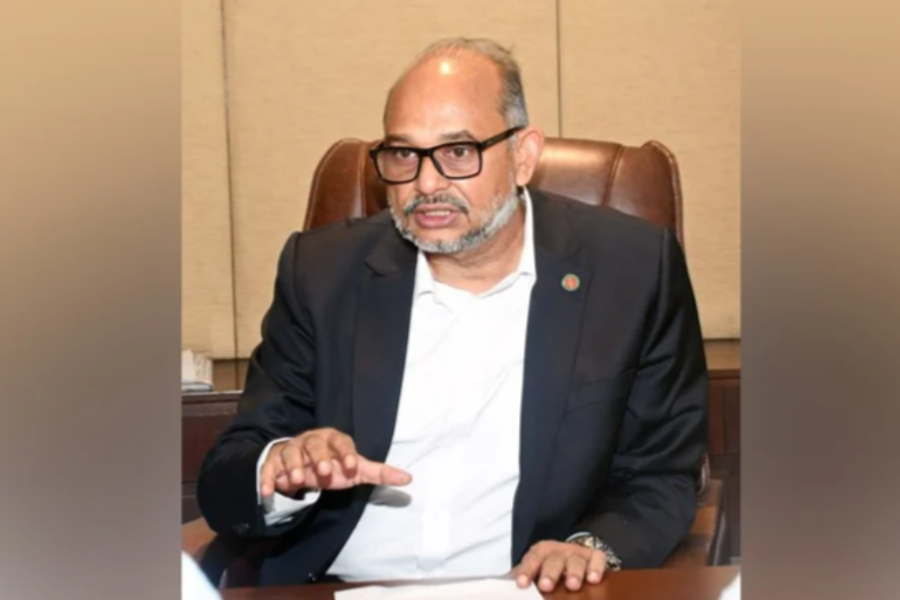
Speaking to journalists on the sidelines of the IMF-World Bank annual meetings here, Prof Titumir said discussions with the International Monetary Fund (IMF), the World Bank, US Treasury and other development partners established a broad consensus on the country's economic challenges and the government recovery strategy.

"Negotiations are progressing, and we expect these financing commitments to be finalised within the next two to three months," he said.

The government is seeking to address a fragile economic situation while containing inflation, restoring confidence in the banking sector and protecting vulnerable households from rising living costs. The Middle East conflict has added to the pressure by pushing up energy prices and increasing transport costs, the adviser said.

He said international partners considered the government's reform agenda realistic and expressed confidence in its approach to economic recovery.

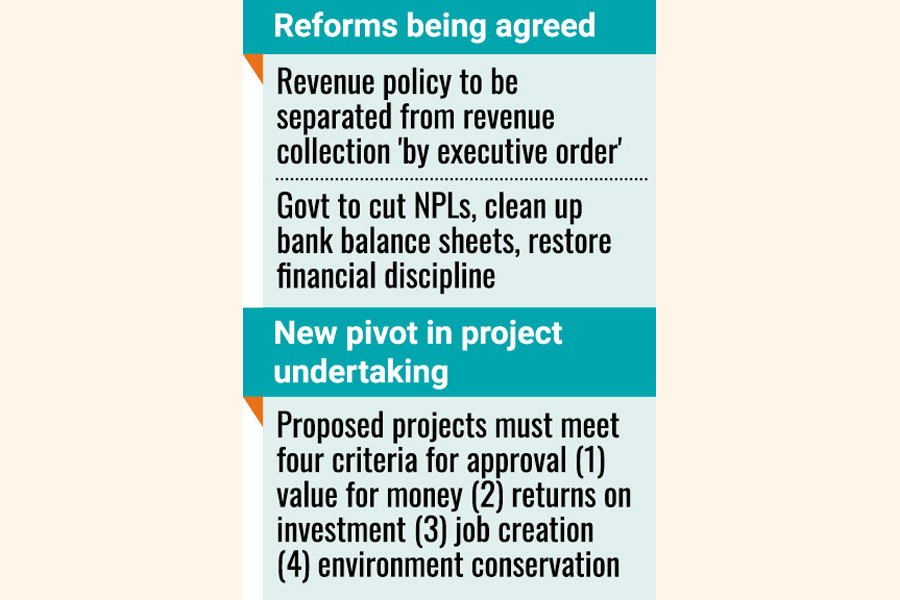
The government will move swiftly to separate revenue policy from revenue collection under a reform of the National Board of Revenue (NBR), Mr Titumir said.

A committee formed after the government took office has submitted its report, and the separation will be implemented by an executive order, he added.

The reform is intended to improve transparency, reduce harassment of taxpayers and raise the tax-to-GDP ratio. The government is also pursuing the digitisation of tax administration to strengthen compliance and revenue collection.

The IMF has previously identified revenue mobilisation as a central element of Bangladesh's fiscal reforms. Its January 2026 assessment noted that the country's Medium- and Long-Term Revenue Strategy aimed to raise the tax-to-GDP ratio to 10.5 per cent by fiscal year 2034-35. The Fund also referred to the separation of revenue policy and management functions under the revenue-reform framework.

On banking, Mr Titumir said the government has a clear plan to reduce non-performing loans, clean up bank balance sheets and restore financial discipline.

He said depositors in the consolidated Islamic banking institutions were now able to access their funds, helping rebuild confidence after the government moved away from proposed reductions in depositors' claims.

The adviser also referred to the damages accumulated in the banking sector, saying that Bangladesh Bank had previously estimated that about $40 billion would be needed to address the problems.

Responding to questions about central bank independence, Mr Titumir said Bangladesh Bank is exercising greater autonomy while monetary and fiscal policies were being coordinated to support economic recovery.

He cited a Tk 60-billion financing package carrying negative interest rates, intended to stimulate investment and help reopen closed factories.

The government wants to increase credit flows to the private sector while restoring stability in financial institutions.

Mr Titumir said the government has also developed a strategy to address poverty through targeted social protection, employment generation and support for farmers and vulnerable households.

He cited a World Bank assessment indicating that nearly eight million people had fallen below the poverty line amid prolonged inflation. The government expected its expanded safety-net programmes to help reverse that trend.

He said discussions with the International Islamic Trade Finance Corporation had taken place and that existing financing facilities remained operational. The World Bank, the Asian Development Bank and the Islamic Development Bank also provided support to the energy sector.

Mr Titumir said development partners backed the government's domestic reform agenda without imposing externally dictated measures, arguing that the political leadership has taken ownership of its reform programme.

The discussions in Bangkok have taken place as the IMF and World Bank hold their annual meetings on October 12-18 discussing economic stability, growth and financing challenges across the world.

The adviser said the government would continue negotiations with multilateral and bilateral partners to secure the resources needed to implement its recovery strategy.

Meanwhile, Bangladesh proposed synchronising government and World Bank approvals for projects and fund disbursements to reduce administrative delays and quicken implementation to generate targeted jobs.

Finance Minister Amir Khosru Mahmud Chowdhury made the proposal at 'Ministerial Roundtable on Accelerating Implementation for More and Better Jobs', organised by the World Bank at the Queen Sirikit National Convention Centre in the Thai capital on Wednesday.

He said delays between approvals by the government and the World Bank often slow project execution so it is necessary to align the two processes and ensure funds are disbursed without avoidable delays.

"In our conversation with Anna and the Bank Group, we have discussed to start with: the approval of the World Bank and this government should be synchronised so it happens at the same time, because the approval on both sides sometimes (causes delay), and I think the same should be followed with the disbursement for the projects," he said.

The minister mentioned that Bangladesh had set a target of creating 10 million jobs that makes timely project implementation essential to achieve the goal.

To strengthen oversight, the government plans to introduce a centralised digital dashboard from the beginning of project implementation, with daily monitoring of progress through indicators highlighting potential delays and implementation problems.

The Ministry of Finance, the Prime Minister's Office and the relevant line ministry will monitor the projects.

The government will also assess projects after completion to determine whether they have delivered their intended results.

Khosru said proposed projects would have to meet four criteria before receiving approval: value for money, returns on investment, job creation and environmental considerations.

The measures are intended to ensure that development financing translates into tangible economic benefits, particularly employment opportunities.

World Bank President Ajay Banga told the roundtable that faster project delivery is critical as developing countries face mounting pressure to create jobs for a growing working-age population.

"Development delayed is development denied," he said, urging governments and development institutions to spend less time discussing plans and more time delivering results on the ground.

Banga said the World Bank and borrowing countries should work together to reduce project-implementation timelines by one-third over the next three years.

He stressed that faster approvals by the Bank alone would not be sufficient unless governments also addressed domestic obstacles, including procurement delays, land acquisition and coordination among public agencies.​
 

A fresh blow to remittance earning and economy


1792018575543.webp


Saudi Arabia's pre-eminence as a host to unskilled workers from Bangladesh and a source of crude oil for the latter respectively has remained unchallenged. But the latest missile attacks by the Houthis threaten not only the initiatives taken by crown prince Mohammed bin Salman to transform Saudi Arabia from an insular oil-dependent one to a global hub of business and tourism but also the largest source of remittance and crude oil. Bangladeshi migrant workers in Saudi Arabia sent remittance to the tune of US$5.85 billion last year. Even in the first quarter of the fiscal year 2026-27, the remittance received from approximately 3.5 million migrants working there totalled $1.95 billion. In September alone, Saudi Arabia issued clearances for 32,915 more Bangladeshi workers. Bangladesh imports roughly 35 per cent of its total crude oil from this single source---more than any other source.

Now the repeated missile attacks on Saudi Arabia by the Iran-supported Houthis have both immediate and long-term impacts. More than 100 flights were disrupted by Wednesday last following the latest attack. In the first attack on King Khalid International Airport near Riyadh, 13 people including two Bangladesh nationals were killed and about 300 others were wounded. This has forced cancellation of flights to King Khalid International Airport. It was followed by another attack on King Fahd International Airport in Dammam the next day in which one person was killed and a dozen were left injured. The tangible damage and destruction at the two airports can be repaired or reconstructed but the intangible havoc wreaked reaches far beyond the periphery of airports. Apprehension deepens with every attack with its snowballing impacts causing economic losses to the airports and airlines using those.

However, the disruption is far greater to the crown prince's all-round energetic effort and lively work programme for socio-economic transformation. This again is related to the fate of the migrant workers including those from Bangladesh already employed there and the fresh recruits waiting for their travel to that country to report to their employers. Some have missed the deadline for reporting and more will do so if the Houthis continue to send a barrage of missiles aimed at airports and other important infrastructure in Saudi Arabia. Of the several daunting challenges Bangladesh is encountering right now, this one, like a few others, has its origin in conflicts far away from its geographical boundary.

Bangladesh is not powerful enough to tide over the critical situation. With their roots in Yemen, where clashes of interests of not only Middle East countries but also of big powers have prolonged, the Houthis have become an important pressure group controlling shipping and trade routes. In fact, they are a creation of the power games played by big powers. Diplomacy has long failed to bring peace in Yemen and the US-Israeli joint attacks on Iran have made it more intractable. US President Donald Trump, who played into Israeli Prime Minister Benjamin Netanyahu's hands to attack Iran can bring an end to the crisis if he can reach an workable tripartite peace accord with Iran and Israel. Foreign Affairs State Minister Shama Obaid Islam indicated her government's effort to find new destinations for Bangladeshi workers. That cannot happen overnight. Countries affected by restrictions on flights in Saudi Arabia may jointly try to persuade Trump to resolve the ME conflicts in the interest of freeing the Strait of Hormuz, allowing smooth energy and commodity supply.​
 

Development partners confident in govt's economic recovery strategy: Titumir


1792019311634.webp


Prime Minister's Adviser on Finance and Planning Prof Dr Rashed Al Mahmud Titumir on Wednesday said international development partners have expressed confidence in the government's strategy to revive Bangladesh's fragile economy inherited from the previous administration.

"Discussions with the World Bank, IMF, US Treasury Department and other multilateral development institutions had reflected a shared understanding of the country's economic challenges and the government's approach to addressing them," he said.

The adviser made the remarks while speaking to journalists on the sidelines of the annual meetings of the International Monetary Fund (IMF) and the World Bank Group in Thailand, reports BSS.

Titumir said the discussions had established a consensus on three key issues: the government had inherited a fragile economy and was addressing its weaknesses through transparency and accountability; it was pursuing measures to tackle fresh inflationary pressures stemming from the Middle East crisis; and its programmes for economic recovery, banking sector reform and poverty reduction were considered realistic by international partners.

"We are addressing the problems with transparency and accountability instead of sweeping them under the carpet. We have our own strategy, and international partners have developed confidence in that strategy," he said.

The adviser said the government was holding discussions with the World Bank, IMF, Asian Development Bank (ADB), Islamic Development Bank, China Exim Bank and various US assistance agencies to secure financing for its reform programmes.

He expressed hope that progress on the required financing would be made through negotiations over the next two to three months.

Titumir said protecting ordinary people from inflationary pressure remained a major government priority alongside economic recovery.

Higher fuel prices amid the Middle East crisis could raise transportation and production costs, eventually affecting the prices of essential commodities, he said.

The government had taken various measures to contain inflationary pressures and ease the cost-of-living burden on low-income people, he added.

He said the Family Card and Farmers Card programmes announced by the Prime Minister had received appreciation from international partners.

These initiatives would help support families and farmers affected by rising prices and reduce the risk of further deterioration in poverty, he added.

The government aimed to ensure that the burden of external economic shocks did not fall entirely on ordinary people, he said.

Titumir added that economic recovery involved not only managing immediate crises but also creating jobs, increasing investment, strengthening banks' financial positions and achieving long-term growth.

The adviser said a major objective of the government's reform programme was to increase the tax-to-GDP ratio without raising tax rates.

He attributed the country's tax-to-GDP ratio of below seven percent to weaknesses in tax administration, including patronage and oligarchic practices under the previous administration.

The government was working to make the tax system more transparent, taxpayer-friendly and technology-driven, he said, adding that digital transformation was under way across different levels of tax administration.

Expanding the tax net, preventing tax evasion and ensuring administrative transparency would help increase revenue without raising tax rates, he said.

Regarding the separation of tax policy formulation from revenue collection, Titumir said a committee formed to examine the issue had already submitted its report.

The government had agreed in principle to the reform and was moving towards implementing it through an executive order, he added.

Titumir said the government had specific plans to restore discipline in the banking sector, reduce non-performing loans and strengthen banks' balance sheets.

Time-bound measures were being taken to rebuild the financial foundations of banks weakened by past irregularities, he said.

Customers of Sammilito Islami Bank had started receiving their money back, while the government had also taken steps to ease potential financial pressure on depositors.

The initiatives were aimed at restoring confidence in the banking sector, he said, adding that international partners had expressed confidence in the government's strategy and timeline for the reforms.

On monetary policy and central bank independence, Titumir said the government was emphasising coordination between fiscal and monetary policies without directly interfering in the Bangladesh Bank's operations.

He said creating an environment conducive to higher investment and production was as important as controlling inflation.

The government had outlined a special financing package of around Tk 60,000 crore to help restart closed factories and increase credit flows to the private sector, he said.

The package was expected to boost investment, revive productive activities and create employment opportunities.

Titumir said Bangladesh Bank was working to restore stability in the banking sector through its own strategies and institutional mechanisms.

Maintaining the central bank's independence while coordinating economic policies would be important for rebuilding confidence in the financial sector and increasing the flow of funds to private investment, he added.

The adviser said the government's reform agenda had been designed in line with Bangladesh's own needs and political commitments rather than being imposed from outside.

The reform outlines covering taxation, banking, investment and economic governance had been included in the government's election manifesto, he said.

"We want the ownership of reforms to remain with our political authorities. Reforms are not something to be imposed from outside; we have developed our own strategy based on the needs of the country," he said.

He added that the government's five-year economic strategy and reform plans reflected this approach.

Political commitment, identification of structural weaknesses and implementation of reforms within specific timelines had helped build confidence among international partners, he said.

Titumir said the ongoing Middle East crisis had created additional pressure on Bangladesh's economy, particularly through higher fuel prices and their potential impact on transportation, production and essential commodity prices.

Financing programmes from the World Bank, ADB and Islamic Development Bank were helping address pressures in the energy sector, and discussions were underway to maintain the support and increase financing where necessary, he said.

Referring to a recent World Bank report, the adviser said around 8 million people had fallen below the poverty line amid inflationary pressure.

He said social protection, job creation and greater investment in productive sectors could help reverse the situation.

Employment generation and social safety-net programmes had played important roles in reducing poverty in Bangladesh in the past, he said, adding that the government wanted to advance job creation and social protection simultaneously.

Titumir said discussions with representatives of the US Treasury Department had also covered Bangladesh's inherited economic weaknesses and the impact of recent external shocks.

Representatives of the World Bank, treasury departments of different countries and multilateral institutions had acknowledged the role of previous economic weaknesses and the international situation in shaping the current challenges, he said.

The government would continue negotiations with development partners and other institutions to secure the financing needed to implement its recovery and reform programmes.

He expressed confidence that the ongoing discussions would make progress over the next two to three months, helping advance economic recovery, structural reforms, investment and social protection programmes.​
 

Khosru hopeful of attaining 6.5pc growth

Govt submits detailed partnership framework to World Bank

1792020099832.webp


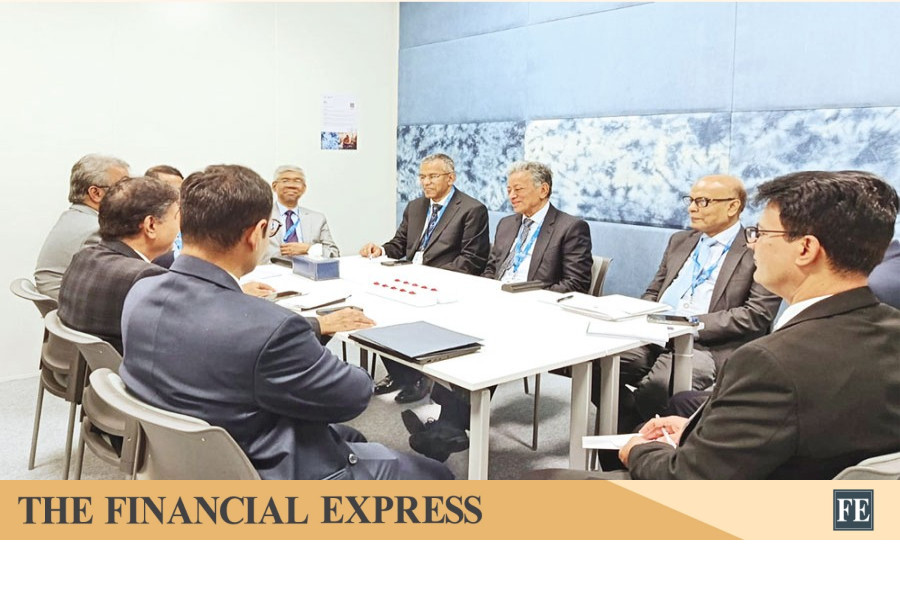
Finance Minister Amir Khosru Mahmud Chowdhury has met an IMF team on the sidelines of the IMF and World Bank Group annual meetings in Bangkok. — FE photo

Bangladesh would finally achieve the government-set 6.5-percent GDP growth notwithstanding a sharply lower forecast by the International Monetary Fund (IMF), Finance Minister Amir Khosru Mahmud Chowdhury has expressed the optimism.

He said the country would assess its economic performance at the end of the fiscal year rather than debate growth projections.

"We do not want to debate anyone's projections. We are carrying on with our work, and the results will be seen at the end of the fiscal year. We remain hopeful of achieving the growth target set in our budget," he told journalists on the sidelines of the IMF-World Bank Annual Meetings in the Thai capital.

The IMF Tuesday projected Bangladesh's gross domestic product (GDP) growth at 3.2 per cent in FY2026-27, less than half the government target.

Meanwhile, the government is pursuing fresh financial support from the World Bank and the IMF to help cushion the economy against mounting external pressures, particularly the impact of the conflict in the Middle East on energy costs.

About his latest engagement with the World Bank as part of an ongoing dialogue, Mr Chowdhury said discussions with the lender were progressing as expected.

"Everything is moving on track. We spoke with the World Bank's vice-president yesterday and held discussions with its managing director for operations today."

The minister said the World Bank understood the economic challenges facing the new government, including the liabilities inherited from previous administrations and the additional pressure created by the ongoing war.

"They want to support us. They understand the circumstances in which the new government took charge, the economic difficulties we inherited and the liabilities left by previous governments.

"They also understand the pressure the ongoing war is putting on the economy, and they are prepared to support us in addressing these challenges," he told the press. Mr Chowdhury said the World Bank was aligned with the government's economic programmes and policy priorities for the short, medium and long terms.

"The World Bank is aligned with our programmes and policies," he said, adding that the discussions would lay the groundwork for continued cooperation.

Asked whether the government was seeking an additional $10 billion in assistance, the finance minister said no concrete decision had emerged from the meetings.

"These meetings are part of a series of discussions that will continue over the next few months. The World Bank's team will then visit Bangladesh, and a final decision will come thereafter."

He said the current discussions were intended to establish the basis for future cooperation rather than produce an immediate financing commitment.

"These discussions will establish the foundation for what we plan to do in the future," he added.

The minister also disclosed that Bangladesh submitted a detailed partnership framework to the World Bank, describing it as an unprecedented step in the country's engagement with the lender.

"This has never happened before, and we are now discussing the agenda outlined in that framework," he said.

The discussions come as Bangladesh seeks external financing to manage economic vulnerabilities, including higher energy import costs, inflationary pressure and strains on public finances.

The government is looking to multilateral development partners to help sustain its economic programme amid heightened geopolitical uncertainty.

Bangladesh entered a $4.7-billion IMF loan programme in January 2023 under the previous Awami League government. The package was subsequently increased to $5.5 billion during the interim administration.

The BNP-led government decided in May this year to exit the programme eight months before its scheduled expiry and later applied for a fresh financing arrangement, according to a June-3 statement by Ivo Krznar, the IMF's mission chief for Bangladesh.

Bangladesh has so far received $3.8 billion in five instalments under the original $4.7-billion package.

The government's pursuit of fresh support from multilateral lenders has gained importance as the conflict in the Middle East threatens to increase energy costs and complicate efforts to stabilise the economy and achieve its growth target.​
 

Latest Posts

Back