 Bangladesh Defense

Saif
Senior Member
- Joined
- Jan 24, 2024
- Messages
- 22,135
- Likes
- 9,868
- Nation

- Residence
- Axis Group


What happened to Bangladesh’s growth story?
For almost a decade, Bangladesh was celebrated as an economic success story. BBS reported growth of 8.15 percent in FY2018-19, and international institutions praised the country’s performance.
What happened to Bangladesh’s growth story?
Mamun Rashid
For almost a decade, Bangladesh was celebrated as an economic success story. BBS reported growth of 8.15 percent in FY2018-19, and international institutions praised the country’s performance. Yet private investment stagnated, productivity remained weak, banks were vulnerable and educated young people struggled to find jobs.
BBS’s provisional estimate puts growth at 4.14 percent in FY2025-26, while the World Bank projects 3.4 percent in FY2026-27. The message is clear: growth momentum has weakened. This is not a sudden collapse. The slowdown reflects structural weaknesses accumulated over many years, often obscured by impressive headline figures. Bangladesh’s national accounts have faced questions over data quality. Although BBS rebased its GDP series to 2015-16, measuring informal activity remains difficult. Informal employment accounts for 84 percent of total employment. Previous growth figures may not have reflected conditions experienced by businesses, workers and households. Statistical reform is essential.
Ready-made garments and remittances have driven Bangladesh’s progress. The garment industry created millions of jobs, but exports remain concentrated in low-value products. Competitors have moved into design, technology and higher-value manufacturing, while Bangladesh has struggled to climb the value chain. Rising costs and changing trade policies add pressure. Bangladesh received a record $35.56 billion in FY2025-26, but has few channels to turn diaspora savings into productive investment. During the foreign exchange crisis in November 2024, reserves under the IMF’s BPM6 methodology fell to about $18.6 billion, exposing the risks of import dependence and limited export diversification.
Banking weaknesses remain a constraint. Politically influenced lending, poor governance and weak loan recovery have undermined banks. The World Bank reported that non-performing loans reached 33.2 percent of banking sector loans in June 2026. Private sector credit growth fell to 4.17 percent in September 2026, its lowest in over three decades. With inflation above 8 percent, real credit growth has turned negative. Entrepreneurs face high borrowing costs, while viable firms struggle to secure working capital. Cleaning balance sheets, strengthening supervision and holding wilful defaulters accountable are essential.
Three areas need attention. Government revenue was 8.3 percent of GDP in FY2025-26, limiting spending on education, healthcare and infrastructure. A broader tax base and better compliance are vital. Gas shortages, transmission constraints, high costs and port inefficiencies undermine investment. Youth unemployment reflects a mismatch between graduates’ qualifications and employers’ needs. Technical training and stronger industry-academia links are essential.
Bangladesh must restore institutional credibility, strengthen BBS and ensure Bangladesh Bank can supervise financial institutions without political interference. Rebuilding the investment environment is important. Raising private investment from 22.48 percent of GDP in FY2024-25 towards 30 percent over the medium term requires predictable regulation, enforceable contracts, reliable energy, efficient logistics and access to finance on commercial terms. Export diversification, technology adoption and productivity must become development priorities.
Bangladesh has a young population, an entrepreneurial community, a hardworking diaspora and a manufacturing base. But potential alone cannot generate prosperity. Sound institutions, productive investment and quality jobs are essential. The question is whether Bangladesh can build an economy driven by productivity, competitiveness and institutional strength rather than headline numbers. It needs not simply to regain its previous growth rate, but to create better-quality growth, more jobs and wider opportunities.
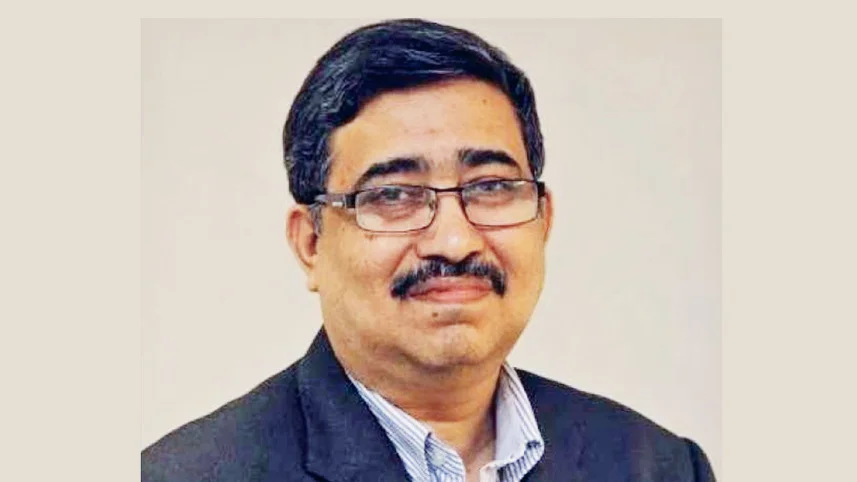
The writer is an economic analyst and founding managing partner of PwC Bangladesh
Mamun Rashid
For almost a decade, Bangladesh was celebrated as an economic success story. BBS reported growth of 8.15 percent in FY2018-19, and international institutions praised the country’s performance. Yet private investment stagnated, productivity remained weak, banks were vulnerable and educated young people struggled to find jobs.
BBS’s provisional estimate puts growth at 4.14 percent in FY2025-26, while the World Bank projects 3.4 percent in FY2026-27. The message is clear: growth momentum has weakened. This is not a sudden collapse. The slowdown reflects structural weaknesses accumulated over many years, often obscured by impressive headline figures. Bangladesh’s national accounts have faced questions over data quality. Although BBS rebased its GDP series to 2015-16, measuring informal activity remains difficult. Informal employment accounts for 84 percent of total employment. Previous growth figures may not have reflected conditions experienced by businesses, workers and households. Statistical reform is essential.
Ready-made garments and remittances have driven Bangladesh’s progress. The garment industry created millions of jobs, but exports remain concentrated in low-value products. Competitors have moved into design, technology and higher-value manufacturing, while Bangladesh has struggled to climb the value chain. Rising costs and changing trade policies add pressure. Bangladesh received a record $35.56 billion in FY2025-26, but has few channels to turn diaspora savings into productive investment. During the foreign exchange crisis in November 2024, reserves under the IMF’s BPM6 methodology fell to about $18.6 billion, exposing the risks of import dependence and limited export diversification.
Banking weaknesses remain a constraint. Politically influenced lending, poor governance and weak loan recovery have undermined banks. The World Bank reported that non-performing loans reached 33.2 percent of banking sector loans in June 2026. Private sector credit growth fell to 4.17 percent in September 2026, its lowest in over three decades. With inflation above 8 percent, real credit growth has turned negative. Entrepreneurs face high borrowing costs, while viable firms struggle to secure working capital. Cleaning balance sheets, strengthening supervision and holding wilful defaulters accountable are essential.
Three areas need attention. Government revenue was 8.3 percent of GDP in FY2025-26, limiting spending on education, healthcare and infrastructure. A broader tax base and better compliance are vital. Gas shortages, transmission constraints, high costs and port inefficiencies undermine investment. Youth unemployment reflects a mismatch between graduates’ qualifications and employers’ needs. Technical training and stronger industry-academia links are essential.
Bangladesh must restore institutional credibility, strengthen BBS and ensure Bangladesh Bank can supervise financial institutions without political interference. Rebuilding the investment environment is important. Raising private investment from 22.48 percent of GDP in FY2024-25 towards 30 percent over the medium term requires predictable regulation, enforceable contracts, reliable energy, efficient logistics and access to finance on commercial terms. Export diversification, technology adoption and productivity must become development priorities.
Bangladesh has a young population, an entrepreneurial community, a hardworking diaspora and a manufacturing base. But potential alone cannot generate prosperity. Sound institutions, productive investment and quality jobs are essential. The question is whether Bangladesh can build an economy driven by productivity, competitiveness and institutional strength rather than headline numbers. It needs not simply to regain its previous growth rate, but to create better-quality growth, more jobs and wider opportunities.
The writer is an economic analyst and founding managing partner of PwC Bangladesh
