Bangladesh Defense
Saif
Senior Member
- Messages
- 20,878
- Likes
- 9,685
- Nation

- Residence
- Axis Group


Economics of biodiversity
BANGLADESH seldom frames biodiversity in economic terms, yet its rivers, wetlands, forests and coastal ecosystems sustain livelihoods on a vast scale every day. From the Sundarbans shielding coastal districts against cyclones to the haor basins supporting fisheries and agriculture, biodiversity...
 www.newagebd.net
Economics of biodiversity
New Age
BANGLADESH seldom frames biodiversity in economic terms, yet its rivers, wetlands, forests and coastal ecosystems sustain livelihoods on a vast scale every day. From the Sundarbans shielding coastal districts against cyclones to the haor basins supporting fisheries and agriculture, biodiversity is not simply an environmental concern; it is a foundational pillar of the national economy. As climate shocks intensify and urban expansion accelerates, a difficult reality is becoming clearer: ecosystem degradation is also economic loss, with direct consequences for food security, employment, public health and long-term resilience.
The country’s natural wealth remains significant despite sustained ecological pressure. Bangladesh contains the world’s largest mangrove forest, extensive wetland systems, rich marine habitats and a wide diversity of fish, bird and wildlife species. According to the Food and Agriculture Organization’s forest assessments, forests and tree cover account for around 17.5 per cent of national land area. Wetlands, meanwhile, underpin fisheries, agriculture, inland transport and water regulation across much of the country. Yet these contributions remain largely absent from conventional economic accounting, where natural systems are often valued only after degradation or conversion to commercial land use.Health & Wellness
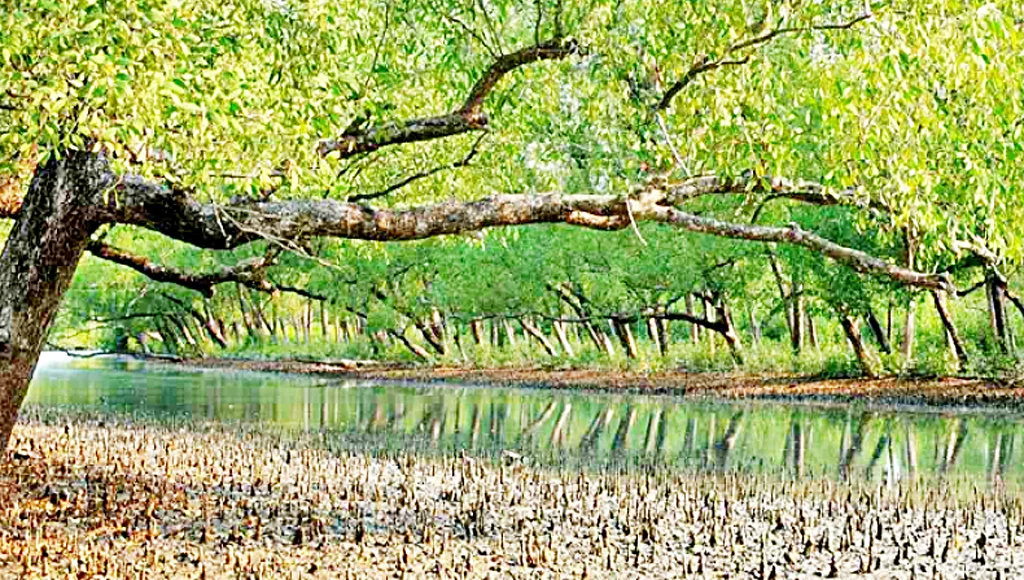
The Sundarbans illustrates this gap between ecological value and economic recognition. Beyond its biodiversity significance, it supports fisheries, honey collection, timber-based livelihoods under regulated systems and a growing tourism sector, while also sustaining coastal economies across southern Bangladesh. International assessments indicate that the forest plays a critical protective role for approximately 4.5 million coastal residents by reducing the impact of cyclones, storm surges and coastal erosion. Recent cyclone events have reinforced how intact ecosystems can reduce disaster severity by weakening storm forces before landfall. Substituting these functions with engineered infrastructure alone would require substantial public investment, particularly for a climate-vulnerable economy already facing rising adaptation costs.Bangladeshi Culture Course
The fisheries sector further demonstrates how deeply biodiversity is embedded in economic life. Inland rivers, wetlands and floodplains remain central to national fish production and rural livelihoods. According to the Department of Fisheries, Bangladesh produced more than 3.57 million metric tons of inland fish in 2023–24, with over 12 million people directly or indirectly dependent on fisheries and aquatic ecosystems. Fish also accounts for roughly 35 per cent of national animal protein intake. The degradation of rivers, wetlands and breeding grounds therefore represents not only an environmental concern, but also a direct threat to nutrition, employment stability and rural economic security.
Recent global studies have strengthened the economic argument for conservation. Ecosystem valuation research suggests that Bangladesh’s ecosystem services generate between US$7.5 billion and US$10 billion annually through fisheries, flood regulation, agricultural support, tourism and climate resilience functions. Nature-based solutions, including mangrove restoration and wetland conservation, are increasingly recognised as cost-effective investments within international climate finance frameworks. Environmental economics literature also indicates that every dollar invested in ecosystem-based disaster risk reduction can save between four and seven dollars in post-disaster recovery costs. For Bangladesh, where climate-related disasters impose recurring fiscal pressure, biodiversity is increasingly best understood as economic infrastructure rather than a peripheral conservation issue.
Despite this, biodiversity loss continues at an alarming pace. Wetlands are shrinking under urban expansion and land conversion, rivers are heavily polluted by untreated industrial discharge and forest ecosystems face ongoing encroachment. Environmental monitoring indicates that more than 70 rivers around Dhaka are under severe pollution stress linked to industrial and municipal waste. These ecological pressures already carry measurable economic consequences. Declining fish stocks reduce rural incomes, soil degradation undermines agricultural productivity and the loss of natural floodplains exacerbates urban flooding and waterlogging. These costs rarely appear in national accounts, yet they are borne daily by communities dependent on natural systems.
At the policy level, however, there are early signs of a shift in how natural resources are understood. The Bangladesh Bureau of Statistics has begun advancing ecosystem accounting under the United Nations’ System of Environmental-Economic Accounting framework, which seeks to integrate the value of forests, wetlands and ecosystem services into national planning. This represents an important conceptual transition: moving away from the assumption that economic growth and environmental protection are inherently in conflict. Instead, biodiversity is increasingly being recognised as a form of natural capital—an asset base that generates long-term economic returns while strengthening climate resilience.
Alongside this shift, new economic opportunities linked to biodiversity are emerging. Ecotourism in the Sundarbans and hill districts, sustainable fisheries development, blue economy initiatives and carbon financing mechanisms are gradually gaining policy attention. International climate finance is also increasingly directed towards mangrove restoration, wetland conservation and nature-based adaptation projects in highly vulnerable countries such as Bangladesh. Global economic assessments suggest that more than half of global GDP is moderately or highly dependent on ecosystem services, underscoring the scale of economic exposure to environmental decline. For Bangladesh, where agriculture, fisheries and climate-sensitive livelihoods remain dominant, biodiversity loss is therefore not only an environmental challenge but a macroeconomic risk.
Ultimately, the economics of biodiversity compels a rethinking of development itself. A forest is not merely timber, a wetland is not vacant land awaiting conversion and a river is not simply a drainage channel for industrial waste. These systems generate employment, stabilise agriculture, reduce disaster losses and support social and economic continuity across the country. When their value is ignored, economic growth may appear to advance in the short term, but it does so by eroding the very foundations on which long-term prosperity depends. Bangladesh’s future resilience will rest not only on industrial expansion, infrastructure development and export growth, but also on whether its natural systems are preserved, restored and integrated into economic planning as essential national assets.
Dr Makhan Lal Dutta is an irrigation engineer and CEO of Harvesting Knowledge Consultancy.
New Age
BANGLADESH seldom frames biodiversity in economic terms, yet its rivers, wetlands, forests and coastal ecosystems sustain livelihoods on a vast scale every day. From the Sundarbans shielding coastal districts against cyclones to the haor basins supporting fisheries and agriculture, biodiversity is not simply an environmental concern; it is a foundational pillar of the national economy. As climate shocks intensify and urban expansion accelerates, a difficult reality is becoming clearer: ecosystem degradation is also economic loss, with direct consequences for food security, employment, public health and long-term resilience.
The country’s natural wealth remains significant despite sustained ecological pressure. Bangladesh contains the world’s largest mangrove forest, extensive wetland systems, rich marine habitats and a wide diversity of fish, bird and wildlife species. According to the Food and Agriculture Organization’s forest assessments, forests and tree cover account for around 17.5 per cent of national land area. Wetlands, meanwhile, underpin fisheries, agriculture, inland transport and water regulation across much of the country. Yet these contributions remain largely absent from conventional economic accounting, where natural systems are often valued only after degradation or conversion to commercial land use.Health & Wellness
The Sundarbans illustrates this gap between ecological value and economic recognition. Beyond its biodiversity significance, it supports fisheries, honey collection, timber-based livelihoods under regulated systems and a growing tourism sector, while also sustaining coastal economies across southern Bangladesh. International assessments indicate that the forest plays a critical protective role for approximately 4.5 million coastal residents by reducing the impact of cyclones, storm surges and coastal erosion. Recent cyclone events have reinforced how intact ecosystems can reduce disaster severity by weakening storm forces before landfall. Substituting these functions with engineered infrastructure alone would require substantial public investment, particularly for a climate-vulnerable economy already facing rising adaptation costs.Bangladeshi Culture Course
The fisheries sector further demonstrates how deeply biodiversity is embedded in economic life. Inland rivers, wetlands and floodplains remain central to national fish production and rural livelihoods. According to the Department of Fisheries, Bangladesh produced more than 3.57 million metric tons of inland fish in 2023–24, with over 12 million people directly or indirectly dependent on fisheries and aquatic ecosystems. Fish also accounts for roughly 35 per cent of national animal protein intake. The degradation of rivers, wetlands and breeding grounds therefore represents not only an environmental concern, but also a direct threat to nutrition, employment stability and rural economic security.
Recent global studies have strengthened the economic argument for conservation. Ecosystem valuation research suggests that Bangladesh’s ecosystem services generate between US$7.5 billion and US$10 billion annually through fisheries, flood regulation, agricultural support, tourism and climate resilience functions. Nature-based solutions, including mangrove restoration and wetland conservation, are increasingly recognised as cost-effective investments within international climate finance frameworks. Environmental economics literature also indicates that every dollar invested in ecosystem-based disaster risk reduction can save between four and seven dollars in post-disaster recovery costs. For Bangladesh, where climate-related disasters impose recurring fiscal pressure, biodiversity is increasingly best understood as economic infrastructure rather than a peripheral conservation issue.
Despite this, biodiversity loss continues at an alarming pace. Wetlands are shrinking under urban expansion and land conversion, rivers are heavily polluted by untreated industrial discharge and forest ecosystems face ongoing encroachment. Environmental monitoring indicates that more than 70 rivers around Dhaka are under severe pollution stress linked to industrial and municipal waste. These ecological pressures already carry measurable economic consequences. Declining fish stocks reduce rural incomes, soil degradation undermines agricultural productivity and the loss of natural floodplains exacerbates urban flooding and waterlogging. These costs rarely appear in national accounts, yet they are borne daily by communities dependent on natural systems.
At the policy level, however, there are early signs of a shift in how natural resources are understood. The Bangladesh Bureau of Statistics has begun advancing ecosystem accounting under the United Nations’ System of Environmental-Economic Accounting framework, which seeks to integrate the value of forests, wetlands and ecosystem services into national planning. This represents an important conceptual transition: moving away from the assumption that economic growth and environmental protection are inherently in conflict. Instead, biodiversity is increasingly being recognised as a form of natural capital—an asset base that generates long-term economic returns while strengthening climate resilience.
Alongside this shift, new economic opportunities linked to biodiversity are emerging. Ecotourism in the Sundarbans and hill districts, sustainable fisheries development, blue economy initiatives and carbon financing mechanisms are gradually gaining policy attention. International climate finance is also increasingly directed towards mangrove restoration, wetland conservation and nature-based adaptation projects in highly vulnerable countries such as Bangladesh. Global economic assessments suggest that more than half of global GDP is moderately or highly dependent on ecosystem services, underscoring the scale of economic exposure to environmental decline. For Bangladesh, where agriculture, fisheries and climate-sensitive livelihoods remain dominant, biodiversity loss is therefore not only an environmental challenge but a macroeconomic risk.
Ultimately, the economics of biodiversity compels a rethinking of development itself. A forest is not merely timber, a wetland is not vacant land awaiting conversion and a river is not simply a drainage channel for industrial waste. These systems generate employment, stabilise agriculture, reduce disaster losses and support social and economic continuity across the country. When their value is ignored, economic growth may appear to advance in the short term, but it does so by eroding the very foundations on which long-term prosperity depends. Bangladesh’s future resilience will rest not only on industrial expansion, infrastructure development and export growth, but also on whether its natural systems are preserved, restored and integrated into economic planning as essential national assets.
Dr Makhan Lal Dutta is an irrigation engineer and CEO of Harvesting Knowledge Consultancy.