[🇧🇩] Save the Rivers/Forests/Hills-----Save the Environment

Afghanistan Albania Algeria Andorra Angola Antigua Austria Azerbaijan Bahamas Bahrain Bangladesh Barbados Canada China Egypt Finland Germany India Iran Israel Japan Lebanon North Macedonia Pakistan Palestine Qatar Russia Syria Turkey Ukraine United Kingdom United States Yemen
[🇧🇩] Save the Rivers/Forests/Hills-----Save the Environment
587
19K
More threads by Saif

G Bangladesh Defense

Bangladesh accedes to 3 international maritime conventions

UNB

Published :
Jul 06, 2026 23:30
Updated :
Jul 06, 2026 23:30
1783389367986.webp


Bangladesh has marked a significant milestone in strengthening maritime governance and environmental protection by acceding to three key international maritime liability conventions, reinforcing its commitment to safe shipping, sustainable maritime trade, and the protection of coastal communities and the marine environment.

The Three Conventions acceded by Bangladesh are International Convention on Civil Liability for Oil Pollution Damage (CLC), 1969 as amended by the 1992 Protocol, International Convention on Civil Liability for Bunker Oil Pollution Damage, 2001 (Bunker Convention) and Nairobi International Convention on the Removal of Wrecks, 2007 (Wreck Removal Convention)

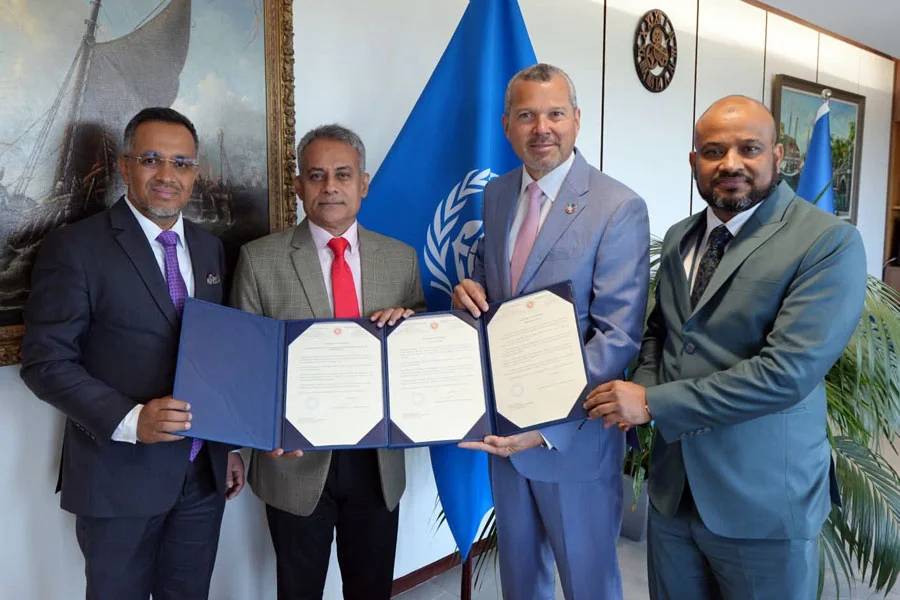
Road Transport and Bridges, Railways and Shipping Minister Shaikh Rabiul Alam on Monday formally handed over the instruments of accession to Secretary-General of the International Maritime Organization (IMO) Arsenio Dominguez at IMO Headquarters in London.

The Minister was accompanied by Dr. M. Nazrul Islam, Acting High Commissioner of Bangladesh to the UK, and Commodore Md Shafiul Bari, Director General of the Department of Shipping, Bangladesh.

This landmark achievement aligns Bangladesh with internationally accepted maritime standards, enhances protection against marine pollution and shipwreck-related risks, and further establishes the country as a responsible and trusted maritime nation, said the Bangladesh High Commission in London.​
 

Climate change loss in Bangladesh

Shahiduzzaman

Published :
Jul 05, 2026 00:23
Updated :
Jul 05, 2026 00:23

1783640952884.webp


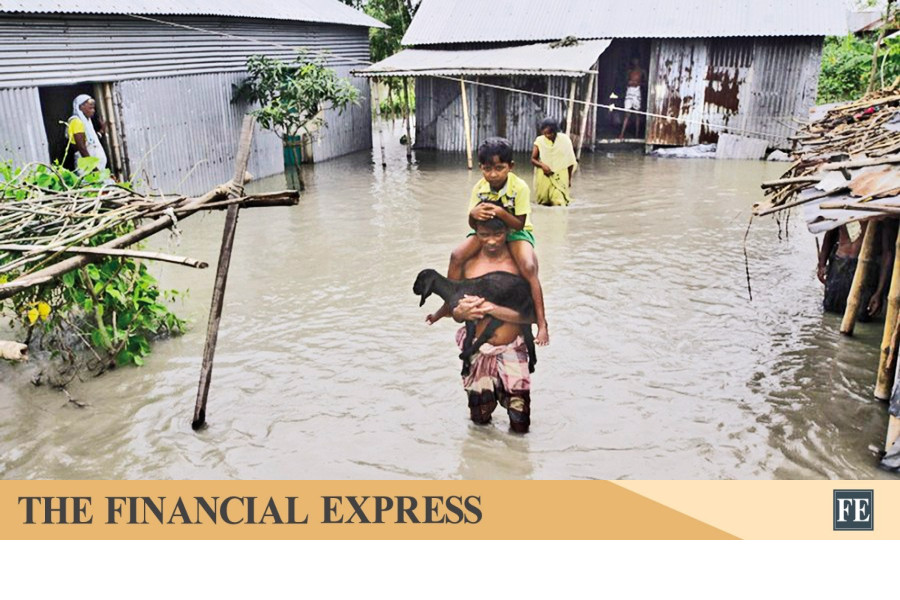
Bangladesh is widely considered one of the most climate vulnerable countries in the world. Its low lying deltaic geography, high population density, and heavy dependence on natural resources make it exceptionally exposed to climate related risks. Rising sea levels, erratic rainfall, floods, cyclones, and increasing temperatures are no longer future threats but present realities, already affecting millions of people and causing substantial economic damage.

According to assessments by the Intergovernmental Panel on Climate Change and the World Bank, Bangladesh remains among the countries most at risk. The World Bank estimates that climate change is currently costing the country approximately $3 to $4 billion each year, and without effective interventions, these losses could intensify, reducing national GDP by as much as 9 per cent by 2050.

The agriculture sector is among the most severely affected. Frequent floods, prolonged droughts, and increasing salinity intrusion continue to damage crops and reduce productivity. According to the Food and Agriculture Organisation, major crop yields in Bangladesh could decline by 10 to 30 per cent by mid-century. Farmers often lose entire harvests due to sudden flooding or irregular weather patterns, resulting in annual losses exceeding $1 billion. This not only threatens food security but also deepens rural poverty and economic instability.

Conditions are even more critical in coastal regions. Sea level rise and salinity intrusion are contaminating freshwater sources and rendering agricultural land less productive. The World Bank warns that up to 17 per cent of Bangladesh's land could be submerged by 2050, potentially displacing more than 20 million people. At the same time, fisheries in the Bay of Bengal are under increasing stress, with declining fish stocks affecting both livelihoods and nutrition for coastal communities.

Infrastructure loss is another major concern. Each year, floods and cyclones damage homes, roads, schools, and healthcare facilities, with estimated annual losses of around $1 billion, according to the World Bank. In urban centres such as Dhaka, climate induced migration is placing additional pressure on housing, water supply, sanitation, and public services, creating new layers of vulnerability.

Climate change is also intensifying public health risks. The World Health Organisation reports that rising temperatures and flooding are contributing to the spread of waterborne diseases, malnutrition, and heat related illnesses. Vulnerable populations, particularly children and the elderly, face the greatest risks.

Among all affected groups, women and children bear the heaviest burden. According to the United Nations Development Programme and UN Women, women constitute nearly 50 to 60 per cent of the most climate vulnerable population in Bangladesh. Their suffering is often less visible but deeply profound.

In many rural and coastal communities, women are responsible for collecting water, preparing food, and caring for families. As freshwater sources become scarce due to salinity and drought, women are forced to travel long distances, sometimes several kilometres, to collect safe water. This not only increases physical hardship but also exposes them to health risks and safety concerns.

During natural disasters such as floods and cyclones, women often face barriers in accessing shelters. Social norms, lack of privacy, and inadequate sanitation facilities discourage many from seeking refuge. As a result, women's mortality rates during disasters can be disproportionately high.

Economic vulnerability is another serious issue. When livelihoods are disrupted due to crop failure or environmental stress, women often have limited access to alternative income opportunities. This can lead to increased dependency, food insecurity, and negative coping mechanisms, including early marriage of daughters. Reports from UN agencies suggest that climate stress is contributing to rising rates of child marriage in vulnerable areas.

Children are equally affected in multiple ways. Climate disasters disrupt education, as schools are damaged or repurposed as shelters. Many children are forced to drop out due to displacement or financial hardship. Food insecurity leads to malnutrition, affecting both physical growth and cognitive development.

Health risks for children are particularly severe. Contaminated water sources lead to diarrheal diseases, while stagnant water contributes to the spread of dengue and other vector borne diseases. According to estimates from WHO and UNICEF, water related diseases cause tens of thousands of deaths annually in Bangladesh, with children under five being the most affected.

Climate induced migration is becoming an increasingly urgent challenge. The World Bank projects that Bangladesh could have more than 13 million internal climate migrants by 2050. Many migrate to cities like Dhaka and Chattogram in search of work and survival. However, most end up in overcrowded informal settlements with poor living conditions, limited access to basic services, and insecure employment, creating new urban vulnerabilities.

A critical dimension of the climate crisis is the issue of responsibility. Bangladesh contributes less than 0.5 per cent of global greenhouse gas emissions, according to the United Nations Framework Convention on Climate Change. Despite this minimal contribution, it faces some of the most severe impacts.

Global evidence, including findings from the IPCC, shows that developed countries and major economies are primarily responsible for climate change. Nations such as the United States, China, members of the European Union, India, and Russia account for the majority of global emissions, driven by decades of industrialisation and fossil fuel use.

Despite these challenges, Bangladesh has demonstrated strong commitment to adaptation. The government has implemented national climate strategies, invested in cyclone shelters, and strengthened early warning systems. According to the UNDP, these efforts have significantly reduced disaster related deaths and established Bangladesh as a global example in resilience.

However, adaptation requires substantial financial resources. The World Bank estimates that Bangladesh will need $5 to $6 billion annually by 2030 to effectively address climate risks. While support from international partners such as the Green Climate Fund and the Asian Development Bank has been important, current funding levels remain insufficient.

Another key challenge is the gap in expertise. While Bangladesh has strong experience in disaster management and community based adaptation, it still lacks sufficient capacity in advanced climate technology, research, and large-scale planning.

To address these challenges, Bangladesh must invest more strategically in education, research, and innovation. Developing a skilled workforce in climate science, environmental engineering, and sustainable development is essential. Universities and research institutions need stronger support to produce knowledge that informs policy and practice. Partnerships with global institutions, supported by the World Bank and UNDP, can facilitate knowledge exchange and technology transfer.

Institutional strengthening is equally important. Improved governance, coordination, and accountability will enhance the effectiveness of climate initiatives. Government agencies must be equipped with the skills and resources needed to plan and implement climate actions efficiently.

Engaging the private sector can also play a transformative role. Investment in renewable energy, climate resilient infrastructure, sustainable agriculture, and water management can drive innovation and economic growth. Policy incentives and public private partnerships can attract both domestic and international investors.

At the same time, civic engagement and public ownership must be ensured. Communities should be actively involved in decision making processes to ensure that solutions are relevant and sustainable. Public awareness, community based adaptation, and participatory governance can strengthen trust and accountability.

Climate change in Bangladesh is not just an environmental challenge. It is a crisis of survival, development, and justice. While the country is losing billions of dollars each year, the human cost is even greater, particularly for women and children who face the harshest impacts.

Bangladesh's experience highlights a fundamental global injustice. Those who contribute the least to climate change are suffering the most. Addressing this imbalance requires urgent global action, increased climate finance, and a shared commitment to protect the most vulnerable.

Only through combined national efforts and strong international responsibility can Bangladesh move toward a more resilient, equitable, and sustainable future.

Shahiduzzaman is a freelance writer​
 

Bangladesh should enter carbon markets on its own terms

Farah Kabir

1783728342217.webp

Bangladesh's Sundarbans, coastal mangroves, rivers, wetlands, and agricultural landscapes are its greatest assets when the carbon market is considered. FILE PHOTO: TAMANNA KHAN

The government’s recent announcement that it intends to pursue opportunities in carbon markets signals a new phase in Bangladesh’s engagement with global climate finance. It deserves close attention, because the decisions made now will shape how the country’s forests, wetlands, coastal ecosystems, and other natural assets contribute to national development for decades to come.

Carbon markets are growing rapidly as governments and businesses look for ways to reduce greenhouse gas emissions while financing climate action. For Bangladesh, the markets offer opportunities. Well-designed projects could attract investment for mangrove restoration, renewable energy, climate-smart agriculture, sustainable land management, and other initiatives that strengthen resilience while supporting economic growth. They could also encourage technology transfer, create green jobs, and improve the country’s capacity to measure, verify and manage emissions.

These opportunities should be welcomed. But they should not be mistaken for a silver bullet.

International experience offers an important lesson in this regard. The success or failure of carbon markets depends on governance, not just the market itself. Countries that have built transparent institutions, credible monitoring systems, and fair benefit-sharing arrangements have generally delivered stronger environmental and development outcomes. But where governance has been weak, projects have fuelled land disputes, concentrated benefits in too few hands, raised doubts about environmental integrity, and eroded public trust.

The message for Bangladesh, therefore, is neither to embrace carbon markets uncritically nor to reject them out of caution. It is to approach them with strategic foresight, careful planning and robust governance.

Bangladesh’s greatest asset is not simply the carbon stored in its forests or wetlands. It is the wider value of its natural capital. The Sundarbans, coastal mangroves, rivers, wetlands, and agricultural landscapes protect communities from cyclones and floods, sustain biodiversity, support food production, and provide livelihoods for millions of people. Carbon storage is one of the many benefits these ecosystems generate. Their value cannot be reduced to the price of a tradable carbon credit.

That perspective should shape Bangladesh’s negotiating position. As demand for high-quality carbon credits increases, investors, development partners and market intermediaries will seek partnerships with countries that possess significant natural assets. The country should welcome such partnerships, but on terms that strengthen national development rather than simply supplying credits to international markets. Agreements should encourage technology transfer, strengthen domestic expertise, build institutional capacity, and ensure that a fair share of the value created remains within the country. The objective should not be to maximise carbon transactions but to maximise national value.

The government should evaluate every carbon market proposal through a transparent national assessment that considers not only its financial returns but also its implications for national sovereignty, environmental integrity, food security, livelihoods, institutional capacity, and the equitable sharing of benefits. Transparency in project selection, contracting, and revenue management will be essential to maintaining public confidence and ensuring that climate finance delivers lasting national benefits. Carbon markets should complement, not replace, public investment, concessional climate finance, adaptation finance, and long-term development planning.

Another lesson from international experience deserves equal attention. Carbon credits are ultimately generated from landscapes where people live and work. Farmers, fisherfolk, forest-dependent communities and women are often the primary stewards of these ecosystems. Policies that fail to recognise their knowledge, rights and contributions risk weakening both environmental outcomes and public trust. Experience from around the world increasingly shows that meaningful participation and fair benefit-sharing are not simply matters of social justice; they are essential ingredients of effective climate governance.

This is particularly relevant for Bangladesh, where local communities have long managed natural resources under increasingly difficult climatic conditions. Their knowledge, experience and stewardship should be recognised properly, especially in project design.

Carbon markets must also not become an excuse for delaying deeper emission reductions elsewhere. They should complement, not dilute, the responsibility of high-emitting countries to reduce emissions at source and honour their commitments on climate finance, adaptation, and loss and damage. Bangladesh should continue to advocate firmly for these commitments while pursuing carbon market opportunities. It has more leverage than it may realise in this sphere.

The country is internationally recognised for its leadership on climate adaptation and possesses ecosystems of global significance. Decisions about how these national assets are valued and used should therefore remain firmly anchored in its long-term development priorities rather than the preferences of or the timelines set by external actors.

The measure of success will not be the number of carbon credits Bangladesh sells or the volume of finance it attracts. It will be whether these initiatives strengthen ecosystems, improve livelihoods, build stronger public institutions, and leave the country more resilient than before. Carbon markets should hence be viewed as one instrument within a broader national development strategy, not as a development strategy in themselves.

Farah Kabir is country director at ActionAid Bangladesh.​
 

Bangladesh just passed a law against hill-cutting. Why does it skip the Chittagong Hill Tracts?

Nur Nishat Anjum

1783902319430.webp

Two farmers tending to tobacco crops in Bandarban's Alikadam Upazila, where cultivation has been linked to growing environmental degradation. Photo: Nur Nishat Anjum

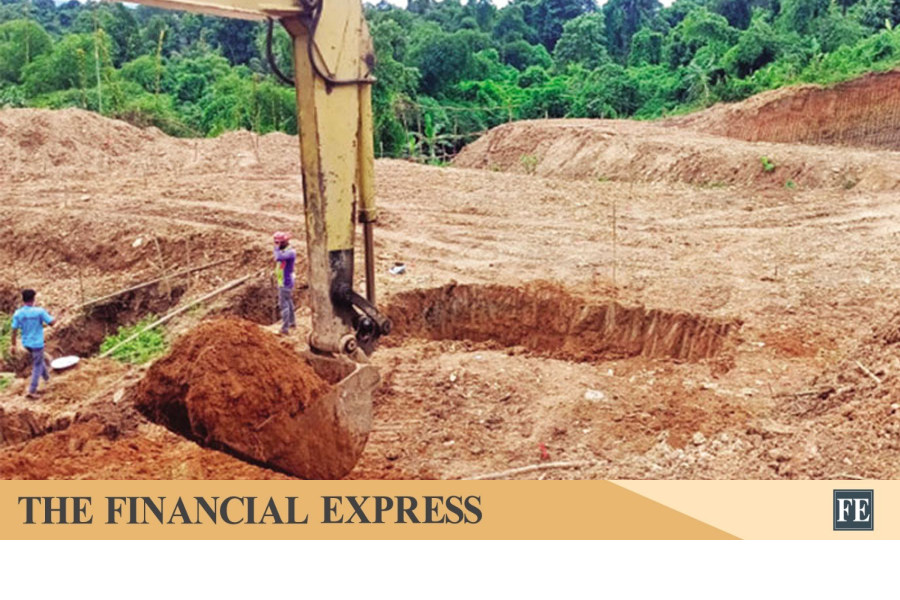
In January, the government issued the Land Use Control and Agricultural Land Protection Act, 2026, a sweeping new law criminalising hill-cutting, wetland-filling, and the removal of topsoil for brick kilns, with penalties of up to two years’ imprisonment or fines of up to Tk 2 lakh or both. The law explicitly bans tobacco cultivation on multi-crop land. It is, on paper, exactly the kind of legal instrument the country’s hill ecosystems have needed for decades. However, interestingly, none of it applies to Bandarban, Rangamati, or Khagrachhari, the three districts that make up the Chittagong Hill Tracts (CHT). The region where tobacco-driven hill-cutting and topsoil loss are arguably most severe has simply been written out of the one law which could have stopped these practices there.

This is not an oversight as much as it is a pattern. In Alikadam Upazila, where I spent several weeks in the tobacco-growing paras of Morong, College, and Palong during the 2025 curing season, the absence of regulatory reach is not simply a gap in an otherwise functioning system. And it raises a question that conventional environmental reporting tends to avoid: at what point does legally permitted ecological destruction stop being an externality and start being, in substance, a crime?

Criminologist Rob White has spent two decades arguing that the answer to this should not depend on whether an activity is technically illegal. His framework of eco-global criminology insists that environmental harm, which is structurally produced, predictable, and disproportionately borne by the powerless, deserves to be named and analysed as a crime, regardless of its legal status. Judged by that standard, the tobacco economy of Alikadam is more than an unfortunate side effect of agricultural development.

The Matamuhuri river and its tributaries are the only source of fish protein and household-use water for the Mro and Bangalee settler families who farm on its banks. During the dry winter cultivation season, farmers run diesel-powered pumps to draw river water directly onto tobacco fields; by one cultivator’s account, this means three full waterings a season, each expending 10 to 15 litres of diesel per acre. Multiplied across hundreds of farms along the valley, this is a substantial, concentrated extraction precisely when river flows are at their lowest. The water that returns to the stream carries fertiliser and pesticide residue. A schoolteacher in College Para put it simply: the fish are fewer every year. A Bangalee settler farmer was blunter still, gesturing at the stream bordering his field: in five years, there will be no water left in it because the trees that once fed it are being cut for curing fuel.

That is a hydrologically sound diagnosis. Forest cover sustains the dry-season flow of small streams; as tree cover is stripped to fuel the kilns that cure each season’s leaves, the watershed’s capacity to recharge is degraded alongside the direct pressure of irrigation pumping. Government rules nominally prohibit cultivation within a hundred feet of riverbanks and forbid extraction from reserve forests. Every farmer I interviewed described enforcement of both as effectively absent.

The forest pays in its own way, too. Curing tobacco leaves demands sustained, high-intensity heat, and the regional fuel source is wood-drawn, by multiple accounts, from both legally purchased stock and the adjacent Matamuhuri Reserve Forest itself. What was, within living memory, a mixed landscape of jhum plots, forest garden, and secondary growth has become, across an estimated 85 to 90 percent of Alikadam’s cultivable land at peak season, a single industrial crop running in regimented rows.

None of this required anyone to break the law. That is precisely White’s point, and precisely why “slow violence,” the literary scholar Rob Nixon’s term for harm that accumulates gradually and out of sight, without the single catastrophic event that triggers regulatory attention, is the right description for what is happening in the CHT’s valleys. Each season’s cutting, watering, and fertiliser application is individually unremarkable. But their cumulative trajectory year after year translates to a hill ecology being dismantled in a manner that is specific enough to have a shape but legal enough to escape scrutiny.

The new land-use law had the chance to close part of that gap. But the explicit exclusion of the three hill districts means that the law’s ban on tobacco cultivation on multi-crop land, its penalties for hill-cutting and topsoil removal, and its protections for water bodies will, for now, simply not reach Alikadam, Lama, or any other tobacco-growing upazilas in Bandarban. Environmental lawyers and officials who welcomed the ordinance elsewhere in the country have been candid that even where it does apply, enforcement will determine whether it changes anything at all. In the CHT, the question of enforcement does not even arise.

What would taking this seriously look like? At minimum, the government should publicly explain the legal and administrative rationale for excluding the CHT’s three districts from a land-protection ordinance whose stated purpose (preventing hill-cutting, topsoil loss, and the conversion of multi-crop land to tobacco) describes Alikadam’s tobacco frontier almost exactly. The parliament’s environment committee should examine whether that exclusion can be narrowed or removed. And the forest and environment department should be required to report, annually and publicly, on enforcement of the riverbank and reserve-forest protections that already exist on paper, so that “minimal and inconsistent” stops being a private observation farmers make to researchers and becomes a documented public fact.

One farmer in Alikadam, who has cultivated tobacco on leased land for years, offered me an assessment that needs no criminological vocabulary to be understood: “First is health. Second is the soil. Third is the environment,” he’d said. “Tobacco is a weapon of capital. This isn’t a crop for poor, innocent people.”

A law that exempts the region where that weapon is doing the most damage is not protecting the environment. It is choosing, deliberately, where the law’s protection will end.

Nur Nishat Anjum has an MSS in anthropology from the University of Dhaka. Her thesis examines BAT contract farming, Mro indigenous dispossession, and socio-ecological harm in Alikadam Upazila, Bandarban District, Chittagong Hill Tracts.​
 

Latest Posts

Back