Bangladesh Defense
Saif
Senior Member
- Jan 24, 2024
- 20,857
- 9,685
- Nation

- Residence
- Axis Group

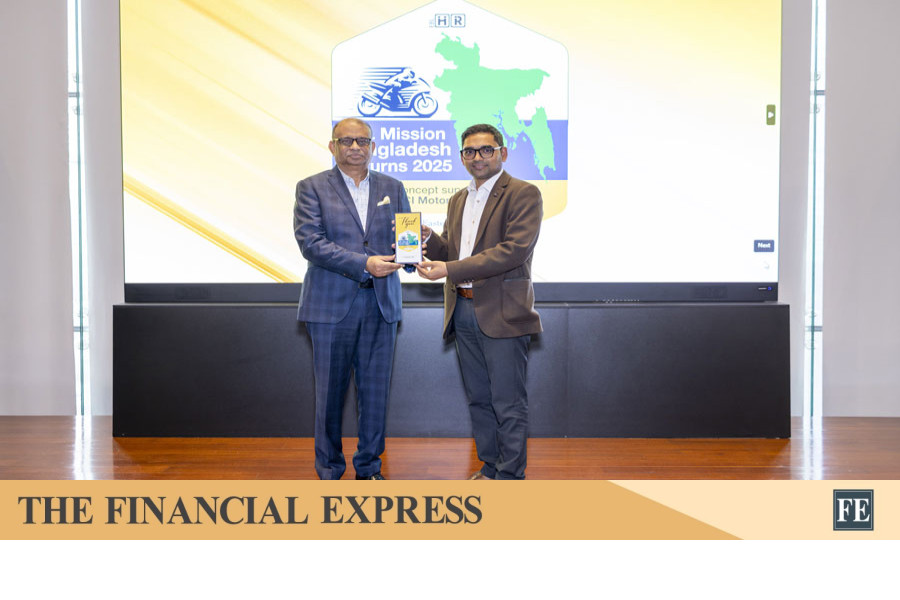
Eastern Bank honours ‘Brikkhoshokha’ Shakhawat for environmental efforts
Eastern Bank PLC has honoured environmental activist Shakhawat Ullah, popularly known as Brikkhoshokha, in recognition of his contributions to nationwide tree plantation and environmental conservation. Eastern Bank’s managing director and chief executive officer, Ali Reza Iftekhar, presented
France urges Bangladesh to consider Airbus proposal seriously
FE ONLINE REPORT
Published :
Mar 16, 2026 20:08
Updated :
Mar 16, 2026 20:08

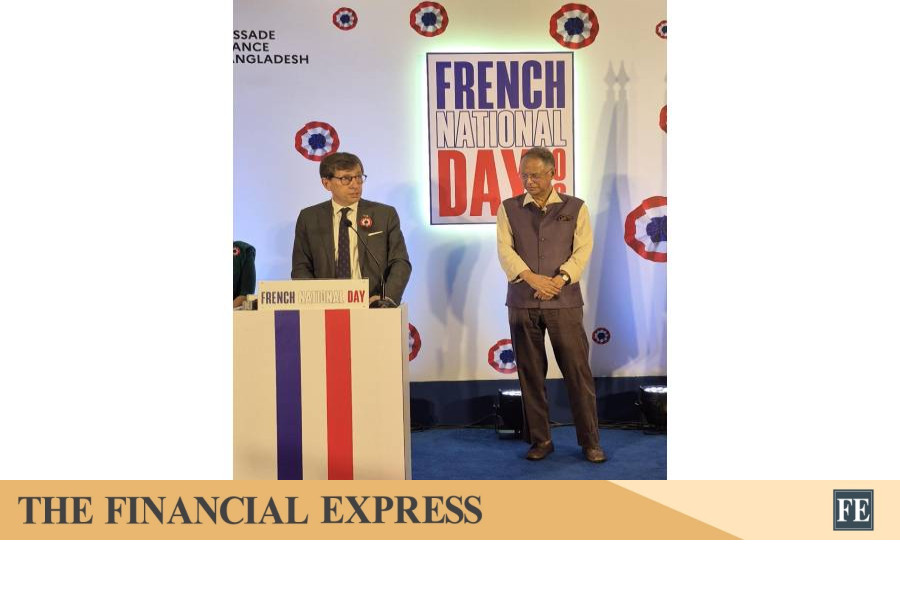
The French ambassador in Dhaka, Mr Jean-Marc Séré-Char-let, on Monday urged Bangladesh to give serious consideration to a proposal to purchase aircraft from Airbus, saying the European manufacturer produces high-quality planes and could offer a promising avenue for long-term cooperation.
Speaking to reporters after a meeting with Shama Obaed, Bangladesh’s state minister for foreign affairs, at the foreign ministry, the envoy said discussions with the government covered broader areas of cooperation between France and Bangladesh, including trade, business ties and potential engagement with French companies.
When asked whether defence cooperation and the Airbus purchase had been discussed, the ambassador said the talks had not focused on any single issue but confirmed that the aircraft proposal remained important for France.
“For us, Airbus is an important issue,” he said, adding that the company manufactures high-quality aircraft and should be taken seriously as Bangladesh considers future aviation procurement.
The envoy said Airbus was continuing its discussions with the government and with Biman Bangladesh Airlines regarding the proposal.
“We hope Airbus will be considered by the government and by Biman,” he said.
Asked whether bilateral relations could be affected if Bangladesh ultimately decides not to purchase Airbus aircraft, Mr Char-let said discussions were still ongoing.
“Airbus is still discussing the issue with the government. We are still in discussions and we hope Airbus will be taken seriously,” he said.
Responding to another question on whether the new government should review earlier decisions related to aircraft procurement, including a possible purchase from Boeing, the envoy said the matter rested entirely with the Bangladeshi authorities.
“It is up to the government. Now it depends on Biman. This is a new government and we leave the decision to them,” he said.
The ambassador also emphasised the longstanding ties between the two countries, noting that France was among the earliest nations to recognise Bangladesh after its independence.
“France is a long-standing partner. It was one of the first countries to recognise Bangladesh,” he said.
He added that the meeting with the state minister was an opportunity to review cooperation and explore ways to strengthen relations.
“We are here to improve the relationship between France and Bangladesh. It was time to meet and discuss cooperation,” he said.
According to the envoy, discussions also touched on ways to expand economic engagement between the two countries, particularly through greater involvement of French businesses in Bangladesh.
He stressed that while governments do not make decisions on behalf of private companies, they can help create a favourable environment for business.
“It is important to attract companies and provide them with a level playing field,” he said.
The ambassador expressed optimism about the future of bilateral relations, saying France wanted to deepen cooperation with Bangladesh in the coming years.
“Bangladesh is still in our hearts and we want to cooperate more in the coming months and years,” he said, adding that both sides were interested in creating a new atmosphere of partnership.
Later, talking to the reporters, Shama Obaed said that Bangladesh’s policy is to maintain equal ties with all the countries.
“We will follow the ‘Bangladesh First’ policy”, she said when asked whether the government would review the interim government’s decision to purchase Boeing.
FE ONLINE REPORT
Published :
Mar 16, 2026 20:08
Updated :
Mar 16, 2026 20:08
The French ambassador in Dhaka, Mr Jean-Marc Séré-Char-let, on Monday urged Bangladesh to give serious consideration to a proposal to purchase aircraft from Airbus, saying the European manufacturer produces high-quality planes and could offer a promising avenue for long-term cooperation.
Speaking to reporters after a meeting with Shama Obaed, Bangladesh’s state minister for foreign affairs, at the foreign ministry, the envoy said discussions with the government covered broader areas of cooperation between France and Bangladesh, including trade, business ties and potential engagement with French companies.
When asked whether defence cooperation and the Airbus purchase had been discussed, the ambassador said the talks had not focused on any single issue but confirmed that the aircraft proposal remained important for France.
“For us, Airbus is an important issue,” he said, adding that the company manufactures high-quality aircraft and should be taken seriously as Bangladesh considers future aviation procurement.
The envoy said Airbus was continuing its discussions with the government and with Biman Bangladesh Airlines regarding the proposal.
“We hope Airbus will be considered by the government and by Biman,” he said.
Asked whether bilateral relations could be affected if Bangladesh ultimately decides not to purchase Airbus aircraft, Mr Char-let said discussions were still ongoing.
“Airbus is still discussing the issue with the government. We are still in discussions and we hope Airbus will be taken seriously,” he said.
Responding to another question on whether the new government should review earlier decisions related to aircraft procurement, including a possible purchase from Boeing, the envoy said the matter rested entirely with the Bangladeshi authorities.
“It is up to the government. Now it depends on Biman. This is a new government and we leave the decision to them,” he said.
The ambassador also emphasised the longstanding ties between the two countries, noting that France was among the earliest nations to recognise Bangladesh after its independence.
“France is a long-standing partner. It was one of the first countries to recognise Bangladesh,” he said.
He added that the meeting with the state minister was an opportunity to review cooperation and explore ways to strengthen relations.
“We are here to improve the relationship between France and Bangladesh. It was time to meet and discuss cooperation,” he said.
According to the envoy, discussions also touched on ways to expand economic engagement between the two countries, particularly through greater involvement of French businesses in Bangladesh.
He stressed that while governments do not make decisions on behalf of private companies, they can help create a favourable environment for business.
“It is important to attract companies and provide them with a level playing field,” he said.
The ambassador expressed optimism about the future of bilateral relations, saying France wanted to deepen cooperation with Bangladesh in the coming years.
“Bangladesh is still in our hearts and we want to cooperate more in the coming months and years,” he said, adding that both sides were interested in creating a new atmosphere of partnership.
Later, talking to the reporters, Shama Obaed said that Bangladesh’s policy is to maintain equal ties with all the countries.
“We will follow the ‘Bangladesh First’ policy”, she said when asked whether the government would review the interim government’s decision to purchase Boeing.