 Bangladesh Defense

Saif
Senior Member
- Joined
- Jan 24, 2024
- Messages
- 21,840
- Likes
- 9,805
- Nation

- Residence
- Axis Group

PM’s Japan visit: Reducing metro rail costs, loan interest rates likely to be discussed
Reducing metro rail costs and interest rates on loans taken from Japan will be among the issues discussed during Prime Minister Tarique Rahman's four-day visit to Japan.
 en.prothomalo.com
PM’s Japan visit: Reducing metro rail costs, loan interest rates likely to be discussed
Diplomatic Correspondent
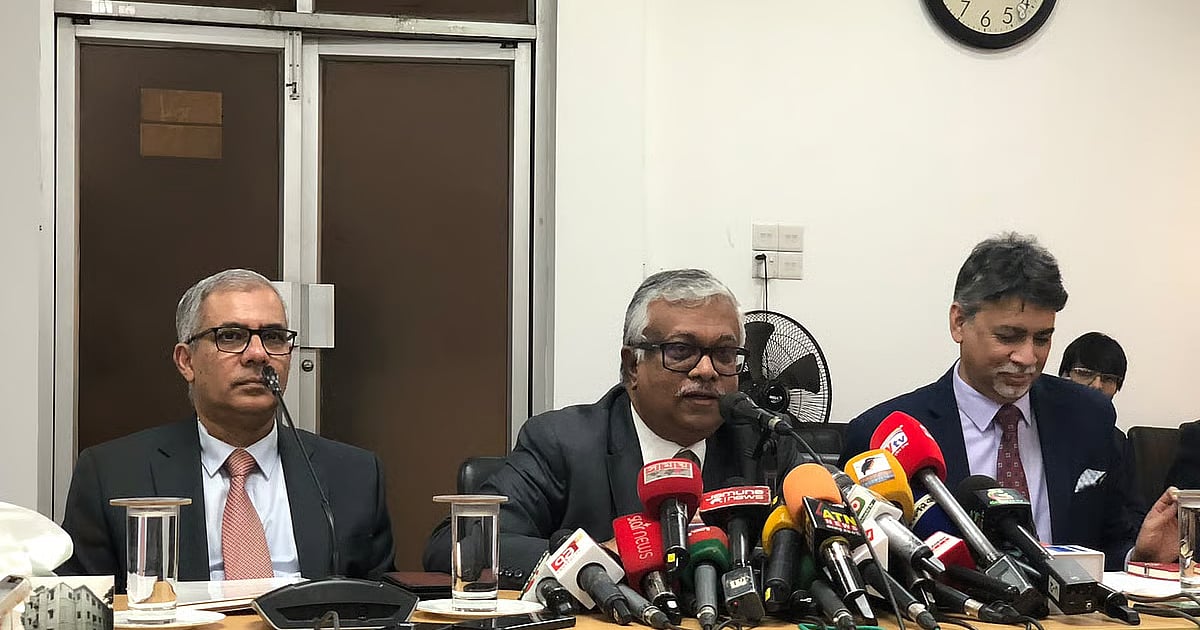
Foreign Secretary Asad Alam Siam speaks at a press conference at the Ministry of Foreign Affairs on Tuesday afternoon ahead of Prime Minister Tarique Rahman’s visit to Japan Prothom Alo
Reducing metro rail costs and interest rates on loans taken from Japan will be among the issues discussed during Prime Minister Tarique Rahman's four-day visit to Japan.
Foreign Secretary Asad Alam Siam disclosed this at a press conference organised by the Ministry of Foreign Affairs on Tuesday afternoon ahead of the prime minister's upcoming visit to Japan.
The foreign secretary said several memorandums of understanding (MoUs) could be signed during the visit on issues including cooperation in agriculture, fisheries, human resource development and skills enhancement, civil aviation, marine environmental conservation and modernisation of local government.
Asked how many MoUs would be signed, Asad Alam Siam said, "We are discussing around eight MoUs. We hope three to four of them will be signed."
The cost of Dhaka's MRT Line-1 has increased by 83 per cent, while that of MRT Line 5 has risen by 113 per cent. Asked whether these issues and a reduction in interest rates on loans from Japan would be discussed, the foreign secretary said, "We have sought various forms of technical assistance from Japan for infrastructure development, including what you mentioned – capital funding and substantial technical support. These infrastructure cooperation issues will certainly come up during the bilateral meeting between the two prime ministers. Besides the metro rail, there are other areas of mutual cooperation in infrastructure development. So, these matters will be discussed in detail."
Asad Alam Siam said, "We want to obtain loans at lower interest rates from all countries. However, there are global arrangements as well as domestic factors specific to each country. These are very important. The issues you have raised will be discussed. The outcome will be clear after the discussions."
Referring to the current relations between Bangladesh and Japan as being at the level of a "strategic partnership", the foreign secretary said various joint cooperation initiatives were underway in areas including Bangladesh's infrastructure development, technological advancement, human resource development and security cooperation.
He hoped that the visit would further strengthen these activities.
The foreign secretary said the prime minister's upcoming visit would create an opportunity to make relations between the two countries "deeper and stronger".
He noted that the signing of the Economic Partnership Agreement (EPA) between Bangladesh and Japan in February had opened up new opportunities to expand trade and investment.
As one of Bangladesh's major development partners, Japan has been supporting the construction and implementation of several important infrastructure and connectivity projects, including the metro rail, the third terminal of Hazrat Shahjalal International Airport and the Matarbari deep-sea port.
The foreign secretary said the prime minister's visit would create opportunities to expand access for Bangladeshi products to the Japanese market, increase Japanese investment and strengthen business ties. It would also pave the way for broader cooperation in new areas, including renewable energy, the environment, science, technology, digital innovation, research and human resource development.
He said Prime Minister Tarique Rahman would hold a bilateral meeting with Japanese Prime Minister Sanae Takaichi at her office on 26 October, the second day of his visit. He would also attend a dinner hosted by the Japanese prime minister in his honour.
In addition, the prime minister will hold courtesy meetings with representatives of the Japan-Bangladesh Parliamentary Friendship League, the chairman of the Japan-Bangladesh Committee for Commercial and Economic Cooperation, the president of the Japan International Cooperation Agency (JICA), the governor of the Japan Bank for International Cooperation (JBIC), the president of the Japan External Trade Organization (JETRO) and the chairman of the Sasakawa Peace Foundation.
The foreign secretary also said Prime Minister Tarique Rahman would deliver the keynote address at the Japan-Bangladesh Economic Forum.
Asad Alam Siam said the prime minister's visit would help accelerate the implementation of ongoing priority projects with Japan and ensure their timely completion. It would also strengthen the economic partnership, increase economic and development assistance, and ensure the continuation of security cooperation.
Prime Minister Tarique Rahman will leave for Japan on 26 October on a four-day visit.
Sources said, his entourage will include his wife, Zubaida Rahman; Finance Minister Amir Khasru Mahmud Chowdhury; Prime Minister's Adviser on Finance and Planning Rashed Al Mahmud Titumir; State Minister for Foreign Affairs Humaiun Kobir; State Minister for Power, Energy and Mineral Resources Aninda Islam Amit; Prime Minister's Adviser on Posts, Telecommunications and Information Technology Rehan Asif Asad; BIDA Chairman Ashik Chowdhury; and Prime Minister's Special Assistant for Overseas Employment in the Asia-Pacific region Md Shakirul Islam Khan.
Officials concerned of the Bangladesh government, media representatives and other distinguished individuals will also accompany the prime minister as part of the delegation.
Diplomatic Correspondent
Foreign Secretary Asad Alam Siam speaks at a press conference at the Ministry of Foreign Affairs on Tuesday afternoon ahead of Prime Minister Tarique Rahman’s visit to Japan Prothom Alo
Reducing metro rail costs and interest rates on loans taken from Japan will be among the issues discussed during Prime Minister Tarique Rahman's four-day visit to Japan.
Foreign Secretary Asad Alam Siam disclosed this at a press conference organised by the Ministry of Foreign Affairs on Tuesday afternoon ahead of the prime minister's upcoming visit to Japan.
The foreign secretary said several memorandums of understanding (MoUs) could be signed during the visit on issues including cooperation in agriculture, fisheries, human resource development and skills enhancement, civil aviation, marine environmental conservation and modernisation of local government.
Asked how many MoUs would be signed, Asad Alam Siam said, "We are discussing around eight MoUs. We hope three to four of them will be signed."
The cost of Dhaka's MRT Line-1 has increased by 83 per cent, while that of MRT Line 5 has risen by 113 per cent. Asked whether these issues and a reduction in interest rates on loans from Japan would be discussed, the foreign secretary said, "We have sought various forms of technical assistance from Japan for infrastructure development, including what you mentioned – capital funding and substantial technical support. These infrastructure cooperation issues will certainly come up during the bilateral meeting between the two prime ministers. Besides the metro rail, there are other areas of mutual cooperation in infrastructure development. So, these matters will be discussed in detail."
Asad Alam Siam said, "We want to obtain loans at lower interest rates from all countries. However, there are global arrangements as well as domestic factors specific to each country. These are very important. The issues you have raised will be discussed. The outcome will be clear after the discussions."
Referring to the current relations between Bangladesh and Japan as being at the level of a "strategic partnership", the foreign secretary said various joint cooperation initiatives were underway in areas including Bangladesh's infrastructure development, technological advancement, human resource development and security cooperation.
He hoped that the visit would further strengthen these activities.
The foreign secretary said the prime minister's upcoming visit would create an opportunity to make relations between the two countries "deeper and stronger".
He noted that the signing of the Economic Partnership Agreement (EPA) between Bangladesh and Japan in February had opened up new opportunities to expand trade and investment.
As one of Bangladesh's major development partners, Japan has been supporting the construction and implementation of several important infrastructure and connectivity projects, including the metro rail, the third terminal of Hazrat Shahjalal International Airport and the Matarbari deep-sea port.
The foreign secretary said the prime minister's visit would create opportunities to expand access for Bangladeshi products to the Japanese market, increase Japanese investment and strengthen business ties. It would also pave the way for broader cooperation in new areas, including renewable energy, the environment, science, technology, digital innovation, research and human resource development.
He said Prime Minister Tarique Rahman would hold a bilateral meeting with Japanese Prime Minister Sanae Takaichi at her office on 26 October, the second day of his visit. He would also attend a dinner hosted by the Japanese prime minister in his honour.
In addition, the prime minister will hold courtesy meetings with representatives of the Japan-Bangladesh Parliamentary Friendship League, the chairman of the Japan-Bangladesh Committee for Commercial and Economic Cooperation, the president of the Japan International Cooperation Agency (JICA), the governor of the Japan Bank for International Cooperation (JBIC), the president of the Japan External Trade Organization (JETRO) and the chairman of the Sasakawa Peace Foundation.
The foreign secretary also said Prime Minister Tarique Rahman would deliver the keynote address at the Japan-Bangladesh Economic Forum.
Asad Alam Siam said the prime minister's visit would help accelerate the implementation of ongoing priority projects with Japan and ensure their timely completion. It would also strengthen the economic partnership, increase economic and development assistance, and ensure the continuation of security cooperation.
Prime Minister Tarique Rahman will leave for Japan on 26 October on a four-day visit.
Sources said, his entourage will include his wife, Zubaida Rahman; Finance Minister Amir Khasru Mahmud Chowdhury; Prime Minister's Adviser on Finance and Planning Rashed Al Mahmud Titumir; State Minister for Foreign Affairs Humaiun Kobir; State Minister for Power, Energy and Mineral Resources Aninda Islam Amit; Prime Minister's Adviser on Posts, Telecommunications and Information Technology Rehan Asif Asad; BIDA Chairman Ashik Chowdhury; and Prime Minister's Special Assistant for Overseas Employment in the Asia-Pacific region Md Shakirul Islam Khan.
Officials concerned of the Bangladesh government, media representatives and other distinguished individuals will also accompany the prime minister as part of the delegation.


