Bangladesh Defense

Saif
Senior Member
- Joined
- Jan 24, 2024
- Messages
- 22,262
- Likes
- 9,869
- Nation

- Axis Group


Bridge Authority flags 14 factors behind Karnaphuli Tunnel’s losses
A feasibility study for the Karnaphuli Tunnel project in Chattogram projected that an average of 28,305 vehicles would use the tunnel every day in 2025. However, only 4.172 million vehicles have used it in total since it opened. This translates to an average of just 3,865 vehicles crossing the...
 en.prothomalo.com
Bridge Authority flags 14 factors behind Karnaphuli Tunnel’s losses
Special Correspondent
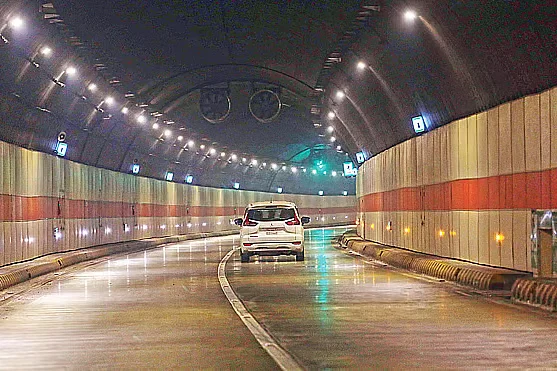
Karnaphuli Tunnel. Prothom Alo
A feasibility study for the Karnaphuli Tunnel project in Chattogram projected that an average of 28,305 vehicles would use the tunnel every day in 2025. However, only 4.172 million vehicles have used it in total since it opened. This translates to an average of just 3,865 vehicles crossing the tunnel each day.
The figures are presented in a report by the Bangladesh Bridge Authority. At the current level of traffic, toll revenue is insufficient even to cover the tunnel’s daily operating expenses. Operations and maintenance now cost an average of Tk 2.3 million a day, while daily revenue averages Tk 1.1 million.
The report identifies 14 reasons for the tunnel’s financial losses and outlines several measures to increase toll revenue.
Titled ‘Feasibility Study, Implementation and Current Financial Status of the Karnaphuli Tunnel,’ the report was submitted to the parliamentary standing committee on the Ministry of Planning on Saturday. The committee has decided to examine the implementation of projects related to the tunnel and investigate the causes of its financial losses.
The Karnaphuli Tunnel was built at a cost of Tk 100 billion during the Awami League government. Vehicle movement through the tunnel began on 29 October 2023.
According to sources concerned, the report submitted to the parliamentary committee identifies the main reasons for the losses. These include inadequate road connectivity, limited capacity and insufficient development of connecting roads, failure to build the proposed deep-sea port at Sonadia in Cox’s Bazar, lack of a connection through the Marine Drive, failure to achieve planned urban development on the southern bank of the Karnaphuli River, industrialisation in Anwara falling short of expectations, and delays in implementing investments.
As a result, the expected volume of traffic has not materialised.
The report also cites several other factors: tourism facilities in Anwara have not developed as expected; the service area is not being used to its anticipated capacity; connections with the port and industrial zones remain inadequate; restrictions have been imposed on the movement of heavy-load vehicles; and drivers are apprehensive about the scanning process.
The report says several measures are being taken to increase the tunnel’s revenue. These include leasing out the service area, reducing operating costs and directing long-distance vehicles to use the Karnaphuli Tunnel instead of entering Chattogram city.
Construction is underway on seven jetties by Karnaphuli Dry Dock Limited as part of efforts to expand the operations of Chattogram Port. Three of the jetties are already operational. Once all seven are in service, they are expected to handle 10–12 million tonnes of cargo annually. This could increase the tunnel’s annual toll revenue by Tk 2–2.4 billion.
Construction of the China Economic and Industrial Zone was inaugurated on 27 July. Its first factory is expected to begin production within 18 months. This, too, is expected to increase vehicle traffic through the tunnel.
The committee meeting discussed the Karnaphuli Tunnel’s feasibility study, implementation and the reasons behind its current financial losses. The matter will be discussed in greater detail at the committee’s next meeting. It was decided that the parliamentary standing committee on the Ministry of Planning would work towards a proper investigation into the implementation of tunnel-related projects and the causes of the current financial losses.
ADP implementation: 26 ministries and divs lag behind
At the meeting, a report by the Implementation Monitoring and Evaluation Division (IMED) of the Ministry of Planning showed that the national average rate of implementation of the Annual Development Programme (ADP) in the last fiscal year was 67.52 per cent.
Of the 56 ministries and divisions, 26 recorded implementation rates below the national average, while the remaining 30 performed above it.
The ministries and divisions that fell behind were Public Administration; Liberation War Affairs; Land; Cultural Affairs; Information; Primary and Mass Education; Youth and Sports; Environment; Religious Affairs; and Women and Children Affairs.
The list also included the Information and Communication Technology Division, Election Commission Secretariat, Economic Relations Division, Parliament Secretariat, Anti-Corruption Commission, Internal Resources Division, Health Services Division, Health Education and Family Welfare Division, Secondary and Higher Education Division, Technical and Madrasah Education Division, Prime Minister’s Office, IMED and Planning Division.
A list of projects whose completion deadlines were extended in the last fiscal year was also presented at the meeting. Members were informed that, at the previous meeting on 8 September, the committee had been told that extensions had been recommended for 256 projects in fiscal year 2025–26. The number subsequently rose to 288.
According to a press release from the Parliament Secretariat, the meeting discussed the reasons for extending the deadlines of 256 projects in fiscal year 2025–26. These included complications in land acquisition, dependence on imports, difficulties in appointing project directors, inadequate feasibility studies in many cases, delays in releasing funds for some projects, and conflicts between ministries.
The committee recommended that the relevant authorities take effective steps to address delays in implementing these projects.
Sources concerned said the Ministry of Planning informed the committee that a draft of a new policy on appointing project directors for government projects had been prepared. Once the policy takes effect, former officials and experts with relevant experience could be appointed as project directors.
The Parliament Secretariat’s press release said the ministry had informed the committee that work on the new policy was underway. It expressed hope that finalising the policy would help resolve persistent difficulties in appointing project directors.
Committee chairman Zahir Uddin Swapan chaired the meeting. Committee members, including State Minister for Planning Zonayed Saki, Kazi Rafiqul Islam, Moinul Islam Khan, Md Saiful Alam and Rashedul Islam, attended.
Special Correspondent
Karnaphuli Tunnel. Prothom Alo
A feasibility study for the Karnaphuli Tunnel project in Chattogram projected that an average of 28,305 vehicles would use the tunnel every day in 2025. However, only 4.172 million vehicles have used it in total since it opened. This translates to an average of just 3,865 vehicles crossing the tunnel each day.
The figures are presented in a report by the Bangladesh Bridge Authority. At the current level of traffic, toll revenue is insufficient even to cover the tunnel’s daily operating expenses. Operations and maintenance now cost an average of Tk 2.3 million a day, while daily revenue averages Tk 1.1 million.
The report identifies 14 reasons for the tunnel’s financial losses and outlines several measures to increase toll revenue.
Titled ‘Feasibility Study, Implementation and Current Financial Status of the Karnaphuli Tunnel,’ the report was submitted to the parliamentary standing committee on the Ministry of Planning on Saturday. The committee has decided to examine the implementation of projects related to the tunnel and investigate the causes of its financial losses.
The Karnaphuli Tunnel was built at a cost of Tk 100 billion during the Awami League government. Vehicle movement through the tunnel began on 29 October 2023.
According to sources concerned, the report submitted to the parliamentary committee identifies the main reasons for the losses. These include inadequate road connectivity, limited capacity and insufficient development of connecting roads, failure to build the proposed deep-sea port at Sonadia in Cox’s Bazar, lack of a connection through the Marine Drive, failure to achieve planned urban development on the southern bank of the Karnaphuli River, industrialisation in Anwara falling short of expectations, and delays in implementing investments.
As a result, the expected volume of traffic has not materialised.
The report also cites several other factors: tourism facilities in Anwara have not developed as expected; the service area is not being used to its anticipated capacity; connections with the port and industrial zones remain inadequate; restrictions have been imposed on the movement of heavy-load vehicles; and drivers are apprehensive about the scanning process.
The report says several measures are being taken to increase the tunnel’s revenue. These include leasing out the service area, reducing operating costs and directing long-distance vehicles to use the Karnaphuli Tunnel instead of entering Chattogram city.
Construction is underway on seven jetties by Karnaphuli Dry Dock Limited as part of efforts to expand the operations of Chattogram Port. Three of the jetties are already operational. Once all seven are in service, they are expected to handle 10–12 million tonnes of cargo annually. This could increase the tunnel’s annual toll revenue by Tk 2–2.4 billion.
Construction of the China Economic and Industrial Zone was inaugurated on 27 July. Its first factory is expected to begin production within 18 months. This, too, is expected to increase vehicle traffic through the tunnel.
The committee meeting discussed the Karnaphuli Tunnel’s feasibility study, implementation and the reasons behind its current financial losses. The matter will be discussed in greater detail at the committee’s next meeting. It was decided that the parliamentary standing committee on the Ministry of Planning would work towards a proper investigation into the implementation of tunnel-related projects and the causes of the current financial losses.
ADP implementation: 26 ministries and divs lag behind
At the meeting, a report by the Implementation Monitoring and Evaluation Division (IMED) of the Ministry of Planning showed that the national average rate of implementation of the Annual Development Programme (ADP) in the last fiscal year was 67.52 per cent.
Of the 56 ministries and divisions, 26 recorded implementation rates below the national average, while the remaining 30 performed above it.
The ministries and divisions that fell behind were Public Administration; Liberation War Affairs; Land; Cultural Affairs; Information; Primary and Mass Education; Youth and Sports; Environment; Religious Affairs; and Women and Children Affairs.
The list also included the Information and Communication Technology Division, Election Commission Secretariat, Economic Relations Division, Parliament Secretariat, Anti-Corruption Commission, Internal Resources Division, Health Services Division, Health Education and Family Welfare Division, Secondary and Higher Education Division, Technical and Madrasah Education Division, Prime Minister’s Office, IMED and Planning Division.
A list of projects whose completion deadlines were extended in the last fiscal year was also presented at the meeting. Members were informed that, at the previous meeting on 8 September, the committee had been told that extensions had been recommended for 256 projects in fiscal year 2025–26. The number subsequently rose to 288.
According to a press release from the Parliament Secretariat, the meeting discussed the reasons for extending the deadlines of 256 projects in fiscal year 2025–26. These included complications in land acquisition, dependence on imports, difficulties in appointing project directors, inadequate feasibility studies in many cases, delays in releasing funds for some projects, and conflicts between ministries.
The committee recommended that the relevant authorities take effective steps to address delays in implementing these projects.
Sources concerned said the Ministry of Planning informed the committee that a draft of a new policy on appointing project directors for government projects had been prepared. Once the policy takes effect, former officials and experts with relevant experience could be appointed as project directors.
The Parliament Secretariat’s press release said the ministry had informed the committee that work on the new policy was underway. It expressed hope that finalising the policy would help resolve persistent difficulties in appointing project directors.
Committee chairman Zahir Uddin Swapan chaired the meeting. Committee members, including State Minister for Planning Zonayed Saki, Kazi Rafiqul Islam, Moinul Islam Khan, Md Saiful Alam and Rashedul Islam, attended.