[🇧🇩] Turkey---A Strategic Partner of Bangladesh

[🇧🇩] Turkey---A Strategic Partner of Bangladesh
22
2K
More threads by Saif

G Bangladesh Defense

Saif

Senior Member
Joined
Jan 24, 2024
Messages
22,219
Likes
9,869
Nation

Axis Group

BD-Turkey can be trade gateways between Europe, South & SE Asia
Turkish business leaders discussed bilateral trade potential with FBCCI president

1715641363851.webp


Bangladesh and Turkey can serve as the gateway of trade and business between Europe and South and Southeast Asia, said Mahbubul Alam, president of the Federation of Bangladesh Chambers of Commerce and Industry (FBCCI).

"Bangladesh and Turkey offer huge untapped potential of trade and business," he said while addressing a visiting delegation from the Foreign Economic Relations Board of Turkiye and the Turkiye-Bangladesh Business Council today at the FBCCI headquarters in Dhaka.

He said Turkey has a unique geographic position, lying partly in Asia and partly in Europe, a bridge between the two continents.

Likewise, situated at the foothills of Himalayas, Bangladesh is also the gateway of regions like the Association of Southeast Asian Nations (Asean) and the South Asian Association for Regional Cooperation (Saarc), according to a press release.

"Thus, both Bangladesh and Turkey could serve as the gateway of trade and business between Europe and South & Southeast Asia," he said.

He said the relations between Turkey and Bangladesh are based on strong historical and cultural roots.

Both nations have expanded beyond traditional ties into a prosperous trade and investment partnership, he added.

In 2022-23 fiscal year, Bangladesh's exports to Turkey stood at $495.81 million and imports from Turkey stood at $380.3 million.

At present nearly 20 large Turkish companies are directly operating in Bangladesh in the areas of garments and textiles, accessories, chemicals, engineering, construction; and energy.

Also, over 100 Turkish companies have representatives in Bangladesh, according to the FBCCI.

Alam expressed optimism about future cooperation between the two countries in different areas such as pharmaceuticals, tourism, jute, and technology.

He called for the activation of trade promotional activities and proposed cooperation in developing high-tech products and tourism infrastructure.

Hidayet Onur Ozden, chairperson of the Turkiye-Bangladesh Business Council and leader of the delegation, said there are many opportunities to strengthen the bilateral trade between the two countries.

The trade and business ties between Bangladesh and Turkey are improving day by day and it is time to bolster the growth of economic prosperity of the two nations, he added.​
 

Erdoğan congratulates Yunus, offers Turkish assistance for flood victims

1724800018807.webp

Chief Adviser Professor Muhammad Yunus (Left) and Turkish President Recep Tayyip Erdoğan. File photo

Turkish President Recep Tayyip Erdoğan made a phone call to Bangladesh Chief Adviser Professor Muhammad Yunus today, congratulating him on his assumption as the head of the Interim Government.

During the call, President Erdoğan condoled the loss of valuable lives in the flood-affected areas of Bangladesh.

He said Turkey would provide humanitarian aid to the flood-stricken people.

Chief Adviser Yunus thanked the Turkish president, who is a long-time friend of the 2006 Nobel Peace laureate.

Yunus said he and the Turkish First Lady Emine Erdoğan are members of a high-profile UN zero-waste forum.

He called for increased trade with Turkey and said Bangladesh would need Turkish investment in key sectors, including manufacturing, in which Turkey is a formidable global power.

President Erdoğan said he would soon send a high-powered delegation to Bangladesh in their efforts to help rebuild the country.

He invited the chief adviser to visit Turkey. Professor Yunus accepted the offer, saying he would visit the country at a convenient time.

The chief adviser also invited President Erdoğan to visit Bangladesh. He also accepted the offer.​
 

Turkish trade minister to arrive in Dhaka tomorrow

1736293911823.webp

Ömer Bolat

Turkish Trade Minister Ömer Bolat, accompanied by a large delegation of business representatives, is set to visit Bangladesh tomorrow to explore new cooperation opportunities and strengthen economic ties between the two countries.

The visit will focus on potential collaborations in sectors such as infrastructure, energy, health tourism, mining, logistics, e-commerce, defence and clean energy, reported Turkish news agency Anadolu Agency yesterday.

Bolat is set to hold bilateral meetings with Chief Adviser Prof Muhammad Yunus and Commerce Adviser Sheikh Bashir Uddin.

The Turkish delegation includes officials from key business associations, including the Turkish Exporters Assembly (TIM) and the Foreign Economic Relations Board (DEIK).

During the visit, prominent Turkish and Bangladeshi business leaders will gather to discuss ways to enhance bilateral trade and investment.

He will also meet with Turkish businesspeople in Bangladesh to address current challenges and explore future cooperation opportunities in the post-Sheikh Hasina era.

Additionally, Bolat will hold talks with Bangladeshi graduates of Turkish universities to strengthen cultural and educational ties.

The visit highlights Türkiye's ongoing efforts to deepen its relationship with Bangladesh. Officials see it as a significant step in reinforcing the economic partnership between the two countries, building on their historical ties.

In 2024, according to official figures, the trade volume between Türkiye and Bangladesh exceeded $1.3 billion.​
 

Bangladesh, Türkiye for cooperation in defence industry

1736466229872.png

Photo: CA's press wing

Bangladesh and Türkiye have discussed the possibility of cooperation in defence industry as Türkiye Trade Minister Prof Ömer Bolat called on Chief Adviser Prof Muhammad Yunus today.

"You are the leader of the technology; you can build your defence industry here. Let's make a beginning… we are available for anything that you need," Prof Yunus told Bolat at the state guest house Jamuna.

He urged Türkiye to bring their technology to Bangladesh, invest more, relocate factories, and use Bangladesh's youth forces.

Mentioning Bangladesh as the 8th most populous country in the world, the chief adviser said that the interim government was working to create work opportunities for the country's youths and sought Turkey's help in this regard.

"Use our young people to run your factories here so that you can supply your products in the region," he said.

The CA said Bangladesh and Türkiye have the potential to build a dream relationship through mutual cooperation in various fields.

"There are so many things to be done... We want your support, your technology, and your investments," he said.

Prof Ömer Bolat said Bangladesh and Türkiye can diversify their cooperation beyond the textile industry.

He said that there can be economic cooperation in the fields of defence industry, health care, pharmaceuticals, and farm machinery.

"We can replace India and other markets in Bangladesh's imports. There can be cooperation in economic and social fields at all levels," he said.

He also said that Bangladesh and Turkish universities can have reciprocal cooperation.

Bangladesh's exports to Turkey stood at around $581 million in 2023-24, while imports were around $424 million.

Now nearly 20 large Turkish companies are operating in Bangladesh in garments and textiles, accessories, chemicals, engineering, construction, and energy sectors.

During the meeting, the CA recalled his telephone conversation with Turkish President Recep Tayyip Erdoğan in August, following which an eight-member Turkish delegation visited Bangladesh in October.

Commerce Adviser Sheikh Bashir Uddin, Adviser Mahfuj Alam, Special Envoy Lutfey Siddiqi, SDG Affairs Secretary Lamiya Morshed, and BIDA Chairman Ashik Mahmud Chowdhory, among others, were present on the occasion.​
 

Top Turkish firm plans to invest in Bangladesh
Bangladesh Sangbad Sangstha . Dhaka 30 January, 2025, 22:31

1738281781780.webp

Fatih Kemal Ebiclioglu, president of Koc Holdings company, calls on chief adviser Professor Muhammad Yunus at the State Guest House Jamuna in Dhaka on Thursday. | BSS photo

Top Turkish business group Koc Holdings has planned to set up a component manufacturing plant in Bangladesh in an effort to export components to its factories all over the world, senior company officials said on Thursday.

Fatih Kemal Ebiclioglu, president of the durable unit of the $60 billion Turkish company, announced the plan when a business delegation led by him met chief adviser Professor Muhammad Yunus at the State Guest House Jamuna in Dhaka.

During the meeting, Fatih said the company has set up a home appliance manufacturing plant at Araihazar in Narayanganj after acquiring Singer Bangladesh Limited several years ago.

‘We are in the second stage of our investment. Bangladesh has good potential,’ he said while talking about business prospects in the country.

Professor Yunus welcomed more Turkish investment in manufacturing in Bangladesh, saying the country is now ready for business.

‘Set up factories in Bangladesh to export goods to Turkey, Europe, and all over the world,’ chief adviser said.

He said Bangladesh could be a manufacturing and production hub for halal goods. ‘It can easily be an assembly investment hub,’ he said.

Lutfey Siddiqi, special envoy to the chief adviser, and Chowdhury Ashik Mahmud Bin Harun, executive chairman of Bangladesh Investment Development Authority were also present in the meeting.​
 

Singer Bangladesh launches state-of-art home appliances plant in BSEZ
Published :
Jan 30, 2025 22:56
Updated :
Jan 30, 2025 22:56

1738284182714.webp


Singer Bangladesh Limited, a subsidiary of Beko, flagship of Türkiye’sKoç Holding, today held the ‘Grand Opening Ceremony’ of its state-of-the-art Home Appliances Plant. The opening ceremony was graced by the presence of the Executive Chairman of Bangladesh Economic Zones Authority (BEZA), Mr. Chowdhury Ashik Mahmud Bin Harun as the Chief Guest, while the Ambassador of Türkiye to Bangladesh, His Excellency, Mr. Ramis Sen, graced the event as Guest of Honour among other key stakeholders.

The event saw the attendances of Dr. Fatih Kemal Ebiçlioğlu, President of Consumer Durables Group at KoçHolding, Mr. HakanBulgurlu, Chief Executive Officer (CEO) at Beko, Mr. Can Dinçer, Chief Commercial Officer Türkiye and South Asia at Beko, Mr. BarışAlparslan, Chief Financial Officer (CFO) at Beko, Mr. Nihat Bayız, Chief Production & Technology Officer at Beko, Mr. CemKural, Chief Purchasing and Supply Chain Officer at Beko, Ms. Sibel Kesler, Executive Director of Finance South Asia at Beko, Ms. Handan Abdurrahmanoğlu, Director of South Asia Regional Marketing, Business Transformation & Growth at Beko, and Mr. M H M Fairoz, Managing Director and CEO at Singer Bangladesh Limited along with other officials from Koç Group, Beko and Singer Bangladesh.

Emphasising that the new facility will not only enhance Singer Bangladesh's manufacturing capacity but also strengthen its market position Dr. Fatih Kemal Ebiçlioğlu, President of Consumer Durables Group at KoçHolding said: “At Koç Holding, we are committed to pursuing sustainable growth, guided by our core values and long-term vision. Our investments are strategically designed to meet the evolving needs of diverse markets, delivering solutions that drive growth and improve both industries and communities. South Asia plays a pivotal role in our global growth strategy with its strategic location, young and energetic workforce, and rapid urbanization. Over the past 10 years, Beko has invested nearly $600 million across the region with Bangladesh emerging as one of the most investment-friendly and promising markets. Since acquiring Singer Bangladesh Limited, we have introduced Beko’s global expertise to improve the consumer durables industry and enhance the lives of Bangladeshi people. This factory stands as a testament to our commitment to positioning Bangladesh as a regional manufacturing hub. Employing up to 4,000 people, it leverages advanced technologies such as artificial intelligence (AI), and the Internet of Things (IoT). We believe that it will serve as a benchmark for others exploring opportunities in this vibrant region.”

Spanning 135,000 square meters, the new facility is a flagship project within BSEZ (Bangladesh Special Economic Zone) and will produce refrigerators, televisions, washing machines, air conditioners and other major appliances for the local market. By producing over 90% of its products domestically, the Home Appliances Plant will cater to the Bangladeshi market while positioning Bangladesh as a regional hub for consumer durables in the medium to long term. It will develop a robust local supplier ecosystem, significantly reducing dependence on imports in the sector. Plans are also underway to export products to neighboring countries in South Asia, further solidifying Singer Bangladesh’s role in the regional market.

Highlighting that the new plant marks the beginning of a sustainable, smart and the highest quality in-house production processes for Singer Bangladesh Mr. HakanBulgurlu, Chief Executive Officer (CEO) at Beko said, “Bangladesh is far more than just a market—it is a land of opportunity, innovation, and potential. By combining Singer’s 120-year legacy, deep local knowledge, and extensive network with Beko’s global expertise, we’ve created a strong foundation for growth in the country. Since 2019, we’ve invested $146 million in Singer Bangladesh, including this state-of-the-art facility. This factory represents the future of manufacturing, merging cutting-edge technology with a dedication to protecting the planet while driving economic growth. Built to LEED gold standards, it incorporates solar readiness and a zero-waste philosophy, reflecting on Beko’s commitment to sustainability, tackling climate change, and achieving net-zero emissions by 2050. I believe it will stand as a symbol of our shared vision for a better future—benefiting people, the planet, and prosperity alike.”

Singer Bangladesh Limited embarked on a transformation journey in retail, employee experience and manufacturing in 2024. As part of this strategic initiative, the company relocated its headquarters to a new facility, adopting Beko's global workplace standards and establishing a pioneering concept store in Gulshan 1. Launched today, the new manufacturing plant embarks another milestone in this journey. The company also opened a new flagship concept store in Gulshan 2. The company aims to bring Koç Group and Beko’s global expertise and standards to Bangladesh and enhance the consumer experience, reaffirming Singer Bangladesh's commitment to excellence.

The Managing Director & CEO of Singer Bangladesh Limited, Mr. M H M Fairoz said, "At Singer Bangladesh, we are committed to keeping customer-centricity at the core of our operations. Our ongoing transformation aims to bring contemporary and global standards to the Bangladeshi market, enhancing the experience for our valued customers. With a vision to establish Singer Bangladesh as one of the leading brands in the country, we are leveraging our global expertise to contribute to the growth of the consumer durables industry and improve the lives of the Bangladeshi people."

The design of the new factory has been optimised to maximise natural daylight, with skylight roof surfaces being used for sustainable energy management. The new facility is solar-ready, and the installation of solar panels would prevent up to 60% of carbon emissions. Rainwater will be harvested and stored for use of grey water and for landscape irrigation. Energy monitoring systems will be used to ensure sustainability and quality targets are met. The construction of the plant has been carried out mainly using locally sourced and recycled materials.​
 

Turkish First Lady applauds Prof Yunus at UN Zero Waste Day
UNB
Published :
Mar 28, 2025 19:16
Updated :
Mar 28, 2025 19:16

1743211062085.webp


First Lady of the Republic of Türkiye Emine Erdoğan has expressed heartfelt appreciation for Chief Adviser Professor Muhammad Yunus for his outstanding contributions and global advocacy in advancing the cause of zero waste.

She came up with the appreciation at the United Nations General Assembly on Thursday, according to the Bangladesh Mission in New York.

Delivering the keynote address at the high-level commemoration of the International Day of Zero Waste—focused on fashion and textile waste, First Lady Erdoğan warned of the devastating impact of the current linear production model and called for an urgent shift in global consumption patterns.

She emphasised the importance of reducing, reusing and recycling to protect the planet’s future.

The event also featured remarks by the President of the General Assembly, the UN Secretary-General, and the Executive Directors of UNEP and UN-Habitat.

A dynamic panel of global experts, civil society leaders, and activists shared their thoughts on addressing the growing challenge caused by textile waste.

Speaking on the occasion, Permanent Representative of Bangladesh to the UN Ambassador Salahuddin Noman Chowdhury highlighted Bangladesh’s strong commitment, initiatives and achievements with regard to sustainability in the textile industry.

The Ambassador also called for greater responsibility from multinational brands and emphasised the need to empower consumers to make sustainable choices.

On behalf of Professor Yunus, a former member of the UN Secretary-General’s Advisory Board of Eminent Persons on Zero Waste, Ambassador Chowdhury conveyed appreciation to First Lady Erdoğan for her visionary leadership as the current Chair of the Advisory Board.​
 

TURKEY–BANGLADESH RELATIONS

Prospects and challenges


The relationship between Turkey and Bangladesh has vast potential as long as it is guided by strategic vision and pragmatic cooperation. Several areas could help to consolidate and develop this relationship, write Khan Sarifuzzaman and Jannatul Bakia AfridaBangladesh cultural tours

IN A world that is both more and more interconnected and, at the same time, fragmented, the role of bilateral relations among the emerging powers is gaining significance. In this scenario, the developing relationship between Turkey and Bangladesh is a unique case that has been defined through historical goodwill, shared values, increasing economic interests, and strategic considerations that are still in the process of developing.

The relationship between Turkey and Bangladesh has its basis despite them being geographically distant from each other. The involvement of Turkey in the early stages of independence in Bangladesh and its support for humanitarian projects such as Rohingya has made a positive impact on the people of Bangladesh. Similarly, it has often been a perspective of Bangladesh that Turkey has been a bridge between Asia and Europe and a Muslim state that has successfully developed itself in terms of industry and foreign policies.

The relationship between these two nations is rooted in ancient history. For centuries, Turkish religious, commercial, and military leaders have established a presence in Bengal, bringing with them their distinct culture and traditions. The people of Bengal warmly embraced these influences, fostered by a foundation of shared values. This deep-seated bond was notably demonstrated during the 1920s when the Bengali people protested and campaigned against British efforts to dismantle the Ottoman Caliphate. The diplomatic relations between Turkey and Bangladesh officially began after the independence of Bangladesh in 1971. Since the establishment of diplomatic relations, the relationship has been developing steadily through the establishment of diplomatic missions, parliamentary visits, and multilateral organisations such as the United Nations, the Organisation of Islamic Cooperation, and the Developing Eight organisations. Both countries have been emphasising common values such as sovereignty, non-interference, and multilateralism.

The recent wave of high-profile visits has brought fresh momentum into this relationship. The political leaders and foreign ministers of both countries have made it clear that they are determined to take this relationship further than just goodwill diplomacy. The relationship has thus moved from being goodwill-based to increasingly being interest-driven.

Prospects

THE economic engagement is the most vibrant side of the relationship between the two countries. Their bilateral trade has crossed the one billion dollar mark, which is an achievement, though not so remarkable given the size of the two economies. Bangladesh exports primarily readymade garments, leather goods, and jute goods to Turkey, while importing machinery, iron and steel products, chemicals, and textiles.

There are many reasons for Bangladesh to improve its relationship with Turkey. The steady economic growth, market, workforce, and infrastructure of Bangladesh make the country very attractive to foreign investors. Turkish companies are already operating in Bangladesh in areas like textiles, construction, power production, cement, and consumer products. The experience of Turkish companies in building and manufacturing on a massive scale matches Bangladesh’s development requirements.

For Bangladesh, the Turkish market not only opens up opportunities within Turkey but also within Europe, Central Asia, and the Middle East. Turkish companies usually conduct business in accordance with European norms, which would help Bangladeshi companies diversify their products and improve quality. Moreover, Turkish experience in VAM would create opportunities for the transfer of technology.

Cooperation on investment is another area with huge untapped potential. While Turkish investment in Bangladesh is on the rise, all possibilities are yet to be explored. The economic zones, the investment incentives, and the changing investment framework offer a rich field for Turkish investment.

In the textile and clothing sectors, joint ventures can be mutually advantageous. Bangladesh is second to none in ready-made garments, while Turkey has expertise in fashion design and high-quality textiles. This synergy can help Bangladesh move to the top of the world’s value chain as it enters its post-LDC graduation era.

Apart from the textile sector, other areas for cooperation include the production of medicines, the building of ships, agro-processing, renewable energy, and information technology. The Turkish expertise in the area of urban development and transportation infrastructure can also be an important factor for the development programme in Bangladesh.

Soft power plays an important part in the sustenance of long-term bilateral relations, where the two countries have inherent advantages. Cultural ties, religious commonality, and increasing people-to-people interactions help build mutual understanding.

There has been expansion in areas of education, scholarships, and training initiatives. Bangladeshi students have opportunities at Turkish educational institutions, and cultural events and media exchanges have increased understanding of societies on both sides. Tourism, although at an early stage, has potential with improving connectivity.

In addition, further development in the above-mentioned areas would help root the relationship in a manner that would not be affected by short-term political or economic changes. People-to-people links often turn out to be the most enduring foundation of international relationships.

One of the new areas of Turkey’s relationship with Bangladesh is in the realm of military cooperation. Turkey has been able to establish a strong, autonomous military industry, including the production of unmanned aircraft, naval ships, and armored vehicles, as well as electronic warfare systems that compete in the international market. Bangladesh, in its efforts to modernise its military, has shown its willingness to have diverse military partnerships.

Analyses regarding the acquisition, training, and transfer of technologies indicate a degree of prudent but increasing strategic convergence. Despite the fact that this partnership is still at a nascent stage, it is a part of Bangladesh’s overall approach towards diversification in its sources of defence, as well as Turkey’s plan for responsible expansion in its defence exports.

However, cooperation in these areas has to be handled with care and caution. Regional sensibilities, and more specifically in South Asia, mean that Bangladesh has to walk a tightrope in its foreign policy. Turkey’s relationships with various regional and international powers are also complicated. This has to be kept in mind while dealing with its defence relationships.

Challenges

HOWEVER, in spite of the positive momentum in the relationship, several issues have to be addressed in order for the relationship between Turkey and Bangladesh to realise its potential. These issues include the trade imbalance between the two countries. Bangladesh’s trade with Turkey is limited in nature and is therefore sensitive to outside influences.

It will be important to diversify their export baskets and encourage Bangladeshi businesses to explore new areas of exports. This will involve not only ensuring that they gain access to new markets but also ensuring that they meet certain standards of quality and branding.

Obstacles arising from regulations and bureaucracy are also a challenge. Variations in business culture, laws, and procedures can act as a deterrent for investments as well as joint ventures. Although both governments are ready to tackle such problems, there is a need for changes at the institutional level.

The second challenge is that of competition for investment and focus. Bangladesh is of great interest to the major global players who have significant economic power. A Turkish economy that is of middle rank needs to find its niches where it is stronger compared to the rivals.Bangladesh cultural tours

Concurrently, it is important that partnerships between Bangladesh and Turkey are organised in a manner that provides mutual advantages, including technology and skills development.

Way forward

LOOKING into the future, the relationship between Turkey and Bangladesh has vast potential, as long as it is guided by strategic vision and pragmatic cooperation. Several areas could help consolidate and develop this relationship.

Firstly, Bangladesh can be a critical partner in the success of the Asia Anew initiative of Turkey for several strategic reasons. Bangladesh may provide Turkey with a geostrategic foothold in the Indo-Pacific, acting as a key knowledge and economic partner in one of the world’s most dynamic regions. As a stable, friendly, and fast-growing Muslim-majority democracy, Bangladesh offers a reliable base for Turkey to project its influence and values within South Asia.

To begin with, both parties should aim to agree on an economic partnership framework that encompasses trade facilitation, investment, and regulation. This would help create predictability.

Second, sector-specific collaboration, especially in textiles, infrastructure, defence technology, and education, needs to be given more importance than generic and non-specific statements. Road maps and pilot projects can help achieve this and instil trust in the process.

Third, people-to-people ties must be developed by increasing educational exchanges, cultural initiatives, and tourism promotion. Such ties will help maintain public goodwill and support for engagement with Turkey.

Finally, it is imperative for both countries to continue cooperating closely within multilateral settings, advocating for developing and emerging countries as a whole.

Dr Khan Sarifuzzaman is secretary general of the Institute for Rights Research and Development; and, Jannatul Bakia Afrida is a research assistant at the Institute for Rights Research and Development.​
 

Bangladesh, Türkiye seek stronger economic partnership through strategic investment

UNB

Published :
Jun 05, 2026 15:07
Updated :
Jun 05, 2026 19:48

1780712394361.webp


Highlighting the importance of joint efforts to advance peace, stability, and economic prosperity, Foreign Minister Dr Khalilur Rahman on Friday said Bangladesh and Turkiye identified key sectors for Turkish investment, including textiles and apparel, defence manufacturing, shipbuilding, pharmaceuticals, infrastructure, renewable energy, ICT, and smart technologies, with a view to elevating bilateral relations to new heights.

"Bangladesh will continue to play an active and responsible role in international forums, working together with partners and friends like Turkiye to promote peace, stability, economic progress, shared prosperity, wider cooperation in mutually beneficial areas, and sustainable development," he said, noting that they believe multilateral cooperation is essential in addressing the global challenges of the time.

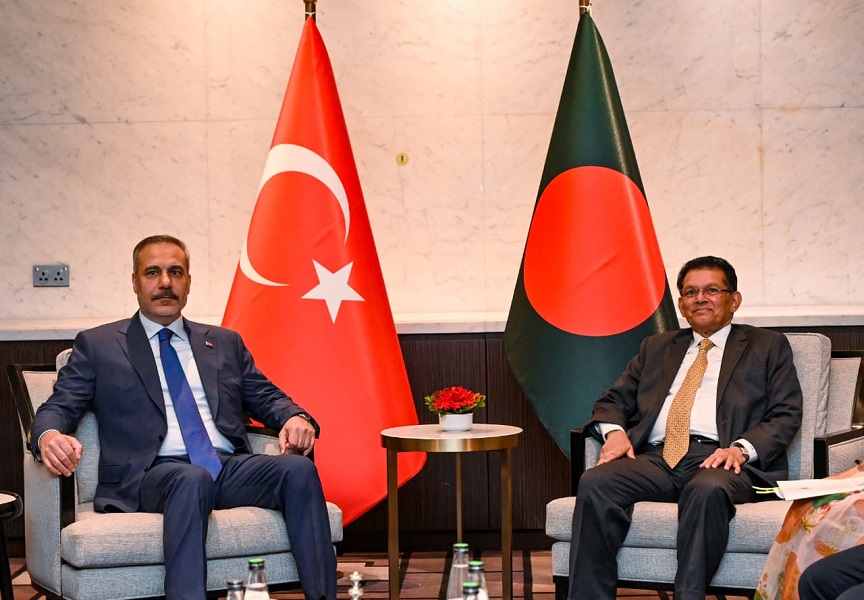
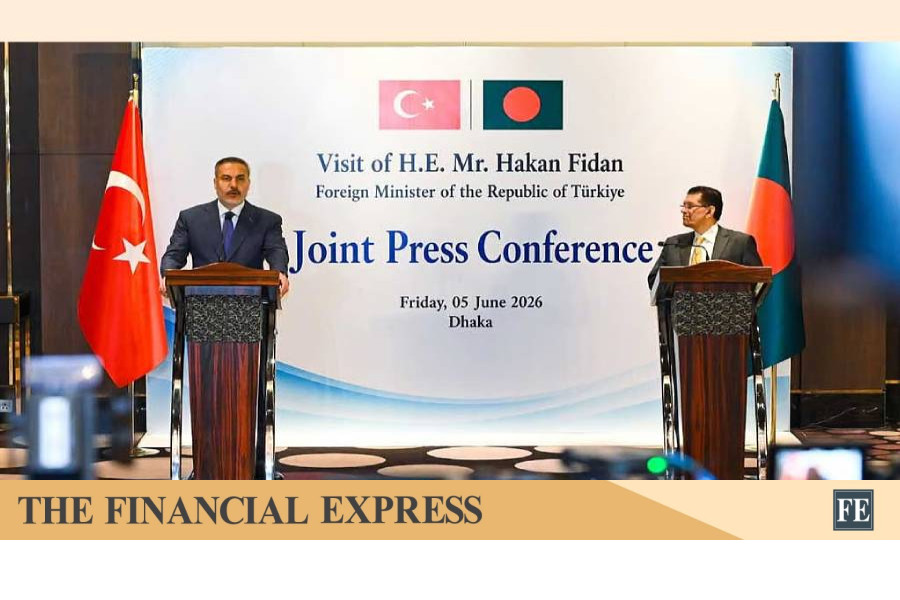
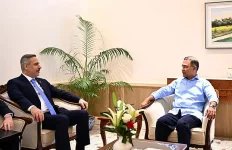
The foreign minister made the remarks while speaking at a joint press briefing with Minister of Foreign Affairs of Turkiye Hakan Fidan at a city hotel following a bilateral meeting.

Khalilur Rahman said they emphasised that the visit comes at a significant moment of Bangladesh-Turkiye relations and demonstrates the shared commitment of both countries to deepen cooperation and elevate the bilateral partnership to a strategic level.

Different bilateral, regional and global issues, including Rohingya crisis, Free Trade Agreement (FTA) and Preferential Trade Arrangement (PTA), were discussed at the meeting.

As per the directives of Prime Minister Tarique Rahman, Khalilur Rahman said, they shed light on the possibility to sign an FTA with Turkiye.

"Alternatively, we also discussed possibility of a Preferential Trade Agreement. We discussed about the scope to promote bilateral trade," he said, noting that there is a steady growth in bilateral trade between Bangladesh and Turkiye.

The two countries vowed to work towards further increasing the trade volume to US$ 2 billion from the existing $ 1.3 billion.

Khalilur Rahman apprised his Turkish counterpart of the incentives for foreign investors in Bangladesh and invited the prospective Turkish investors to invest in different Private Economic Zones and Special Economic Zones in Bangladesh.

"We offered our support towards Turkiye to establish a dedicated SEZ in Bangladesh," he said, adding that they also requested expansion of cooperation by the Turkish Cooperation and Coordination Agency (TIKA) towards investment, trade, and industrial partnerships, taking advantage of Bangladesh's current political stability, business-friendly environment, and growing market.

Turkish Foreign Minister Hakan Fidan said they are continuing their efforts to strengthen relationship with Bangladesh and take it to new heights.

He extended his country's support to Bangladesh in ensuring voluntary and dignified repatriation of Rohingyas to their homeland.

Hakan Fidan said Bangladesh has demonstrated a historical sacrifice and appreciated its efforts to address the Rohingya issue.

The Turkish foreign minister is now in Dhaka on a two-day visit at the invitation of his Bangladesh counterpart. He will also meet Prime Minister Tarique Rahman.

Hakan Fidan also visited the Rohingya camps in Cox's Bazar, where he inspected humanitarian assistance projects carried out by the TIKA, the Disaster and Emergency Management Authority of Turkiye, the Turkish Red Crescent, the Turkish Diyanet Foundation and Turkiye's Health Ministry, and visited the Turkish Field Hospital operating in the camps.

"The engagement (Friday morning) truly reflects the long-standing partnership between Bangladesh and Turkiye. We have been maintaining extraordinary relationship with Turkiye," Khalilur Rahman said.

The two sides believe that this visit will deepen and widen mutually beneficial cooperation, collaboration, and understanding between the two countries.

The foreign minister expressed Bangladesh's gratitude to the Turkish government for its substantial support for Bangladesh's candidature for the presidency of the 81st session of the United Nations General Assembly. "We are very pleased to receiving you in Dhaka after winning the UN PGA81."

He said the foreign policy of the government, led by Prime Minister Tarique Rahman, is guided by the philosophy: 'Bangladesh Before All'.

"This principle reflects our resolute commitment to safeguarding Bangladesh's independence, sovereignty, national interests and the welfare of our people. At the same time, it also reflects our belief that beyond our borders we have friends and partners, not masters," said Khalilur Rahman.

Bangladesh believes strongly in diplomacy based on equality, fairness, and mutual respect, he said. "We are committed to building constructive bilateral and multilateral relations with all countries of the world."

The foreign minister said their approach of cooperation is based on shared interests, respect for international rules and a spirit of partnership and friendship.

He said they also believe that multilateral cooperation is essential in addressing the global challenges of their time.

Bangladesh under the leadership of Prime Minister Tarique Rahman has been striving to expand trade, attract investment, promote technology transfer and create new opportunities for mutually beneficial partnerships, Khalilur Rahman said.

"We believe that stronger economic cooperation benefits not only Bangladesh but also our partners around the world. At the same time, we remain committed to strengthening regional cooperation and building deeper partnerships and friendship across the globe," he said.

Bangladesh has been pursuing the positive and broad-based foreign policy approach followed during the era of Shaheed President Ziaur Rahman.

In this context, Khalilur Rahman said Bangladesh will continue to conduct its diplomatic efforts based on the principles of sovereign equality, non-interference in internal affairs, protecting national dignity and honour, and mutual respect and reciprocity.

"We proposed that Turkiye may build or develop an international standard hospital and nursing institute in Dhaka, where the Bangladesh government may provide land or infrastructure with nominal value," he said.

Bangladesh also requested Turkiye to receive more Bangladeshi students with scholarships for their higher studies there.

Currently, around 3,000 Bangladeshi nationals are living in Turkiye and most of them are students. Bangladesh requested the Turkish foreign minister to facilitate Turkish visas for Bangladeshi nationals to enhance people-to-people contacts, promote cooperation in culture, tourism, education, widen trade, commerce and investment, and strengthen business-to-business contacts.

One of the most pressing humanitarian and diplomatic challenges facing Bangladesh today is the Rohingya crisis, said Khalilur Rahman.

He said Bangladesh continues to host a large number of displaced people and this situation cannot continue indefinitely. "Our priority is the safe, voluntary, Rohingya people on humanitarian grounds."

The foreign minister said Bangladesh remains committed to working closely with all stakeholders to find a durable and peaceful resolution to this crisis.

He said they are grateful that Turkiye has been playing a commendable role in extending humanitarian assistance and diplomatic support to resolve the crisis.​
 

Bangladesh-Türkiye sign MoU to protect cultural property, heritage

UNB

Published :
Jun 05, 2026 19:22
Updated :
Jun 05, 2026 19:22

1780712784256.webp


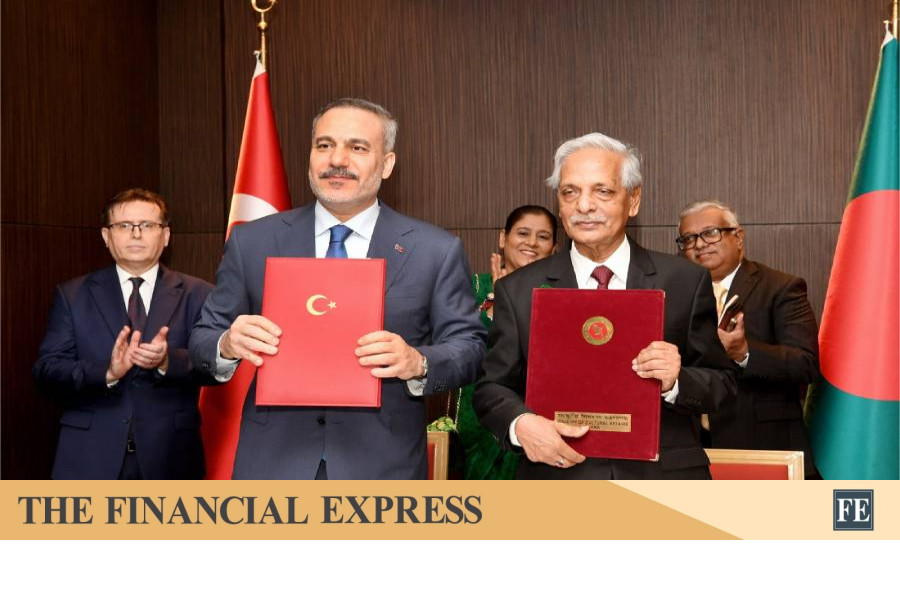
A Memorandum of Understanding (MoU) on the protection of cultural property has been signed between Bangladesh and Türkiye, marking a new milestone in the existing historical and cultural ties between the two countries.

The MoU was signed on Friday at a formal ceremony held in Dhaka.

On behalf of the government of Bangladesh, Cultural Affairs Minister Nitai Roy Chowdhury, and on behalf of the government of the Republic of Türkiye, Minister of Foreign Affairs Hakan Fidan signed the MoU.

The ceremony was attended by Foreign Minister of Bangladesh Dr. Khalilur Rahman and State Minister for Foreign Affairs Shama Obaed Islam, as special guests.

Senior officials from the Ministries of Cultural Affairs and Foreign Affairs of both countries, along with a high-level delegation from Türkiye, were also present.

The MoU aims to strengthen long-term institutional cooperation between Bangladesh and Türkiye in the preservation, protection, restoration, and promotion of cultural heritage.

Under the MoU, both countries will collaborate in the preservation of historical and cultural heritage, archival documents, library materials, museum management, digitization, and restoration initiatives.

It has been developed in continuation of the cultural agreement signed between the two countries on March 09, 1981, and the cooperation programme signed on April 12, 2012, covering education, science, culture, arts, press and information, youth, and sports.

Under the framework of the MoU, Bangladesh and Türkiye will work jointly in line with the UNESCO 1970 convention to prevent the illicit import, export, and transfer of ownership of cultural property.

The two countries will also enhance cooperation in archaeological research, application of modern technologies, disaster risk reduction, documentation, and inventory mapping of cultural resources.

Speaking on the occasion, Minister for Cultural Affairs Nitai Roy Chowdhury said this MoU will further deepen and expand the historic and friendly relations between Bangladesh and Türkiye.

“The advanced archaeological technologies and expertise of Türkiye will play an important role in preserving Bangladesh’s rich cultural heritage,” he said.

Foreign Minister of Türkiye praised Bangladesh’s rich history and cultural legacy and reaffirmed Türkiye’s full support and cooperation for the successful implementation of the agreement.

The signing of this MoU is expected to open a new horizon of cultural cooperation between Bangladesh and Türkiye and serve as a significant milestone in safeguarding the shared values of heritage and civilization, Bangladesh said.​
 

Turkey seeks to raise bilateral trade volume with Bangladesh to $2b

bdnews24.com

Published :
Jun 05, 2026 19:58
Updated :
Jun 05, 2026 19:58

1780713671712.webp


Turkey is exploring ways to increase its bilateral trade with Bangladesh from $1.3 billion to $2 billion, Turkish Foreign Minister Hakan Fidan has said.

Speaking at a joint briefing in Dhaka on Friday after talks with Bangladesh Foreign Minister Khalilur Rahman, Fidan said the two countries were examining potential measures to expand trade and economic cooperation.

“We are exploring potential initiatives to increase our bilateral trade volume from $1.3 billion to $2 billion,” he said.

Fidan arrived in Dhaka on Thursday for a three-day visit as part of a broader tour of several Asian countries that began on Jun 2.

His official engagements started on Friday morning with a bilateral meeting at the InterContinental Dhaka, led by the two foreign ministers.

The talks were followed by a one-to-one meeting between the ministers.

Following the discussions, Bangladesh and Turkey signed a memorandum of understanding on the preservation of cultural heritage.

Culture Minister Nitai Roy Chowdhury signed the agreement on behalf of Bangladesh, while Fidan signed for Turkey.

At the joint briefing, the two ministers outlined key areas of discussion and their positions on regional and global issues, although no questions were taken from the media.

Fidan said the talks focused on bilateral relations, cooperation in international organisations, and regional and global developments.

“We are continuing our efforts to deepen our long-standing partnership across a broad spectrum and elevate it to a much stronger and more visionary level on solid foundations,” he said.

Highlighting prospects for closer defence cooperation, he said the two countries could take further steps to strengthen collaboration, particularly in the defence industry.

Describing Bangladesh as a strong voice of the Global South, Fidan said the country also holds strategic importance for stability, peace, and security in South Asia.

Referring to international and regional issues, he said the two sides had agreed to strengthen cooperation and coordination on matters where their positions align.

“Bangladesh bears an immense humanitarian responsibility during this period of growing global challenges. The tragedy faced by the Rohingya Muslims, unfortunately, continues,” he said.

Fidan said Turkey would continue its efforts to keep the Rohingya crisis on the international agenda.

Referring to the “deep-rooted historical ties” between the two nations, he said Turkey remained committed to strengthening its multifaceted relationship with Bangladesh and contributing to peace, stability, and prosperity in South Asia.​
 

PM invites Turkish president to visit Bangladesh

BSS

Published :
Jun 06, 2026 19:10
Updated :
Jun 06, 2026 19:10

1780790831866.webp


Bangladesh and Turkey have agreed to establish two ministerial-level joint committees, including one on defence cooperation, as part of efforts to strengthen bilateral political and strategic relations.

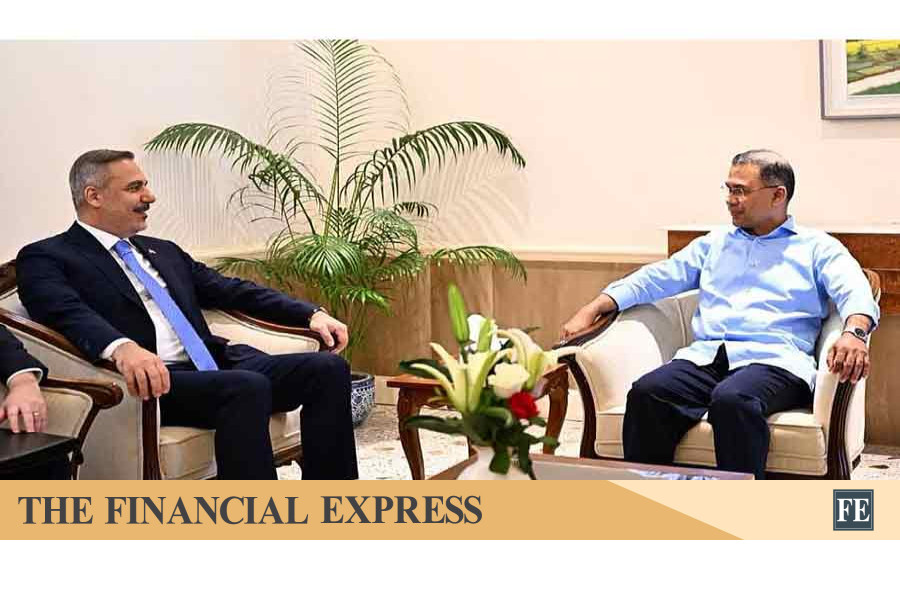
The decision came during a meeting between Turkish Foreign Minister Hakan Fidan and Prime Minister Tarique Rahman in Dhaka on Saturday.

The Prime Minister’s Office (PMO) said the discussions focused on expanding cooperation through structured ministerial engagement.

Both sides also agreed that foreign minister-level meetings will be held annually to further strengthen strategic ties, the PMO added.

A wide range of issues came up in the talks, including trade, investment, and the Rohingya crisis, it said.

The premier thanked Turkey for its support for Foreign Minister Khalilur Rahman’s candidacy for the presidency of the 81st session of the United Nations General Assembly.

Khalilur, Foreign Affairs Advisor Humaiun Kobir, and State Minister Shama Obaed attended the meeting.

Fidan arrived in Dhaka on Thursday for a three-day visit.

He held talks with Khalilur on Friday, later visited Cox’s Bazar to observe the Rohingya situation, and returned to the capital before his scheduled departure on Saturday evening.​
 

Bangladesh, Turkiye to form minister-level joint committee on defence, foreign affairs

BSS
Published: 06 Jun 2026, 17: 47

1780793005456.webp


Turkish Foreign Minister Hakan Fidan met with Prime Minister Tarique Rahman at the Prime Minister’s Office (PMO) in Tejgaon today. Photo: PMO

Bangladesh and Turkiye have decided to form a joint committee at the minister level on defence and foreign affairs to strengthen bilateral relations.

The decision was taken during a meeting between Prime Minister Tarique Rahman and Turkish Foreign Minister Hakan Fidan at the Prime Minister's Office (PMO) in the city's Tejgaon area this afternoon, according to the Prime Minister's Press Wing.

The Press Wing said that the meeting also decided to hold annual meetings at the foreign minister level between the two countries to strengthen strategic relations.

The meeting expressed the hope that both countries would work together in the areas of trade, investment, production, and resolving the Rohingya crisis.

At the beginning of the meeting, Prime Minister Tarique Rahman welcomed the Turkish Foreign Minister Hakan Fidan.

The Prime Minister thanked the government of Turkiye for its continued support to the people and government of Bangladesh and for supporting Bangladesh's candidate for the presidency of the 81st session of the United Nations General Assembly (UNGA).

Foreign Minister Khalilur Rahman, State Minister Shama Obaed Islam and Prime Minister's Adviser for Foreign Affairs Humaiun Kobir were present at the meeting.

Hakan Fidan arrived in Dhaka from Seoul on Thursday night on a three-day visit to Bangladesh.

On Friday, he held a bilateral meeting with Bangladesh Foreign Minister Khalilur Rahman at Hotel InterContinental in Dhaka.

Fidan later travelled to Cox's Bazar to observe the situation of the Rohingyas.​
 

Turkey-BD strategic partnership: Opportunities and challenges

Mir Mostafizur Rahaman

Published :
Jun 08, 2026 23:38
Updated :
Jun 08, 2026 23:38

1780961906691.webp


The recent visit of Turkish Foreign Minister Hakan Fidan to Dhaka may, in hindsight, be remembered as more than a routine diplomatic engagement. It signalled a growing convergence between two countries that increasingly view each other as strategic partners rather than merely friendly states connected by historical goodwill and shared cultural affinities.

Both Bangladesh and Turkey have expressed a desire to elevate their relationship to a strategic level. They have set an ambitious target of increasing bilateral trade from approximately $1.3 billion to $2 billion and have discussed negotiations for a Free Trade Agreement (FTA) or a Preferential Trade Agreement (PTA). Even more significantly, the two countries have explored deeper defence-industrial cooperation, including the possibility of establishing defence manufacturing facilities in Bangladesh.

For Bangladesh, the emerging partnership represents both an opportunity and a test. The opportunity lies in economic diversification, technological advancement and strategic autonomy. The test lies in ensuring that a closer relationship with Ankara strengthens national interests without creating new geopolitical or domestic vulnerabilities.

The economic logic behind deeper cooperation is compelling.

Bangladesh and Turkey possess largely complementary economies. Bangladesh has established itself as one of the world's leading garment exporters, while Turkey has developed a diversified industrial base spanning textiles, machinery, automotive components, chemicals, defence products and advanced manufacturing.

If trade is to reach the $2 billion target, both sides will need to move beyond their current patterns of exchange.

Turkey can significantly expand exports of industrial machinery, textile machinery, electrical equipment, construction materials, chemicals, pharmaceuticals and agricultural technology to Bangladesh. Turkish expertise in transport infrastructure, urban planning and energy projects could also find a substantial market in a rapidly urbanising Bangladesh.

For Bangladesh, opportunities exist in expanding exports of ready-made garments, pharmaceuticals, leather goods, ceramics, jute products, frozen food and information technology services. Turkish markets may also provide new opportunities for Bangladeshi agricultural and processed food products.

The proposed FTA or PTA could be particularly significant.

Bangladesh faces a major challenge as it prepares for graduation from the UN's Least Developed Country (LDC) category. The loss of certain trade preferences will require the country to secure alternative market access arrangements. A trade agreement with Turkey could help Bangladeshi exporters maintain competitiveness while opening access to a market that serves as a gateway between Europe, Central Asia, the Middle East and North Africa.

However, trade agreements alone do not guarantee success. Both governments will need to address logistical barriers, customs procedures, banking connectivity and investment protection mechanisms if trade ambitions are to become a reality.

The most consequential aspect of the emerging relationship may lie in defence cooperation.

Over the past two decades, Turkey has transformed itself into one of the world's fastest-growing defence exporters. Turkish firms have gained international recognition for producing drones, naval platforms, armoured vehicles, electronic warfare systems and missile technologies at competitive prices.

Bangladesh's interest in Turkish defence technology reflects a broader effort to modernise its armed forces while diversifying procurement sources.

Historically, Bangladesh has relied heavily on a limited number of suppliers. Strategic dependence on any single source creates vulnerabilities. Cooperation with Turkey offers an opportunity to diversify acquisitions, access modern technologies and potentially develop indigenous manufacturing capabilities.

The discussion about establishing defence industries in Bangladesh deserves particular attention.

If structured properly, such cooperation could generate several benefits.

First, it could facilitate technology transfer. Bangladesh has long aspired to move from being a buyer of military equipment to becoming a producer of selected defence systems.

Second, local manufacturing could create skilled jobs and support the development of advanced engineering capabilities.

Third, defence-industrial investments often generate spillover benefits for civilian industries, including electronics, precision engineering, software development and advanced manufacturing.

Fourth, local production could reduce foreign exchange pressures associated with importing defence equipment.

Yet defence cooperation also carries regional implications.

South Asia remains one of the world's most sensitive security environments. Any major expansion of Bangladesh's defence capabilities will be closely watched by neighbouring countries.

Bangladesh's defence modernisation programme predates the current government and reflects long-standing national objectives. The country's military doctrine remains largely defensive, focused on territorial security, maritime protection, peacekeeping operations and disaster response.

In fact, greater self-reliance in defence production could potentially contribute to stability by reducing external dependencies and enhancing national resilience.

In this connection, any concern over enhancing Bangladesh's defence capabilities expressed by any quarter should be examined carefully avoiding simplistic assumptions.

Turkey under President Recep Tayyip Erdo?an has certainly projected a more visible Islamic identity in international affairs than many Western allies. Ankara has actively engaged Muslim-majority countries through cultural diplomacy, educational exchanges, humanitarian assistance and religious institutions.

Yet equating Turkish influence with radicalisation would be analytically flawed.

Turkey remains a state with competitive elections, modern institutions, a diversified economy and longstanding engagement with NATO and European markets. Its political model differs significantly from that of transnational extremist movements.

The key determinant will not be Turkey's presence itself but the nature of the engagement.

Economic investments, trade agreements, industrial cooperation and educational exchanges are constructive engagements. Indeed, economic development and employment opportunities often strengthen social stability rather than weaken it.

The real challenge lies in ensuring transparency regarding foreign-funded educational, religious and cultural activities. This principle should apply not only to Turkey but to all external actors operating in Bangladesh, whether from the Middle East, South Asia, East Asia or the West.

Bangladesh has its own political traditions, constitutional framework and social realities. The country's institutions ultimately determine how foreign influences are absorbed, adapted or rejected.

A confident state does not fear engagement with the outside world. It manages such engagement through effective regulation and strong institutions.

There is also a broader geopolitical dimension to consider.

Bangladesh has traditionally pursued a foreign policy based on balance and diversification. It maintains productive relations with India, China, the United States, Japan, the European Union and Middle Eastern partners.

Turkey's emergence as a more important partner fits naturally within this approach.

Rather than replacing existing relationships, Ankara can become another pillar in Bangladesh's multidirectional diplomacy. Such diversification enhances strategic flexibility and reduces excessive dependence on any single external actor.

The success of the Bangladesh-Turkey partnership will therefore depend less on diplomatic declarations and more on implementation.

Can the two countries actually increase trade by more than 50 per cent? Can they negotiate commercially meaningful trade agreements? Can defence cooperation deliver genuine technology transfer rather than simple procurement? Can investment flows create sustainable economic value?

These are the questions that will determine whether the current momentum evolves into a genuine strategic partnership.

For Bangladesh, the stakes are significant. A successful partnership with Turkey could support economic diversification, industrial upgrading and greater strategic autonomy. Failure, on the other hand, would reduce the relationship to symbolic diplomacy and unrealised promises.

The opportunity is real. So are the challenges.

What matters now is whether both countries can transform political goodwill into measurable outcomes that serve their long-term national interests while contributing to regional stability and economic prosperity.​
 

What message did the Turkish foreign minister leave behind?
Announcement of 3 new frameworks, including ‘2+2 dialogues’.

Ankara seeks to institutionalise defence and political cooperation


Raheed Ejaz

1781071159899.webp

Turkish Foreign Minister Hakan Fidan and Bangladesh’s Foreign Minister Khalilur Rahman at a joint press conference following bilateral talks in Dhaka on 6 June 2026. File Photo: Collected

In December 2020, the then Turkish Foreign Minister Mevlüt Çavuşoğlu visited Dhaka. Highlighting the significance of that pre Covid-19 pandemic visit, the Turkish foreign ministry quoted Çavuşoğlu on its website, stating, “Bangladesh is one of South Asia’s rising stars and a crucial partner in our Asia Anew initiative.”

Six years later, Turkey’s incumbent Foreign Minister, Hakan Fidan, arrived in Bangladesh. Following a three-day visit, he has now departed. During his stay, he held talks with Foreign Minister Khalilur Rahman and paid a courtesy call on Prime Minister Tarique Rahman.

In that meeting, three frameworks were announced to elevate bilateral relations to the next level. These include: annual ‘2+2 dialogues’ involving the Foreign and Defence Ministers of both countries; upgrading the annual foreign ministry-level meetings to the ministerial level; and forming a consultative committee under the foreign ministry to further strengthen political, economic, and strategic cooperation.

What Mevlüt Çavuşoğlu said six years ago about Bangladesh’s importance to Turkey has now been reinforced by Hakan Fidan, who, during his first visit to Dhaka, clearly outlined what Ankara intends to do for advancing the relationship with Dhaka to the next level.

At present, major and emerging global powers regularly hold annual ‘2+2 dialogues’ with key partners, bringing together foreign and defence ministers. These meetings address not only bilateral and international relations but also crucial defence and security issues.

Three frameworks were announced to elevate bilateral relations to the next level. These include: annual ‘2+2 dialogues’ involving the Foreign and Defence Ministers of both countries; upgrading the annual foreign ministry-level meetings to the ministerial level; and forming a consultative committee under the foreign ministry to further strengthen political, economic, and strategic cooperation.

Turkey currently holds regular meetings under this framework with four countries—the United States, Japan, the Netherlands and India. Bangladesh has now become the fifth country to join that list. Turkey also holds ‘2+2 dialogues’ with Ukraine and Indonesia, though on a less regular basis.

According to diplomatic observers, the three new institutional frameworks announced during Hakan Fidan’s visit indicate that Ankara no longer wishes to confine its relationship with Dhaka to trade and development cooperation alone.

Instead, Ankara is seeking to place bilateral ties on a more institutionalised and long-term footing by incorporating security, defence and strategic cooperation. The move also reflects Turkey’s growing strategic interest in Bangladesh.

The question now is where does Bangladesh fit within Turkey’s priorities and what is the significance of its Asia Anew policy or initiative? Also how does Ankara intend to advance its relationship with Dhaka forward?

1781071220590.webp

Turkish Foreign Minister Hakan Fidan is welcomed with flowers upon his arrival in Dhaka. File photo: Ministry of Foreign Affairs.

What is Turkey’s Asia Policy?
According to information published on the website of Turkey’s Ministry of Foreign Affairs, President Recep Tayyip Erdoğan’s government unveiled its foreign policy initiative titled Asia Anew in August 2019. The initiative was launched basically to strengthen relations with Asian countries across political, economic, cultural, educational and strategic spheres.

We continue our efforts to further deepen our long-standing partnership across a broad spectrum and elevate it to a stronger and more visionary level on a solid foundation------Hakan Fidan, Foreign Minister, Turkey.

Turkey adopted the Asia Anew initiative, recognising that the centre of gravity of the global economy and geopolitics is increasingly shifting towards Asia. Its objective is to make Turkey’s relations with Asian countries more organised, consistent and sustainable through regional, sub-regional and country-specific strategies.

One of the initiative’s key priorities is to increase trade, economic cooperation and investment flows with Asian countries on the basis of mutual interests.

Core priorities of the framework
Turkey’s Asia policy is built around four main pillars: strengthening cooperation at the governmental level; expanding private-sector cooperation alongside trade and investment; enhancing collaboration in education, science and technology; and promoting cultural exchanges and people-to-people engagement.

Ankara is considering ways to increase bilateral trade with Bangladesh from US$1.3 billion (130 crore) to US$2 billion (200 crore).

During his visit to Dhaka, Hakan Fidan said, “We can take steps to expand our cooperation in various fields, particularly in the defence industry.”

Turkey has begun to view Bangladesh not merely as a bilateral partner but as a strategic one. The ‘2+2 dialogue’ framework is generally introduced with countries where security and defence cooperation has reached a significant level.

The Asia Anew initiative places particular emphasis on expanding cooperation in high value-added and technology-driven industries, tourism, the economy, the defence sector, infrastructure, transport, logistics, green energy and sustainable development.

Turkey’s foreign policy initiative towards Asia encompasses South Asian countries including Bangladesh, India, Pakistan, Sri Lanka and the Maldives; all ASEAN member states; East Asian countries such as China, Japan and South Korea; as well as countries in Central Asia and the Pacific region.

1781071328239.webp

Recep Tayyip Erdoğan. He announced the Asia Anew foreign policy initiative in 2019. File Photo: AFP

Why Bangladesh matters
For Bangladesh, the Asia Anew initiative is becoming increasingly important. It has created a policy framework through which Turkey is expanding Dhaka-Ankara relations to a new level.

Particularly in recent years, emphasis has been placed on defence cooperation, trade and investment, infrastructure development, higher education exchanges, technology and innovation, the blue economy, and maritime cooperation.

Attention would now focus on what specific steps are taken to elevate Dhaka-Ankara relations to a strategic level. Overall, it is clear that cooperation between the two countries is set to deepen in the future-----ANM Muniruzzaman, President, BIPSS.

Speaking at a joint press conference following bilateral talks in Dhaka, Hakan Fidan said, “We continue our efforts to further deepen our long-standing partnership across a broad spectrum and elevate it to a stronger and more visionary level on a solid foundation.”

From bilateral cooperation to strategic partnership
Turkey has begun to view Bangladesh not merely as a bilateral partner but as a strategic one. The ‘2+2 dialogue’ framework is generally introduced with countries where security and defence cooperation has reached a significant level.

Bringing foreign and defence ministers together under a single framework signals an intention to elevate the relationship beyond trade and development cooperation to include security and geopolitical dimensions.

Turkey seeks to establish a long-term and institutionalised relationship with Bangladesh. Relationships that depend heavily on individuals or particular governments often weaken with political change. By introducing annual foreign minister-level meetings and establishing an advisory committee, Turkey is signalling its interest in placing the relationship on a regular, structured and enduring footing.

1781071416151.webp

Turkish Foreign Minister Hakan Fidan pays a courtesy call on Prime Minister Tarique Rahman during his visit to Bangladesh. File Photo: Ministry of Foreign Affairs

Bangladesh’s strategic importance to Turkey has grown considerably.

More broadly, alongside India, Bangladesh has emerged as one of South Asia’s fastest-growing economies, with a significant geopolitical position centred on the Bay of Bengal and an important role within the Muslim world. As a result, under the Asia Anew initiative, Turkey now attaches greater importance to Bangladesh as a regional partner than at any previous time.

Major General (retd.) ANM Muniruzzaman, president of the security think tank the Bangladesh Institute of Peace and Security Studies (BIPSS), believes that the three frameworks agreed upon by the two countries to take relations to the next level will add a new dimension to the partnership.

Speaking to Prothom Alo, ANM Muniruzzaman said attention would now focus on what specific steps are taken to elevate Dhaka-Ankara relations to a strategic level.

Overall, he said, it is clear that cooperation between the two countries is set to deepen in the future.​
 

Attachments

  • 1781071516651.webp
    1781071516651.webp
    51 KB · Views: 27

Bangladesh–Türkiye relations: Towards a disciplined strategic partnership

Tariq Karim

1782087813869.webp

Turkish Foreign Minister Hakan Fidan meets Bangladesh’s Foreign Minister Khalilur Rahman during his visit to Dhaka on June 5, 2026.

Bangladesh and Türkiye like to describe their relationship as brotherly, historic and increasingly strategic. The words are sincere. They are also insufficient. History gives Dhaka and Ankara emotional depth. The challenge now is to turn that warmth into meaningful strategic depth.

At a moment when both countries are searching for greater autonomy in a restless international order, Dhaka and Ankara must move beyond ceremonial warmth and build a partnership measured by delivery: trade, defence cooperation, humanitarian diplomacy, education, technology and people-to-people ties. Both countries are, in a sense, “bridge countries”: Türkiye between Asia and Europe, and Bangladesh between West-South Asia and Southeast-East Asia.

The emotional foundation is real. The connection between the Turks and Bengal reaches back to the early thirteenth century, when Ikhtiyaruddin Muhammad Bakhtiyar Khalji entered Bengal and, between 1202 and 1205, established Muslim authority over Gaur, later known as Lakhnauti. That period brought new administrative practices, encouraged the growth of mosques, madrasas and khanqahs, and laid the foundations of Muslim rule in Bengal.

Hazrat Shah Jalal, who came to Sylhet in 1303 with over 300 Sufi disciples, deepened the Sufi dimension of Bengal’s Sunni Islamic tradition and remains central to that memory. Hazrat Shah Jalal’s legacy reflects a form of religious influence rooted not only in rule, but also in spiritual authority, social service, devotional practice and community-building. The formal twinning of Konya in Türkiye, where the saint’s mother, a direct descendant of the Holy Prophet (PBUH), is buried, and Sylhet in Bangladesh adds another emotional layer to this inheritance. Turkish dynastic rule eventually ended, but its imprint remained in statecraft, architecture, Sufi networks, literature and social life.

That older memory acquired modern emotional force during the Turkish National Struggle. Bengali Muslims followed events in Anatolia with admiration, and Kazi Nazrul Islam’s poem “Kamal Pasha” captured the imagination of generations. Writers such as Kazi Abdul Wadud, Ismail Hossain Siraji, Qazi Motahar Husain and Abul Fazal saw in Mustafa Kemal Atatürk a symbol of renewal, dignity and national awakening. This is why Turkish names and institutions still carry resonance in Bangladesh. The affection is not manufactured; it has cultural roots.

At a moment when both countries are searching for greater autonomy in a restless international order, Dhaka and Ankara must move beyond ceremonial warmth and build a partnership measured by delivery: trade, defence cooperation, humanitarian diplomacy, education, technology and people-to-people ties. Both countries are, in a sense, “bridge countries”: Türkiye between Asia and Europe, and Bangladesh between West-South Asia and Southeast-East Asia.
But history is not policy. Modern diplomacy began cautiously. Türkiye’s close ties with Pakistan, shaped by Cold War alignments, delayed its recognition of Bangladesh. Ankara recognised Bangladesh on 22 February 1974 at the OIC Summit in Lahore; its embassy in Dhaka opened in 1976, and Bangladesh opened its embassy in Ankara in 1981. That delayed beginning is worth remembering because it offers a useful lesson: even emotionally connected nations must navigate hard geopolitical realities.

Since then, the relationship has advanced through visits, symbolism and institutional cooperation. President Ziaur Rahman visited Ankara in 1976; Turkish Prime Minister Turgut Özal visited Bangladesh in 1986; President Süleyman Demirel attended Bangladesh’s silver jubilee celebrations in 1997; and both countries became co-founders of the Developing-8 group in 1998. Later visits by President Abdullah Gül, Recep Tayyip Erdoğan, Sheikh Hasina and President Abdul Hamid kept the relationship politically active. Yet visits and declarations, however useful, cannot define a twenty-first-century partnership.

The relationship has also known strain. In 2016, Türkiye’s reaction to the trials and executions of Jamaat-e-Islami leaders convicted of war crimes during Bangladesh’s Liberation War created diplomatic discomfort, including the temporary withdrawal of Ankara’s ambassador after the execution of Motiur Rahman Nizami. Relations recovered after Bangladesh strongly condemned the attempted coup against the Erdoğan government in July 2016. The episode showed that political sensitivities can disrupt even friendly ties. It also showed that the relationship is durable enough to recover when both sides decide that the larger interest matters more than temporary disagreement.

That larger interest is now becoming clearer. In 2026, Turkish Foreign Minister Hakan Fidan’s visit to Dhaka signalled a shift towards a more structured relationship. Bangladesh and Türkiye discussed annual foreign office consultations, a “2+2” format involving foreign and defence ministers, and mechanisms to coordinate political, economic and strategic cooperation. This is the right direction. A serious partnership needs regular channels, working groups, measurable objectives and the discipline to follow through.

The Rohingya crisis is a moral and practical test of that partnership. Türkiye’s humanitarian engagement in Cox’s Bazar through TİKA, AFAD, the Turkish Red Crescent, the Türkiye Diyanet Foundation and Turkish medical facilities has been visible and much appreciated.

Ankara has also supported the call for a safe, dignified and voluntary return of the Rohingya to Myanmar. For Bangladesh, which continues to carry an enormous humanitarian burden, this support matters. But sympathy is not enough. It must be translated into sustained international advocacy, burden-sharing and diplomatic pressure. The Rohingya issue cannot be allowed to become another frozen humanitarian tragedy.

The wider geopolitical context makes the relationship more relevant. Türkiye is looking eastwards and seeking a larger role across Asia and the Muslim world. Bangladesh is a rising economy in the Bay of Bengal, a moderate Muslim-majority country and an emerging middle power determined to diversify its partnerships without surrendering strategic autonomy.

Their interests may not be identical, but they are increasingly compatible. Both want dignity in international affairs based on a measure of strategic autonomy, more economic options, and greater technological and defence capability. That convergence should be used wisely.

Trade is where ambition has most clearly outrun performance. Bilateral trade has hovered around the one-billion-dollar mark, while recent discussions have aimed to raise it to about two billion dollars. Bangladeshi exports to Türkiye remain concentrated in apparel and jute; Türkiye supplies cotton, machinery, chemicals and industrial inputs. A Free Trade Agreement or Preferential Trade Agreement may help, but only if it is tied to practical trade facilitation, better market access, clearer investment incentives and quicker mechanisms for resolving business difficulties. Bangladesh should attract Turkish investment into economic zones in textiles, pharmaceuticals, ICT, shipbuilding, infrastructure, renewable energy and smart technologies. Türkiye should see Bangladesh not simply as a market, but as a production base and regional economic partner.

Defence cooperation may become the most consequential pillar. Bangladesh signed an agreement with Türkiye on military training, education and cooperation as early as 1981. In recent years, cooperation has expanded into equipment supply, training, technology transfer and discussions on joint production. Turkish platforms, including armoured vehicles, rocket systems, radar, surveillance equipment and drones, have drawn interest in Bangladesh as Dhaka seeks to diversify procurement and build domestic capacity. The real opportunity is not merely to buy equipment, but to develop transparent defence-industrial cooperation involving maintenance, training, technology transfer, local manufacturing and joint research where feasible.

People-to-people contact should not be treated as a soft add-on. It is a strategic asset. Türkiye offers scholarships to Bangladeshi students; educational, medical and tourism links are growing; and cultural curiosity runs in both directions. Bangladesh should send more students, researchers, professionals and entrepreneurs to Türkiye, while Türkiye should invest more seriously in language learning, technology training, medical collaboration and academic partnerships in Bangladesh. Long-term partnerships are not built only in ministries; they are built in classrooms, hospitals, business chambers and cultural spaces.

The wider geopolitical context makes the relationship more relevant. Türkiye is looking eastwards and seeking a larger role across Asia and the Muslim world. Bangladesh is a rising economy in the Bay of Bengal, a moderate Muslim-majority country and an emerging middle power determined to diversify its partnerships without surrendering strategic autonomy. Their interests may not be identical, but they are increasingly compatible. Both want dignity in international affairs based on a measure of strategic autonomy, more economic options, and greater technological and defence capability. That convergence should be used wisely.

The task, therefore, is to build mechanisms, not merely memories. Dhaka and Ankara should institutionalise regular foreign office consultations, defence dialogue, joint economic commission meetings, business forums, academic exchanges and cultural programming. They should cooperate more actively in multilateral platforms, especially on humanitarian crises, development finance, climate vulnerability, food security and the rights of displaced people.

Bangladesh should use Türkiye’s industrial and technological strengths to support its own development priorities. Türkiye, in turn, should recognise Bangladesh’s strategic agency and regional weight.

Bangladesh–Türkiye relations have a rare advantage: they begin with history, are sustained by sentiment and now have a practical strategic logic. But no partnership matures through nostalgia alone. Dhaka and Ankara can continue to celebrate an old friendship in polite diplomatic language, or they can give that friendship modern substance. The second path is harder. It is also the one worth taking.

Ambassador (Retired) Tariq Karim, a former career diplomat and Ambassador of Bangladesh, is Adviser to the School of Liberal Arts and Social Sciences and the Bay of Bengal Studies Centre at Independent University, Bangladesh, and concurrently a Distinguished Visiting Research Fellow at the Institute of South Asian Studies at the National University of Singapore.​
 

Tarique, Erdogan discuss expanding Bangladesh-Türkiye trade, investment ties


1790132854458.webp

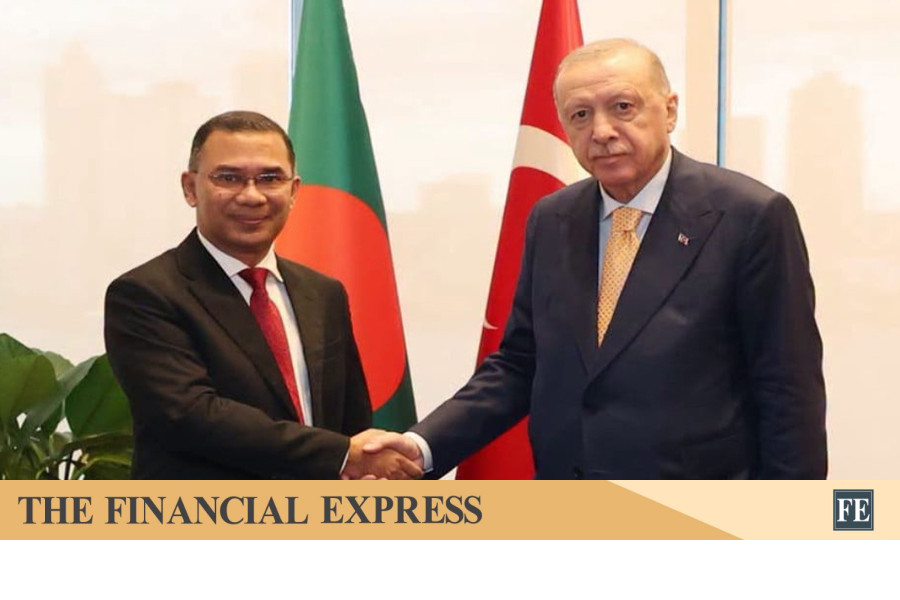
Prime Minister Tarique Rahman and Türkiye’s President Recep Tayyip Erdogan shake hands during a high-level meeting on the sidelines of the 81st session of the UNGA at the Turkish House in New York on Tuesday. — Photo: PMO

Prime Minister Tarique Rahman and Turkish President Recep Tayyip Erdogan discussed ways to expand cooperation between Bangladesh and Türkiye in the areas of economy, trade and investment during a meeting in New York on Tuesday.

The high-level meeting was held at the Turkish House at 821 United Nations Plaza, according to a UNB report.

The two leaders exchanged views on various issues of mutual interest and discussed the scope for further expanding existing cooperation in the economic, trade and investment sectors.

They also discussed important regional and international issues and stressed the need for continued close cooperation and coordination between the two countries.

The two leaders expressed their commitment to further strengthening the long-standing friendly relations between Bangladesh and Türkiye and opening up new areas of cooperation based on mutual interests and shared priorities.​
 

Turkish Airlines eyes three more Dhaka flights

Star Business Report

1790812889346.webp

Photo: Collected

Turkish Airlines is seeking to add three weekly flights on its Dhaka-Istanbul route, raising its services to 10 a week from the current seven, as Bangladesh and Turkey look to strengthen air connectivity.

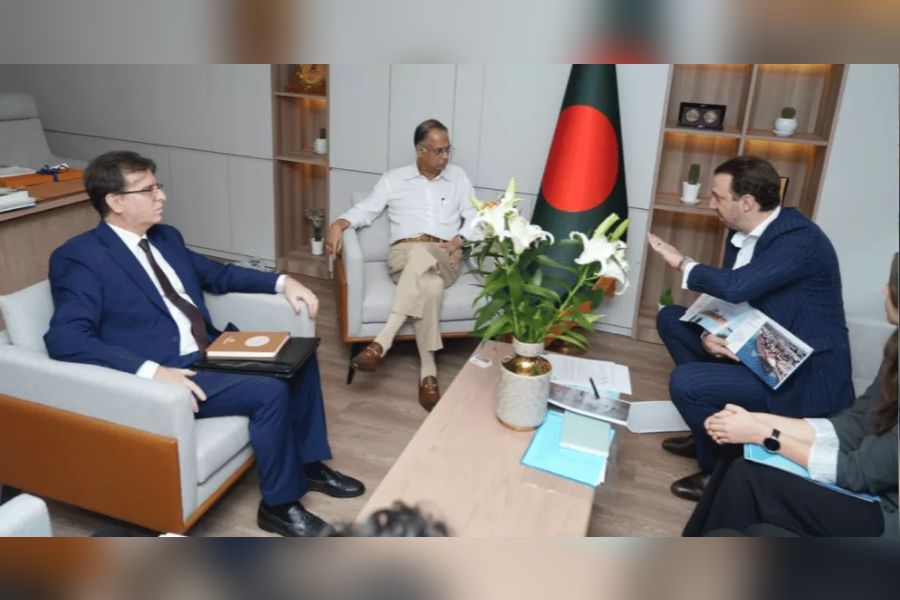
Civil Aviation and Tourism Minister M Rashiduzzaman Millat welcomed the airline’s interest during a meeting with a Turkish delegation at the Secretariat yesterday, saying there would be greater scope for additional flights once the third terminal of Hazrat Shahjalal International Airport becomes operational.

Bangladesh has a growing international passenger market, with more than 1 crore passengers travelling each year, according to industry insiders.

The minister urged Turkish Airlines to consider launching direct flights from Shah Amanat International Airport in Chattogram and Osmani International Airport in Sylhet, citing demand for international travel among people in the two regions, including a large number of expatriate Bangladeshis.

He said additional services from the two airports would make international travel more convenient for passengers and further strengthen connectivity between Bangladesh and Turkey.

Turkish Ambassador to Bangladesh Ramis Şen led the delegation. Bilal Belyurt, commercial counsellor at the Turkish Embassy, and İslam Güre, country manager of Turkish Airlines in Bangladesh, were also present at the meeting.

Turkish Airlines began operations in Bangladesh in December 2010 with four weekly flights between Dhaka and Istanbul via Karachi. It switched to direct Dhaka-Istanbul services on March 25, 2012, initially operating four flights a week.

During the meeting, the two sides discussed ways to strengthen cooperation in aviation, tourism, investment and people-to-people connectivity.

Millat said Bangladesh and Turkey have longstanding friendly relations, with considerable scope for expanding cooperation in tourism, culture and connectivity.

Tourism investment also featured in the discussions.

The minister said the government has taken an initiative to develop 1,498 tourism spots across Bangladesh under public-private partnerships (PPPs) and is encouraging foreign investors to participate in developing infrastructure, management and services at the destinations.

He invited Turkish investors to invest in Bangladesh’s tourism sector, noting that Turkey’s experience in tourism development, hospitality and related industries could contribute to the sector’s growth in Bangladesh.

The two sides also discussed easing visa procedures for Bangladeshi citizens.

Millat said easier visa facilities would help boost travel, business, tourism and people-to-people exchanges between the two countries, calling for effective initiatives by both sides in this regard.

Both sides expressed interest in further strengthening cooperation in aviation, tourism and investment, as well as expanding exchanges between the people of the two countries.​
 

Türkiye offers affordable energy solutions to Bangladesh, including FSRUs, LNG


1791502652673.webp


Türkiye has expressed a keen interest in bolstering energy ties with Bangladesh by offering efficient and cost-effective power solutions, including cheaper Floating Storage and Regasification Units (FSRUs), Liquefied Natural Gas (LNG), and Heavy Fuel Oil (HFO).

The offer was extended when Turkish Ambassador to Bangladesh Ramis Şen paid a courtesy call on Power, Energy and Mineral Resources Minister Iqbal Hassan Mahmood at his Secretariat office on Thursday, reports UNB.

During the meeting, both sides exchanged views on deepening bilateral relations between Bangladesh and Türkiye, focusing heavily on expanding technical and commercial cooperation in the power and energy sector.

Minister Iqbal Hassan Mahmood emphasized the urgent need for affordable and sustainable energy inputs to help operationalize Bangladesh’s idle power plants and enhance overall national energy security.

Ambassador Ramis Şen was accompanied by Bilal Belyurt, Commercial Counsellor of the Turkish Embassy in Dhaka, alongside a delegation from Turkish energy firm Karpowership, including Jad El Sebaaly, Asli Kilic, and Emma Wahlberg.

The Turkish delegation expressed its readiness to present detailed proposals to ministry officials at the earliest opportunity to support Bangladesh’s energy transition efficiently.

Welcoming the initiative, the Minister agreed to hold comprehensive follow-up discussions to examine the technical proposals and identify specific areas of mutual cooperation. Reaffirming Bangladesh's commitment to expanding bilateral energy partnerships, he assured the delegation of continued dialogue.

Ambassador Şen reiterated Türkiye's strong commitment to strengthening multi-sectoral ties with Bangladesh, particularly within the strategic energy landscape.

Md. Ziaul Huq, Secretary of the Energy and Mineral Resources Division, along with other senior officials of the ministry, was present during the meeting.​
 

PM to participate in World Leaders' Summit in Turkiye in November


1792366252022.webp


State Minister for Foreign Affairs Shama Obaed Islam on Sunday informed Türkiye that Prime Minister Tarique Rahman would participate in the World Leaders’ Summit, scheduled for November 11-12.

She also congratulated Türkiye on hosting COP31, which is scheduled to be held in Antalya from November 9-20.

Ambassador of Türkiye to Bangladesh Ramis Şen met the State Minister at her office and enquired about the participation of the Prime Minister of Bangladesh, reports UNB.

During the courtesy meeting, Ambassador Ramis Şen briefed the State Minister on Türkiye’s preparations for the 31st Conference of the Parties to the United Nations Framework Convention on Climate Change (COP31).

The State Minister expressed hope that the leaders of the two countries would have an opportunity to hold a bilateral meeting on the sidelines of the conference.

She emphasised the importance of deepening cooperation between Bangladesh and Türkiye to address climate change and promote sustainable development.

The Presidency of the 2026 UN Climate Change Conference (UNFCCC COP31) will convene a COP31 World Leaders’ Summit in Antalya in November 2026, during the early days of the conference, to give leaders an opportunity “to announce new, concrete, and implementable climate commitments and to launch initiatives that address key gaps and will support positive outcomes in the negotiations.”

Türkiye will host COP31 in Antalya under an arrangement with Australia to share the COP31 presidency, with Australia designated as the “President of Negotiations.”​
 

15 senior officials, including 3 secretaries, to visit Türkiye to gain experience

Arifur Rahman


1793062613503.webp

Flags of Bangladesh and Türkiye


The government is sending 15 senior officials from various ministries and divisions, including three secretaries, on a visit to Türkiye. The aim is to gain experience and seek assistance from Türkiye in areas including defence, education, technology and disaster management. Scheduled for late next month, the visit will be funded by the Turkish government.

The Bangladesh delegation will be led by Shahriar Kader Siddiky, secretary of the Economic Relations Division (ERD). The other two secretaries are Munshi Alauddin Al Azad, secretary of the Ministry of Religious Affairs, and Mohammad Saiful Islam, secretary of the Ministry of Disaster Management and Relief.

Officials from various offices and departments, including the Prime Minister’s Office and the ministries of public administration, defence, industries, science and technology, and commerce, as well as the Health Services Division and the Secondary and Higher Education Division, will also be part of the delegation.

An ERD order has confirmed the visit, stating that the Turkish government will bear all expenses for the Bangladesh delegation.

Officials concerned with the visit said delegation members could not recall whether such a large group of senior government officials had ever visited Türkiye together before. In the past, large groups of government officials have undertaken similar visits to several European countries, Japan and India.

Speaking to several officials named on the delegation list, Prothom Alo learned that the incumbent government is keen to take relations with Türkiye to a new level. Türkiye, too, is attaching considerable importance to its relationship with Bangladesh. Against this backdrop, the 15-member high-level delegation is visiting the country to expand cooperation in various fields, including defence, education, technology and disaster management.

The visit is scheduled for 23–27 November.

Exchanges of visits between the two countries increase

Relations between Bangladesh and Türkiye have experienced tensions in the past. During the ousted Awami League government, the execution of Jamaat-e-Islami's top leaders convicted in war crimes cases relating to crimes against humanity during the 1971 Liberation War created unease in bilateral relations. Türkiye's objections to the trials and executions affected diplomatic ties between the two countries.

Sources within the government said defence trade, investment, joint production and the Rohingya crisis were among the major issues discussed during the Turkish foreign minister's visit. Fidan also spoke of efforts to elevate relations between Bangladesh and Türkiye to a strategic level.

However, relations began to normalise towards the end of the Awami League government's tenure. Bilateral ties gained momentum during the interim government, and government sources say the trend has continued under the current BNP government.

A meeting of world leaders at COP31 is scheduled to take place in Antalya, Türkiye, from 10 to 12 November. Prime Minister Tarique Rahman is expected to visit Türkiye to attend the meeting.

Earlier this month, Shafiqur Rahman, leader of the opposition in parliament and ameer of Jamaat-e-Islami, visited Türkiye. He took part in several programmes and held meetings with leaders at various levels.

Before that, Chief of Army Staff General Waker-Uz-Zaman undertook a five-day official visit to Türkiye in July.

Turkish Foreign Minister Hakan Fidan visited Bangladesh on 5 and 6 June. During the visit, he held talks with his Bangladeshi counterpart and met Prime Minister Tarique Rahman. At the meetings, Fidan expressed Türkiye's interest in deepening its long-standing partnership with Bangladesh and expanding cooperation across a broader range of areas.

Sources within the government said defence trade, investment, joint production and the Rohingya crisis were among the major issues discussed during the Turkish foreign minister's visit. Fidan also spoke of efforts to elevate relations between Bangladesh and Türkiye to a strategic level.

Bangladesh will seek assistance in transferring technology to university students, introducing artificial intelligence (AI) technology in educational institutions and establishing laboratories. The delegation will also discuss training programmes to improve the skills of Bangladeshi government officials.

In July, State Minister for Local Government Mir Shahe Alam told journalists that a drone manufacturing plant would be established in Bogura with Turkish assistance. He said the factory would be located near the international airport planned for the district.

Against this backdrop, the latest visit by officials from various ministries is being viewed as an initiative to strengthen administrative and institutional ties between the two countries.

In 2022, Bangladesh's armed forces signed an agreement with a Turkish company to procure drones.

A meeting of the Bangladesh–Türkiye Joint Economic Commission (JEC) is scheduled to be held in Dhaka on 20 and 21 January next year.

Government sources said the November visit by the 15-member Bangladeshi delegation could help identify areas for cooperation and facilitate discussions. Several agreements or memorandums of understanding may subsequently be signed at the JEC meeting.

Cooperation in defence, Rohingya affairs and technology

A preparatory meeting was held on 18 October to discuss the agenda for the five-day visit by the delegation, led by the three secretaries. A preliminary draft of the discussion agenda was also prepared.

Prothom Alo spoke to at least five members of the delegation about the issues to be discussed with Türkiye. Speaking on condition of anonymity, they said Bangladesh would seek cooperation in areas where Türkiye had made significant progress.

Defence cooperation has been discussed several times at the highest levels between the two countries. Discussions on expanding cooperation in the defence sector are also expected during this visit.

Bangladesh will seek assistance in transferring technology to university students, introducing artificial intelligence (AI) technology in educational institutions and establishing laboratories. The delegation will also discuss training programmes to improve the skills of Bangladeshi government officials.

Officials said discussions were expected on signing a free trade agreement (FTA) and a preferential trade agreement (PTA) between the two countries.

Türkiye has long provided assistance to Rohingya refugees who fled Myanmar and sought shelter in Bangladesh. Disaster Management and Relief Secretary Mohammad Saiful Islam said Bangladesh would seek further Turkish assistance to expand healthcare services in Rohingya camps in Teknaf and Ukhia.

Speaking to Prothom Alo, Saiful Islam said Bangladesh would also seek Turkish assistance to reduce deaths caused by lightning strikes. Türkiye has managed to reduce lightning-related fatalities through the use of technology, he said.

Bangladesh would also seek technological assistance from Türkiye to provide early warnings ahead of earthquakes and landslides, he added.

The disaster management secretary said Bangladesh would seek further assistance for Rohingya refugees as well. Discussions are also expected on establishing an internationally standard hospital and a nursing institute in Dhaka with Turkish funding.​
 

Tarique begins bilateral meeting with Erdoğan in Antalya


1794355316590.webp


Prime Minister Tarique Rahman sat in a bilateral meeting with Turkish President Recep Tayyip Erdoğan in Antalya, Türkiye, on Tuesday evening, with a range of bilateral issues expected to be discussed to strengthen relations between the two countries.

The meeting began at Maxx Royal Hotel at 7:15pm local time, said Prime Minister's Deputy Press Secretary Hasan Shiplu.

Foreign Minister Dr Khalilur Rahman and State Minister-1 for Foreign Affairs Humaiun Kobir were also present at the meeting, reports UNB.

The two sides are expected to discuss ways to boost bilateral trade and investment and expand cooperation in key sectors, alongside other issues of mutual interest.

Earlier, the Prime Minister arrived in Antalya in the afternoon on a three-day visit to attend the World Leaders’ Summit of the 31st Conference of the Parties (COP31), scheduled for November 11-12, and hold talks with leaders of different countries.

A Turkish Airlines flight carrying the Prime Minister, his wife Dr Zubaida Rahman and other members of the entourage landed at Antalya Airport at 4:03pm local time following a stopover in Istanbul.

Tarique left Hazrat Shahjalal International Airport in Dhaka at 7:30am Bangladesh time.

COP31, the UN climate change conference, officially began in Antalya on Monday and will run through November 20.

As part of the conference, the two-day World Leaders’ Summit will be held on November 11-12.

The Prime Minister is scheduled to address a plenary session on November 12 and hold several bilateral meetings with world leaders on the sidelines of the summit.​
 
Back
Top