 Indian Defense
Saif
Senior Member
- Jan 24, 2024
- 21,077
- 9,688
- Nation

- Residence
- Axis Group

India PM Modi to visit Indonesia, Australia, New Zealand next week
Agence France – Presse . New Delhi, India 03 July, 2026, 17:51
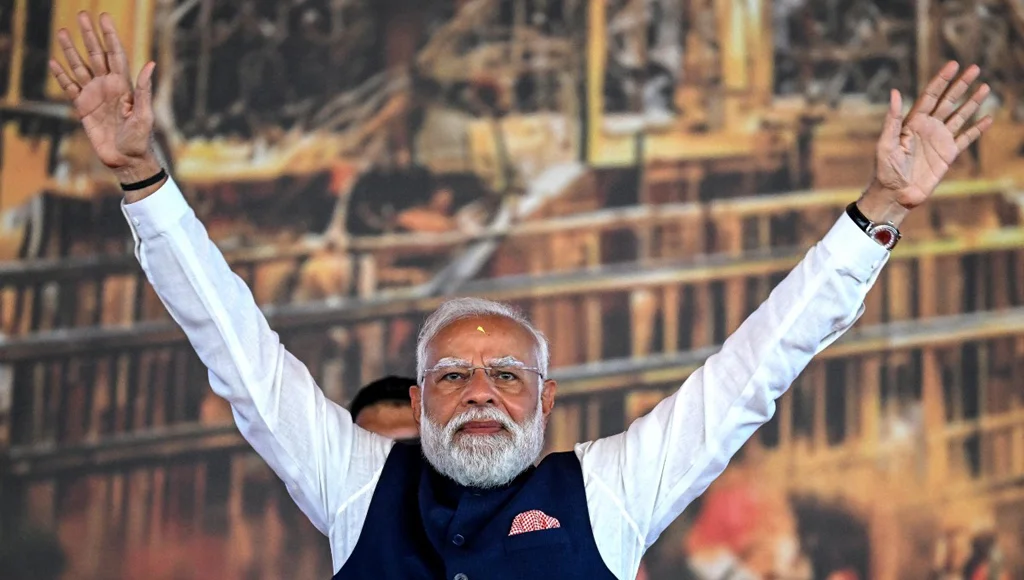
Indian prime minister Narendra Modi | AFP file photo
Indian prime minister Narendra Modi is scheduled to visit Indonesia, Australia and New Zealand next week, as New Delhi seeks to strengthen strategic ties in the region.
The July 8-11 tour comes after Modi’s visits to Mauritius March last year and Seychelles last month, reflecting what India’s external affairs ministry described as a shift in diplomatic focus to the eastern maritime region under its ‘Act East’ policy.
‘The focus has shifted to the eastern maritime zones of the Indian Ocean and our Act East engagement,’ senior Indian foreign ministry official Rudrendra Tandon, told reporters at a news briefing on Friday.
Modi will visit Indonesia on July 8 and 9, where he is scheduled to hold talks in Jakarta before travelling to the historic city of Yogyakarta and the UNESCO-listed Prambanan Temple complex, where India and Indonesia are planning to collaborate on conservation work.
Modi will review cooperation across a range of sectors during his visit to Indonesia, including maritime security, defence, trade and cultural ties, Tandon said.
It’s hoped this will build on talks held during Indonesian President Prabowo Subianto’s visit to India during Republic Day celebrations last year, Tandon added.
Modi will then travel to Melbourne on July 10 for the third India-Australia Annual Summit, an institutional dialogue established under the two countries’ Comprehensive Strategic Partnership launched in 2020.
Tandon said discussions would review cooperation across defence, foreign policy and trade while also focusing on newer areas including critical minerals, cybersecurity, supply chain resilience and emerging technologies.
Modi will finish the tour in New Zealand on July 11, where he will hold talks with Prime Minister Christopher Luxon.
Tandon said bilateral ties had gathered momentum since Luxon’s visit to India in 2025, describing it as ‘a kind of inflection in our relationship’.
‘This culminated in the signing of New Zealand FTA in a fairly short period of time,’ he said.
The India–New Zealand Free Trade Agreement (FTA), signed on April 27 this year, eliminated duties on 100 percent of Indian exports to New Zealand while securing a $20 billion investment commitment from New Zealand over the next 15 years.
Agence France – Presse . New Delhi, India 03 July, 2026, 17:51
Indian prime minister Narendra Modi | AFP file photo
Indian prime minister Narendra Modi is scheduled to visit Indonesia, Australia and New Zealand next week, as New Delhi seeks to strengthen strategic ties in the region.
The July 8-11 tour comes after Modi’s visits to Mauritius March last year and Seychelles last month, reflecting what India’s external affairs ministry described as a shift in diplomatic focus to the eastern maritime region under its ‘Act East’ policy.
‘The focus has shifted to the eastern maritime zones of the Indian Ocean and our Act East engagement,’ senior Indian foreign ministry official Rudrendra Tandon, told reporters at a news briefing on Friday.
Modi will visit Indonesia on July 8 and 9, where he is scheduled to hold talks in Jakarta before travelling to the historic city of Yogyakarta and the UNESCO-listed Prambanan Temple complex, where India and Indonesia are planning to collaborate on conservation work.
Modi will review cooperation across a range of sectors during his visit to Indonesia, including maritime security, defence, trade and cultural ties, Tandon said.
It’s hoped this will build on talks held during Indonesian President Prabowo Subianto’s visit to India during Republic Day celebrations last year, Tandon added.
Modi will then travel to Melbourne on July 10 for the third India-Australia Annual Summit, an institutional dialogue established under the two countries’ Comprehensive Strategic Partnership launched in 2020.
Tandon said discussions would review cooperation across defence, foreign policy and trade while also focusing on newer areas including critical minerals, cybersecurity, supply chain resilience and emerging technologies.
Modi will finish the tour in New Zealand on July 11, where he will hold talks with Prime Minister Christopher Luxon.
Tandon said bilateral ties had gathered momentum since Luxon’s visit to India in 2025, describing it as ‘a kind of inflection in our relationship’.
‘This culminated in the signing of New Zealand FTA in a fairly short period of time,’ he said.
The India–New Zealand Free Trade Agreement (FTA), signed on April 27 this year, eliminated duties on 100 percent of Indian exports to New Zealand while securing a $20 billion investment commitment from New Zealand over the next 15 years.