Bangladesh Defense

Saif
Senior Member
- Joined
- Jan 24, 2024
- Messages
- 22,283
- Likes
- 9,869
- Nation

- Axis Group


Cotton farming boom transforms agriculture in Chuadanga
Cotton cultivation is expanding rapidly in Chuadanga, marking a notable shift in the district’s agricultural landscape as farmers increasingly turn to the ‘white gold’ cash crop amid rising demand, favourable weather and attractive market prices...
 www.newagebd.net
Cotton farming boom transforms agriculture in Chuadanga
Our Correspondent . Kushtia 17 April, 2026, 00:01
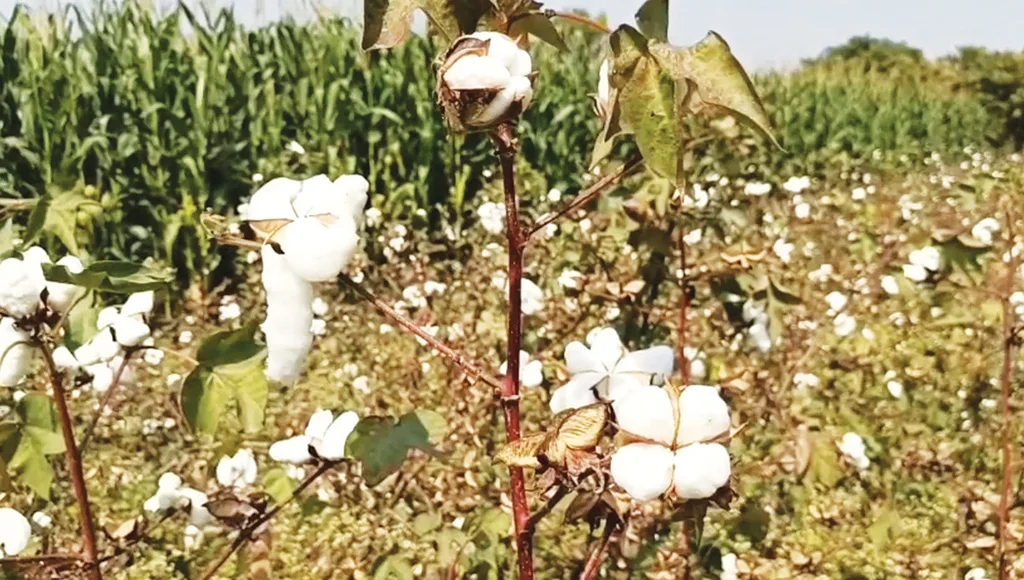
Cotton plants bearing flowers and mature bolls are seen at a field in Chuadanga recently. Cotton cultivation is expanding rapidly in Chuadanga, marking a notable shift in the district’s agricultural landscape as farmers increasingly turn to the ‘white gold’ cash crop amid rising demand, favourable weather and attractive market prices. | New Age photo
Cotton cultivation is expanding rapidly in Chuadanga, marking a notable shift in the district’s agricultural landscape as farmers increasingly turn to the ‘white gold’ cash crop amid rising demand, favourable weather and attractive market prices.
This season, cotton has been cultivated on about 4,100 hectares across Damurhuda, Jibannagar, Chuadanga Sadar and Alamdanga upazilas, reflecting a significant increase from previous years, according to agricultural officials.
Officials of the Department of Agricultural Extension said that production costs remained relatively low while market prices were favourable, encouraging more farmers to adopt cotton farming.
Moreover, the district’s soil and climatic conditions are well-suited to the crop, resulting in satisfactory yields.
Fields across the region are now covered with cotton plants bearing flowers and mature bolls, as harvesting is underway.
Officials estimated that about 12,000 tonnes of cotton would be produced this season, with a projected market value of about Tk 10.5 billion.
The crop is currently selling at around Tk 3,840 a maund (40 kilograms).
Agricultural experts said that cottonseed processing also offered potential for edible oil production, adding further economic value.
Increased domestic production could help reduce import dependency and save foreign exchange, they added.
According to the Cotton Development Board, cotton cultivation in the region has expanded steadily since its introduction in 1994, when it was grown on a limited experimental basis.
Although initial adoption was slow due to the crop’s long growth cycle, sustained technical support and training have encouraged wider participation.
Farmers said that production costs average about Tk 22,000 per bigha, while profits can reach up to Tk 35,000 per bigha. Government incentives, including subsidies on seeds, fertilisers, pesticides and fungicides, have further supported expansion.
Farmer Harunur Rashid said that cotton farming had become profitable, but noted that a shorter harvesting cycle would attract more growers.
Farmer Hasmat Ali said manual harvesting remained costly, with collection expenses ranging from Tk 13 to Tk 15 per kilgoram, and suggested that mechanised harvesting could significantly reduce costs.
Farmer Nur Hakim said that government support had encouraged more farmers to take up cotton cultivation, adding that growers could earn Tk 35,000-40,000 per bigha after costs and benefit from relatively quick cash returns.
Chuadanga zonal chief cotton development officer Sen Debashish said that the sector was now in a strong position, with farmers showing increasing interest in cotton cultivation.
He said that the department was providing necessary support, including incentives and training programmes on improved farming practices.
However, he said that farmers were receiving slightly lower prices this year than last year, adding that further expansion of cotton cultivation could help reduce import dependence.
According to the United States Department of Agriculture, Bangladesh is the largest cotton importer in the world and the second largest readymade garment exporter.
The county imported 8.05 million bales of cotton in the last marketing year and is projected to import 7.7 million bales in the current marketing year.
However, Bangladesh’s domestic cotton production might be at around 1,53,000 bales from 45,000 hectares in the current year, accounting for less than 2 per cent of total consumption.
Cotton cultivation is concentrated in the western districts of Jashore, Jhenaidah, Kushtia, Chuadanga, Meherpur and Magura.
Our Correspondent . Kushtia 17 April, 2026, 00:01
Cotton plants bearing flowers and mature bolls are seen at a field in Chuadanga recently. Cotton cultivation is expanding rapidly in Chuadanga, marking a notable shift in the district’s agricultural landscape as farmers increasingly turn to the ‘white gold’ cash crop amid rising demand, favourable weather and attractive market prices. | New Age photo
Cotton cultivation is expanding rapidly in Chuadanga, marking a notable shift in the district’s agricultural landscape as farmers increasingly turn to the ‘white gold’ cash crop amid rising demand, favourable weather and attractive market prices.
This season, cotton has been cultivated on about 4,100 hectares across Damurhuda, Jibannagar, Chuadanga Sadar and Alamdanga upazilas, reflecting a significant increase from previous years, according to agricultural officials.
Officials of the Department of Agricultural Extension said that production costs remained relatively low while market prices were favourable, encouraging more farmers to adopt cotton farming.
Moreover, the district’s soil and climatic conditions are well-suited to the crop, resulting in satisfactory yields.
Fields across the region are now covered with cotton plants bearing flowers and mature bolls, as harvesting is underway.
Officials estimated that about 12,000 tonnes of cotton would be produced this season, with a projected market value of about Tk 10.5 billion.
The crop is currently selling at around Tk 3,840 a maund (40 kilograms).
Agricultural experts said that cottonseed processing also offered potential for edible oil production, adding further economic value.
Increased domestic production could help reduce import dependency and save foreign exchange, they added.
According to the Cotton Development Board, cotton cultivation in the region has expanded steadily since its introduction in 1994, when it was grown on a limited experimental basis.
Although initial adoption was slow due to the crop’s long growth cycle, sustained technical support and training have encouraged wider participation.
Farmers said that production costs average about Tk 22,000 per bigha, while profits can reach up to Tk 35,000 per bigha. Government incentives, including subsidies on seeds, fertilisers, pesticides and fungicides, have further supported expansion.
Farmer Harunur Rashid said that cotton farming had become profitable, but noted that a shorter harvesting cycle would attract more growers.
Farmer Hasmat Ali said manual harvesting remained costly, with collection expenses ranging from Tk 13 to Tk 15 per kilgoram, and suggested that mechanised harvesting could significantly reduce costs.
Farmer Nur Hakim said that government support had encouraged more farmers to take up cotton cultivation, adding that growers could earn Tk 35,000-40,000 per bigha after costs and benefit from relatively quick cash returns.
Chuadanga zonal chief cotton development officer Sen Debashish said that the sector was now in a strong position, with farmers showing increasing interest in cotton cultivation.
He said that the department was providing necessary support, including incentives and training programmes on improved farming practices.
However, he said that farmers were receiving slightly lower prices this year than last year, adding that further expansion of cotton cultivation could help reduce import dependence.
According to the United States Department of Agriculture, Bangladesh is the largest cotton importer in the world and the second largest readymade garment exporter.
The county imported 8.05 million bales of cotton in the last marketing year and is projected to import 7.7 million bales in the current marketing year.
However, Bangladesh’s domestic cotton production might be at around 1,53,000 bales from 45,000 hectares in the current year, accounting for less than 2 per cent of total consumption.
Cotton cultivation is concentrated in the western districts of Jashore, Jhenaidah, Kushtia, Chuadanga, Meherpur and Magura.