Bangladesh Defense
Saif
Senior Member
- Messages
- 21,818
- Likes
- 9,805
- Nation

- Residence
- Axis Group


Biman’s fleet: Deals on 21 Boeing, Airbus planes likely within weeks
Biman is preparing to sign deals for 21 more Boeing and Airbus aircraft within weeks, taking its unfulfilled orders to 35 aircraft.
Biman’s fleet: Deals on 21 Boeing, Airbus planes likely within weeks
Mohammad Jamil Khan
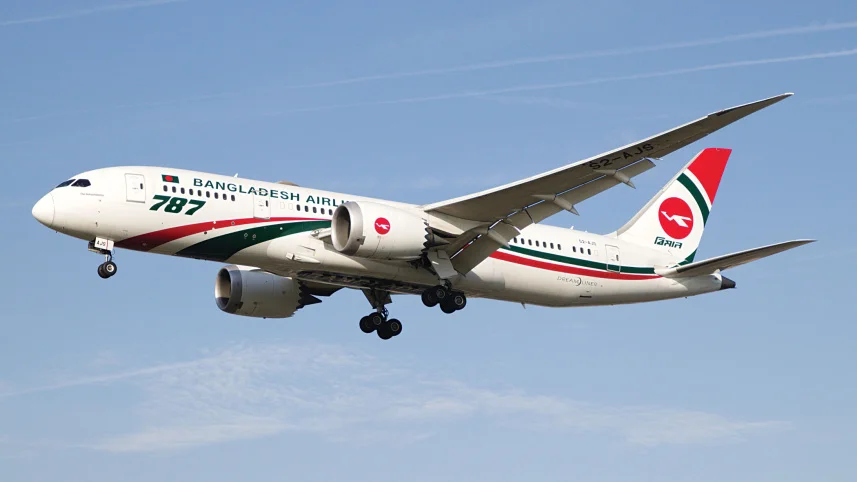
Biman is preparing to sign deals for 21 more Boeing and Airbus aircraft within weeks, taking its unfulfilled orders to 35 aircraft.
The national flag carrier currently has 19 planes.
Sources familiar with the process told The Daily Star that an agreement on 11 Boeing aircraft is expected during the UN General Assembly, followed by a deal on 10 jets with Airbus next month.
Details of the Boeing aircraft, their variants, value, financing structure, and delivery schedule have yet to be publicly disclosed.
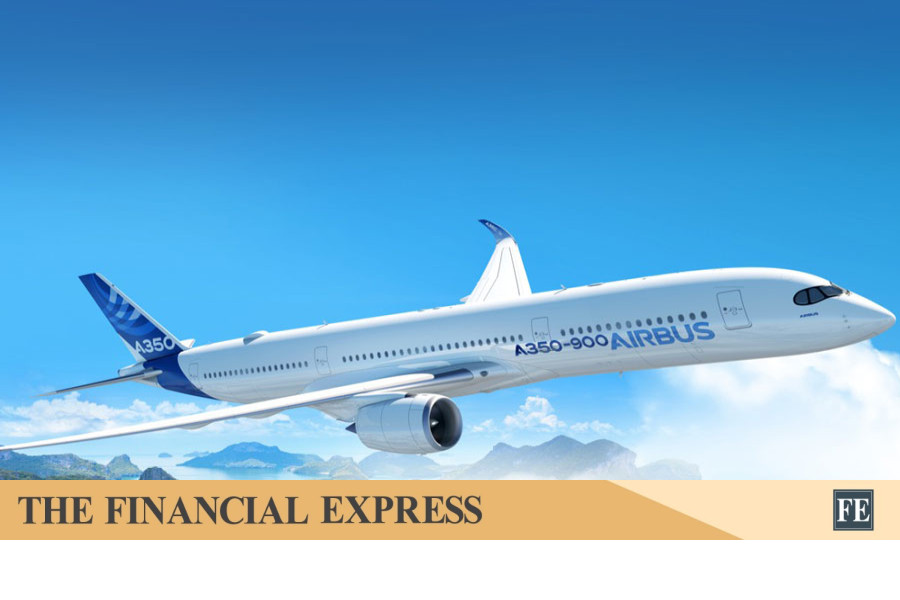
The proposed Airbus package comprises four A350-900s and six A321neos, sources said.
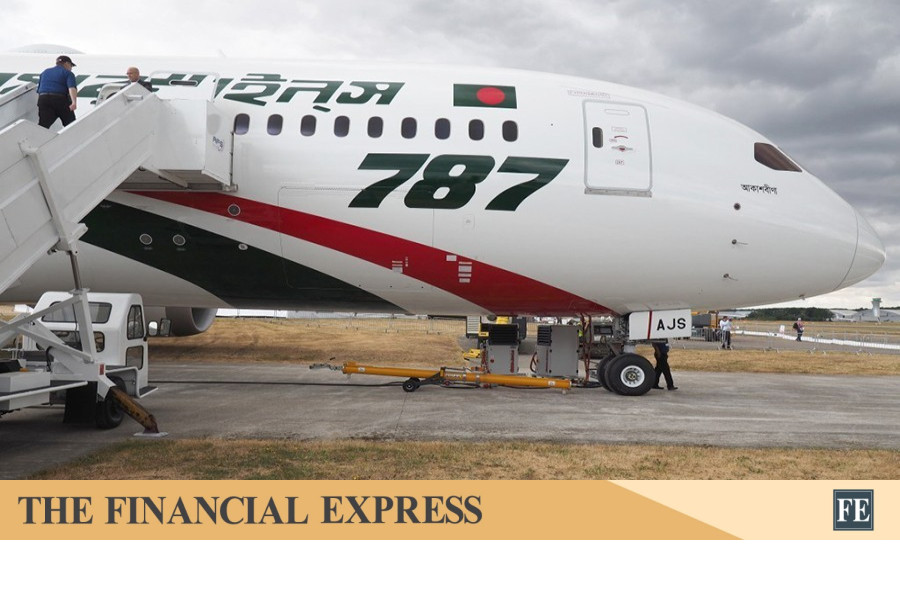
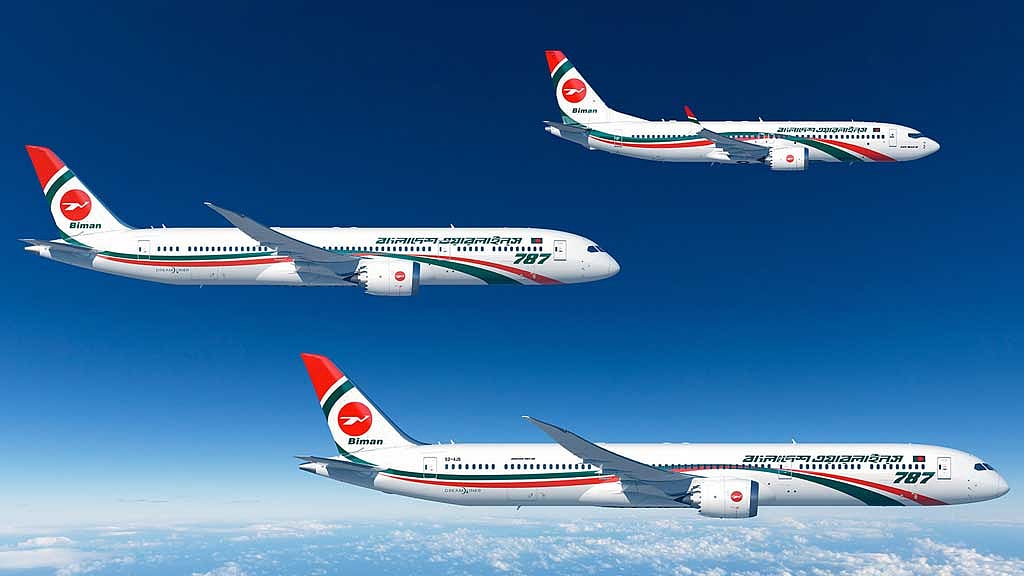
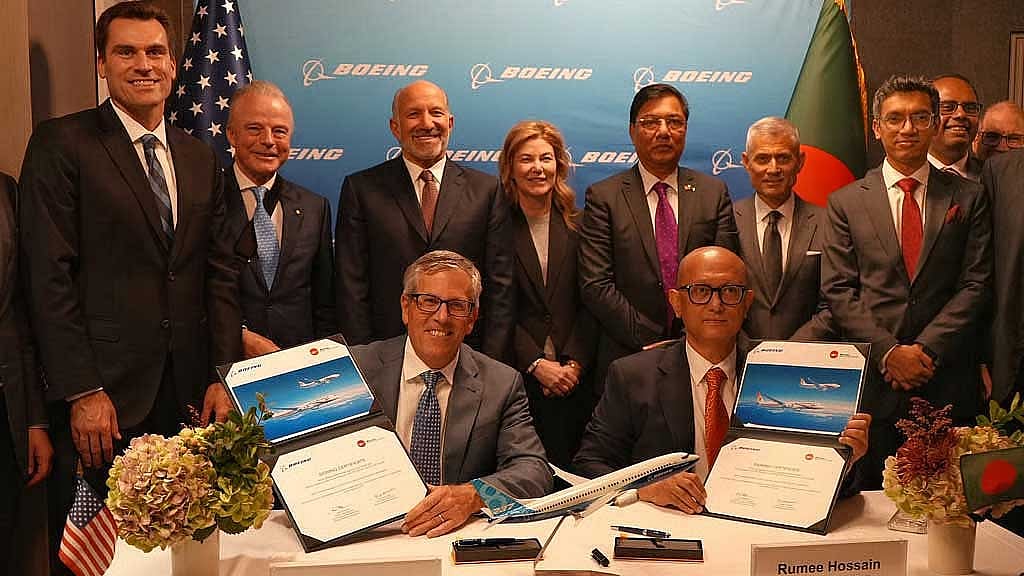
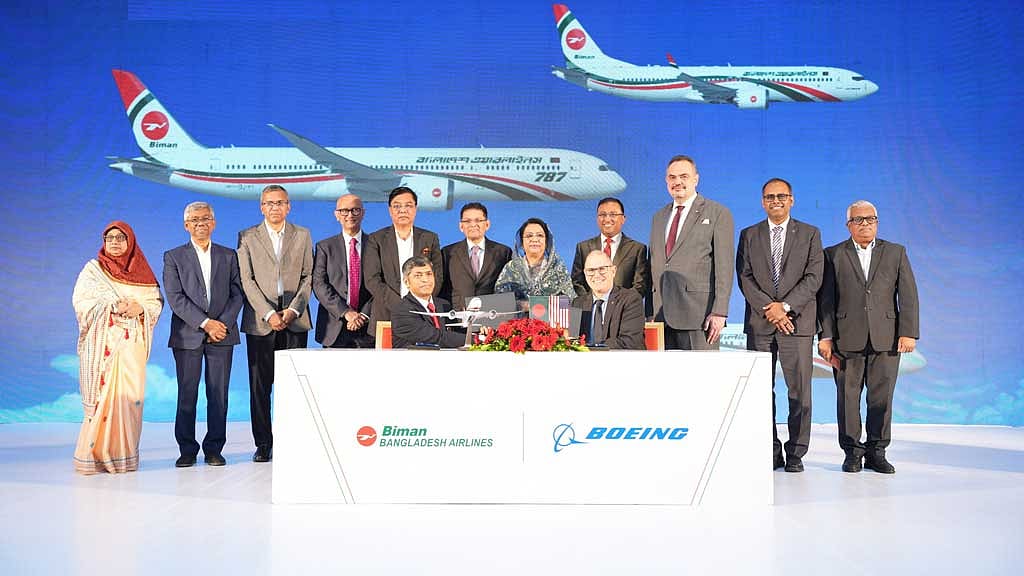
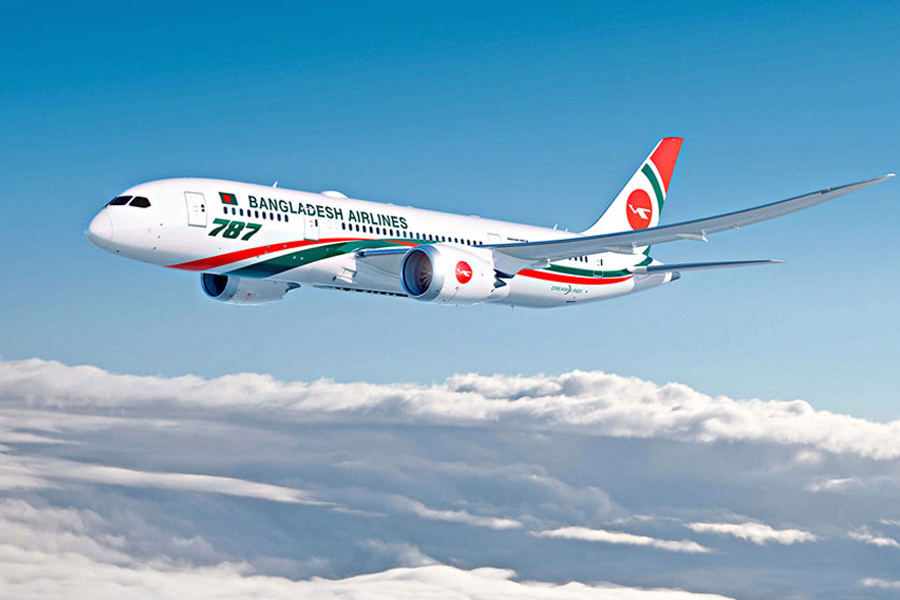
The purchases would come on top of a $3.7 billion agreement signed in April for 14 Boeing aircraft: eight 787-10s, two 787-9s and four 737 MAX-8s, with deliveries scheduled to run from November 2031 to October 2035.
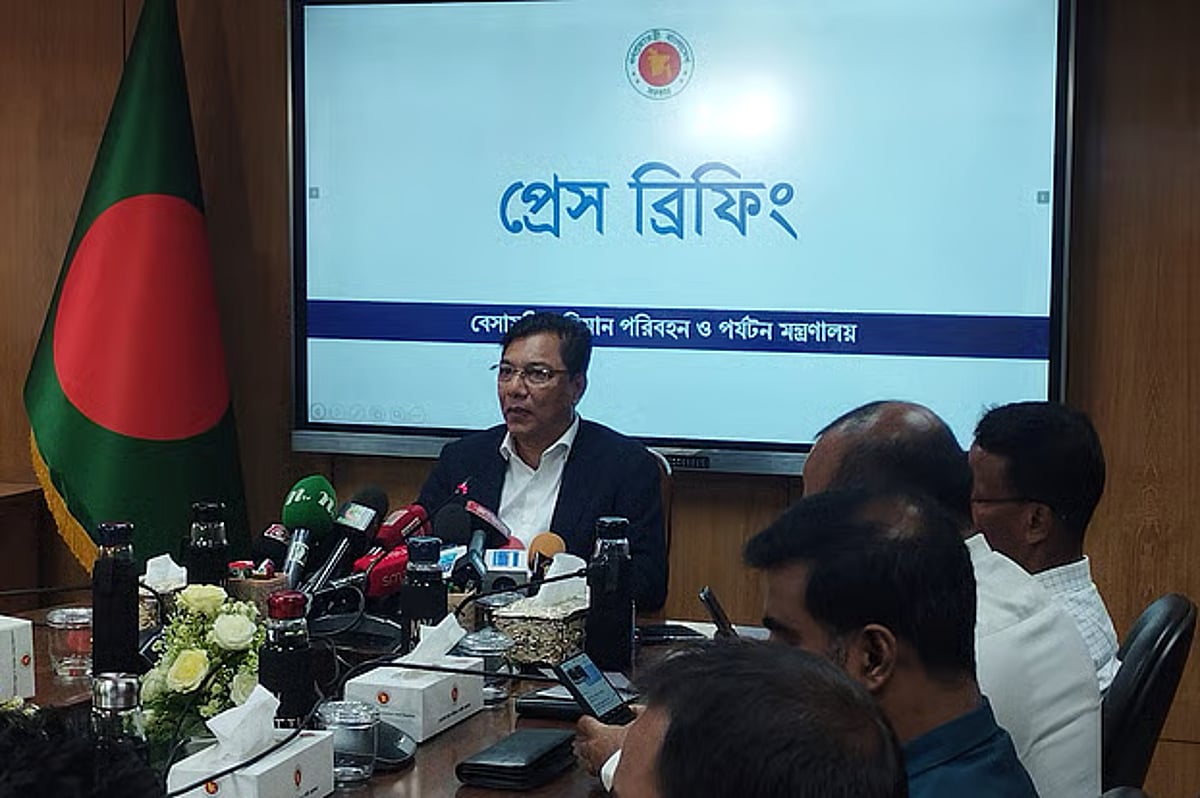
State Minister for Foreign Affairs Humaiun Kobir said at a programme in Dhaka on September 12 that Bangladesh needed to expand its aircraft fleet to support new routes and networks.
Any decision to buy Boeing or Airbus aircraft, he said, was “all business of Bangladesh, nobody else’s”.
Against this backdrop, European Union Ambassador Michael Miller last week urged the government to ensure a level playing field in Biman’s procurement process, saying such decisions should be made “on the basis of commercial merit.”
The proposed Airbus purchase came up again yesterday when British High Commissioner Sarah Cooke met Civil Aviation and Tourism Minister M Rashiduzzaman Millat at his Secretariat office.
According to a ministry press release, Millat said Biman was facing an aircraft shortage and that steps were being taken to add aircraft urgently.
He said any procurement would be carried out transparently, based on recommendations from the High-Level Negotiation Committee.
Biman currently operates 19 aircraft, including five turboprops, four 777s, four 787-8s, two 787-9s, and four 737-800s. If the deals go through, it will be the largest fleet expansion in Biman’s history.
Biman has not released a consolidated business case explaining how a mixed fleet and new planes would be used and when the old ones would be retired.
AIRBUS DEAL
Biman had earlier signalled readiness to conclude the Airbus agreement by August 31, according to sources familiar with the process. After that deadline passed without a signing, officials said the deal is now likely in October.
Millat at a programme in Mymensingh on August 31 said that Bangladesh would buy aircraft from France, England, and Germany, where sections of Airbus aircraft are made.
A source familiar with the process said Bangladesh bought Boeings at list prices, while Airbus had offered discounts.
The source said Airbus would begin the delivery process soon after the agreement is signed, with 85 percent of the purchase cost covered through financing from the UK, Germany, and France.
Google News LinkFor all latest news, follow The Daily Star's Google News channel.
Interest rates would be disclosed only after the agreement is signed, sources said.
Airbus has also proposed a package covering maintenance, repair and overhaul (MRO), as well as pilot and cabin crew training, fleet planning, and cabin design, another source said.
BOEING DEAL
The potential order of 11 Boeing planes came to the fore on August 30, when US Special Envoy for South and Central Asian Affairs and Ambassador to India Sergio Gor said on X that President Donald Trump and Prime Minister Tarique Rahman had made “another incredible deal”.
Trump later shared the announcement and wrote to Tarique, expressing appreciation for the “decision to purchase.”
On September 1, Humaiun Kobir said Bangladesh faced no pressure from the US to buy Boeing aircraft, adding that the fleet expansion was based on the needs of the aviation sector.
CARGO HANDLING
The Cooke-Millat meeting also covered aviation security and airport operations.
Millat sought steps towards withdrawing the European Union’s High Risk Cargo & Mail (HRCM) status, imposed on Bangladesh in 2017, saying it had increased the time and cost of shipping. He said the government had taken initiatives to have the status withdrawn and was moving to install Explosive Detection Systems (EDS) at airports. The minister said Hazrat Shahjalal International Airport and Sylhet Osmani International Airport had received satisfactory ratings in a recently completed audit and that the government now wants the EU to withdraw the HRCM status.
Cooke said the UK was ready to cooperate with Bangladesh in its efforts to establish an aviation hub.
The meeting also discussed Menzies Aviation’s interest in working with Biman on ground handling at the third terminal.
Sources familiar with the process said the UK-based company wants to handle cargo there and that the proposed operation could create around 1,000 jobs locally.
They said Menzies is seeking government approval.
The third terminal is set to be operated by a Japanese consortium led by Sumitomo Corporation, which the Civil Aviation Authority of Bangladesh said will have the prerogative to select a second ground-handling operator alongside Biman.
Sources said proposals from interested firms, including Menzies, would therefore be assessed through that selection process.
Mohammad Jamil Khan
Biman is preparing to sign deals for 21 more Boeing and Airbus aircraft within weeks, taking its unfulfilled orders to 35 aircraft.
The national flag carrier currently has 19 planes.
Sources familiar with the process told The Daily Star that an agreement on 11 Boeing aircraft is expected during the UN General Assembly, followed by a deal on 10 jets with Airbus next month.
Details of the Boeing aircraft, their variants, value, financing structure, and delivery schedule have yet to be publicly disclosed.
The proposed Airbus package comprises four A350-900s and six A321neos, sources said.
The purchases would come on top of a $3.7 billion agreement signed in April for 14 Boeing aircraft: eight 787-10s, two 787-9s and four 737 MAX-8s, with deliveries scheduled to run from November 2031 to October 2035.
State Minister for Foreign Affairs Humaiun Kobir said at a programme in Dhaka on September 12 that Bangladesh needed to expand its aircraft fleet to support new routes and networks.
Any decision to buy Boeing or Airbus aircraft, he said, was “all business of Bangladesh, nobody else’s”.
Against this backdrop, European Union Ambassador Michael Miller last week urged the government to ensure a level playing field in Biman’s procurement process, saying such decisions should be made “on the basis of commercial merit.”
The proposed Airbus purchase came up again yesterday when British High Commissioner Sarah Cooke met Civil Aviation and Tourism Minister M Rashiduzzaman Millat at his Secretariat office.
According to a ministry press release, Millat said Biman was facing an aircraft shortage and that steps were being taken to add aircraft urgently.
He said any procurement would be carried out transparently, based on recommendations from the High-Level Negotiation Committee.
Biman currently operates 19 aircraft, including five turboprops, four 777s, four 787-8s, two 787-9s, and four 737-800s. If the deals go through, it will be the largest fleet expansion in Biman’s history.
Biman has not released a consolidated business case explaining how a mixed fleet and new planes would be used and when the old ones would be retired.
AIRBUS DEAL
Biman had earlier signalled readiness to conclude the Airbus agreement by August 31, according to sources familiar with the process. After that deadline passed without a signing, officials said the deal is now likely in October.
Millat at a programme in Mymensingh on August 31 said that Bangladesh would buy aircraft from France, England, and Germany, where sections of Airbus aircraft are made.
A source familiar with the process said Bangladesh bought Boeings at list prices, while Airbus had offered discounts.
The source said Airbus would begin the delivery process soon after the agreement is signed, with 85 percent of the purchase cost covered through financing from the UK, Germany, and France.
Google News LinkFor all latest news, follow The Daily Star's Google News channel.
Interest rates would be disclosed only after the agreement is signed, sources said.
Airbus has also proposed a package covering maintenance, repair and overhaul (MRO), as well as pilot and cabin crew training, fleet planning, and cabin design, another source said.
BOEING DEAL
The potential order of 11 Boeing planes came to the fore on August 30, when US Special Envoy for South and Central Asian Affairs and Ambassador to India Sergio Gor said on X that President Donald Trump and Prime Minister Tarique Rahman had made “another incredible deal”.
Trump later shared the announcement and wrote to Tarique, expressing appreciation for the “decision to purchase.”
On September 1, Humaiun Kobir said Bangladesh faced no pressure from the US to buy Boeing aircraft, adding that the fleet expansion was based on the needs of the aviation sector.
CARGO HANDLING
The Cooke-Millat meeting also covered aviation security and airport operations.
Millat sought steps towards withdrawing the European Union’s High Risk Cargo & Mail (HRCM) status, imposed on Bangladesh in 2017, saying it had increased the time and cost of shipping. He said the government had taken initiatives to have the status withdrawn and was moving to install Explosive Detection Systems (EDS) at airports. The minister said Hazrat Shahjalal International Airport and Sylhet Osmani International Airport had received satisfactory ratings in a recently completed audit and that the government now wants the EU to withdraw the HRCM status.
Cooke said the UK was ready to cooperate with Bangladesh in its efforts to establish an aviation hub.
The meeting also discussed Menzies Aviation’s interest in working with Biman on ground handling at the third terminal.
Sources familiar with the process said the UK-based company wants to handle cargo there and that the proposed operation could create around 1,000 jobs locally.
They said Menzies is seeking government approval.
The third terminal is set to be operated by a Japanese consortium led by Sumitomo Corporation, which the Civil Aviation Authority of Bangladesh said will have the prerogative to select a second ground-handling operator alongside Biman.
Sources said proposals from interested firms, including Menzies, would therefore be assessed through that selection process.