Bangladesh Defense
Saif
Senior Member
- Jan 24, 2024
- 21,704
- 9,794
- Nation

- Residence
- Axis Group

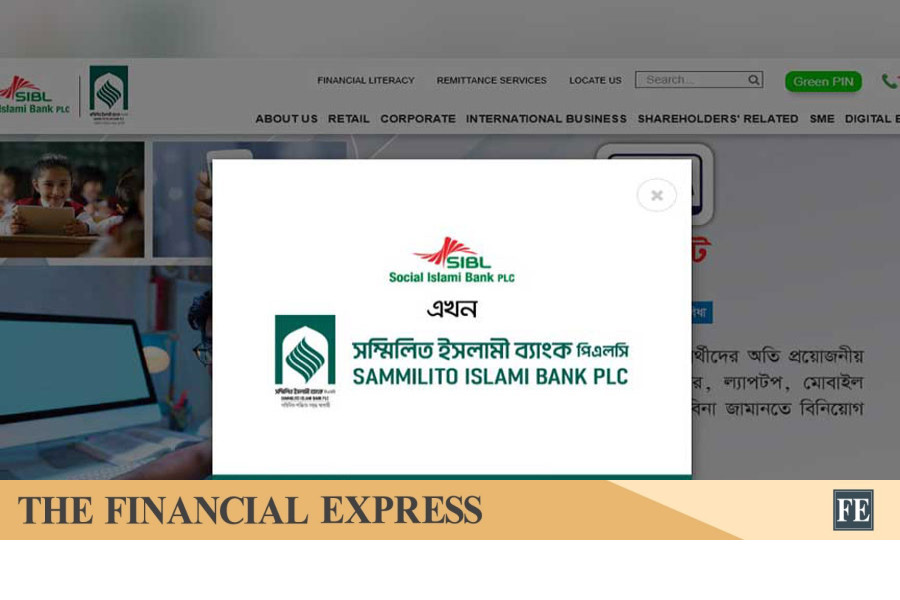
Ex-SIBL board seeks to reclaim ownership, promises to run bank independently
Five former directors of Social Islami Bank Limited (SIBL) have formally applied to the central bank to reclaim their ownership and separate the entity from the recently formed state-owned Sammilito Islami Bank. The move comes less than three weeks after the parliament passed the “Bank Resol
Ex-SIBL board seeks to reclaim ownership, promises to run bank independently
bdnews24.com
Published :
Apr 27, 2026 23:30
Updated :
Apr 27, 2026 23:30
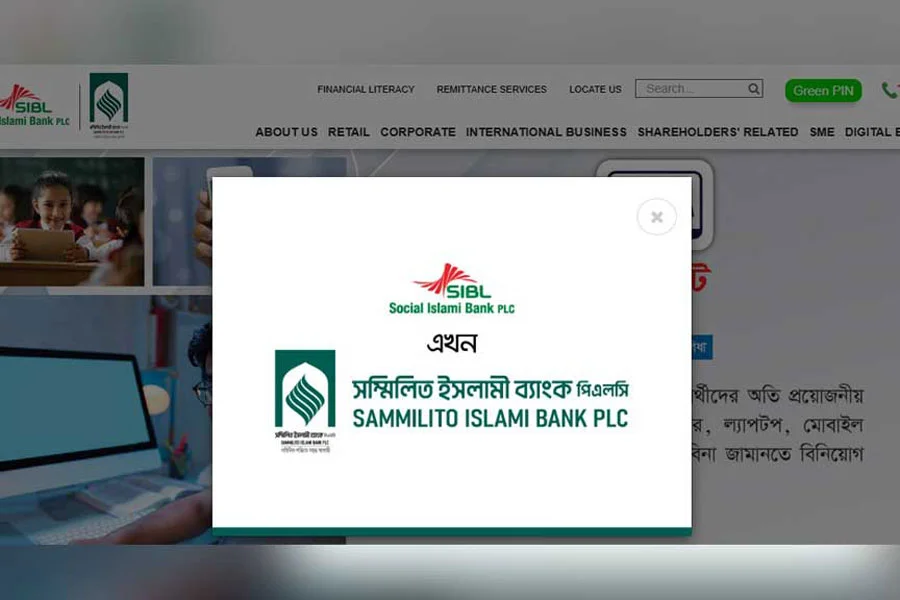
Five former directors of Social Islami Bank Limited (SIBL) have formally applied to the central bank to reclaim their ownership and separate the entity from the recently formed state-owned Sammilito Islami Bank.
The move comes less than three weeks after the parliament passed the “Bank Resolution” Bill on Apr 11, which included a controversial Section 18(A) allowing former shareholders to regain ownership under specific conditions.
Rezaul Haque, who served as SIBL chairman from 2013 to 2017, led the application filed with Bangladesh Bank (BB) on Monday.
"We can manage the capital required to fix the bank. We have shared our plan and are ready to provide further details if the central bank engages with us," Haque told bdnews24.com.
Other signatories include Jabedul Alam Chowdhury, Hakim Md Yousuf Harun Bhuiyan, Sultan Mahmood Chowdhury, and Afia Begum.
Sammilito Islami Bank was established by the previous interim government on Dec 21, 2024, by merging five struggling private Shariah-based banks -- EXIM Bank, First Security Islami Bank, Global Islami Bank, Union Bank, and SIBL.
Under the original ordinance, the shares of existing owners were declared void, and the government injected Tk 200 billion in capital to nationalise the mega-entity.
After the BNP-led government took office, the ordinance was turned into an act with the addition of Section 18(A).
The clause created an opening for former directors -- many of whom presided over the banks during periods of massive loan defaults and money laundering -- to seek a return to the board.
BB spokesperson and Executive Director Arief Hossain Khan did not confirm the status of the specific application.
"Once the application reaches the relevant department, it will be reviewed according to the law. It is too early to comment on the matter," he said.
In their proposal, the former directors outlined a strategy to restore SIBL’s financial health if it is allowed to operate independently again.
The plan highlights several key measures.
It includes a request for Tk 110 billion in liquidity support from the central bank for 10 years at the prevailing bank rate.
It also promises fresh capital infusion to stabilise operations and improve governance.
The plan commits to reducing the non-performing loan ratio to 25 per cent by December 2026.
Finally, it aims to reactivate 22 dormant government accounts to recover around Tk 5 billion in funds.
The five banks were declared "dysfunctional" by the central bank on Nov 5, 2025, leading to the suspension of their shares on the stock exchange.
Sammilito Islami Bank is currently being managed by a government-appointed administrator as the merger transition continues.
bdnews24.com
Published :
Apr 27, 2026 23:30
Updated :
Apr 27, 2026 23:30
Five former directors of Social Islami Bank Limited (SIBL) have formally applied to the central bank to reclaim their ownership and separate the entity from the recently formed state-owned Sammilito Islami Bank.
The move comes less than three weeks after the parliament passed the “Bank Resolution” Bill on Apr 11, which included a controversial Section 18(A) allowing former shareholders to regain ownership under specific conditions.
Rezaul Haque, who served as SIBL chairman from 2013 to 2017, led the application filed with Bangladesh Bank (BB) on Monday.
"We can manage the capital required to fix the bank. We have shared our plan and are ready to provide further details if the central bank engages with us," Haque told bdnews24.com.
Other signatories include Jabedul Alam Chowdhury, Hakim Md Yousuf Harun Bhuiyan, Sultan Mahmood Chowdhury, and Afia Begum.
Sammilito Islami Bank was established by the previous interim government on Dec 21, 2024, by merging five struggling private Shariah-based banks -- EXIM Bank, First Security Islami Bank, Global Islami Bank, Union Bank, and SIBL.
Under the original ordinance, the shares of existing owners were declared void, and the government injected Tk 200 billion in capital to nationalise the mega-entity.
After the BNP-led government took office, the ordinance was turned into an act with the addition of Section 18(A).
The clause created an opening for former directors -- many of whom presided over the banks during periods of massive loan defaults and money laundering -- to seek a return to the board.
BB spokesperson and Executive Director Arief Hossain Khan did not confirm the status of the specific application.
"Once the application reaches the relevant department, it will be reviewed according to the law. It is too early to comment on the matter," he said.
In their proposal, the former directors outlined a strategy to restore SIBL’s financial health if it is allowed to operate independently again.
The plan highlights several key measures.
It includes a request for Tk 110 billion in liquidity support from the central bank for 10 years at the prevailing bank rate.
It also promises fresh capital infusion to stabilise operations and improve governance.
The plan commits to reducing the non-performing loan ratio to 25 per cent by December 2026.
Finally, it aims to reactivate 22 dormant government accounts to recover around Tk 5 billion in funds.
The five banks were declared "dysfunctional" by the central bank on Nov 5, 2025, leading to the suspension of their shares on the stock exchange.
Sammilito Islami Bank is currently being managed by a government-appointed administrator as the merger transition continues.