Bangladesh Defense
Saif
Senior Member
- Messages
- 20,878
- Likes
- 9,685
- Nation

- Residence
- Axis Group


Why so much uproar over appointment of new governor?
At the farewell reception for the Federal Reserve Chairman Alan Greenspan in 2006, then-President George Bush jokingly remarked that Greenspan had achieved popularity equivalent to that of a 'rockstar'. Greenspan served as the Federal Reserve Chairman from 1987 to 2006. Recently, even before the...
 en.prothomalo.com
Why so much uproar over appointment of new governor?
Birupaksha Paul
Updated: 01 Mar 2026, 08: 48

At the farewell reception for the Federal Reserve Chairman Alan Greenspan in 2006, then-President George Bush jokingly remarked that Greenspan had achieved popularity equivalent to that of a 'rockstar'. Greenspan served as the Federal Reserve Chairman from 1987 to 2006. Recently, even before the new Governor of Bangladesh Bank takes office, he has come under discussion much like a rockstar. Greenspan earned his fame after 18 years of independent and insightful policy-making service. On the other hand, Bangladesh’s new Governor has become the subject of widespread discussion even before starting his work.
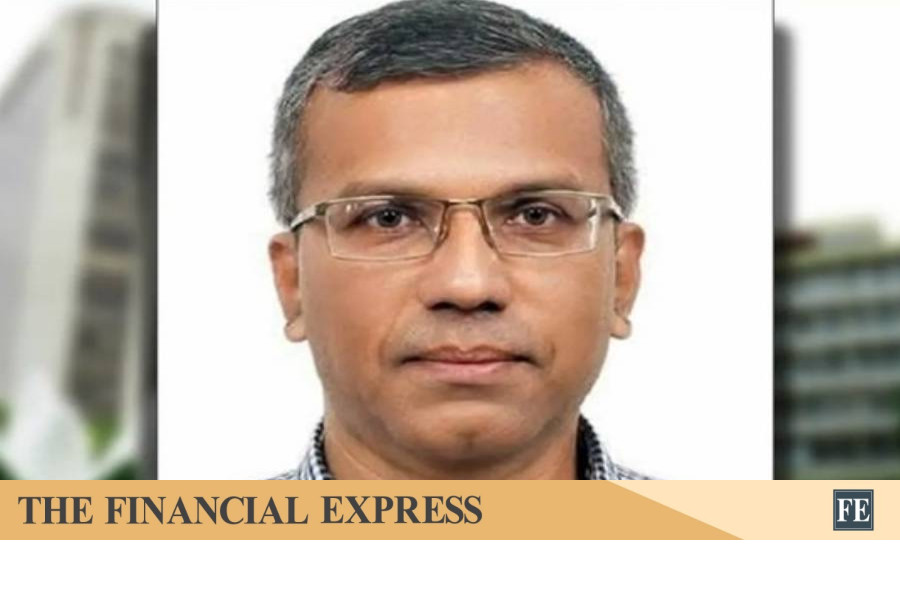
The date was 25 February. The day began like any other but ended as a memorable day in the history of the central bank. The distinguished economist, Governor Ahsan H Mansur’s appointment was abruptly canceled by the Finance Ministry, which on the same day appointed the relatively unknown Md Mostaqur Rahman as the new Governor. Rahman is academically an accountant and professionally a garment industry businessman. f we go by the identities of accountant and businessperson, there would be at least a thousand people in the country who are no less prominent or accomplished in terms of exposure and outreach than the new governor. However, Rahman's prominent identity surpasses all this, as he was an active member of BNP's election steering committee. People are saying that this identity helped him gain the governorship.
BNP came to power with a landslide victory. It’s not surprising that this ruling party would look for BNP-leaning individuals for appointments like the Governor. But the question arises, is there really such a scarcity of economists within this party? Do they not have any banking, finance, or public policy experts? If BNP were a nascent party, it could be understandable. Why this lack of discernment in a party almost half a century old? In fact, this is not a lack of talent. It is a well-thought-out decision by the ruling party. However, while this action of the government may be cunning, it lacks wisdom. This is BNP’s first surrender to the conventional economic culture. In the evening elections of 2018, the Awami League had similarly appointed a businessman as their Finance Minister, but the result wasn't favourable. Coincidentally, he was also an adept accountant.
In Bangladesh, any criticism of a position holder is taken personally, which reflects a poverty of thought. Once an individual occupies an important state position, they cease to be just an individual. Each of their actions becomes open to criticism. If the new Governor takes this in stride, the discussion might serve as a learning experience for him. He is a businessman, which provides him extra experience. Most governors lack business experience. However, he is also a defaulter of Tk 860 million, although he regularised it by partially repaying it before the elections last December.
Many parliament members similarly ‘regularised’ themselves during the ‘become a saint season’ before elections. Was the chessboard for the Governor's appointment set up in advance? If so, there’s nothing fundamentally wrong with that. But whether or not it demonstrates financial foresight is the question. About five hundred years ago, Vaishnav saint Sri Chaitanya said, "One teaches others through one’s practice." If one doesn’t practice what one preaches, it's hard to offer sound advice, let alone make policy.
How the new Governor takes a firm stand against loan defaults is a matter of concern for him as much as for the BNP government. The economy cannot advance with a burden of 40 per cent non-performing loans. This is Asia's highest number and one of the most dangerous levels in the world, which can collapse the entire banking system at any moment. Without declaring a proper war against this, BNP will eventually turn into another sect of mystics. Let’s not talk about the remaining consequences at such an auspicious moment.
Economist and legal expert Kevin Warsh is probably going to be the next Fed Chair of the United States. He will replace Jerome Powell by mid-May. Wide discussions have already started around this matter.
Even a detailed analysis of the Governor’s personal character isn’t omitted. Despite holding degrees from universities like Stanford and Harvard, so much debate surrounding Warsh is ongoing in the media. There will be intense debates in Congress. Only after passing the litmus test in Congress can the President appoint him as the head of the central bank.
In every developed country, why is such meticulous scrutiny done in the election of a governor? Because the country's future depends on the Governor’s integrity, firmness, research, wisdom, and vision. For a crucial state position like this, there was no need for any sudden surprise. After the Parliament was formed, there could have been discussions about several potential candidates. Until then, Governor Mansur could have continued his duties.
Almost all departments of the past Yunus government showed incompetence in their activities. Only under Governor Mansur’s leadership, some substantial work was being done in the central bank. This is not a farewell consolation for Mansur. I've mentioned this in almost every writing or discussion platform. The way he was dismissed without honour doesn’t bode well for the dawn of the government. In Rabindranath’s words, "The king honours all and receives honor in return," the government forgot this saying.
If someone is selected through scrutiny and debate in Parliament, and later the Governor fails to show good work, then the full responsibility does not fall on the government. This reduces the chance of errors. The position of ‘Governor’ isn’t one for ‘experiments.’ It’s akin to launching a rocket. Security on all sides must be scientifically assured. The BNP government failed to show such prudence in the appointment of a Governor.
Let’s assume that the Accountant and Businessman Governor is the most qualified candidate to tackle the current crisis. The marriage happened in a somewhat feudal style, even before convincing or explaining it to the stakeholders. The groom and bride’s opinions hold no value. This action was taken by a party that we believe will introduce a bicameral legislature in Bangladesh for the first time. Meaning, it will create opportunities for more discussions and debates. But there was no proof of it in the choice of Governor. The pledge to build a ‘meritocratic Bangladesh’ as voiced in the election manifesto wasn’t reflected in the Governor’s selection. There’s no sign of love for intellect in the sudden expulsion of a wise monetarist economist who worked at institutions like the IMF. The touch of courtesy is absent.
Mansur was a strong regulator. He didn’t sit on the chair with the responsibility of any group interest. Maybe he lacked shrewdness in HR administration, or perhaps he wasn’t crafty in that area. But that’s not an essential quality for a Governor. The reform work he took on and laboured day and night at undoubtedly panicked many oligarchs. Possibly, falling prey to the united conspiracy of this group, Governor Mansur sacrificed himself like a hero. Even then, time could have been given. The deputies could've run the bank for some days. Instead, the emergence of a new Governor within just a few hours has surely stirred the financial world. This doesn’t favour stability.
Dr. Birupaksha Paul is a professor of Economics at the State University of New York at Cortland.
Birupaksha Paul
Updated: 01 Mar 2026, 08: 48
At the farewell reception for the Federal Reserve Chairman Alan Greenspan in 2006, then-President George Bush jokingly remarked that Greenspan had achieved popularity equivalent to that of a 'rockstar'. Greenspan served as the Federal Reserve Chairman from 1987 to 2006. Recently, even before the new Governor of Bangladesh Bank takes office, he has come under discussion much like a rockstar. Greenspan earned his fame after 18 years of independent and insightful policy-making service. On the other hand, Bangladesh’s new Governor has become the subject of widespread discussion even before starting his work.
The date was 25 February. The day began like any other but ended as a memorable day in the history of the central bank. The distinguished economist, Governor Ahsan H Mansur’s appointment was abruptly canceled by the Finance Ministry, which on the same day appointed the relatively unknown Md Mostaqur Rahman as the new Governor. Rahman is academically an accountant and professionally a garment industry businessman. f we go by the identities of accountant and businessperson, there would be at least a thousand people in the country who are no less prominent or accomplished in terms of exposure and outreach than the new governor. However, Rahman's prominent identity surpasses all this, as he was an active member of BNP's election steering committee. People are saying that this identity helped him gain the governorship.
BNP came to power with a landslide victory. It’s not surprising that this ruling party would look for BNP-leaning individuals for appointments like the Governor. But the question arises, is there really such a scarcity of economists within this party? Do they not have any banking, finance, or public policy experts? If BNP were a nascent party, it could be understandable. Why this lack of discernment in a party almost half a century old? In fact, this is not a lack of talent. It is a well-thought-out decision by the ruling party. However, while this action of the government may be cunning, it lacks wisdom. This is BNP’s first surrender to the conventional economic culture. In the evening elections of 2018, the Awami League had similarly appointed a businessman as their Finance Minister, but the result wasn't favourable. Coincidentally, he was also an adept accountant.
In Bangladesh, any criticism of a position holder is taken personally, which reflects a poverty of thought. Once an individual occupies an important state position, they cease to be just an individual. Each of their actions becomes open to criticism. If the new Governor takes this in stride, the discussion might serve as a learning experience for him. He is a businessman, which provides him extra experience. Most governors lack business experience. However, he is also a defaulter of Tk 860 million, although he regularised it by partially repaying it before the elections last December.
Many parliament members similarly ‘regularised’ themselves during the ‘become a saint season’ before elections. Was the chessboard for the Governor's appointment set up in advance? If so, there’s nothing fundamentally wrong with that. But whether or not it demonstrates financial foresight is the question. About five hundred years ago, Vaishnav saint Sri Chaitanya said, "One teaches others through one’s practice." If one doesn’t practice what one preaches, it's hard to offer sound advice, let alone make policy.
How the new Governor takes a firm stand against loan defaults is a matter of concern for him as much as for the BNP government. The economy cannot advance with a burden of 40 per cent non-performing loans. This is Asia's highest number and one of the most dangerous levels in the world, which can collapse the entire banking system at any moment. Without declaring a proper war against this, BNP will eventually turn into another sect of mystics. Let’s not talk about the remaining consequences at such an auspicious moment.
Economist and legal expert Kevin Warsh is probably going to be the next Fed Chair of the United States. He will replace Jerome Powell by mid-May. Wide discussions have already started around this matter.
Even a detailed analysis of the Governor’s personal character isn’t omitted. Despite holding degrees from universities like Stanford and Harvard, so much debate surrounding Warsh is ongoing in the media. There will be intense debates in Congress. Only after passing the litmus test in Congress can the President appoint him as the head of the central bank.
In every developed country, why is such meticulous scrutiny done in the election of a governor? Because the country's future depends on the Governor’s integrity, firmness, research, wisdom, and vision. For a crucial state position like this, there was no need for any sudden surprise. After the Parliament was formed, there could have been discussions about several potential candidates. Until then, Governor Mansur could have continued his duties.
Almost all departments of the past Yunus government showed incompetence in their activities. Only under Governor Mansur’s leadership, some substantial work was being done in the central bank. This is not a farewell consolation for Mansur. I've mentioned this in almost every writing or discussion platform. The way he was dismissed without honour doesn’t bode well for the dawn of the government. In Rabindranath’s words, "The king honours all and receives honor in return," the government forgot this saying.
If someone is selected through scrutiny and debate in Parliament, and later the Governor fails to show good work, then the full responsibility does not fall on the government. This reduces the chance of errors. The position of ‘Governor’ isn’t one for ‘experiments.’ It’s akin to launching a rocket. Security on all sides must be scientifically assured. The BNP government failed to show such prudence in the appointment of a Governor.
Let’s assume that the Accountant and Businessman Governor is the most qualified candidate to tackle the current crisis. The marriage happened in a somewhat feudal style, even before convincing or explaining it to the stakeholders. The groom and bride’s opinions hold no value. This action was taken by a party that we believe will introduce a bicameral legislature in Bangladesh for the first time. Meaning, it will create opportunities for more discussions and debates. But there was no proof of it in the choice of Governor. The pledge to build a ‘meritocratic Bangladesh’ as voiced in the election manifesto wasn’t reflected in the Governor’s selection. There’s no sign of love for intellect in the sudden expulsion of a wise monetarist economist who worked at institutions like the IMF. The touch of courtesy is absent.
Mansur was a strong regulator. He didn’t sit on the chair with the responsibility of any group interest. Maybe he lacked shrewdness in HR administration, or perhaps he wasn’t crafty in that area. But that’s not an essential quality for a Governor. The reform work he took on and laboured day and night at undoubtedly panicked many oligarchs. Possibly, falling prey to the united conspiracy of this group, Governor Mansur sacrificed himself like a hero. Even then, time could have been given. The deputies could've run the bank for some days. Instead, the emergence of a new Governor within just a few hours has surely stirred the financial world. This doesn’t favour stability.
Dr. Birupaksha Paul is a professor of Economics at the State University of New York at Cortland.