Bangladesh Defense
Saif
Senior Member
- Joined
- Jan 24, 2024
- Messages
- 21,840
- Likes
- 9,805
- Nation

- Residence
- Axis Group


Govt approves draft ordinance to accelerate rooftop solar installation
Targets 3,000-4,000MW solar capacity before next summer to reduce reliance on imported fossil fuels
Govt approves draft ordinance to accelerate rooftop solar installation
Targets 3,000-4,000MW solar capacity before next summer to reduce reliance on imported fossil fuels
Star Online Report
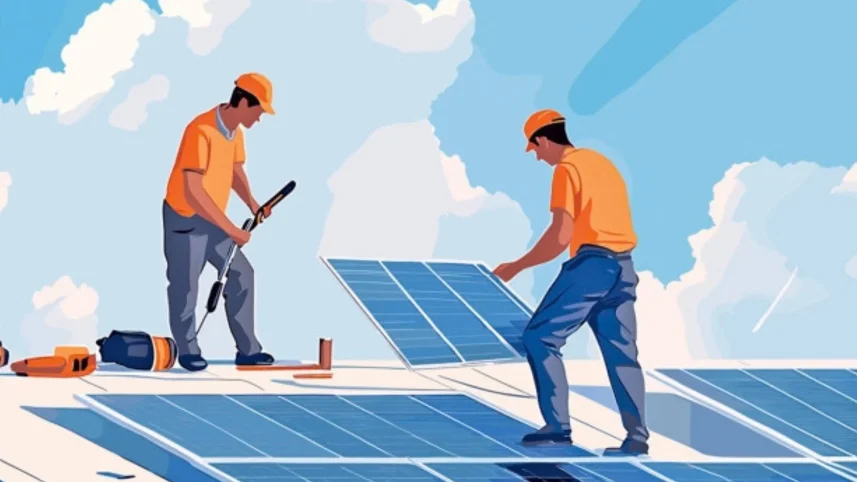
The government is preparing a special ordinance to facilitate rooftop solar power installation, targeting 3,000-4,000 megawatts of capacity before next summer to reduce dependence on imported fossil fuels.
The cabinet today approved the draft of the Special Solar Power Installation Ordinance, 2026, to address regulatory gaps in projects financed and operated by private investors.
Existing laws lack specific provisions on key issues, including long-term electricity pricing, rooftop rental payments, and maintenance responsibilities under two investment models, according to a cabinet division statement.
Under the operational expenditure (OPEX) model, private investors bear the installation costs and provide electricity to the building owner. Under the capital expenditure (CAPEX) model, the building owner or another entity funds the installation and owns the system.
The Public Procurement Act, 2006, the Invest Bangladesh Act, 2026, and the Electricity Act, 2018, do not specifically cover solar installation and service arrangements under the CAPEX model. The OPEX model also lacks clear rules on electricity pricing over a 15-year period, rooftop rent paid in electricity and maintenance obligations, the statement said.
The cabinet approved the draft at a meeting chaired by Prime Minister Tarique Rahman at the secretariat.
After the meeting, Cabinet Secretary Nasimul Gani said the recent war had exposed Bangladesh's vulnerability in the energy sector, making solar power more important than ever.
Solar systems can be installed on government and private buildings, as well as unused land, he said. The ordinance is expected to be issued today.
According to the cabinet division, the Power Division has formulated the National Renewable Energy Development Strategy 2026-2030 to reduce reliance on imported fossil fuels, cut electricity subsidies, strengthen energy security and achieve the Sustainable Development Goals.
Under the plan, investors will finance solar installations on buildings owned by government, semi-government and autonomous bodies, local government institutions and state-owned companies. Institutions with their own revenue streams will also be able to install rooftop solar systems using their own funds, the statement added.
Targets 3,000-4,000MW solar capacity before next summer to reduce reliance on imported fossil fuels
Star Online Report
The government is preparing a special ordinance to facilitate rooftop solar power installation, targeting 3,000-4,000 megawatts of capacity before next summer to reduce dependence on imported fossil fuels.
The cabinet today approved the draft of the Special Solar Power Installation Ordinance, 2026, to address regulatory gaps in projects financed and operated by private investors.
Existing laws lack specific provisions on key issues, including long-term electricity pricing, rooftop rental payments, and maintenance responsibilities under two investment models, according to a cabinet division statement.
Under the operational expenditure (OPEX) model, private investors bear the installation costs and provide electricity to the building owner. Under the capital expenditure (CAPEX) model, the building owner or another entity funds the installation and owns the system.
The Public Procurement Act, 2006, the Invest Bangladesh Act, 2026, and the Electricity Act, 2018, do not specifically cover solar installation and service arrangements under the CAPEX model. The OPEX model also lacks clear rules on electricity pricing over a 15-year period, rooftop rent paid in electricity and maintenance obligations, the statement said.
The cabinet approved the draft at a meeting chaired by Prime Minister Tarique Rahman at the secretariat.
After the meeting, Cabinet Secretary Nasimul Gani said the recent war had exposed Bangladesh's vulnerability in the energy sector, making solar power more important than ever.
Solar systems can be installed on government and private buildings, as well as unused land, he said. The ordinance is expected to be issued today.
According to the cabinet division, the Power Division has formulated the National Renewable Energy Development Strategy 2026-2030 to reduce reliance on imported fossil fuels, cut electricity subsidies, strengthen energy security and achieve the Sustainable Development Goals.
Under the plan, investors will finance solar installations on buildings owned by government, semi-government and autonomous bodies, local government institutions and state-owned companies. Institutions with their own revenue streams will also be able to install rooftop solar systems using their own funds, the statement added.