New Tweets

[🇧🇩] Energy Security of Bangladesh

G Bangladesh Defense
[🇧🇩] Energy Security of Bangladesh
567
20K
More threads by Saif


Supply shortage of fuel oil across Bangladesh continues
Staff Correspondent 20 March, 2026, 22:35

1774053860767.webp

A filling station remains closed at Tejgaon in the capital on Friday. | Sony Ramani

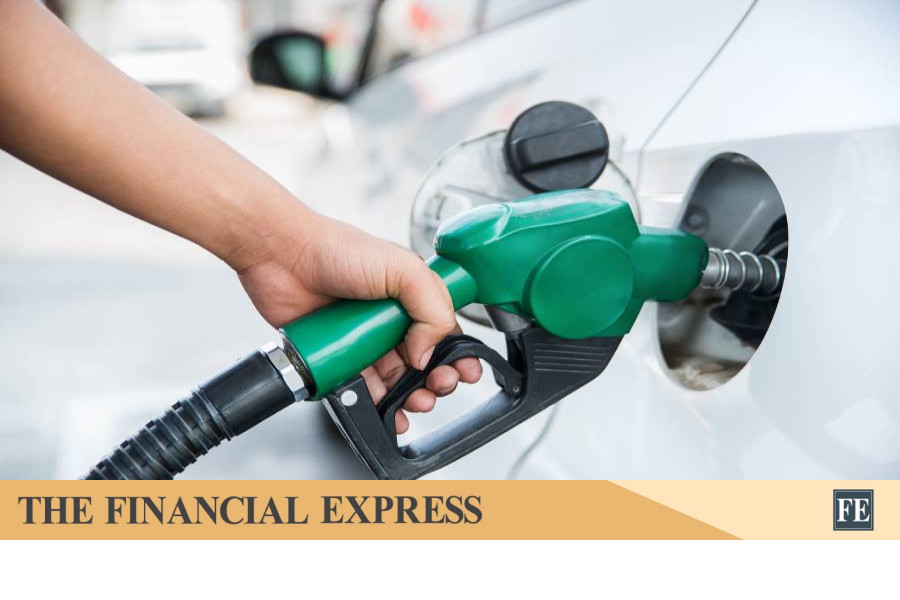
People continued to suffer in long queues to refuel their vehicles at filling stations across the country, including the capital, on Friday as the supply shortage of the items from the state-owned Bangladesh Petroleum Corporation persisted.

Many filling stations in the capital remained closed or operated for limited hours because of supply shortage causing extra pressure on the operating petrol pumps, consumers and petrol pump operators said.

A large number of people, especially many motorcyclists engaged in ridesharing in the capital and many car owners have left the capital for the weeklong Eid holiday, which started on Tuesday in the Muslim majority country.Bangladesh travel guide

Consumers, however, alleged that there was no respite from long queues at the city filling stations and they had to languish in queues for 1–2 hours on Friday, the fourth day of the holiday that began on March 17.

Petrol pump operators said that the situation was worse in the outside of the capital since a large number of motorcyclists and car owners visiting districts to celebrate the long Eid holiday pushing up the demand of fuel oils there.

The supply shortage has, however, been acute at the pumps outside the capital from the very beginning of the crisis in the wake of the war in the Gulf region, home to global half of the energy sources, they said.

Petrol Pump Owners Association convener Syed Sajjadul Karim said that the government should increase supply to meet the high demand.

Altercations between consumers and pump operators and brawls among the consumers in the queues became a common phenomenon, he said.

Rain at places across the country, however, brought down the rising temperature with the advent of early summer season, decreasing the demand for power.

The Met Office forecasted rain and thunder showers accompanied by temporary gusty or squally wind and lightning flashes at a few places over Rangpur, Rajshahi, Dhaka, Mymensingh, Khulna, Barishal, Chattogram and Sylhet over the next four days.

BPC officials admitted that the rain and thunder showers were blessing as it saved huge amount of diesel for the irrigation of the boro, the biggest staple in the country.

They said that fuel oils had been supplied as per the data on demand during March 2025.

Depots at Godnail and Fatulla in Narayanganj would remain closed on Eid day on Saturday and the following day.

Officials said that they would supply 12,777 tonnes of diesel, 1,496 tonnes of petrol and 1,193 tonnes of high-octane petrol daily between in March 23–25.

Bangladesh imported about 62 lakh tonnes of fuel oils in 2024-25, about 63 per cent of which was diesel and 12 per cent was petrol and high-octane petrol.

The joint-strike by the United States and Israel on Iran on February 28, retaliation by Tehran and subsequent closure of the Strait of Hormuz have been interrupting the movement of vessels with fuel oils.

Daily 20 per cent of the global energy passes through the Strait of Hormuz, a 23km narrow sea-line between Iran and Oman.​
 
Analyze

Analyze Post

Add your ideas here:
Highlight Cite Respond

LNG imports disrupted, electricity and energy at risk

Mohiuddin
Dhaka
Updated: 21 Mar 2026, 13: 21

1774139517789.webp


This picture shows the Ras Laffan Industrial City, Qatar’s principal site for production of liquefied natural gas and gas-to-liquid, administrated by Qatar Petroleum, some 80 kilometers (50 miles) north of the capital Doha, on 6 February 2017 AFP

The ongoing conflict in the Middle East has repeatedly targeted energy infrastructure, disrupting global energy supplies and driving prices higher. For import-dependent countries, this raises the prospect of a severe crisis. In Bangladesh, over 70 per cent of liquefied natural gas (LNG) imports originate from Qatar, where production could remain halted for an extended period. This threatens the country’s gas supply, and by extension, its electricity and broader energy sector.

Energy sector experts emphasise that natural gas is a primary fuel source for electricity generation, industry, and household consumption. Approximately 35 per cent of Bangladesh’s gas demand is met by imported LNG. Any reduction in imports would decrease supply across all sectors, hinder production in export-oriented industries. The situation may potentially exacerbate power outages during the forthcoming summer due to reduced electricity generation.

According to the Energy and Mineral Resources Division, daily gas demand stands at 3.8 billion cubic feet, of which 2.65 to 2.7 billion cubic feet is currently supplied. LNG accounts for 900–950 million cubic feet.

However, since the outbreak of the conflict, LNG supply has been reduced to 850 million cubic feet. During the current 2025–26 fiscal year, an Iranian attack damaged 17 per cent of Qatar’s LNG export capacity. Restoration and repair of the facility could take three to five years, as confirmed by Qatar Energy CEO Saad Al-Kaabi in an interview with Reuters last Thursday.

Bangladesh plans to import 115 LNG cargoes this year, of which 56 are under long-term contracts, including 40 supplied by Qatar. Oman also provides LNG to Bangladesh, purchased from Qatar. In addition, 59 cargoes are to be sourced from the spot market.

Nearly all of Qatar’s natural gas is processed and exported from Ras Laffan. The facility’s management, under state-owned Qatar Energy, suspended LNG and related production earlier this month. Owing to the recent missile strike and extensive damage, it may take a considerable period before operations return to normal.
Companies from Singapore, the United States, and several other countries regularly supply LNG, with Qatar remaining a major source. Qatar’s Ras Laffan complex is the world’s largest LNG production facility, responsible for nearly 20 per cent of global LNG output. It plays a pivotal role in meeting energy demand in Asia and Europe.

The conflict has also disrupted the Strait of Hormuz supply route, and production at Ras Laffan has been halted due to Iranian attacks, creating further uncertainty in LNG availability.

CNN reports that, in protest against Israeli attacks on Iranian oil fields, Iranian missiles struck Ras Laffan Industrial City last Thursday, causing widespread damage. Nearly all of Qatar’s natural gas is processed and exported from Ras Laffan. The facility’s management, under state-owned Qatar Energy, suspended LNG and related production earlier this month. Owing to the recent missile strike and extensive damage, it may take a considerable period before operations return to normal.

1774139581286.webp

Model of LNG tanker is seen in front of Qatar's flag in this illustration taken on 19 May, 2022 Reuters

Meanwhile, wholesale LNG prices in Europe have reached their highest level in over three years.

Petrobangla seeks alternative LNG sources
Under the guidance of the Bangladesh Oil, Gas, and Mineral Resources Corporation (Petrobangla), the state-owned company Rupantarita Prakritik Gas Company Limited (RPGCL) imports liquefied natural gas (LNG). According to Petrobangla sources, prior to the outbreak of the Middle East conflict, the price per unit of LNG was US$10. It has now surged to $25, with further increases likely. Rising prices have led to the suspension of LNG supplies under some long-term contracts.

Even long-term contracts, which generally offer lower prices, may face supply interruptions in the current conflict. Procuring additional LNG from the spot market could also create logistical pressures. Therefore, energy conservation is necessary-------Md. Erfanul Haque, Petrobangla Chairman.

To maintain supply for April, five LNG cargoes have already been ordered, with prices ranging from $20.9 to $28.28 per unit. RPGCL recently invited tenders for the procurement of an additional cargo. For May, authorities are actively seeking alternative sources to secure supplies.

Petrobangla officials note that there are no signs of the conflict ending soon. Even if hostilities cease, it will take time for production to resume, and prices are expected to continue rising. Procuring LNG at elevated prices poses economic challenges, particularly given the need for government subsidies. Importing LNG from Australia or the United States would further increase costs.

Speaking to Prothom Alo on Friday, Petrobangla Chairman Md. Erfanul Haque explained that even long-term contracts, which generally offer lower prices, may face supply interruptions in the current conflict. Procuring additional LNG from the spot market could also create logistical pressures. Therefore, energy conservation is necessary.

Singapore is a major source of refined fuel. The country imports crude primarily from the Middle East. Consequently, supply disruptions are likely. LNG availability may also be affected.
M Tamim, former Special Assistant on Energy to the Caretaker Government’s Chief Adviser.

Stating that Petrobangla will take measures based on government directives, he said efforts were underway to explore LNG imports from Central Asian countries as well.

Earlier, in 2022, the Russia–Ukraine war caused major volatility in global energy markets, sending LNG prices beyond reach. Prices per unit exceeded $60. Although Bangladesh managed to purchase LNG at $36, it could not sustain further procurement. From July of that year, spot market LNG imports were suspended for seven consecutive months, triggering a domestic gas shortage and causing widespread load-shedding due to reduced electricity generation.

Uncertainty looms over fuel oil supplies
Bangladesh is almost entirely dependent on imports for its fuel oil needs. All of its crude oil imports come from Saudi Arabia and the United Arab Emirates (UAE). At the onset of the Middle East conflict, Saudi Arabia’s largest refinery, the Aramco plant, was attacked, effectively halting crude oil imports. Current domestic reserves are sufficient to sustain production only until mid-April.

The majority of the country’s fuel oil requirements are met through imports of refined products, including diesel, octane, furnace oil, and jet fuel.

1774139773716.webp


According to Al Jazeera, crude oil prices have surged dramatically, with the global benchmark Brent crude reaching $115 per barrel, a steep rise from approximately $65 per barrel before the conflict began. Diesel prices have exceeded $140 per barrel. Around 65 per cent of the fuel oil consumed domestically is diesel, the bulk of which is imported.

Refined fuel is sourced from Singapore, China, Malaysia, Indonesia, the UAE, Kuwait, Thailand, Oman, and India, with most diesel exports arriving via crude imported from the Middle East. Any disruption in these imports could reduce diesel availability, prompting authorities to seek alternative suppliers.

The Bangladesh Petroleum Corporation (BPC), a state-owned entity, handles fuel oil imports, averaging 15 cargoes per month. Since the outbreak of the conflict, deliveries have been irregular, with shipment schedules delayed.

Four additional diesel cargoes are due this month, while India continues to supply diesel via pipeline. Procedures have been initiated to import 300,000 tonnes of diesel from alternative sources, mitigating immediate concerns. Nonetheless, prolonged conflict could threaten supply continuity.

1774139722949.webp

The tanker ‘Liberta’, carrying 62,000 tonnes of LNG from Qatar’s Ras Laffan, was scheduled to sail towards Chittagong. However, with the closure of the Strait of Hormuz by Iran, the vessel is now stranded in the Persian Gulf. Collected.

Petrol is produced entirely domestically, while 50 per cent of octane requirements are imported. Current octane reserves are limited, with no shipments scheduled for this month. One cargo, carrying 25,000 tonnes of octane, is expected in the first week of next month. Supplies of petrol and octane from private domestic refineries are already reduced compared to previous levels. Jet fuel imports, necessary for aviation, are also being disrupted.

M Tamim, former Special Assistant on Energy to the Caretaker Government’s Chief Adviser, told Prothom Alo that Singapore is a major source of refined fuel. The country imports crude primarily from the Middle East. Consequently, supply disruptions are likely. LNG availability may also be affected.

He advised prudent consumption and conservation measures, including the possibility of reducing office hours and implementing selective power outage if required.​
 
Analyze

Analyze Post

Add your ideas here:
Highlight Cite Respond

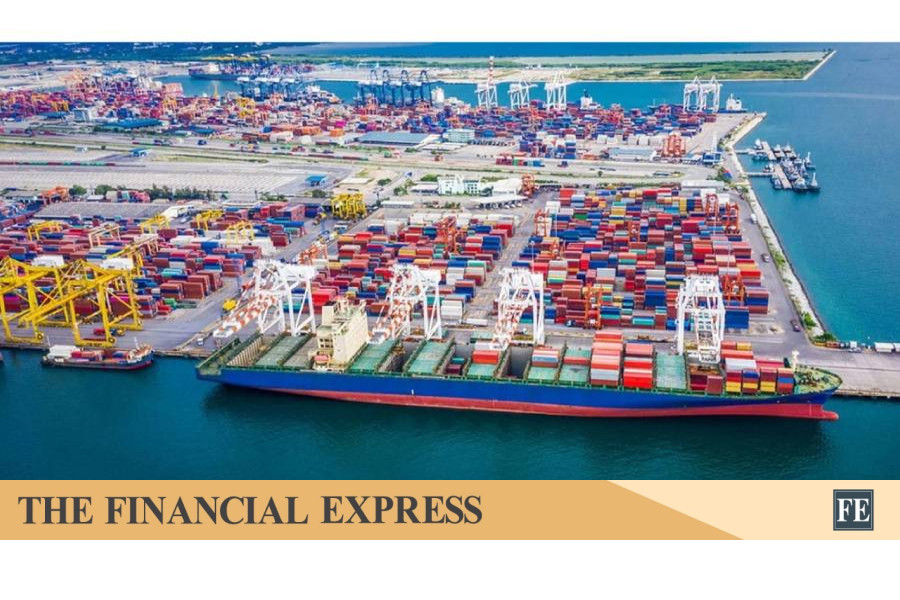
25 ships unload fuel at Ctg port in 22 days of March

BSS
Published :
Mar 22, 2026 21:18
Updated :
Mar 22, 2026 21:18

1774224096680.webp

Despite the global unrest due to the war between the USA-Israel and Iran, fuel unloading activities at Chattogram Port remain unaffected as a total of 25 ships have successfully unloaded fuel at the port from March 1 to March 22.

Port Secretary Syed Refaet Hamim confirmed the information today. Currently, LPG unloading is in progress on a ship from Oman.

Additionally, a ship carrying base oil from Thailand is waiting for unloading at the outer anchorage. Two ships, 'BWEK BORNHOLM' and 'MORNING JANE,' are en-route to the port and expected to arrive by March 25.

Meanwhile, the ship 'LPG SEVAN' from Oman is actively unloading gas. The ship 'AB OLIVIA,' which transported base oil from Thailand, is currently at Bravo Point in the outer anchorage, waiting to be unloaded.​
 
Analyze

Analyze Post

Add your ideas here:
Highlight Cite Respond

Bangladesh rushes to secure $2bn loan amid energy crisis

AFP
Dhaka
Published: 22 Mar 2026, 10: 15

1774226020560.webp

Prime minister’s adviser on economy and planning Rashed Al Mahmud Titumir File photo

Bangladesh is pushing to secure loans of around $2 billion from multilateral agencies for tackling energy security concerns amid soaring global fuel prices driven by the Mideast war.

The government has already taken several measures to curb fuel consumption, including halting production at most fertiliser factories.

The government has now adopted a three-pronged approach to ensure sustainable energy supply, the prime minister’s finance and planning advisor Rashed Al Titumir said Saturday.

“Part of that is securing loans,” Titumir told AFP.

“The International Monetary Fund (IMF) has committed $1.3 billion, while the Asian Development Bank (ADB) has pledged $500 million as budget support,” Al Titumir said, adding the government was pursuing the loans for early disbursement.

The government may also approach the World Bank.

“As we want to keep foreign currency reserves intact, we have limited options other than seeking loans,” Al Titumir said.

The government is also exploring alternatives for sourcing energy from “North America, South America or Africa”.

“We are exploring all available options for alternative energy sources,” Al Titumir said.

Bangladesh -- which imports 95 per cent of its oil and gas needs -- has not raised electricity and fuel prices despite the global surge.

Most crude fuel is sourced from Saudi Arabia and the United Arab Emirates, while around 35 per cent of gas supply also comes from the Middle East.

An attack on a site at Qatar’s Ras Laffan LNG hub could disrupt gas supply, given the country’s reliance on the facility.

Since the outbreak of the Mideast war, authorities have taken several measures to curb fuel consumption.

These include setting limits on fuel purchases, halting production at most fertiliser factories, deploying police to patrol filling stations, and using the navy to escort LNG shipments.​
 
Analyze

Analyze Post

Add your ideas here:
Highlight Cite Respond

Bangladesh to raise fuel imports by 25% amid global supply concerns: Energy Minister

UNB
Published :
Mar 23, 2026 18:27
Updated :
Mar 23, 2026 18:27

1774310796601.webp


The government has decided to increase fuel imports by 25 percent in the course of the current year to tackle potential supply disruptions caused by the ongoing conflict in the Middle East, Energy Minister Iqbal Hassan Mahmood said on Monday.

“Despite global concerns over fuel supply, there is no immediate crisis in Bangladesh. As a precautionary measure, the government has decided to raise fuel imports by 25 percent,” Iqbal told reporters at his residence in Dhaka in the afternoon.

The minister said vessels carrying sufficient fuel supplies are arriving at ports, and the government is maintaining strict vigilance to ensure uninterrupted distribution across the country.

Highlighting the government’s subsidy efforts, the minister said fuel is being purchased at higher prices from the spot market but sold to consumers at lower rates.

“The duration of the conflict remains uncertain, the government will continue providing subsidies for as long as possible, considering people’s purchasing capacity,” he added.

Referring to disruptions in global supply routes, Iqbal noted that oil shipments through the Strait of Hormuz are facing challenges. “Ships are unable to move normally through the Strait of Hormuz and require special permissions, which is causing some disruptions to regular supply.”

On fuel reserves, the minister said stock levels are being managed based on demand, and uninterrupted supply has so far prevented any major crisis.

Urging the public to remain calm, he called on consumers to avoid panic buying. “Please refrain from panic buying. Purchase only what you need. Panic buying is increasing pressure on depots and fuel stations.”

Meanwhile, visits to several fuel pumps in the capital found vehicles waiting in long queues for fuel, while some stations were temporarily shut after running out of stock due to increased demand: further fuelling public anxiety.​
 
Analyze

Analyze Post

Add your ideas here:
Highlight Cite Respond

Buy only as much fuel as needed, and there will be no shortage: Energy minister

Fuel supply increased by 25% than last year, he says

Star Online Report

1774312835015.webp

Photo: Screengrab from video

Power, Energy and Mineral Resources Minister Iqbal Hasan Mahmud Tuku has urged citizens to use fuel economically, assuring that the government is supplying 25 percent more fuel compared to last year.

Speaking to journalists today, the minister said, “I would like to urge the public not to panic. There is enough fuel, and we are continue to supply it.”

He explained that Bangladesh is purchasing fuel from the spot market at higher prices but supplying it domestically without raising costs, in order to provide relief to the people.

“If people do not cooperate, the system does not function properly. We urge people to remain patient, take only as much fuel as needed, and there will be no shortage,” he added.

Tuku dismissed media reports suggesting widespread pump closures as “panic-inducing.”

He noted that while a few petrol pumps were closed over the past two days, operations have resumed.

He stressed that stock levels fluctuate as supply continues, and assured that distribution is ongoing.

Acknowledging global challenges, the minister said all countries are facing difficulties importing fuel through the Strait of Hormuz.

“This has become a global problem. We have not increased prices. We are continuing to supply fuel with subsidies. Keeping that in mind, those who use cars and motorcycles should be economical,” he said.​
 
Analyze

Analyze Post

Add your ideas here:
Highlight Cite Respond

Middle East war: What will happen to Bangladesh’s energy security?
Fahmida Khatun
Updated: 24 Mar 2026, 14: 40

1774399215746.webp

Long queue of motorcyclists to buy fuel oil in Bijoy Sarani area, Dhaka on 24 March 2026 Meer Hossain

Ongoing war and geopolitical tensions in the Middle East have heightened uncertainty in the global energy market. The Middle East has long been the primary hub of global energy supply.

According to the International Energy Agency, around 20 million barrels of crude oil and petroleum products pass daily through the Strait of Hormuz, accounting for nearly one-quarter of the world’s seaborne oil trade.

At the same time, Qatar and the United Arab Emirates are major suppliers of liquefied natural gas (LNG). Therefore, conflict or military tension in this region threatens not only the oil market but the stability of the entire global energy supply chain.

This situation is particularly concerning for Bangladesh, as the country depends heavily on imported energy. Electricity generation, industry, transport, and agriculture—all rely significantly on imported crude and refined oil, as well as LNG from the Middle East.

A prolonged conflict in the region could severely undermine Bangladesh’s energy security, exert pressure on foreign exchange reserves, increase inflation, and, in the long term, threaten economic stability.

Recent conflicts have already caused significant volatility in global oil prices. Amid fears of supply disruptions, Brent crude prices temporarily rose to around $119 per barrel, although they later eased somewhat.

Such price hikes create immediate economic pressure on import-dependent countries. For Bangladesh, the impact is even more pronounced, as diesel plays a critical role across various sectors of the economy.

One immediate effect on Bangladesh’s economy could be rising inflation. According to the Bangladesh Bureau of Statistics, point-to-point inflation stood at approximately 9.13 per cent in February. Higher fuel prices could increase costs in transportation, agriculture, power generation, and industry, leading to higher food prices and overall inflation. The impact could spread quickly in Bangladesh, given the widespread use of diesel in food transportation, irrigation, and industrial power generation.

A second major impact would be on import costs and foreign exchange reserves. According to Bangladesh Bank, as of 12 March, the country’s total foreign exchange reserves (under the BPM6 method) stood at $29.64 billion. A sudden surge in global oil prices would sharply increase import expenditures, putting additional pressure on reserves and raising the risk of exchange rate instability. At the same time, the trade deficit could widen further.

The fiscal sector would also face significant pressure. Historically, Bangladesh has used fuel subsidies to shield consumers from global price volatility. However, these subsidies come at a substantial financial cost. When fuel prices rise, the burden on the government budget increases.

Expanding subsidies to protect consumers may widen the budget deficit and reduce fiscal flexibility. In recent years, the government’s financial capacity has already narrowed. The tax-to-GDP ratio declined from 7.4 per cent to 6.8 per cent in FY2025–26.

At the same time, total subsidy expenditure has remained high, reaching about 2.2 per cent of GDP in FY2025–26. The energy sector, particularly the state-owned Bangladesh Power Development Board, has received a large share of these subsidies.

Rising energy import costs have increased electricity generation expenses, but retail electricity prices have been kept unchanged to control inflation. The government has also paid part of the arrears owed to independent power producers. Meanwhile, subsidies for fertilisers have remained elevated, and incentives are being provided to boost remittance inflows.

In the context of high global energy prices, if the government aligns domestic fuel prices with international rates, it could quickly raise inflation and the cost of living. Therefore, policymakers must strike a balance between maintaining fiscal stability and controlling inflation.

In this context, exploring alternative energy sources is essential. Bangladesh mainly imports oil and LNG from Saudi Arabia, the UAE, Kuwait, and Qatar. To reduce this dependence, diversification of import sources is necessary. In the short term, importing refined diesel from India and China could be a viable alternative. The India-Bangladesh Friendship Pipeline could play an important infrastructural role in this regard.

Financing high-cost energy imports could also become a major challenge. In this case, international trade financing mechanisms can play a crucial role. The Islamic Trade Finance Corporation has been supporting Bangladesh in oil and gas imports. The financial strength of Petrobangla and Bangladesh Petroleum Corporation is also critical. Petrobangla is not fully self-reliant and has faced import difficulties due to foreign currency shortages. Although BPC is relatively stronger, it has previously accumulated arrears with international suppliers due to forex constraints. Therefore, persistently high energy prices could put additional pressure on these institutions.

In this context, the World Bank’s $350 million support for LNG imports from 2026 could play an important role by encouraging commercial banks to provide financing through guarantees. In addition, government-to-government credit arrangements with supplier countries could also be considered.

A balanced energy pricing policy is essential in this situation. A sudden increase in fuel prices could sharply raise inflation in transport, agriculture, and food supply. On the other hand, maintaining subsidies over the long term would increase the budget deficit. A phased price adjustment could be an effective solution, where luxury energy users pay more while critical sectors such as agriculture and public transport receive targeted support.

Understanding Bangladesh’s energy consumption structure is also important. Diesel is primarily used for irrigation in agriculture, transport, industrial generators, and some power plants. Petrol and octane are mainly used in private vehicles.

Furnace oil is used in specific power plants, while LNG and natural gas are vital for electricity, industry, and fertiliser production. Therefore, any disruption in diesel supply could quickly affect agriculture, transport, and food supply systems.

The conflict in the Middle East has once again exposed the vulnerabilities of Bangladesh’s energy security framework. An import-dependent energy structure, limited foreign exchange reserves, and constrained fiscal capacity make the economy highly sensitive to volatility in global energy markets.

In this context, Bangladesh needs to adopt several policy measures in the short and medium term. In the short term, it is essential to increase strategic fuel reserves, ensure alternative supply sources, and prioritise energy supply for critical sectors. At the same time, reliance on volatile spot markets should be reduced, and long-term supply contracts should be expanded. In the medium term, strengthening energy storage infrastructure, improving energy efficiency, and increasing investment in renewable energy are necessary.

The current crisis also highlights another important issue: Bangladesh must increase its own energy exploration. In particular, exploration activities in the Bay of Bengal should be intensified, and joint initiatives between BAPEX and international energy companies should be expanded. The government has already announced plans for new exploratory wells. If these initiatives are effectively implemented, dependence on imports could be reduced in the long run.

The conflict in the Middle East has once again exposed the vulnerabilities of Bangladesh’s energy security framework. An import-dependent energy structure, limited foreign exchange reserves, and constrained fiscal capacity make the economy highly sensitive to volatility in global energy markets.

Therefore, this crisis should not be viewed merely as a temporary problem, but as an opportunity to rethink long-term energy strategy. By diversifying energy sources, strengthening financial systems, and increasing investment in domestic exploration and renewable energy, Bangladesh can become more resilient and stable in the face of future global energy crises.

*Fahmida Khatun is an economist and Executive Director of the Centre for Policy Dialogue​
 
Analyze

Analyze Post

Add your ideas here:
Highlight Cite Respond

Industrial solar could shield us from global energy shocks

Ashraful Islam Raana


1774400918932.webp


Bangladesh is not directly involved in the Iran conflict, but its effects are already visible from Dhaka’s upscale areas to rural petrol pumps. Anxiety over energy supply is spreading fast, especially among export-driven industries where uncertainty is turning into a serious concern.

This is not new. The 2022 Russia-Ukraine war drove global energy prices up, swelling Bangladesh’s import bill and draining foreign reserves. Inflation surged, and its impact still lingers.

The US-Israeli war on Iran has again exposed Bangladesh’s dependence on imported fossil fuels, mainly from the Middle East. Crude oil prices have risen 23-25 percent, while spot LNG costs have spiked. Since energy fuels every sector, ranging from factories to food, higher costs inevitably push up the price of everything else.

The question, therefore, is unavoidable: how long can Bangladesh afford to rely so heavily on imported energy?

Geopolitical crises in Kuwait, Iraq, and other parts of the Middle East have repeatedly exposed this structural weakness. Yet fundamental reforms in Bangladesh’s energy strategy have remained slow. The country continues to expand fossil-fuel infrastructure while renewable energy still occupies only a marginal place in the power mix.

In this context, expanding locally available renewable energy is no longer just an environmental aspiration – it is an urgent economic necessity. Renewable energy sources are largely immune to geopolitical volatility, making them a strategic shield for import-dependent economies like Bangladesh.

There are already examples within South Asia. Pakistan has significantly expanded its renewable energy capacity in recent years.

By 2025, more than 46 percent of its electricity generation capacity is expected to come from renewable sources. As a result, global fuel price volatility is having a comparatively smaller impact on its energy system.

For Bangladesh, the most immediate opportunity lies not in distant deserts or offshore wind farms — but right above our heads.

By 2025, over 46 percent of Bangladesh’s electricity is expected to come from renewables, cushioning the impact of global fuel price swings. The most immediate opportunity lies on factory rooftops.

Across industrial zones, more than 5,000 factories sit beneath vast concrete roofs. According to the Centre for Policy Dialogue, rooftop solar could generate 5,500 MW, equal to four large coal plants.

For entrepreneurs, the incentives are strong: solar could cut monthly energy costs by 15-20 percent, a major boost for the garment industry that drives over 80 percent of exports.

Net metering already allows users to feed surplus power into the grid, making investments more attractive. Still, progress is slow.

By late 2024, Bangladesh’s solar capacity stood at 1,084 MW, with rooftop systems contributing just 190 MW. Installations have grown nearly 200 percent in a year, but the sector remains far short of its vast potential.

MAJOR BARRIERS

Since 2009, Bangladesh’s power sector has attracted large private investments thanks to government-backed guarantees like capacity payments, which reassured lenders and fuelled fossil-fuel projects. Rooftop solar, however, receives no such support.

Fossil-fuel infrastructure also enjoys tax breaks: imports for coal plants face duties as low as five percent, while solar panels are taxed between 14 and 28 percent. This imbalance discourages renewable investment.

The upfront cost is another hurdle. A five-MW rooftop system can cost several crores of taka, leaving many factories hesitant without accessible financing. Banks remain cautious about smaller projects.

To bridge these gaps, new models are emerging. Under Capex, factory owners invest directly; under Opex, third-party investors install and operate systems, selling electricity at fixed rates.

The state-owned Infrastructure Development Company Limited (Idcol) – which finances renewable infrastructure projects– has already backed rooftop solar in over 150 factories, but scaling up requires far greater involvement from banks and private investors.

Progress is also slowed by bureaucracy. Entrepreneurs face lengthy net-metering approvals, and utilities often resist connecting solar projects.

Still, success stories prove the potential. Youngone Corporation in Chattogram’s Korean Export Processing Zone has installed nearly 37MW of rooftop solar, enough to power 30,000–40,000 households daily. These examples show rooftop solar is not a dream but a practical solution.

Bangladesh now needs decisive policy action: tax breaks for solar equipment, faster net-metering approvals, accessible financing, and stronger private-sector support. Rooftop solar could quickly stabilize industrial power, cut import dependence, boost export competitiveness, and shield the economy from future energy shocks.

The writer is an independent journalist with eight years of experience covering the energy sector​
 
Analyze

Analyze Post

Add your ideas here:
Highlight Cite Respond

Latest Posts

Back
PKDefense - Recommended Toggle