Bangladesh Defense
Saif
Senior Member
- Jan 24, 2024
- 21,040
- 9,686
- Nation

- Residence
- Axis Group


Proposal to curtail prime minister’s absolute power
The active political parties including the BNP and other stakeholders are in agreement over the question of re-establishing a balance of power between the president and prime minister
 en.prothomalo.com
Proposal to curtail prime minister’s absolute power
Riadul Karim
Dhaka
Published: 25 Jan 2025, 14: 51

The constitution reforms commission headed by Professor Ali Riaz handed over their report containing reform recommendations to the chief advisor Professor Muhammad Yunus at the chief advisor's office on Wednesday. Courtesy: Chief advisor's press wing
The constitution reform commission has recommended curtailing the prime minister’s absolute authority to increase the president’s power. The active political parties including the BNP and other stakeholders are in agreement on the question of re-establishing a balance of power between the president and prime minister. However, the discussions on how to establish the balance have not started yet.
Relevant sources say the interim government wants to hold dialogues with the political parties in February over the recommendations placed by the reform commissions. The government will try to find a way through these discussions.
Establishing a balance of power is also a key aspect of the 31-point reform proposal of the BNP. However, they have not elaborated the process of achieving that balance. The constitution reform commission has made several specific proposals to lessen the power of the prime minister and to extend the president’s authority.
Constitution reform commission sources say the issues have been specified in their reform proposal in detail. Work is underway to integrate the reforms. Detailed reports of the recommendations will be published after that. The president will hold more power as compared to the existing constitution if the recommendations made by the reform commission are implemented. It will curtail the absolute power of the prime minister.
Under the current system, the presidents have to do everything in consultation with the prime minister (PM) except the appointment of the PM and the chief justice. The commission has proposed to bring a change in this area. They recommended giving the president the authority to recruit some other constitutional posts in compliance with the specific procedures. The president would not be required to consult the prime minister in these cases as per the proposals.
Relevant persons say the implementation of the recommendations proposed by the constitution reform commission would reduce the absolute authority of the prime minister apparently. It will enhance the power of the president. Nevertheless, a question remains as to how far the president can act independently going beyond interference of the prime minister given the political culture of the country.
The constitution reform commission published a summary of the recommendations that they have come up with. It reads that the commission recommends some specific duties for the president. The president will consult the prime minister on all matters except these specific activities and issues mentioned in the constitution.
President’s power to be extended
Sources say there have been proposals to keep appointments of some constitutional posts such as the chief justice, Appellate Division and High Court justices and Comptroller and Auditor General (CAG) of Bangladesh, under the jurisdiction of the president who will appoint people in these posts following specific procedures. There will be no need of consulting the PM in this regard. It will enhance the opportunities for the judiciary to be free of interference of the executive. Besides, there could be a proposal to give the president the authority in case of recruitment to other posts specified by laws. The president would not need to consult the PM in these cases either.
Apart from that, the commission recommended formation of a ‘national constitutional council’ comprising representatives from the three branches of the state - judiciary, legislative and executive.
This council will propose names to the president for the posts of chief election commissioner (CEC) and other election commissioners, attorney general, Public Service Commission (PSC) chairman and its members, Human Rights Commission chief and other commissioners and chiefs of the defence forces. The president will have the authority to appoint people in these posts without the consent of the prime minister. The respective reform commissions have some proposals over the formation of constitutional institutions like the Election Commission and Anti-Corruption Commission and recruitment in the judiciary.
Proposal to curtail PM’s authority to declare emergency
According to the existing constitution, the president can declare a state of emergency for a maximum of 120 days. However, it needs approval from the prime minister before the declaration. The constitution reform commission says in its proposals that the president will have the authority to call an emergency only as per the decision of the proposed constitutional council. In other words, the PM will not have absolute power in this case too.
In the existing parliamentary structure, the prime minister, parliamentary leaders and chief of the ruling party are the same person. It was the same during the terms of both the Awami League and the BNP. It ensures an undisputed control of a single person in the parliament, government and the ruling party. The commission has proposed that a person serving as the prime minister will not be allowed to be the parliamentary leader or the chief of a political party at the same time.
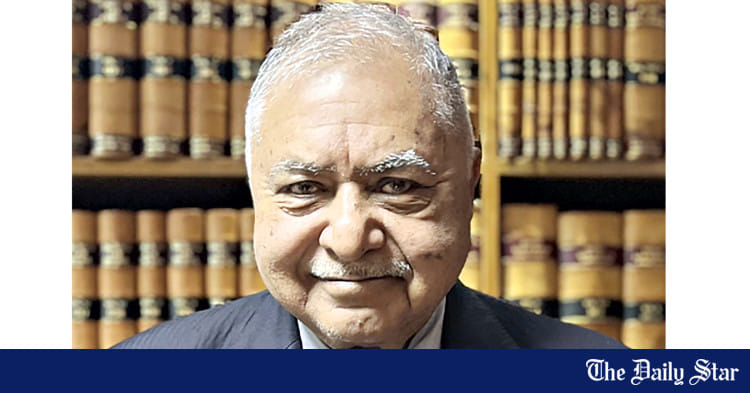
Under the current constitution, the president has to do everything, except the appointment of the PM and chief justice, in consultation with the prime minister. That means it is the PM who actually holds an all-out authority in reality. There should be an arrangement which ensures that the prime minister does not hold absolute power. Making such proposals is a positive approach. MA Matin, Former justice
Speaking to Prothom Alo, constitution reform commission chief professor Ali Reaz said one of the main goals of their reform proposal is to bring a balance in the power between individuals (constitutional post holders) and institutions. The duties of the president have been elaborated in their recommendations.
Relevant persons say the implementation of the recommendations proposed by the constitution reform commission would reduce the absolute authority of the prime minister apparently. It will enhance the power of the president. Nevertheless, a question remains as to how far the president can act independently going beyond interference of the prime minister given the political culture of the country.
In the existing system, the president is elected as a person nominated by the ruling party. But, the process of presidential election as proposed by the commission makes it uncertain that the presidential candidate nominated by the ruling party will be elected.
The reform commission proposes that the president will be elected by the majority vote of the electoral college. Each member from both houses of the parliament, each district and city corporation coordination council will cast one vote each to elect the president. It makes it uncertain that a presidential candidate nominated by the party which has majority in both houses of the parliament will eventually get elected. The votes from the district and city corporation coordination councils will play a key role in this case.
Meanwhile, there has been a recommendation to amend the Article 70 of the constitution which will enable the lawmakers to veto against the party except issues related to financial bills. As a consequence, there will be scopes for a presidential candidate outside the ruling party to be elected. There is no such opportunity in the existing constitution.
Retired justice MA Matin told Prothom Alo, “Under the current constitution, the president has to do everything, except the appointment of the PM and chief justice, in consultation with the prime minister. That means it is the PM who actually holds all authority in reality. There should be an arrangement which ensures that the prime minister does not hold an all-out power. Making such proposals is a positive approach.”
Wait for dialogue
Of the six reform commissions formed by the interim government initially, the constitution, electoral, Anti-Corruption Commission (ACC) and police reform commissions submitted their reports to chief adviser Dr. Muhammad Yunus on 15 January. These commissions are now working to prepare a unified set of recommendations. The reform commissions on public administration and the judiciary are scheduled to submit their reports by 31 January.
Different political parties, including the BNP, Ganatantra Mancha, Jamaat-e-Islami and the Communist Party of Bangladesh (CPB) have taken the submission of the reform commission report positively. However, the parties refrained from issuing any official statement in this regard as the commissions have not published the complete reports.
BNP secretary general Mirza Fakhrul Islam Alamgir and other key political leaders of the country say they are reviewing the summary of the reports published by the reform commission within their parties.
The interim government said chief adviser Dr. Muhammad Yunus, along with the chiefs of the reform commissions will hold dialogue with the political parties in February. They will endeavour to reach consensus through discussions over the recommendations made by the reform commissions. BNP and other parties say they are waiting for that.
*This report appeared on the print and online versions of Prothom Alo and has been rewritten in English by Ashish Basu
Riadul Karim
Dhaka
Published: 25 Jan 2025, 14: 51
The constitution reforms commission headed by Professor Ali Riaz handed over their report containing reform recommendations to the chief advisor Professor Muhammad Yunus at the chief advisor's office on Wednesday. Courtesy: Chief advisor's press wing
The constitution reform commission has recommended curtailing the prime minister’s absolute authority to increase the president’s power. The active political parties including the BNP and other stakeholders are in agreement on the question of re-establishing a balance of power between the president and prime minister. However, the discussions on how to establish the balance have not started yet.
Relevant sources say the interim government wants to hold dialogues with the political parties in February over the recommendations placed by the reform commissions. The government will try to find a way through these discussions.
Establishing a balance of power is also a key aspect of the 31-point reform proposal of the BNP. However, they have not elaborated the process of achieving that balance. The constitution reform commission has made several specific proposals to lessen the power of the prime minister and to extend the president’s authority.
Constitution reform commission sources say the issues have been specified in their reform proposal in detail. Work is underway to integrate the reforms. Detailed reports of the recommendations will be published after that. The president will hold more power as compared to the existing constitution if the recommendations made by the reform commission are implemented. It will curtail the absolute power of the prime minister.
Under the current system, the presidents have to do everything in consultation with the prime minister (PM) except the appointment of the PM and the chief justice. The commission has proposed to bring a change in this area. They recommended giving the president the authority to recruit some other constitutional posts in compliance with the specific procedures. The president would not be required to consult the prime minister in these cases as per the proposals.
Relevant persons say the implementation of the recommendations proposed by the constitution reform commission would reduce the absolute authority of the prime minister apparently. It will enhance the power of the president. Nevertheless, a question remains as to how far the president can act independently going beyond interference of the prime minister given the political culture of the country.
The constitution reform commission published a summary of the recommendations that they have come up with. It reads that the commission recommends some specific duties for the president. The president will consult the prime minister on all matters except these specific activities and issues mentioned in the constitution.
President’s power to be extended
Sources say there have been proposals to keep appointments of some constitutional posts such as the chief justice, Appellate Division and High Court justices and Comptroller and Auditor General (CAG) of Bangladesh, under the jurisdiction of the president who will appoint people in these posts following specific procedures. There will be no need of consulting the PM in this regard. It will enhance the opportunities for the judiciary to be free of interference of the executive. Besides, there could be a proposal to give the president the authority in case of recruitment to other posts specified by laws. The president would not need to consult the PM in these cases either.
Apart from that, the commission recommended formation of a ‘national constitutional council’ comprising representatives from the three branches of the state - judiciary, legislative and executive.
This council will propose names to the president for the posts of chief election commissioner (CEC) and other election commissioners, attorney general, Public Service Commission (PSC) chairman and its members, Human Rights Commission chief and other commissioners and chiefs of the defence forces. The president will have the authority to appoint people in these posts without the consent of the prime minister. The respective reform commissions have some proposals over the formation of constitutional institutions like the Election Commission and Anti-Corruption Commission and recruitment in the judiciary.
Proposal to curtail PM’s authority to declare emergency
According to the existing constitution, the president can declare a state of emergency for a maximum of 120 days. However, it needs approval from the prime minister before the declaration. The constitution reform commission says in its proposals that the president will have the authority to call an emergency only as per the decision of the proposed constitutional council. In other words, the PM will not have absolute power in this case too.
In the existing parliamentary structure, the prime minister, parliamentary leaders and chief of the ruling party are the same person. It was the same during the terms of both the Awami League and the BNP. It ensures an undisputed control of a single person in the parliament, government and the ruling party. The commission has proposed that a person serving as the prime minister will not be allowed to be the parliamentary leader or the chief of a political party at the same time.
Under the current constitution, the president has to do everything, except the appointment of the PM and chief justice, in consultation with the prime minister. That means it is the PM who actually holds an all-out authority in reality. There should be an arrangement which ensures that the prime minister does not hold absolute power. Making such proposals is a positive approach. MA Matin, Former justice
Speaking to Prothom Alo, constitution reform commission chief professor Ali Reaz said one of the main goals of their reform proposal is to bring a balance in the power between individuals (constitutional post holders) and institutions. The duties of the president have been elaborated in their recommendations.
Relevant persons say the implementation of the recommendations proposed by the constitution reform commission would reduce the absolute authority of the prime minister apparently. It will enhance the power of the president. Nevertheless, a question remains as to how far the president can act independently going beyond interference of the prime minister given the political culture of the country.
In the existing system, the president is elected as a person nominated by the ruling party. But, the process of presidential election as proposed by the commission makes it uncertain that the presidential candidate nominated by the ruling party will be elected.
The reform commission proposes that the president will be elected by the majority vote of the electoral college. Each member from both houses of the parliament, each district and city corporation coordination council will cast one vote each to elect the president. It makes it uncertain that a presidential candidate nominated by the party which has majority in both houses of the parliament will eventually get elected. The votes from the district and city corporation coordination councils will play a key role in this case.
Meanwhile, there has been a recommendation to amend the Article 70 of the constitution which will enable the lawmakers to veto against the party except issues related to financial bills. As a consequence, there will be scopes for a presidential candidate outside the ruling party to be elected. There is no such opportunity in the existing constitution.
Retired justice MA Matin told Prothom Alo, “Under the current constitution, the president has to do everything, except the appointment of the PM and chief justice, in consultation with the prime minister. That means it is the PM who actually holds all authority in reality. There should be an arrangement which ensures that the prime minister does not hold an all-out power. Making such proposals is a positive approach.”
Wait for dialogue
Of the six reform commissions formed by the interim government initially, the constitution, electoral, Anti-Corruption Commission (ACC) and police reform commissions submitted their reports to chief adviser Dr. Muhammad Yunus on 15 January. These commissions are now working to prepare a unified set of recommendations. The reform commissions on public administration and the judiciary are scheduled to submit their reports by 31 January.
Different political parties, including the BNP, Ganatantra Mancha, Jamaat-e-Islami and the Communist Party of Bangladesh (CPB) have taken the submission of the reform commission report positively. However, the parties refrained from issuing any official statement in this regard as the commissions have not published the complete reports.
BNP secretary general Mirza Fakhrul Islam Alamgir and other key political leaders of the country say they are reviewing the summary of the reports published by the reform commission within their parties.
The interim government said chief adviser Dr. Muhammad Yunus, along with the chiefs of the reform commissions will hold dialogue with the political parties in February. They will endeavour to reach consensus through discussions over the recommendations made by the reform commissions. BNP and other parties say they are waiting for that.
*This report appeared on the print and online versions of Prothom Alo and has been rewritten in English by Ashish Basu