[🇧🇩] In Bangladesh, A Violent 'Student Revolution' is on بنگلہ دیش میں انقلاب

[🇧🇩] In Bangladesh, A Violent 'Student Revolution' is on بنگلہ دیش میں انقلاب
334
14K
More threads by Bilal9

G Bangladesh Defense
Status
Not open for further replies.

Who can provide more security than the family?
Questions Nahid's mother

1722208398752.webp


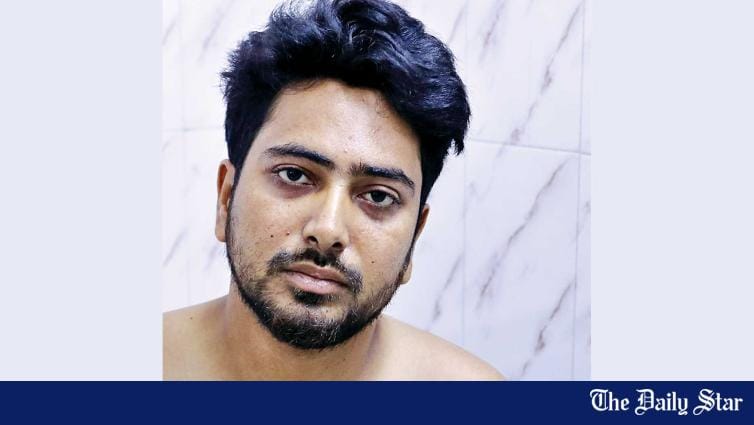
Momtaz Nahar, mother of Nahid Islam, one of the key coordinators of quota reform protests, yesterday questioned the move by authorities of picking up the organisers one by one on the grounds of "providing security".

"Who can provide more security than the family?" she said replying to a query of a journalist at Minto Road when Nahid's family went to the DB office to see him.

However, they were not allowed to meet him, she said.

A day before, detectives picked up three organisers, including Nahid, from a city hospital and yesterday DB took more two organisers into their custody "to ensure their security".

"We came [here] to meet my son. But we were not allowed. DB did not allow us to enter the office. Not only us, even Nahid's teachers were not allowed to meet him. I want to see my son. He must be returned to me safely," Nahid's mother said.

"I have not been able to contact Nahid since he was picked up. He was picked up for a second time... This time from a hospital. Nahid's physical condition is not good. I want the release of all [quota protest coordinators], who have been detained, including my child," Momtaz said.​
 

The prolonged internet shutdown sets a dangerous precedent
1722208937781.webp

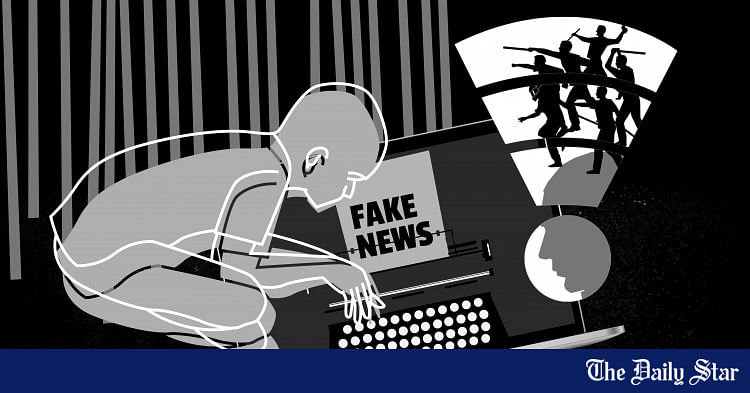
Visual: Anwar Sohel

The recent nationwide internet blackout in Bangladesh, beginning on July 18 and lasting over 150 hours, represents a grave threat to democracy and human rights that demands urgent attention. This unprecedented act of digital repression not only violated the fundamental rights of 170 million Bangladeshis but also set a dangerous precedent for authoritarian control in the digital age.

The shutdown occurred against a backdrop of mounting student protests, though the government initially attempted to obfuscate its role in the blackout. Officials, including ICT Minister Zunaid Ahmed Palak, first attributed the outage to security concerns, then to an arson attack on the cables in Mohakhali at nearby data centres by miscreants. Palak even suggested that broadband internet would be restored within a day. However, this explanation, or rather excuse, quickly crumbled under scrutiny. The truth, as confirmed by international observers like Cloudflare and Telenor, was that it was a deliberate, government-ordered shutdown.

Cloudflare, one of the world's largest cloud service companies, used global internet traffic monitoring tools to confirm that the blackout was indeed government-ordered. Telenor, the parent company of Grameenphone, corroborated this assessment, stating that local authorities had mandated the shutdown of 3G and 4G networks. The extent of the blackout is particularly troubling given Bangladesh's multiple internet connectivity options. The country has access to submarine cables through Bangladesh Submarine Cable Limited, land fibre connections through India, IIG VSAT connectivity for limited data links, and 3G/4G mobile networks. Put simply, the diverse infrastructure makes it implausible that a single localised issue could cause such widespread disruption, further supporting the assertion that this was a calculated move by authorities.

As internet access slowly returned after more than 150 hours, it came with draconian restrictions. Reportedly, the Bangladesh Telecommunication Regulatory Commission (BTRC) issued guidelines to International Internet Gateways (IIGs) that included mandatory deep packet inspection by the Department of Telecommunications, blocking of Facebook and related services, disabling caches, and limiting access to specific areas and institutions. This calculated move to sever digital communications coincided with student protests, revealing the shutdown's true intent. By denying citizens access to social media platforms, messaging apps, and news websites, the government effectively silenced the nation and prevented the outside world from witnessing what was happening inside Bangladesh.

When governments impose internet shutdowns and restrictions, particularly during protests, they hinder the flow of vital information to citizens. This includes preventing people from contacting emergency services like fire departments and healthcare providers. Moreover, these shutdowns impede international and local media outlets, as well as human rights organisations, from documenting potential human rights violations. Such violations may include killings or excessive use of force by law enforcement agencies. By cutting off communication channels, authorities effectively create an information blackout that compromises public safety and accountability.

Interestingly, amid the nationwide blackout, reports emerged that Augmedix, a US-based healthcare multinational corporation, maintained active internet access. This selective availability raises questions about the government's priorities and potential preferential treatment of certain entities.

The shutdown, however, is part of a disturbing global trend. In 2022, there were over 180 internet shutdowns across 35 countries worldwide. Governments increasingly deploy this tactic to cover up grave human rights violations, including state violence against peaceful protesters, electoral interference, extrajudicial killings of political dissidents, and arbitrary arrests and detentions.

The UN Human Rights Council, via establishing the Universal Declaration of Human Rights (UDHR), has unequivocally stated that internet shutdowns have "indiscriminate and disproportionate impacts on human rights." In today's interconnected world, internet access is essential for the realisation of numerous fundamental rights, including freedom of expression and access to information, the right to education, the right to health, the right to work, and freedom of assembly and association. By imposing this blackout, the Bangladesh government has effectively violated these rights for its entire population, contravening its obligations under international human rights law.

The shutdown's impact extends beyond civil liberties. In an increasingly digital economy, such disruptions can have severe economic consequences. Businesses relying on online transactions, e-commerce platforms, and digital communication tools suffer significant losses. The global nonprofit organisation NetBlocks estimates that the 150-hour shutdown could have cost Bangladesh's economy over USD 500 million, further burdening a nation already grappling with economic challenges.

Moreover, the blackout jeopardised public safety and health. During times of crisis, access to timely information can be a matter of life and death. Recounting my personal experience, doctors were not available to see outdoor patients at Birdem Hospital due to the ongoing nationwide curfew. However, online consultation and public health information also became inaccessible due to the internet shutdown. By cutting off internet access, the government potentially hindered emergency services, disrupted healthcare communications, and prevented citizens from accessing crucial public health information.

We and the world must respond accordingly to this flagrant violation of digital rights. The United Nations should launch an investigation into the shutdown and its human rights implications. International and development partners should insist on respect for digital rights and internet freedom. Tech companies and telecom providers operating in Bangladesh should publicly disclose any requests for government orders to shut down services. Civil society organisations should document the impact of the shutdown on human rights, the economy, and public services to build a case for accountability.

And lastly, the Bangladesh government must provide a full, transparent explanation for the shutdown, and implement legal safeguards to prevent future arbitrary internet restrictions.

The fight for internet freedom is synonymous with the struggle for human rights and democracy.

Mahiya Tabassum is a journalist at The Daily Star.​
 

Denial and intimidation will not solve this crisis
Ensuring students' safety is a key priority

1722209116341.webp

VISUAL: STAR

We are dismayed at the law enforcement measures being taken by the government which, in an already volatile situation ensuing from the brutal crackdown on protesters, will only serve to intensify public distrust and fear. Let's focus on the way students are being dealt with, leaving aside the violence and destruction caused by groups taking advantage of their movement. According to media reports, police have picked up five key organisers of the quota reform protests. First, they detained Nahid Islam, Asif Mahmud, and Abu Baker Majumder from a city hospital on Friday afternoon; Nahid and Asif were undergoing treatment there after being picked up and tortured earlier. Then, on Saturday evening, detectives picked up Sarjis Alam and Hasnat Abdullah.

Meanwhile, police have filed a First Information Report (FIR) regarding the death of university student Abu Sayed which completely contradicts the widely circulated video footage of him being shot by police from a close range. The FIR accuses 2,000-3,000 unidentified men, including BNP and Jamaat-Shibir activists, of the killing. It is incredible what lengths are being taken to distort the facts. The Amnesty International has independently verified the video footage using satellite images to geolocate the positions of Sayed and responsible police officers, and found that they were about 15 metres apart during the shooting. As seen in the video, Sayed posed no threat to the police. Yet they repeatedly shot him, leading to his death.

In addition to these intimidating and unlawful measures, we have also heard of various cases being filed against university students along with the arrests of thousands of other people, many associated with BNP and Jamaat. For example, according to a report published yesterday, police on July 21 sued 20 students of Sher-e-Bangla Agricultural University, along with many unnamed people, for "demonstrating unlawfully" and "assaulting police".

If the government is trying to "normalise" the situation through such tactics, it is the wrong way to do it. No matter what kind of counter-narratives it creates, the government cannot ignore people's concerns about the unprecedented number of deaths centring on the quota reform movement. Instead of trying to mitigate the severe deficit of trust, of the students in particular, the government has decided to take the hardline once again. Picking up protest leaders while they are undergoing medical treatment is illegal, and will only serve to further corrode students' faith in its sincerity to solve the crisis and harm any prospect of dialogue with them. Similarly, denying the role of law enforcement and other security forces in the deaths of students and other people and arresting student protesters will further add fuel to the fire.

This is not the time to try to control the situation with fear, intimidation, and distortion of facts, nor will it be helpful. The government must immediately release the five student organisers and allow them to get treatment and home. It must ensure their safety and that of all other students, put a stop to legal harassment, and discard the FIR in question (and others that may follow) that deliberately falsifies truths. And it must own up to the fatal mistakes it has made and sincerely try to heal the deep wounds inflicted on the students and the public as a whole.​
 

The cost of crisis. Who will bear it?

1722209616779.webp

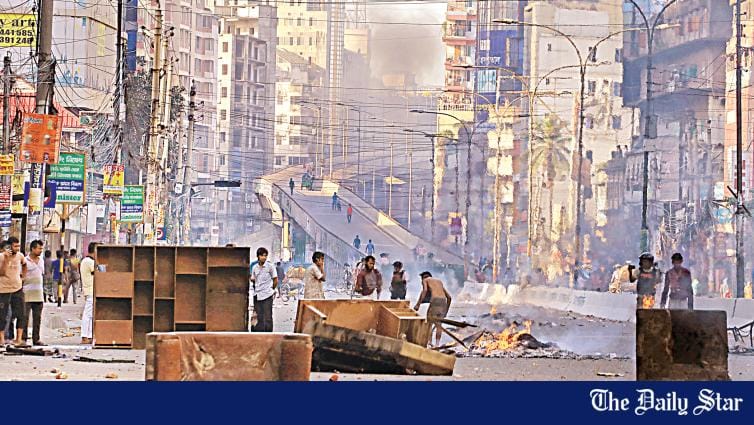
Streets around the capital of Dhaka wore a devastated look over the past week, with a spate of violence breaking out centring the quota reform movement, which significantly impeded economic activities and led to huge losses. PHOTO: STAR

Violence comes with a hefty price tag for the economy. Beyond the immediate death toll mostly in police shootings, the convulsion of violence that gripped Bangladesh in the middle of this month has left a debilitating impact on the economy.

The impact of violence amounts to direct and indirect costs as it disrupts economic activity, increases instability and erodes human productivity.

In Bangladesh, crushing quota protests and subsequent violence were met with a sudden curfew and a crippling internet shutdown.

During the spell of unrest, many lost their lives and many others became disabled while public assets were vandalised or went up in flames in arson attacks.

While the curfew stemmed the tide of violence, it came as another shock to the already fragile economy.

People have been unable to get access to their bank accounts or pre-pay their gas and electricity bills due to the internet outage.

Panic buying has been reported in Dhaka and other major cities, with supermarkets and other stores running low on essential goods.

Many businesses were simply unable to operate, from food delivery services and e-commerce to the nascent outsourcing sector. It also remains to be seen how the internet disruption has affected Bangladesh's garment sector, which accounts for about 85 percent of the country's exports.

Details of the economic damage are still emerging. Export orders may be diverted and inward remittances may slow.

"Some insiders worry that instability will see the country lose orders to competitors elsewhere in the region. The impact of the protests will place further stress on an economy that was already ailing," Pierre Prakash, programme director for Asia at the International Crisis Group, said in a report on July 25.

The Foreign Investors' Chamber of Commerce and Industry estimated that the economic cost of seven days climbed to $10 billion.

The burden of human and economic toll is becoming heavier. But who will bear the cost?

The families of the dead will fend for themselves. Those who were disabled in the mayhem will suffer for the rest of their lives.

To mend the public assets, the government will use taxpayers' money, which means a massive financial haemorrhage at a time when Bangladesh needs to avoid waste.

The government, hamstrung by the economic crisis, will have to pause development projects, which will take a huge toll on the economy in the future.

Md Shafiqul Islam, the owner of a printing shop, said he has to pay his workers regardless of losses. The man had to close his factory for about six days as violence convulsed the country.

As the protests turned deadly, the poor paid the price by spending more to buy essentials. Consumers were already struggling due to a rising trend of inflation for two years.

All costs of the man-made crisis will be passed down to ordinary people, especially the poor and marginalised groups, said Mustafa K Mujeri, a noted economist.

Historically, these groups are the worst sufferers of any crisis due to their limited coping capacity, said Mujeri, executive director of the Institute for Inclusive Finance and Development.

"So, the burden of the crisis is hitting them harshly," Mujeri said.

The internet blackout also affected the encashment of inward remittances through banks and mobile financial services, which may put a strain on the country's foreign exchange reserves.

The IT sector is slowly returning to normal after the resumption of the internet, but it is still facing slow internet speeds.

Restaurant owners are staring at mounting losses as they were already struggling to stay afloat after the devastating Bailey Road fire, said Bipu Chowdhury, joint organising secretary of the Bangladesh Restaurant Owners Association.

After some recovery in the five months since the blaze, restaurant sales fell by more than two-thirds in the space of two weeks this month.

Economic gloom has also clouded the garment industry, a time-sensitive sector.

"Any delay in shipments will hurt the sector," said Faruque Hassan, a former president of the Bangladesh Garment Manufacturers and Exporters Association.

During the pandemic, companies kept their manufacturing units open, but the unavailability of the internet stalled them. Besides, backward linkages were impacted and the supply chain was seriously disrupted. Some companies faced cancellations of orders and some were forced to send products by air.

Although the crisis now seems to be easing, its impact on exporters will linger for a month, because it has created a huge backlog of unfinished tasks.​
 

'আন্দোলন চলবে', সোমবার সারাদেশে বৈষম্যবিরোধী ছাত্র আন্দোলনের বিক্ষোভ
'বৈষম্যবিরোধী ছাত্র আন্দোলনের সমন্বয়কদের তুলে নিয়ে ডিবি কার্যালয়ে জিম্মি করে অস্ত্রের মুখে স্ক্রিপ্টেড বিবৃতি দিয়ে ছাত্রসমাজের দাবিগুলোর প্রতি সরকার চরম ধৃষ্টতা প্রদর্শন করেছে।'

1722209880598.webp

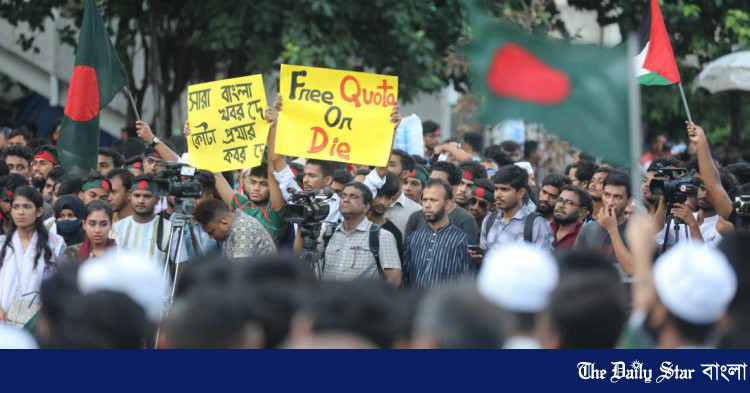
কোটা সংস্কার আন্দোলনের দাবিতে গত ৭ জুলাই শাহবাগে শিক্ষার্থীদের অবস্থান। ছবি: পলাশ খান/স্টার

দাবি আদায় না হওয়া পর্যন্ত আন্দোলন চলবে উল্লেখ করে সারাদেশে সোমবার ছাত্র-জনতার বিক্ষোভ কর্মসূচি ও প্রতিবাদ সমাবেশ ঘোষণা করেছে বৈষম্যবিরোধী ছাত্র আন্দোলন।

আজ রোববার রাতে বৈষম্যবিরোধী ছাত্র আন্দোলনের সমন্বয়ক আব্দুল কাদেরের গণমাধ্যমে পাঠানো বার্তায় এ কর্মসূচির কথা জানানো হয়েছে।

এর আগে ডিবি কার্যালয়ে হেফাজতে থাকা আন্দোলনের ছয় সমন্বয়ক কর্মসূচি প্রত্যাহারের ঘোষণা দিয়েছিলেন।

পরে বাকি সমন্বয়কদের পক্ষ থেকে পাঠানো বিবৃতিতে বলা হয়, 'সরকারের নিরাপত্তা বাহিনীর গুলিতে ও ছাত্রলীগের আক্রমনে নিহত শত শত শহীদের আত্মত্যাগ তিরস্কার করে ডিবি কার্যালয়ে বন্দুকের নলের মুখে জিম্মি করে সমন্বয়কদের মাধ্যমে জোরপূর্বক স্ক্রিপ্টেড বিবৃতি আদায়ের তীব্র নিন্দা ও প্রতিবাদ জানাই। আমাদের দাবি আদায়ে আমরা অবিচল ছিলাম, রয়েছি এবং থাকব। প্রিয় দেশবাসী ও ছাত্রসমাজ, বিগত কয়েকদিন যাবৎ গণহত্যা, গণগ্রেপ্তারের পর সরকার এখন এক নতুন নাটকের সৃষ্টি করেছে। বৈষম্যবিরোধী ছাত্র আন্দোলনের সমন্বয়কদের তুলে নিয়ে ডিবি কার্যালয়ে জিম্মি করে অস্ত্রের মুখে স্ক্রিপ্টেড বিবৃতি দিয়ে, ছাত্রসমাজের দাবিগুলোর প্রতি সরকার চরম ধৃষ্টতা প্রদর্শন করেছে।'

'শুধু তাই নয়, সারাদেশে রাষ্ট্রীয় বাহিনী ও ছাত্রলীগ সন্ত্রাসীদের হাতে নিহত শহীদদের পরিবারকে হুমকি-ধমকি ও ভয়ভীতি দেখিয়ে, আর্মড ফোর্সকে ব্যবহার করে ঢাকায় এনে সরকার তাদের থেকে মিথ্যা জবানবন্দি নেওয়া ও সমস্ত দায় আন্দোলনকারীদের ওপর চাপিয়ে শহীদের রক্তের সঙ্গে তামাশা করেছে। আমরা দ্ব্যর্থহীন ভাষায় বলতে ভাই, জীবনের শেষনিশ্বাস পর্যন্ত ছাত্রসমাজ শহীদের রক্তের সঙ্গে বেইমানি করতে পারে না।'

বার্তায় আরও বলা হয়, 'দেশে কোটা সংস্কার আন্দোলনকে কেন্দ্র করে সরকার সাধারণ শিক্ষার্থীদের ওপর নির্যাতনের স্ট্রিম রোলার চালিয়ে যাচ্ছে। ব্যাপক হত্যাযজ্ঞের পর সরকার সারাদেশে রেইড করে গণগ্রেপ্তার করেছে। হাজার হাজার মামলা ও গ্রেপ্তার করা হচ্ছে। জানালার পাশে পড়ার সময় কোমলমতি শিশু সামিরকে হেলিকপ্টার থেকে গুলি করে হত্যা করা হয়েছে। প্রাইভেট বিশ্ববিদ্যালয়ের শিক্ষার্থীদের ওপর স্মরণকালের সবচেয়ে বড় বর্বরোচিত হামলা চালানো হয়েছে। এমনকি স্কুল ও কলেজের কোমলমতি শিক্ষার্থীদের ওপর ন্যক্কারজনক হামলা চালিয়ে অসংখ্য শিক্ষার্থীকে আহত ও শহীদ করা হয়েছে। এই অবস্থায় আমরা কঠোর ভাষায় বলতে চাই, আমাদের দাবি আদায় না হওয়ার পূর্ব পর্যন্ত ছাত্রসমাজের আন্দোলন চলবে।'

'আগামীকাল সারাদেশে ছাত্র-জনতার বিক্ষোভ কর্মসূচি এবং প্রতিবাদ সমাবেশ। আমাদের দাবি আদায়ের সঙ্গে একাত্মতা ঘোষণা করতে বাংলাদেশের সব নাগরিককে অনুরোধ করছি', বলা হয় বার্তায়।

এর আগে ছয় সমন্বয়কের পক্ষে রেকর্ড করা এক ভিডিও বার্তায় রোববার লিখিত বক্তব্য পড়ে কর্মসূচি প্রত্যাহারের কথা জানান বৈষম্যবিরোধী ছাত্র আন্দোলনের অন্যতম সমন্বয়ক নাহিদ ইসলাম। লিখিত বক্তব্যে নাহিদ ছাড়াও সারজিস আলম, হাসনাত আবদুল্লাহ, আবু বাকের মজুমদার, আসিফ মাহমুদ, নুসরাত তাবাসসুমের সই ছিল।​
 
Status
Not open for further replies.

PKDefense Forums: Country-by-Country Military Discussions

Log In Register Forums
Videos
Back