Indian scientists always looking for "cheap" solutions instead of proven ideas.
-------------------------------------------------------------------
India Wants "Stratospheric Satellites" That Could Loiter Above 20 km for Weeks
 Defense Express
ukr.defense.news@gmail.com
Defense Express
ukr.defense.news@gmail.com
September 14, 2026
536
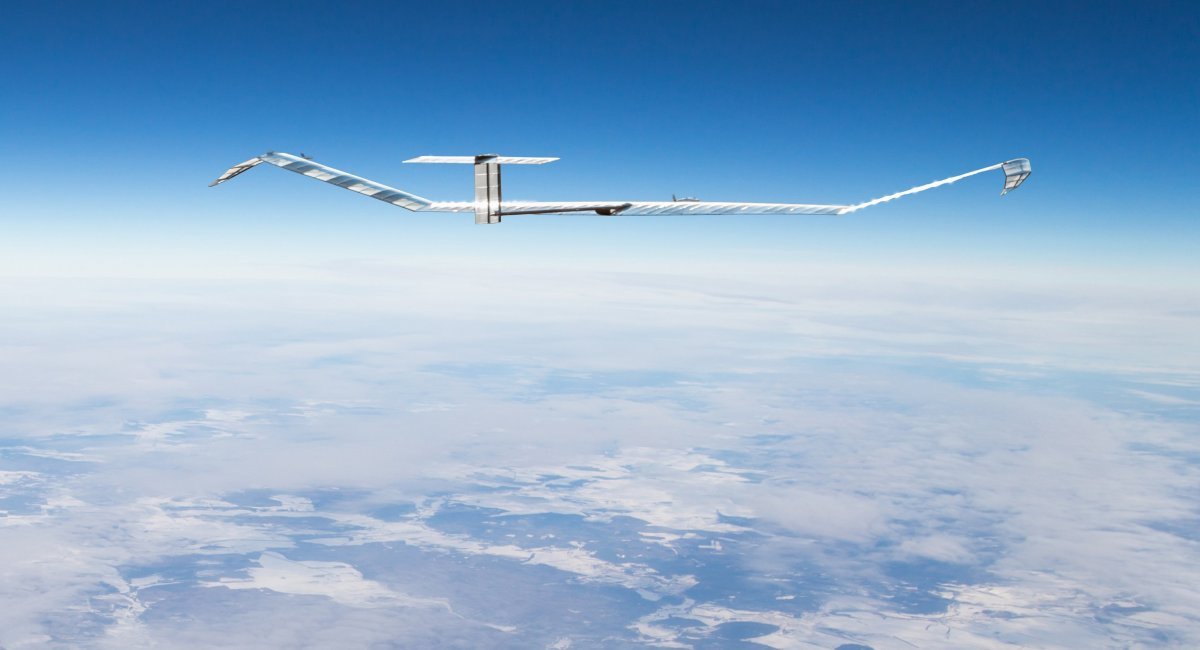
Zephyr by AALTO
Stratospheric UAVs can provide communications, conduct reconnaissance, and generally serve as versatile reusable platforms that are difficult to shoot down, making India’s interest in them quite logical
One alternative to deploying its own satellite constellations is the development of so-called "stratospheric satellites", balloons or UAVs capable of remaining at altitudes above 20 km for extended periods. Such platforms can take on communications and reconnaissance missions while remaining significantly cheaper than space-based solutions.
India appears to be exploring this approach. The country's Air Force has issued a request for information on the possible procurement of a high-altitude platform,
IDRW reports. The Indian Air Force has specifically limited the requirement to a reusable stratospheric UAV.
The platform is expected to remain at an altitude of around 20 km for extended periods, using solar power to sustain long-duration flight. Its lightweight composite construction would also give the UAV a low radar signature. More importantly, intercepting such a drone at an altitude of 20 km would require relatively powerful surface-to-air missile systems, while not every fighter aircraft is capable of reaching such an altitude.
Defense Express notes that the concept is quite similar to projects already being developed by Western countries. Therefore, in addition to potential Indian programs, foreign companies could also participate in the procurement process through Indian partners or their own local representatives.
One stratospheric UAV
already in development is Zephyr, produced by AALTO, part of Airbus. In 2025, the UAV completed a record 67-day flight.
AALTO is now preparing to begin commercial operations of Zephyr in Japan in 2026 and Indonesia in 2027. The Zephyr has a maximum takeoff weight of 75 kg, including an 8 kg payload, and a wingspan of up to 25 meters.
Another well-known project is BAE Systems' PHASA-35. The UAV has so far conducted flights lasting only around 24 hours, although it was designed to remain in the stratosphere for up to 12 months.
The PHASA-35 is larger, with a maximum takeoff weight of 150 kg, including a 15 kg payload, and a wingspan of 35 meters. However, although BAE Systems previously stated that the PHASA-35 would be ready for operational use in 2026, the company has not published details on the project’s development for around two years.
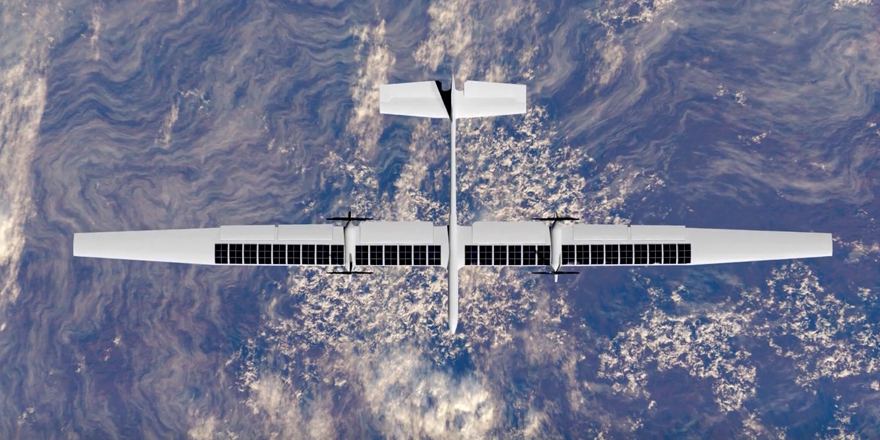
Russia has also been trying to secure a share of India’s defense procurement market, making its own projects worth mentioning. One example is the Argus UAV by Stratolink, which is expected to have a maximum takeoff weight of 315 kg, a 40 kg payload, and a wingspan of 40 meters.
Argus by Stratolink
However, unlike the Western projects, the Russian program remains at the concept stage, with only concepts and artist renderings publicly available.


 Indian Defense


 gizmodo.com
 www.dailyexcelsior.com