Bangladesh Defense
Saif
Senior Member
- Jan 24, 2024
- 20,857
- 9,685
- Nation

- Residence
- Axis Group


People want Teesta Master Plan implemented, not promises: Jamaat ameer
Opposition leader says northern Bangladesh has long been neglected and urges Teesta riverbank communities to build a movement for their rights
People want Teesta Master Plan implemented, not promises: Jamaat ameer
Opposition leader says northern Bangladesh has long been neglected and urges Teesta riverbank communities to build a movement for their rights
Our Correspondent, Lalmonirhat
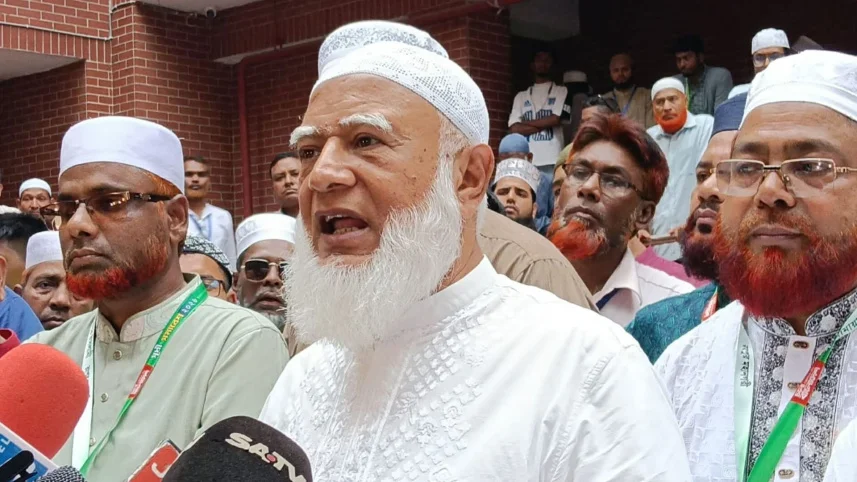
Photo: Star
Opposition Leader in the parliament and Jamaat-e-Islami Ameer Shafiqur Rahman said today that people are tired of hearing promises about the Teesta Master Plan and now want to see it implemented.
“It is not enough to chant slogans like ‘Jago Bahe, Teesta Bachao’ only before elections. The people living along the Teesta are now awakened. They want their rights and legitimate demands fulfilled. The state must show sincerity towards their demands,” he said.
Shafiqur Rahman made the remarks while addressing a civic gathering, as the chief guest, at the Rangpur Shilpakala Auditorium. The event was organised by Jamaat leaders and activists from the Rangpur-Dinajpur region on Friday evening.
Shafiqur said, “The Rangpur region has long been neglected. The people here are victims of development disparity. The issues of agriculture, rivers, environment, and livelihoods in this region must receive greater national attention. For the overall development of the country, northern Bangladesh must be given priority.”
He said implementation of the Teesta Master Plan would bring positive changes to the lives and livelihoods of nearly 25 million people in northern Bangladesh.
Criticising the government’s development priorities, he said, “The government has approved the implementation of the Padma Barrage Project. The Padma Barrage is undoubtedly important, but the Teesta Master Plan should also receive equal importance. The life-and-death concerns of the people of northern Bangladesh should not be ignored.”
Calling on the people living along the Teesta to prepare for a movement, he said, “The Teesta Master Plan will not be implemented automatically. People must become organised and build a movement. Only when your voices reach parliament will the path to implementing the project become easier.”
He further said, “Before the election, we promised that if we form the government, we would prioritise implementing the Teesta Master Plan. Allah did not grant us that opportunity. Still, we have not stopped. Even from the opposition, we have raised the issue of the Teesta in the parliament and will continue to do so.”
Rejecting allegations that Jamaat had prior knowledge of the United States-Bangladesh reciprocal trade agreement signed during the interim government’s tenure, Shafiqur said, “No one from the interim government discussed this trade agreement with us in any form.”
Regarding local government elections, he said, “We are an election-oriented political party. We want a change in leadership through democratic means. Therefore, like every other election, we will participate this time as well. However, we remain concerned about whether the election will actually be free and fair.”
Referring to the political situation in India’s West Bengal and border killings, he said, “We condemn incidents of human rights violations taking place in West Bengal. Not only in West Bengal, but anywhere in the world where people are persecuted or attacked because of their religious identity, we protest against it.”
Speaking about the government’s role, he said, “If the government does good work, we will not only support it but also cooperate. But if the government engages in wrongdoing, corruption, or misdeeds, we will stand against it. We do not want politics of confrontation; we want politics based on trust.”
Alleging politically-motivated appointments in university administrations, he said, “Although universities are centres of knowledge, party loyalists are being appointed as vice-chancellors, pro-vice-chancellors, and proctors. There is no accountability regarding these matters. They think their plans are final. But the government must remember that no one’s plans are final.”
The event, chaired by Rangpur metropolitan Jamaat Ameer ATM Azam Khan, was also addressed by Jamaat Nayeb-e-Ameer ATM Azharul Islam, Assistant Secretary General Maulana Abdul Halim, and central executive council member and Rangpur-3 MP Mahbubar Rahman Belal, among others.
Opposition leader says northern Bangladesh has long been neglected and urges Teesta riverbank communities to build a movement for their rights
Our Correspondent, Lalmonirhat
Photo: Star
Opposition Leader in the parliament and Jamaat-e-Islami Ameer Shafiqur Rahman said today that people are tired of hearing promises about the Teesta Master Plan and now want to see it implemented.
“It is not enough to chant slogans like ‘Jago Bahe, Teesta Bachao’ only before elections. The people living along the Teesta are now awakened. They want their rights and legitimate demands fulfilled. The state must show sincerity towards their demands,” he said.
Shafiqur Rahman made the remarks while addressing a civic gathering, as the chief guest, at the Rangpur Shilpakala Auditorium. The event was organised by Jamaat leaders and activists from the Rangpur-Dinajpur region on Friday evening.
Shafiqur said, “The Rangpur region has long been neglected. The people here are victims of development disparity. The issues of agriculture, rivers, environment, and livelihoods in this region must receive greater national attention. For the overall development of the country, northern Bangladesh must be given priority.”
He said implementation of the Teesta Master Plan would bring positive changes to the lives and livelihoods of nearly 25 million people in northern Bangladesh.
Criticising the government’s development priorities, he said, “The government has approved the implementation of the Padma Barrage Project. The Padma Barrage is undoubtedly important, but the Teesta Master Plan should also receive equal importance. The life-and-death concerns of the people of northern Bangladesh should not be ignored.”
Calling on the people living along the Teesta to prepare for a movement, he said, “The Teesta Master Plan will not be implemented automatically. People must become organised and build a movement. Only when your voices reach parliament will the path to implementing the project become easier.”
He further said, “Before the election, we promised that if we form the government, we would prioritise implementing the Teesta Master Plan. Allah did not grant us that opportunity. Still, we have not stopped. Even from the opposition, we have raised the issue of the Teesta in the parliament and will continue to do so.”
Rejecting allegations that Jamaat had prior knowledge of the United States-Bangladesh reciprocal trade agreement signed during the interim government’s tenure, Shafiqur said, “No one from the interim government discussed this trade agreement with us in any form.”
Regarding local government elections, he said, “We are an election-oriented political party. We want a change in leadership through democratic means. Therefore, like every other election, we will participate this time as well. However, we remain concerned about whether the election will actually be free and fair.”
Referring to the political situation in India’s West Bengal and border killings, he said, “We condemn incidents of human rights violations taking place in West Bengal. Not only in West Bengal, but anywhere in the world where people are persecuted or attacked because of their religious identity, we protest against it.”
Speaking about the government’s role, he said, “If the government does good work, we will not only support it but also cooperate. But if the government engages in wrongdoing, corruption, or misdeeds, we will stand against it. We do not want politics of confrontation; we want politics based on trust.”
Alleging politically-motivated appointments in university administrations, he said, “Although universities are centres of knowledge, party loyalists are being appointed as vice-chancellors, pro-vice-chancellors, and proctors. There is no accountability regarding these matters. They think their plans are final. But the government must remember that no one’s plans are final.”
The event, chaired by Rangpur metropolitan Jamaat Ameer ATM Azam Khan, was also addressed by Jamaat Nayeb-e-Ameer ATM Azharul Islam, Assistant Secretary General Maulana Abdul Halim, and central executive council member and Rangpur-3 MP Mahbubar Rahman Belal, among others.