Bangladesh Defense
Saif
Senior Member
- Jan 24, 2024
- 21,479
- 9,744
- Nation

- Residence
- Axis Group

PM’s India visit to advance key bilateral issues: envoy
Diplomatic Correspondent 30 July, 2026, 00:26
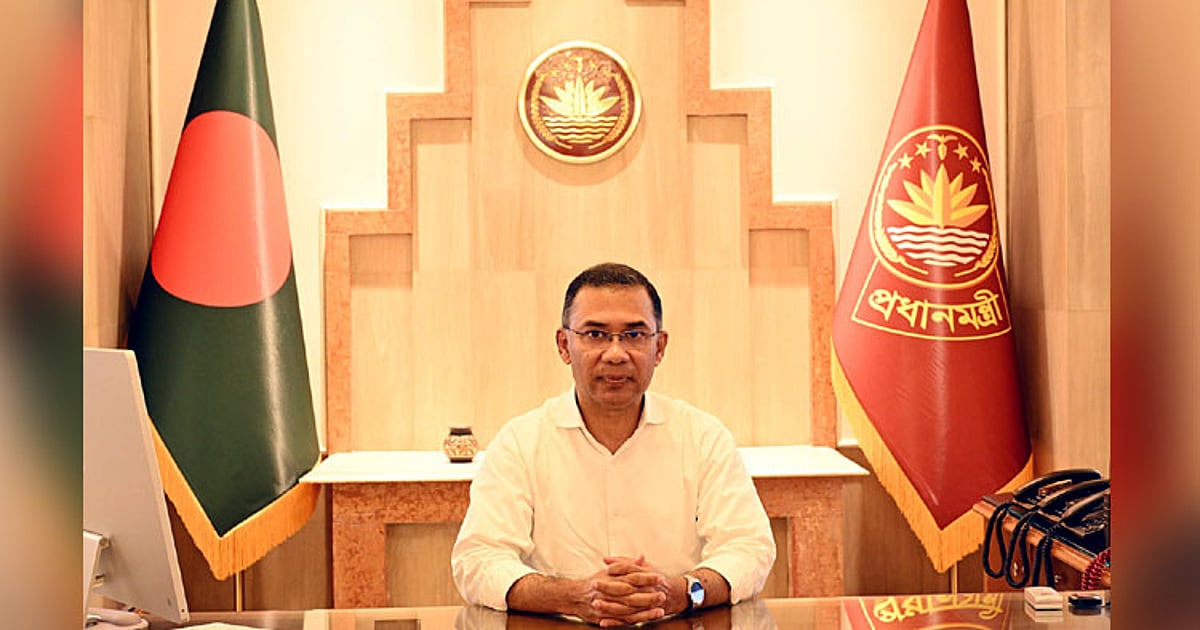
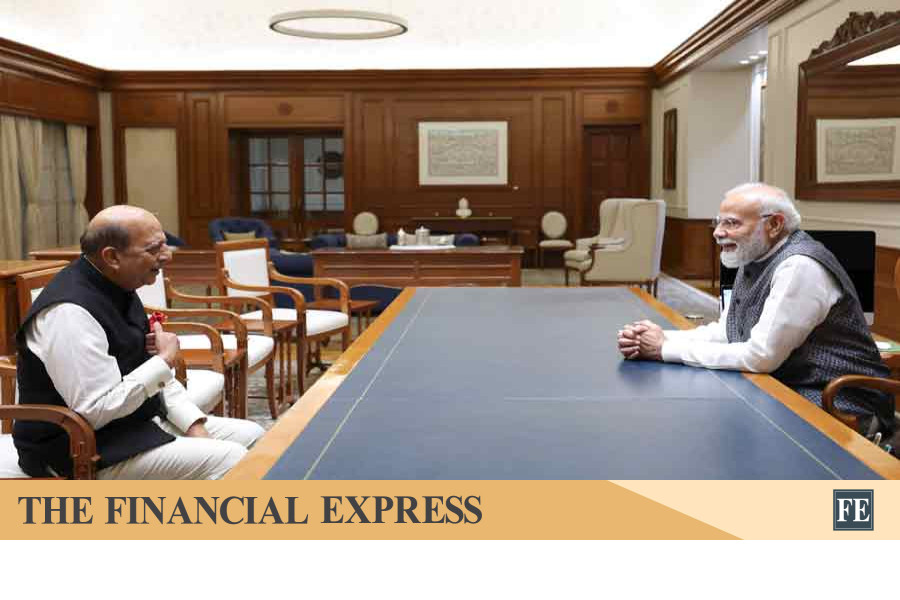
Indian high commissioner to Bangladesh Dinesh Trivedi on Wednesday expressed optimism that prime minister Tarique Rahman’s proposed visit to India would help advance key bilateral issues.
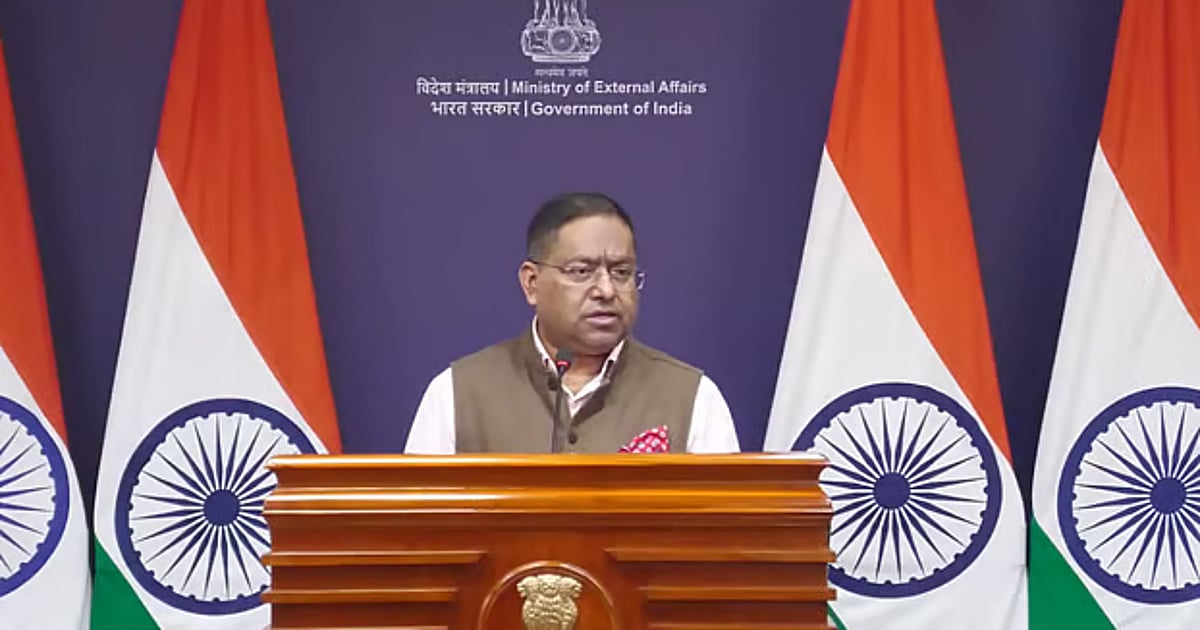
Speaking to reporters after separate courtesy meetings with foreign minister Khalilur Rahman and state minister for foreign affairs Shama Obaed Islam at the foreign ministry, Trivedi said that India was eagerly awaiting the Bangladesh prime minister’s visit.
Responding to a question about the invitation extended by India to prime minister Tarique Rahman, the high commissioner said the decision ultimately rested with the prime minister.
‘From our end, I can assure you that we are looking forward to welcoming the prime minister of Bangladesh to India. We are very hopeful that this visit will take place in the near future,’ he said.
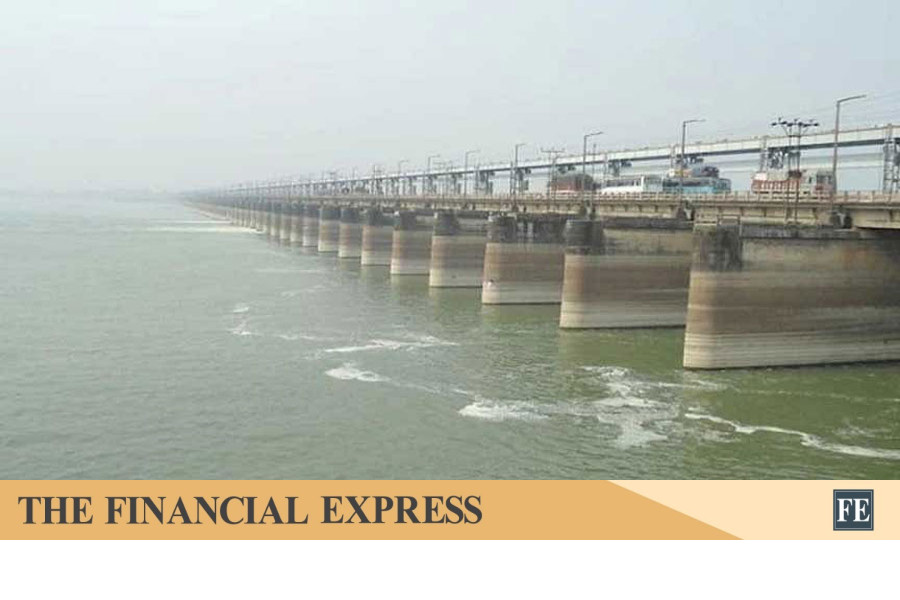
Asked about pending bilateral issues, including the Teesta and Ganges water-sharing treaties, Trivedi said the day’s meetings were primarily courtesy calls but stressed that all outstanding issues could be resolved through dialogue.
‘There is no issue that cannot be sorted out through mutual understanding. Ultimately, it is about the people. Whatever is beneficial for both democracies and their citizens will be prioritised,’ he said, noting that
India and Bangladesh had active joint working groups on treaty-related matters.
‘These working groups will certainly meet and deliberate,’ the high commissioner further said, adding, ‘as I mentioned, there is no problem that cannot be resolved. Once the prime minister visits India, things will move forward constructively.’
India has invited prime minister Tarique Rahman to attend the 18th BRICS Summit in New Delhi on September 12–13 it is going to host for the platform’s 11 member states—Brazil, China, Egypt, Ethiopia, India, Indonesia, Iran, Russia, Saudi Arabia, South Africa, and the United Arab Emirates.
Saying that his meetings at the foreign ministry were held in a warm and positive atmosphere, the Indian high commissioner stated, ‘I am looking forward to everything positively. We had a great meeting filled with immense positivity.’
‘Historically, culturally, and even in sports such as cricket, our connections run deep. This relationship is truly historic. We share not only our borders but also our history, culture and aspirations. We discussed all these aspects.’
‘This is just the beginning,’ Trivedi continued, ‘and I am confident we will continue to engage more deeply with each other moving forward.’
Deputy high commissioner Pawan Badhe and other officials of the Indian High Commission were also present.
After the meeting, foreign minister Khalilur Rahman acknowledged that certain issues continued to affect bilateral ties.
‘There are some irritations in the relationship that are very important to resolve,’ he said.
Describing his meeting with the Indian envoy as a courtesy call, Khalilur said no specific bilateral issues had been discussed.
‘This was our first courtesy meeting. We did not discuss any specific issue, and that is the norm,’ he said, and added, ‘There will be plenty of opportunities to discuss substantive matters in the future.’
Having noted that both sides agreed on the need to reset bilateral relations, the foreign minister added, ‘We have said before that the relationship between the two countries should be reset, and we both agree on this issue.’
Bangladesh and India would move forward on the basis of sovereign equality, Khalilur stressed.
‘Bangladesh and India will advance bilateral relations on the basis of sovereign equality, with due consideration for their mutual interests and Bangladesh’s national interests,’ he said.
Asked about the prime minister’s proposed visit to India, the foreign minister said the government was still reviewing the invitation.
When asked about disputes between the two neighbours, he reiterated that no specific issues had been discussed during the Wednesday meeting.
‘There are some irritations. He knows it, and I know it too. It is very important to resolve them. Everyone understands that need,’ he again said.
The foreign minister also said that during recent a visit to the Philippines he had met Indian external affairs minister S Jaishankar, who was aware of his meeting with the Indian high commissioner.
‘We both expressed the hope that, in the coming days, both sides will work to further strengthen our relations,’ he added.
Diplomatic Correspondent 30 July, 2026, 00:26
Indian high commissioner to Bangladesh Dinesh Trivedi on Wednesday expressed optimism that prime minister Tarique Rahman’s proposed visit to India would help advance key bilateral issues.
Speaking to reporters after separate courtesy meetings with foreign minister Khalilur Rahman and state minister for foreign affairs Shama Obaed Islam at the foreign ministry, Trivedi said that India was eagerly awaiting the Bangladesh prime minister’s visit.
Responding to a question about the invitation extended by India to prime minister Tarique Rahman, the high commissioner said the decision ultimately rested with the prime minister.
‘From our end, I can assure you that we are looking forward to welcoming the prime minister of Bangladesh to India. We are very hopeful that this visit will take place in the near future,’ he said.
Asked about pending bilateral issues, including the Teesta and Ganges water-sharing treaties, Trivedi said the day’s meetings were primarily courtesy calls but stressed that all outstanding issues could be resolved through dialogue.
‘There is no issue that cannot be sorted out through mutual understanding. Ultimately, it is about the people. Whatever is beneficial for both democracies and their citizens will be prioritised,’ he said, noting that
India and Bangladesh had active joint working groups on treaty-related matters.
‘These working groups will certainly meet and deliberate,’ the high commissioner further said, adding, ‘as I mentioned, there is no problem that cannot be resolved. Once the prime minister visits India, things will move forward constructively.’
India has invited prime minister Tarique Rahman to attend the 18th BRICS Summit in New Delhi on September 12–13 it is going to host for the platform’s 11 member states—Brazil, China, Egypt, Ethiopia, India, Indonesia, Iran, Russia, Saudi Arabia, South Africa, and the United Arab Emirates.
Saying that his meetings at the foreign ministry were held in a warm and positive atmosphere, the Indian high commissioner stated, ‘I am looking forward to everything positively. We had a great meeting filled with immense positivity.’
‘Historically, culturally, and even in sports such as cricket, our connections run deep. This relationship is truly historic. We share not only our borders but also our history, culture and aspirations. We discussed all these aspects.’
‘This is just the beginning,’ Trivedi continued, ‘and I am confident we will continue to engage more deeply with each other moving forward.’
Deputy high commissioner Pawan Badhe and other officials of the Indian High Commission were also present.
After the meeting, foreign minister Khalilur Rahman acknowledged that certain issues continued to affect bilateral ties.
‘There are some irritations in the relationship that are very important to resolve,’ he said.
Describing his meeting with the Indian envoy as a courtesy call, Khalilur said no specific bilateral issues had been discussed.
‘This was our first courtesy meeting. We did not discuss any specific issue, and that is the norm,’ he said, and added, ‘There will be plenty of opportunities to discuss substantive matters in the future.’
Having noted that both sides agreed on the need to reset bilateral relations, the foreign minister added, ‘We have said before that the relationship between the two countries should be reset, and we both agree on this issue.’
Bangladesh and India would move forward on the basis of sovereign equality, Khalilur stressed.
‘Bangladesh and India will advance bilateral relations on the basis of sovereign equality, with due consideration for their mutual interests and Bangladesh’s national interests,’ he said.
Asked about the prime minister’s proposed visit to India, the foreign minister said the government was still reviewing the invitation.
When asked about disputes between the two neighbours, he reiterated that no specific issues had been discussed during the Wednesday meeting.
‘There are some irritations. He knows it, and I know it too. It is very important to resolve them. Everyone understands that need,’ he again said.
The foreign minister also said that during recent a visit to the Philippines he had met Indian external affairs minister S Jaishankar, who was aware of his meeting with the Indian high commissioner.
‘We both expressed the hope that, in the coming days, both sides will work to further strengthen our relations,’ he added.