Bangladesh Defense
Saif
Senior Member
- Jan 24, 2024
- 21,638
- 9,794
- Nation

- Residence
- Axis Group

The critical challenges facing the economy
How did the elite and the politicians manage to evade the rule of law and siphon billions out of the country?
The critical challenges facing the economy

Visual: STAR
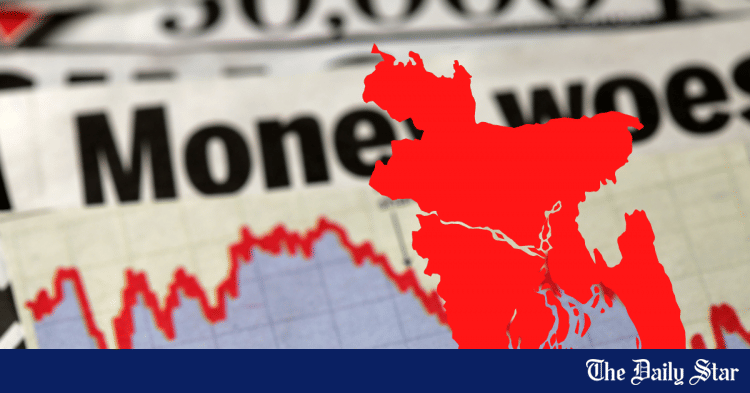
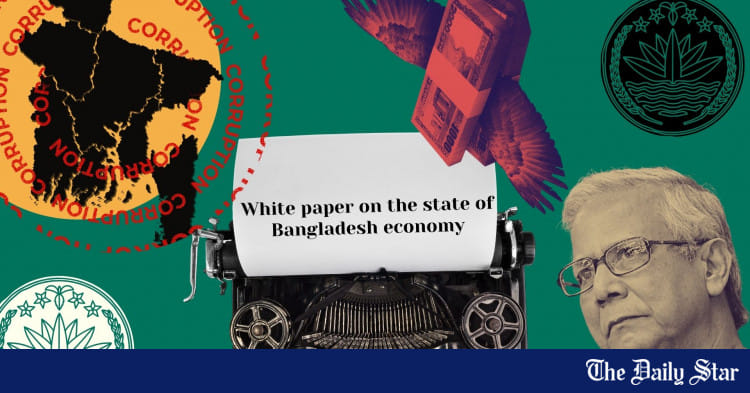
The head of the interim government, Prof Yunus, recently formed a committee to prepare a "white paper on the state of Bangladesh economy." The terms of reference for the committee are very broad, but the key task is to present the true state of the economy, outline key weaknesses (and, if possible, identify the sources), and, most importantly, provide a roadmap for the interim government.
One cannot overstate the white paper's role in shaping the new administration's policies and forthcoming reforms. Fortunately, the committee has already invited public input, and I am confident that the committee and the competent support staff will accomplish their mission.
It is tempting to throw my hat into the ring and write a long email to the committee and offer my professional view on the cardinal issues facing the country along with my ideas on curtailing corruption, stabilising the foreign exchange sector, reducing income inequality or alleviating poverty. But I will resist for two reasons. First, I have complete faith in the competence of the committee members, with some of whom I have exchanged opinions and thoughts in various forums. Secondly, the experts in the group—and outside—have voiced their learned opinions in professional journals and social and print media over the last few years on the goals of this nation, its progress, and the roadblocks. In other words, the research is already there. The nation is waiting with bated breath for this august body to practice due diligence, given the resources provided at its disposal, and come up with its own prognosis and suggest some best practices to help the new government achieve its economic goals before the latter hands over power to elected leaders.
Professor Yunus in his first speech to the nation last month identified three areas that deserve utmost priority: banking, corruption, and undue emphasis on GDP growth. The data from the past Household Income and Expenditure Surveys carried out by the Bangladesh Bureau of Statistics (BBS) over the last two decades clearly indicate the trend pointing to the rising levels of income and wealth inequality. Whether we take the well-known measure, the Gini coefficient, or an alternative measure, such as the Palma ratio, and compare the income share of the top 10 percent with the income share of the bottom 40 percent, the signs are clear. We are heading towards a very unequal society. The committee must address this issue and debunk the previously held trickle-down theory.
Another important aspect of the white paper is a thorough diagnosis of the economic malaise of the country. What role did the various irregularities play in inflating the cost of megaprojects, the collapse of the financial infrastructure, and the economic hardship of the average person? Did the previous regime fudge the data and paint a rosy picture of the condition of the masses? How did the elite and the politicians manage to evade the rule of law and siphon billions out of the country?
But then after all the diagnosis is done, the committee needs to prioritise the issues to inform the interim government's next steps. Obviously, the interim government does not have to promise any miracles. Our people understand that we went through some rough patches and the interim government and all the wise men and women involved in rebuilding our political system, economy, and the administrative structure face serious odds. Nonetheless, it is worth reminding ourselves of the immediate and long-term problems that will be with us regardless.
The country witnessed food price increases in the double digits for months in a row, and there are still no signs of prices cooling down. These increases leave their mark on the budget since, even if there is a deceleration of inflation, recent inflationary hikes have already hit consumers' pockets hard. According to one BBS study at the end of 2023, one in every five households in Bangladesh experienced food insecurity.
To ensure success of the above initiatives, the state must effectively identify vulnerable people and thereby determine the nature and duration of the support they will need, ensure that the genuinely poor and vulnerable people receive support, and monitor the channels to ensure efficiency, transparency, and accountability in the distribution chain.
The previous government was overthrown because of its economic mismanagement, so if the interim government promises that it will try to manage it well and avoid corruption and greed as much as possible, based on the recommendations of the white paper and allow a task force to implement policies in order of priorities, that itself will be a first.
The white paper committee must also be mindful of its audience. Who are they? There are three: policymakers, the general public, and to a lesser degree, the experts. The people need to know the actual state of the economy. Experts already have a good understanding of the former regime's misdeeds. It is the policymakers in the interim government who urgently need a roadmap.
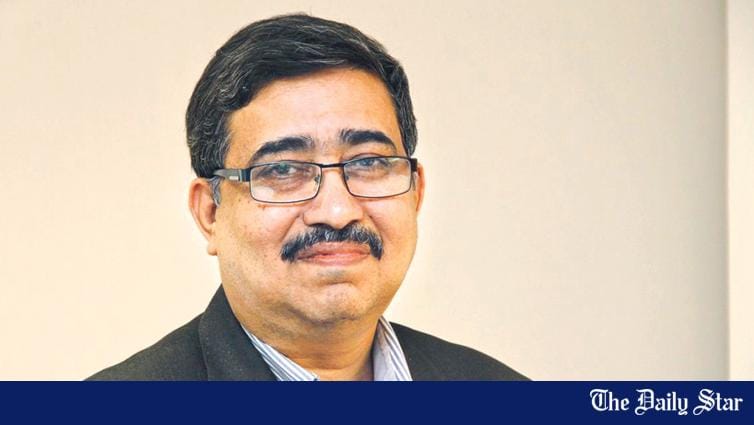
Dr Abdullah Shibli is an economist and works for Change Healthcare, Inc., an information technology company. He also serves as senior research fellow at the US-based International Sustainable Development Institute (ISDI).
Visual: STAR
The head of the interim government, Prof Yunus, recently formed a committee to prepare a "white paper on the state of Bangladesh economy." The terms of reference for the committee are very broad, but the key task is to present the true state of the economy, outline key weaknesses (and, if possible, identify the sources), and, most importantly, provide a roadmap for the interim government.
One cannot overstate the white paper's role in shaping the new administration's policies and forthcoming reforms. Fortunately, the committee has already invited public input, and I am confident that the committee and the competent support staff will accomplish their mission.
It is tempting to throw my hat into the ring and write a long email to the committee and offer my professional view on the cardinal issues facing the country along with my ideas on curtailing corruption, stabilising the foreign exchange sector, reducing income inequality or alleviating poverty. But I will resist for two reasons. First, I have complete faith in the competence of the committee members, with some of whom I have exchanged opinions and thoughts in various forums. Secondly, the experts in the group—and outside—have voiced their learned opinions in professional journals and social and print media over the last few years on the goals of this nation, its progress, and the roadblocks. In other words, the research is already there. The nation is waiting with bated breath for this august body to practice due diligence, given the resources provided at its disposal, and come up with its own prognosis and suggest some best practices to help the new government achieve its economic goals before the latter hands over power to elected leaders.
Professor Yunus in his first speech to the nation last month identified three areas that deserve utmost priority: banking, corruption, and undue emphasis on GDP growth. The data from the past Household Income and Expenditure Surveys carried out by the Bangladesh Bureau of Statistics (BBS) over the last two decades clearly indicate the trend pointing to the rising levels of income and wealth inequality. Whether we take the well-known measure, the Gini coefficient, or an alternative measure, such as the Palma ratio, and compare the income share of the top 10 percent with the income share of the bottom 40 percent, the signs are clear. We are heading towards a very unequal society. The committee must address this issue and debunk the previously held trickle-down theory.
Another important aspect of the white paper is a thorough diagnosis of the economic malaise of the country. What role did the various irregularities play in inflating the cost of megaprojects, the collapse of the financial infrastructure, and the economic hardship of the average person? Did the previous regime fudge the data and paint a rosy picture of the condition of the masses? How did the elite and the politicians manage to evade the rule of law and siphon billions out of the country?
But then after all the diagnosis is done, the committee needs to prioritise the issues to inform the interim government's next steps. Obviously, the interim government does not have to promise any miracles. Our people understand that we went through some rough patches and the interim government and all the wise men and women involved in rebuilding our political system, economy, and the administrative structure face serious odds. Nonetheless, it is worth reminding ourselves of the immediate and long-term problems that will be with us regardless.
The country witnessed food price increases in the double digits for months in a row, and there are still no signs of prices cooling down. These increases leave their mark on the budget since, even if there is a deceleration of inflation, recent inflationary hikes have already hit consumers' pockets hard. According to one BBS study at the end of 2023, one in every five households in Bangladesh experienced food insecurity.
To ensure success of the above initiatives, the state must effectively identify vulnerable people and thereby determine the nature and duration of the support they will need, ensure that the genuinely poor and vulnerable people receive support, and monitor the channels to ensure efficiency, transparency, and accountability in the distribution chain.
The previous government was overthrown because of its economic mismanagement, so if the interim government promises that it will try to manage it well and avoid corruption and greed as much as possible, based on the recommendations of the white paper and allow a task force to implement policies in order of priorities, that itself will be a first.
The white paper committee must also be mindful of its audience. Who are they? There are three: policymakers, the general public, and to a lesser degree, the experts. The people need to know the actual state of the economy. Experts already have a good understanding of the former regime's misdeeds. It is the policymakers in the interim government who urgently need a roadmap.
Dr Abdullah Shibli is an economist and works for Change Healthcare, Inc., an information technology company. He also serves as senior research fellow at the US-based International Sustainable Development Institute (ISDI).