Bangladesh Defense

Saif
Senior Member
- Joined
- Jan 24, 2024
- Messages
- 22,417
- Likes
- 9,875
- Nation

- Axis Group


Export target set at $57.5b for FY25
The government has set the country’s export earnings target at $57.50 billion with 12.59 per cent growth for the financial year 2024-25...
 www.newagebd.net
Export target set at $57.5b for FY25
Staff Correspondent 08 September, 2024, 23:21
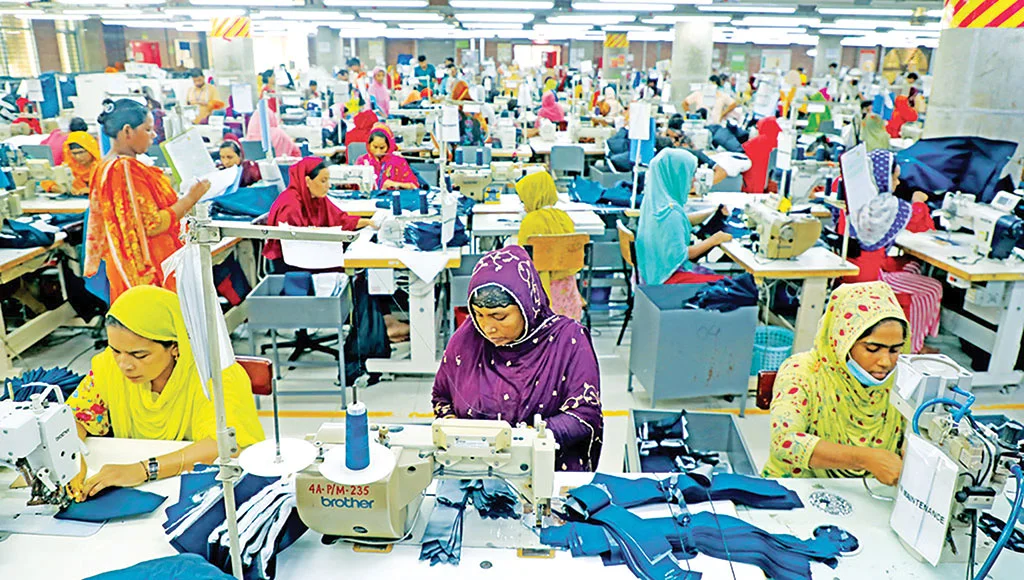
A file photo shows workers sewing clothes at a readymade garment factory in Narayanganj recently. The government has set the country’s export earnings target at $57.50 billion with 12.59 per cent growth for the financial year 2024-25. | New Age photo
The government has set the country’s export earnings target at $57.50 billion with 12.59 per cent growth for the financial year 2024-25.
The commerce ministry on Sunday approved the export target at the 146 meeting of the board of directors of the Export Promotion Bureau held at Bangladesh Secretariat in the capital Dhaka.
‘We have set an export earnings target aiming for over 12 per cent growth compared with the earnings for the financial year 2023-24,’ commerce adviser Salehuddin Ahmed told reporters following the meeting.
He said that the target has been set keeping the current situation in mind and expressed hope that it would be achieved.
In response to a question, the adviser said that the United States had put some queries, rather than conditions, regarding the GSP facilities, and the government had already addressed those.
‘This month, I will travel to Washington, where I will discuss the matter with them,’ Salehuddin said.
According to the presentation from the meeting, an export target of $50 billion has been set for goods, having a 12.44-per cent growth, and $7.5 billion for the service sector with a 13.64-per cent growth.
The meeting was attended by industries ministry senior secretary Zakia Sultana, commerce secretary Md Selim Uddin, finance secretary Khairuzzaman Mozumder and EPB vice-chairman Anwar Hossain.
Revised data from the EPB showed that total export earnings from both goods and services amounted to $51.07 billion for the financial year 2023-24.
In FY24, exports totalled at $44.47 billion for goods and $6.60 billion for services, with growth rates of -11.97 per cent for goods and -5.30 per cent for services, respectively.
According to sources from the commerce ministry, the export earnings target for readymade garments in FY25 has been set at $40.48 billion, with an 11.99-per cent growth from the $36.15 billion earned in FY24.
The commerce ministry has set the export earnings target for FY25 at $21.07 billion for knitwear, having a 12.54-per cent growth, and $18.78 billion for woven garments, with an 11.36-per cent growth.
Meanwhile, the EPB on Sunday submitted revised export earnings data for the FY23 and FY24 to the commerce ministry.
The EPB revised its earnings for FY24 downward by more than $10.81 billion to $44.46 billion, which was 4.22 per cent lower than the $46.43 billion earned in FY23.
After excluding double entries, the country’s export earnings for FY23 decreased by $9.06 billion, from the previously reported $55.56 billion.
There was a total decrease of $19.88 billion in export earnings over the past two financial years, official data showed.
Due to discrepancies between the statistics reported by the EPB and the National Board of Revenue, the EPB has suspended the publication of export data since last June.
On Sunday, the EPB data submitted to the commerce ministry showed that export earnings from readymade garment in the FY24 fell by 5.22 per cent to $36.15 billion from $38.14 billion in FY23.
The data showed that earnings from knitwear in FY24 decreased by 5.13 per cent to $19.28 billion, while earnings from woven garments fell by 5.32 percent to $16.87 billion during the same period.
Export earnings from home textile in FY24 feel by 22.05 per cent to $851 million from $1.09 billion in the previous financial year.
The country’s export earnings from leather and leather goods in FY24 fell by 11.6 per cent to $1.04 billion while the earnings from jute and jute goods declined by 6.17 per cent to $855.23 million.
Export earnings from agricultural products, however, increased by 16.59 per cent to $964.34 million in FY24 from $827.10 million in FY23.
Live and frozen fish exports in FY24 decreased by 10.71 per cent to $376.68 million from $421.86 million in FY23.
In June, the final month of FY24, the country’s export earnings decreased by 8.54 per cent, falling to $3.61 billion from $3.95 billion in the same month of FY23.
Staff Correspondent 08 September, 2024, 23:21
A file photo shows workers sewing clothes at a readymade garment factory in Narayanganj recently. The government has set the country’s export earnings target at $57.50 billion with 12.59 per cent growth for the financial year 2024-25. | New Age photo
The government has set the country’s export earnings target at $57.50 billion with 12.59 per cent growth for the financial year 2024-25.
The commerce ministry on Sunday approved the export target at the 146 meeting of the board of directors of the Export Promotion Bureau held at Bangladesh Secretariat in the capital Dhaka.
‘We have set an export earnings target aiming for over 12 per cent growth compared with the earnings for the financial year 2023-24,’ commerce adviser Salehuddin Ahmed told reporters following the meeting.
He said that the target has been set keeping the current situation in mind and expressed hope that it would be achieved.
In response to a question, the adviser said that the United States had put some queries, rather than conditions, regarding the GSP facilities, and the government had already addressed those.
‘This month, I will travel to Washington, where I will discuss the matter with them,’ Salehuddin said.
According to the presentation from the meeting, an export target of $50 billion has been set for goods, having a 12.44-per cent growth, and $7.5 billion for the service sector with a 13.64-per cent growth.
The meeting was attended by industries ministry senior secretary Zakia Sultana, commerce secretary Md Selim Uddin, finance secretary Khairuzzaman Mozumder and EPB vice-chairman Anwar Hossain.
Revised data from the EPB showed that total export earnings from both goods and services amounted to $51.07 billion for the financial year 2023-24.
In FY24, exports totalled at $44.47 billion for goods and $6.60 billion for services, with growth rates of -11.97 per cent for goods and -5.30 per cent for services, respectively.
According to sources from the commerce ministry, the export earnings target for readymade garments in FY25 has been set at $40.48 billion, with an 11.99-per cent growth from the $36.15 billion earned in FY24.
The commerce ministry has set the export earnings target for FY25 at $21.07 billion for knitwear, having a 12.54-per cent growth, and $18.78 billion for woven garments, with an 11.36-per cent growth.
Meanwhile, the EPB on Sunday submitted revised export earnings data for the FY23 and FY24 to the commerce ministry.
The EPB revised its earnings for FY24 downward by more than $10.81 billion to $44.46 billion, which was 4.22 per cent lower than the $46.43 billion earned in FY23.
After excluding double entries, the country’s export earnings for FY23 decreased by $9.06 billion, from the previously reported $55.56 billion.
There was a total decrease of $19.88 billion in export earnings over the past two financial years, official data showed.
Due to discrepancies between the statistics reported by the EPB and the National Board of Revenue, the EPB has suspended the publication of export data since last June.
On Sunday, the EPB data submitted to the commerce ministry showed that export earnings from readymade garment in the FY24 fell by 5.22 per cent to $36.15 billion from $38.14 billion in FY23.
The data showed that earnings from knitwear in FY24 decreased by 5.13 per cent to $19.28 billion, while earnings from woven garments fell by 5.32 percent to $16.87 billion during the same period.
Export earnings from home textile in FY24 feel by 22.05 per cent to $851 million from $1.09 billion in the previous financial year.
The country’s export earnings from leather and leather goods in FY24 fell by 11.6 per cent to $1.04 billion while the earnings from jute and jute goods declined by 6.17 per cent to $855.23 million.
Export earnings from agricultural products, however, increased by 16.59 per cent to $964.34 million in FY24 from $827.10 million in FY23.
Live and frozen fish exports in FY24 decreased by 10.71 per cent to $376.68 million from $421.86 million in FY23.
In June, the final month of FY24, the country’s export earnings decreased by 8.54 per cent, falling to $3.61 billion from $3.95 billion in the same month of FY23.